Newsletters


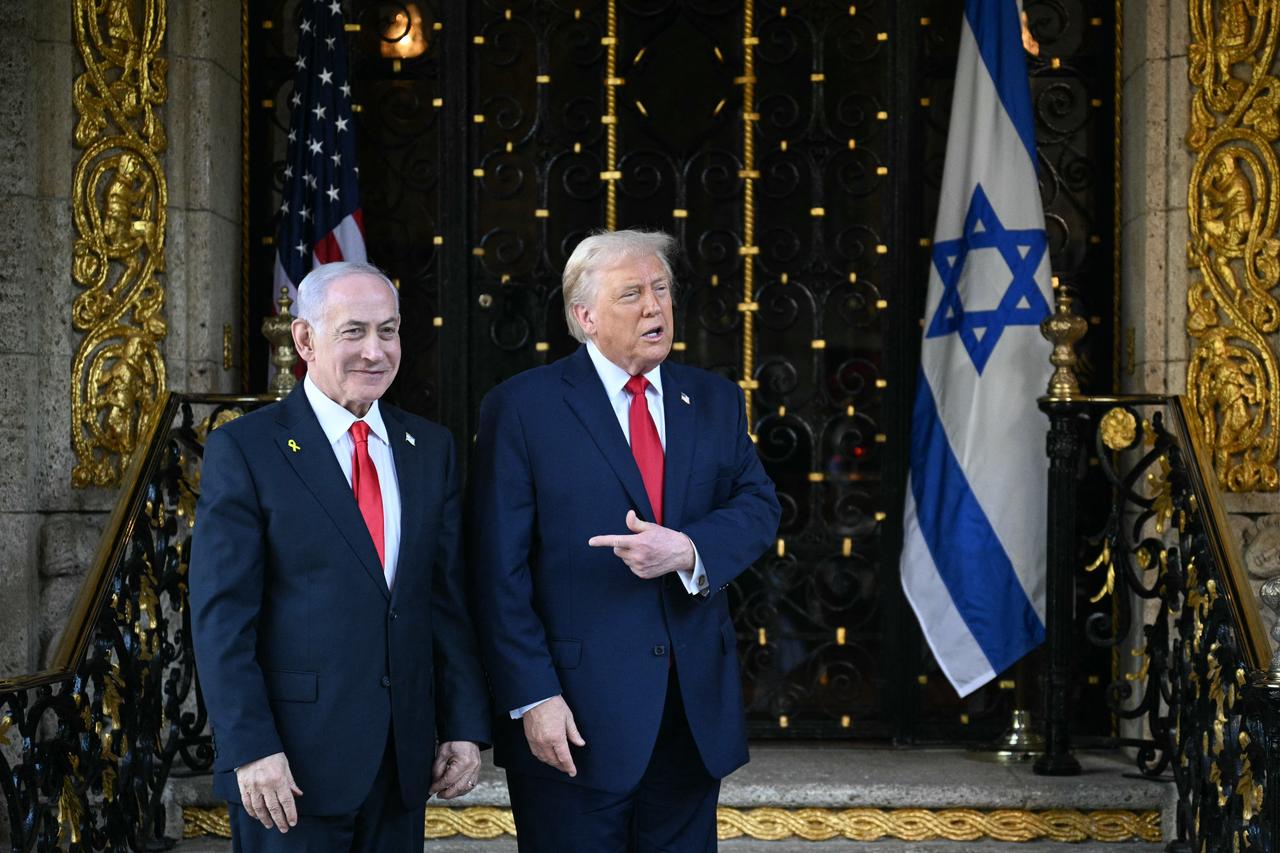
Iran's Foreign Ministry spokesperson Esmaeil Baghaei held the United States directly responsible for all ceasefire violations, whether committed by American forces or by Israel.
The Iranian official, during a press conference on Monday, declared that Washington cannot separate itself from Israeli actions, claiming that U.S. Central Command (CENTCOM) fully coordinates with Israel on both defense and offense.
The Iranian official also noted that the events in the past 24 hours will further deepen what he described as "an already profound atmosphere of mutual distrust" in U.S.-Iran communications.
Baghaei said no one in the region believes Israel acts independently of Washington.
"The U.S. State Department explicitly stated that the main reason for imposing this war against Iran was support for the Zionist regime. This has been the official U.S. position," he said.
"Despite the claims of American officials, we know that CENTCOM fully coordinates and cooperates with the Zionist regime in both defense and offense," Baghaei added.
He said U.S. responsibility as a party to the April 8 ceasefire was direct and unambiguous.
"Whatever happens in the region, whether the U.S. itself violates the ceasefire through attacks on Iranian commercial ships, incursions into the country's southern areas, or through the Zionist regime in Lebanon in complicity with America, America's direct responsibility is established, and the consequences of the escalation of tensions will also rest with the United States," the Iranian spokesperson noted.
On Lebanon specifically, Baghaei said the situation pointed to one of two conclusions: "Either the Zionist regime is outmaneuvering America, or there is a division of labor between the U.S. and the Zionist regime, and experience shows the second option is closer to reality in many cases."
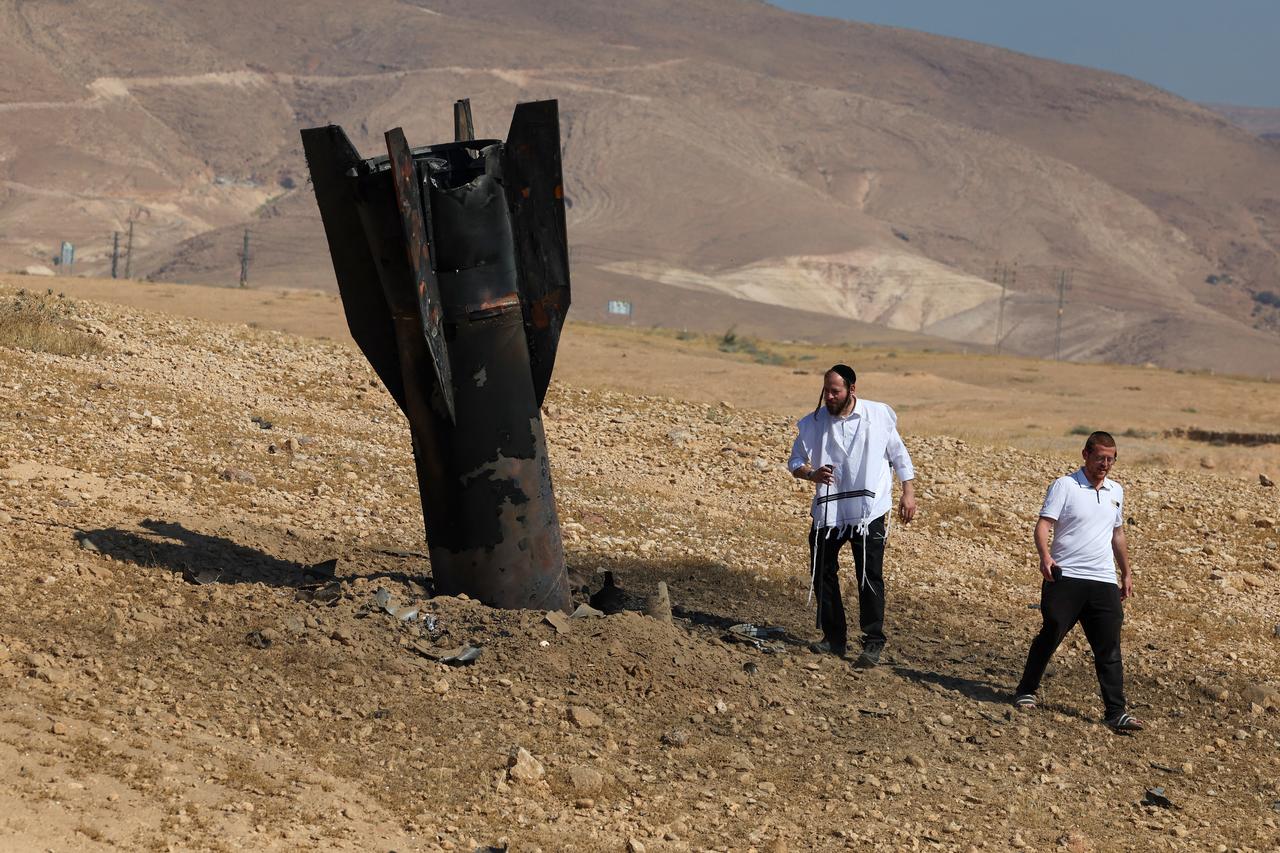

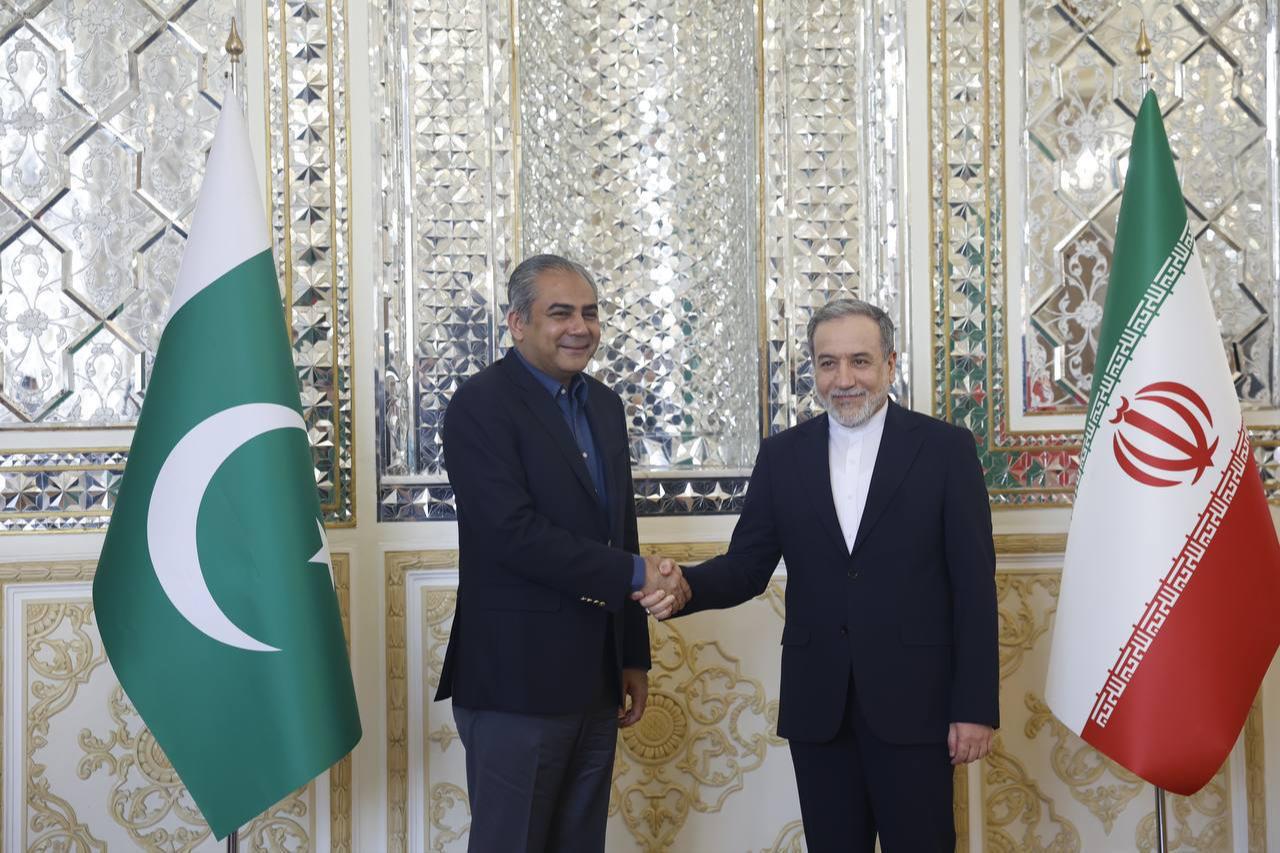
Baghaei acknowledged that message exchanges with the United States had not stopped, confirming that Pakistan's interior minister's visit was "part of these message exchanges." But he described the diplomatic atmosphere as having collapsed into deep suspicion.
"Our message exchanges with the Americans have been taking place in an atmosphere of mistrust, and the events of the past 24 hours will further fuel this mistrust," he said, adding that America's contradictions, contradictory behavior and confusing statements, deliberately or not, have caused enough disruption to the diplomatic process."
He warned that if the logic of the negotiations was undermined by Israeli actions or any other party, "naturally, the diplomatic process will also be affected."
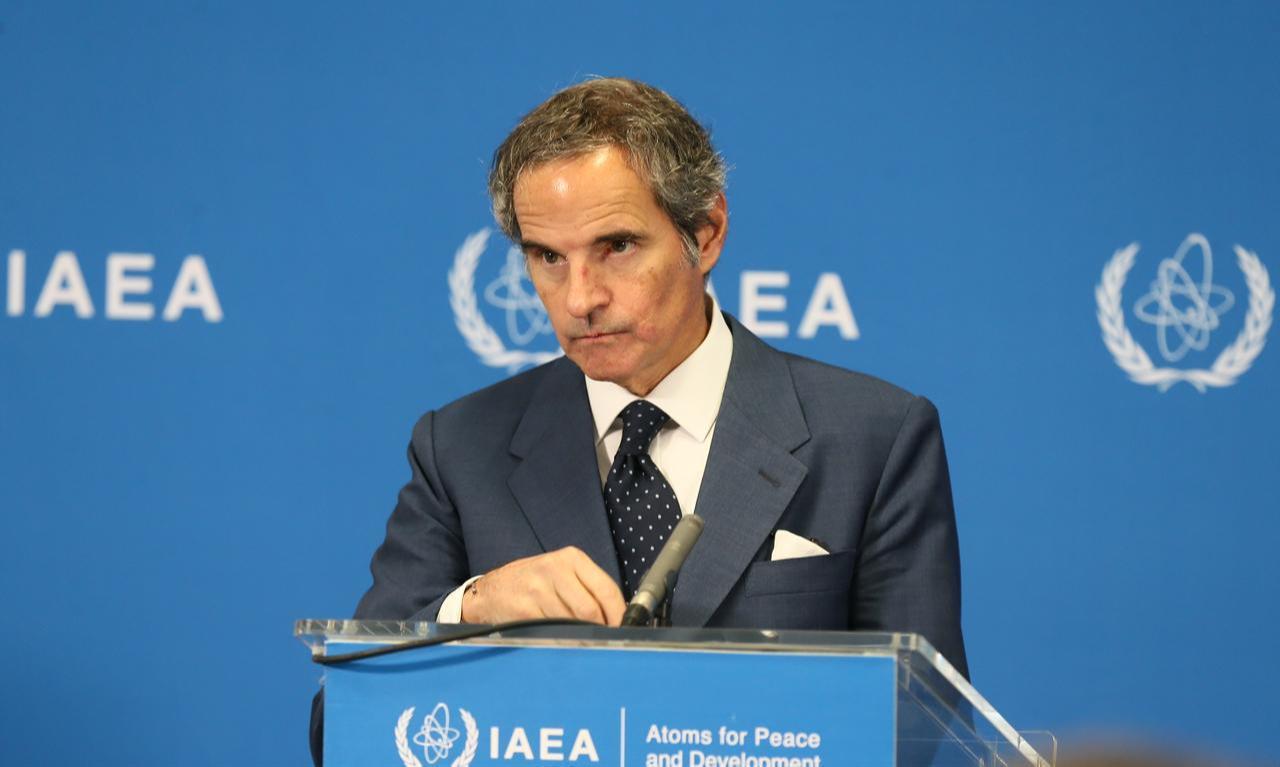
Baghaei said IAEA Director General Rafael Grossi was pursuing a "completely partisan, non-technical and political approach" to the Iran nuclear file.
He said Grossi was ignoring the cause of the current situation, U.S. and Israeli strikes on Iranian peaceful nuclear facilities, and focusing only on symptoms and consequences.
"If the agency is concerned about Iran, it must blame those who caused this situation; America and the Zionist regime, because of the attack on Iran's peaceful facilities, are the cause of this situation. The agency has not yet made a responsible statement on this matter and has not condemned this act," he said.
He warned that if the IAEA Board of Governors adopted a resolution against Iran, Tehran would give "an appropriate response."
Rejecting U.S. plans to redirect Iranian frozen assets to Gulf states as compensation for Iranian strikes, Baghaei called the claim "laughable" and said it was part of an Israeli-sourced cognitive warfare campaign.
"We are deeply owed by all regional parties that played any role in the crimes committed by the Zionist regime and the U.S. against Iran," he said.
"The issue of Iran's blocked assets is one of the components of any understanding that is currently being negotiated, and Iran will never make concessions on this matter," he said.
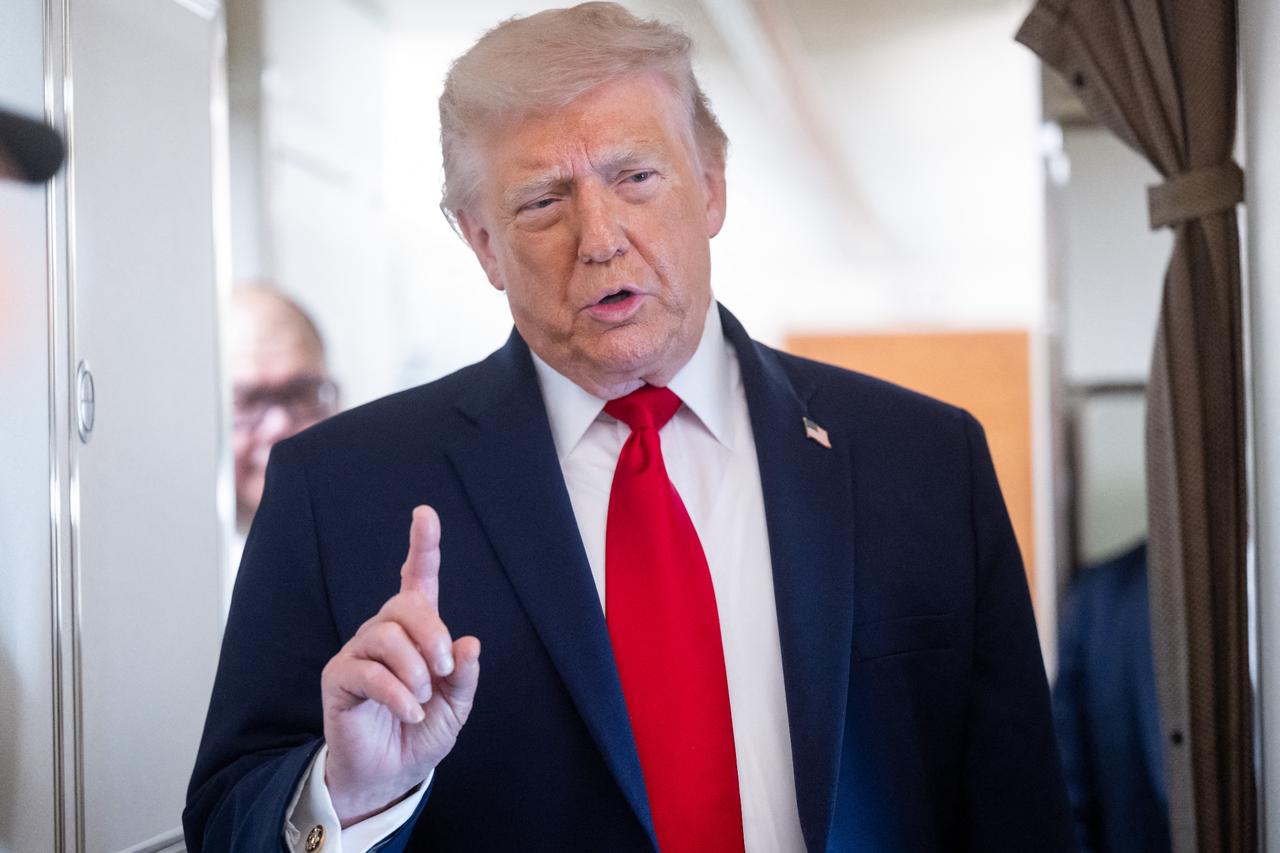
"Trump's claim about not releasing Iran's blocked assets is ridiculous. The release of Iran's blocked resources will be part of any agreement," the spokesman noted.
Addressing Egypt, Baghaei said Tehran had no problem with Cairo but warned against allowing its territory to be used for attacks on a Muslim country.
"It is very telling that for more than three years your brothers and sisters in Gaza have been massacred and exposed to open genocide, and unfortunately, no action has been taken by their brothers and sisters across the border," he said.
On reports of Iranian strikes on Saudi Arabia, Baghaei denied them outright.
"Wherever we strike, we clearly announce it. We always warn against deception operations or false flag operations," he said, claiming that Israel had conducted false flag attacks in multiple instances during and before the current war to sow division among regional countries.
On Lebanon, Baghaei said Iran considered itself a friend of Lebanon and its people, and that preserving Lebanese national cohesion was the only path to protecting its sovereignty against Israeli occupation.
"Any action that undermines this cohesion is not in Lebanon's interest," he said.


 Set as preferred source
 Set as preferred source


 1 min read

 1 min read