Newsletters





The U.S. Treasury Department is directing a team to assess the cost of damage inflicted on Gulf allies by Iran and plans to redirect Iranian assets toward rebuilding and repair efforts in those countries, a source familiar with Treasury Secretary Scott Bessent's thinking told Reuters, CNN, and CBS News, a move that could directly undercut Iran's central demand in peace negotiations.
Iran has made the release of frozen assets the linchpin of any deal, with a top Iranian official telling CNN this week that $24 billion must be released before a final agreement can be reached.
Washington's plan to redirect those same assets to compensate Gulf states transforms Iran's demanded peace dividend into a potential war-reparations bill, setting it on a collision course with the already deadlocked negotiations.
Bessent has directed the Treasury to seek comprehensive estimates from Gulf allies of damage caused by Iran since the conflict began, and to evaluate whether existing Iranian assets can be used to finance repairs for damage already sustained, the source said.
"The Treasury intends to use all available authorities to make Iranian assets accessible for rebuilding and repair related to any future damage Iran inflicts as well," the source added.
It remains unclear which specific assets would be used, for example, Iranian cash held in frozen bank accounts or hard assets such as oil tankers. The language used to describe the new measures did not appear limited to frozen assets, according to Reuters.
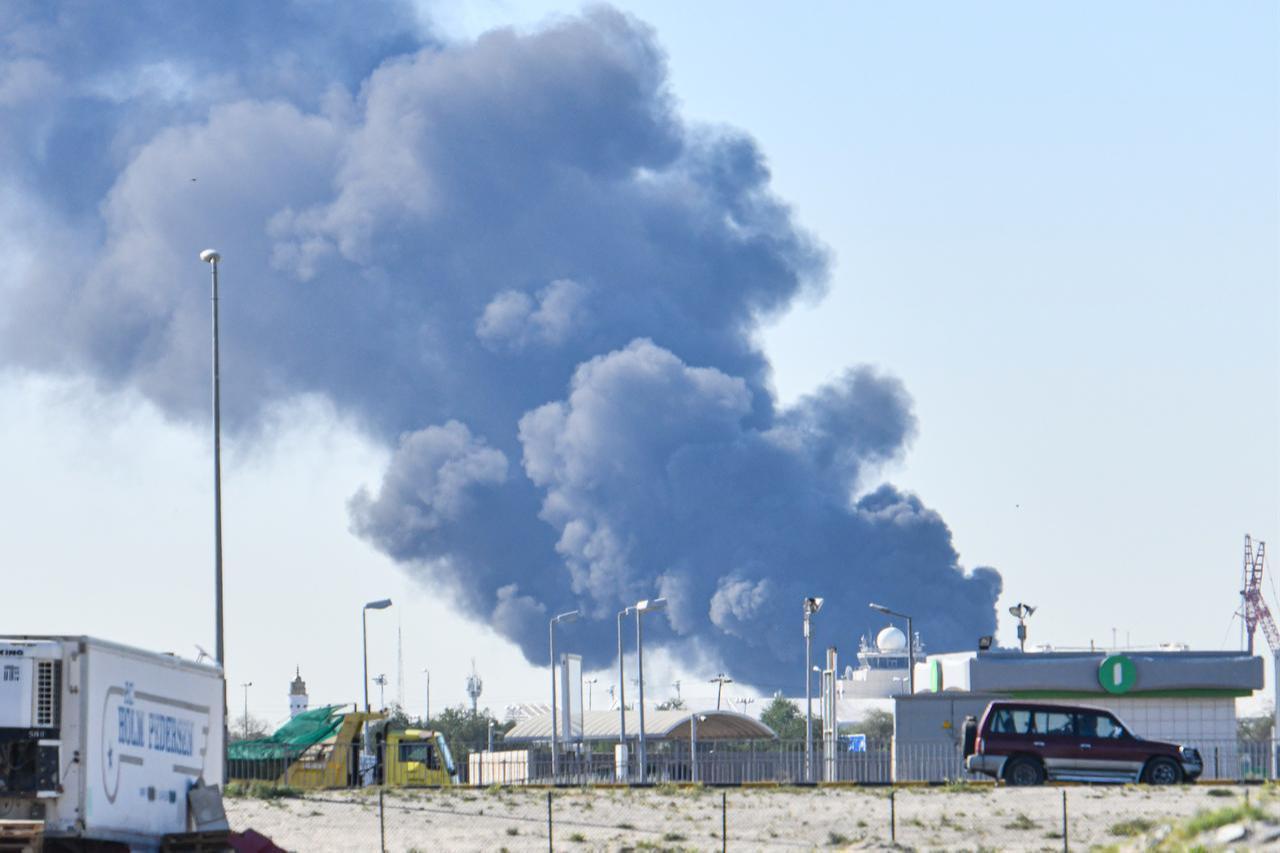
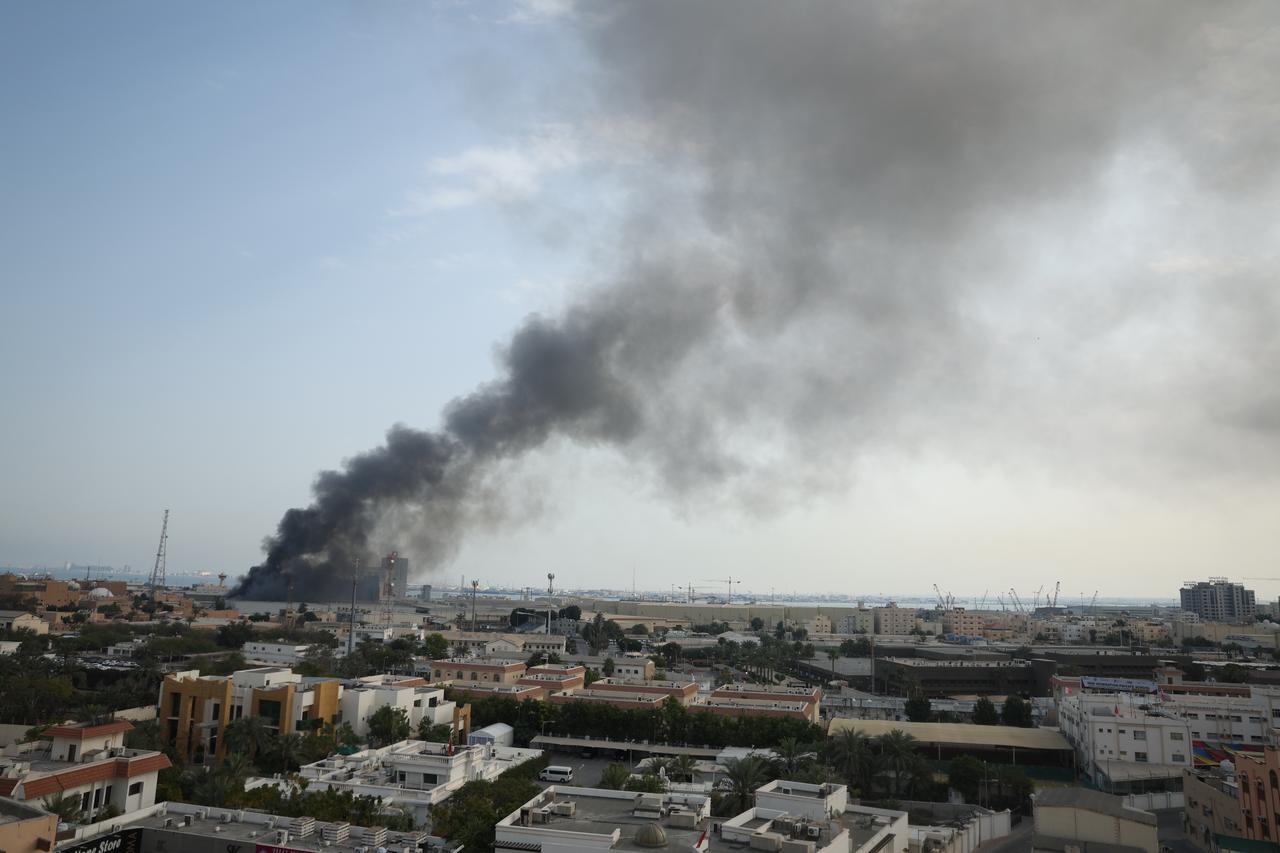
Iran has launched at least 6,413 missiles and drones against seven Arab countries over 41 days since the war began in late February, striking Saudi Arabia, the UAE, Kuwait, Bahrain, Qatar, and Oman intermittently throughout the conflict.

The disclosure landed one day after Mohsen Rezaei, military adviser to Iran's Supreme Leader Ayatollah Mojtaba Khamenei, told CNN that peace hinged on the release of $24 billion in frozen Iranian assets.
"The negotiations are at a deadlock, and Trump must break this deadlock. The ball is in Trump's court," Rezaei said. He said Iran had demanded $12 billion upon signing a preliminary agreement and another $12 billion at a later stage.
Framing the demand as a trust-building measure, Rezaei said: "If he wants to reach an agreement with Iran, this $24 billion is a test of trust that Iran wants to have with Trump, this is a test that America must pass and the path will be opened. This is our own money, not America's money."
U.S. officials have expressed concern that unfreezing funds at this stage would remove a key point of leverage over Tehran. Trump has demanded that any agreement appear significantly stronger than the 2015 nuclear deal and has sought to avoid anything construable as handing over "pallets of cash", a phrase he has repeatedly used to criticize the Obama administration's financial compensation to Iran.
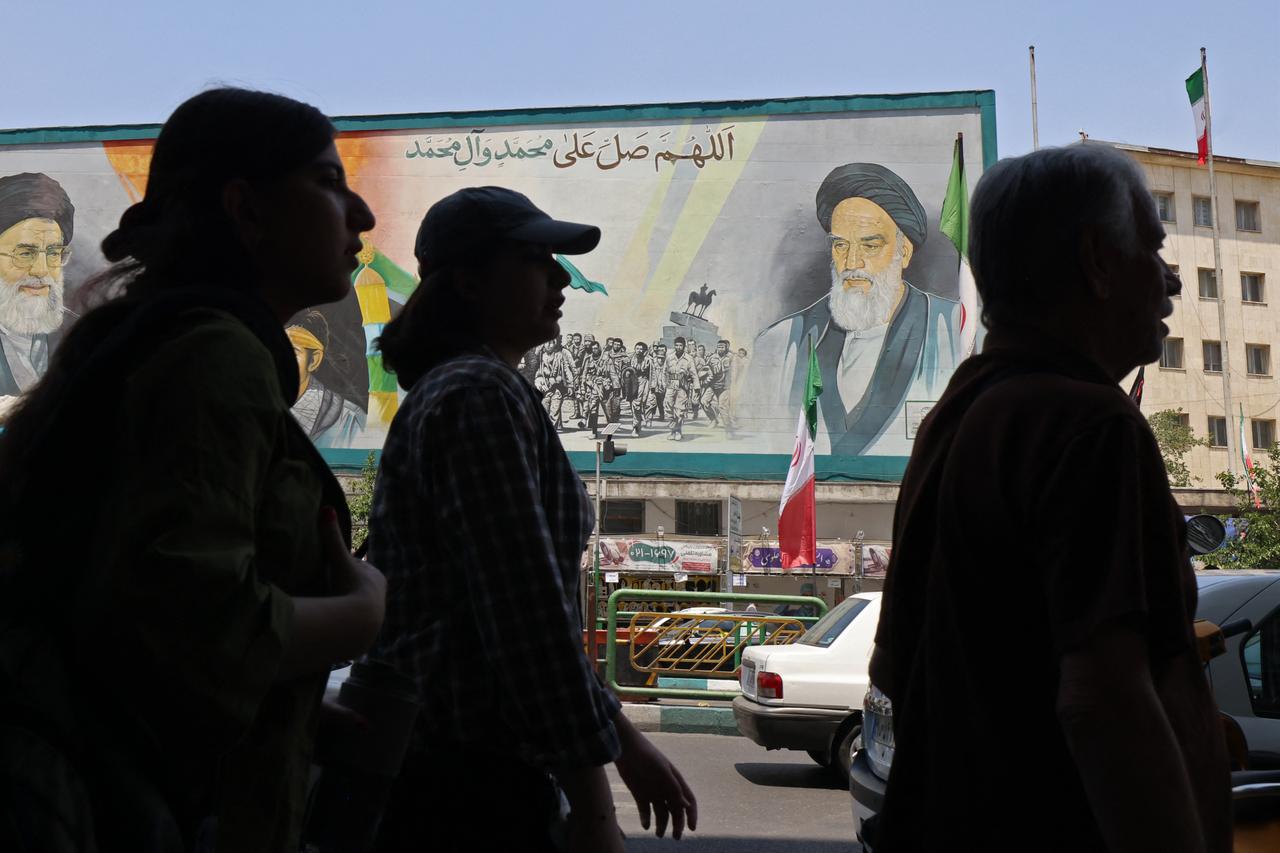
Iranian frozen assets in international accounts are estimated at between $100 billion and $120 billion, of which approximately $2 billion is frozen in the United States. Iranian officials estimate more than $100 billion in assets remain inaccessible due to sanctions, banking restrictions and legal disputes accumulated over decades.
Negotiators are reportedly discussing a package of roughly $12 billion that could become available if a preliminary agreement is reached. Not all frozen funds would necessarily become accessible even under a deal, as some assets remain tied up in court cases and other restrictions unrelated to sanctions.
Even partial access to blocked funds could affect Iran's currency market, imports, government finances and broader economy, according to analysts.
Regional tensions have escalated after the U.S. and Israel launched airstrikes on Iran in late February, triggering a cycle of retaliatory attacks that widened instability across the region. Iran, in retaliation, subsequently launched strikes against Israel and targeted countries hosting U.S. military bases, while also disrupting shipping through the strait, a critical route for global energy supplies.
A ceasefire later took effect, though diplomatic efforts to secure a broader agreement have continued.


 Set as preferred source
 Set as preferred source


 1 min read
 1 min read