Newsletters


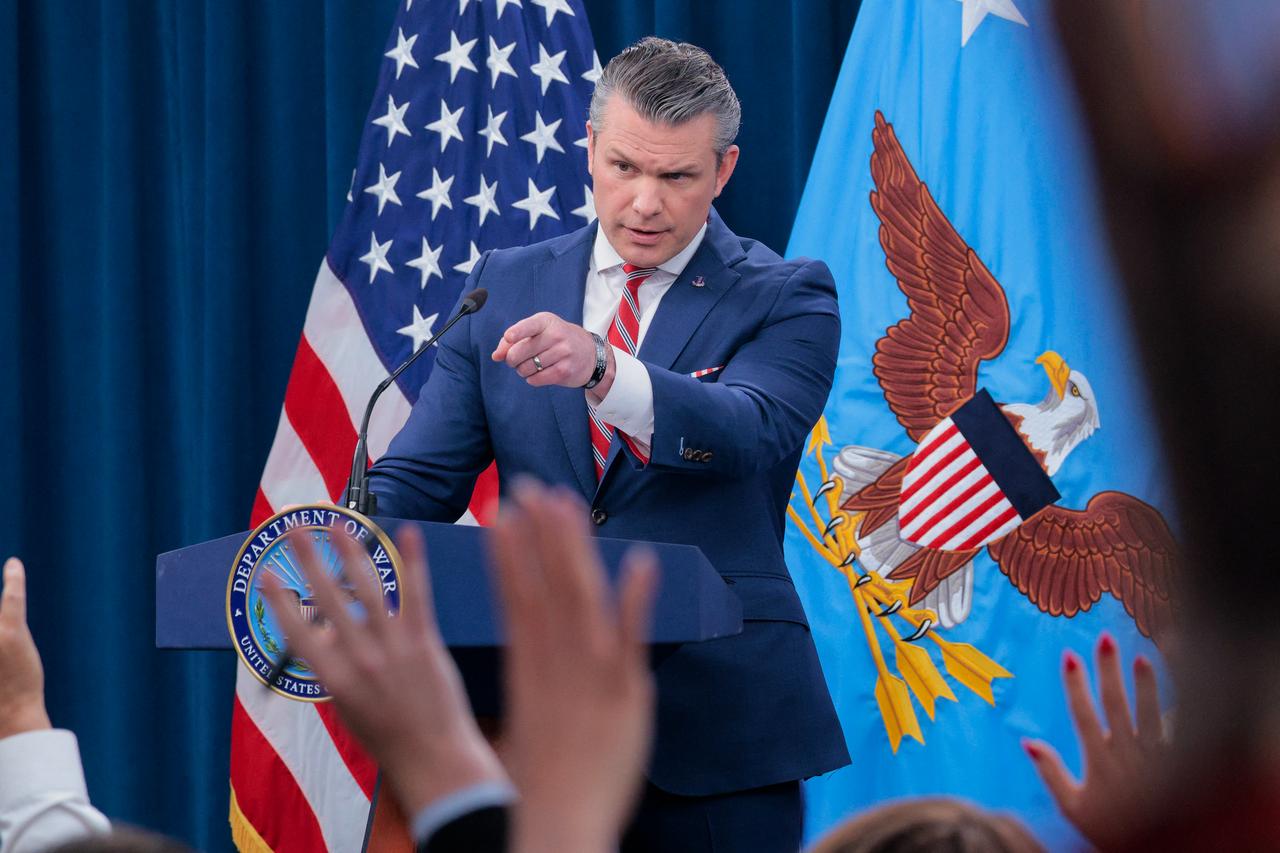


U.S. Defense Secretary Pete Hegseth declared Tuesday that Iran does not control the Strait of Hormuz and is "embarrassed" that Project Freedom is proving it.
He insisted that the ceasefire with Tehran remains in effect despite more than 10 Iranian attacks on U.S. forces since it was announced, as Gen. Dan Caine, chairman of the Joint Chiefs of Staff, warned that no adversary should "mistake our current restraint with a lack of resolve."
"Iran has an ability to make that deal, but what we're demonstrating with Project Freedom is they don't control the strait. We know Iran is embarrassed by the fact that our blockade is holding, and we can run ships through, and we're going to help the world run ships through," Hegseth told reporters at the Pentagon.
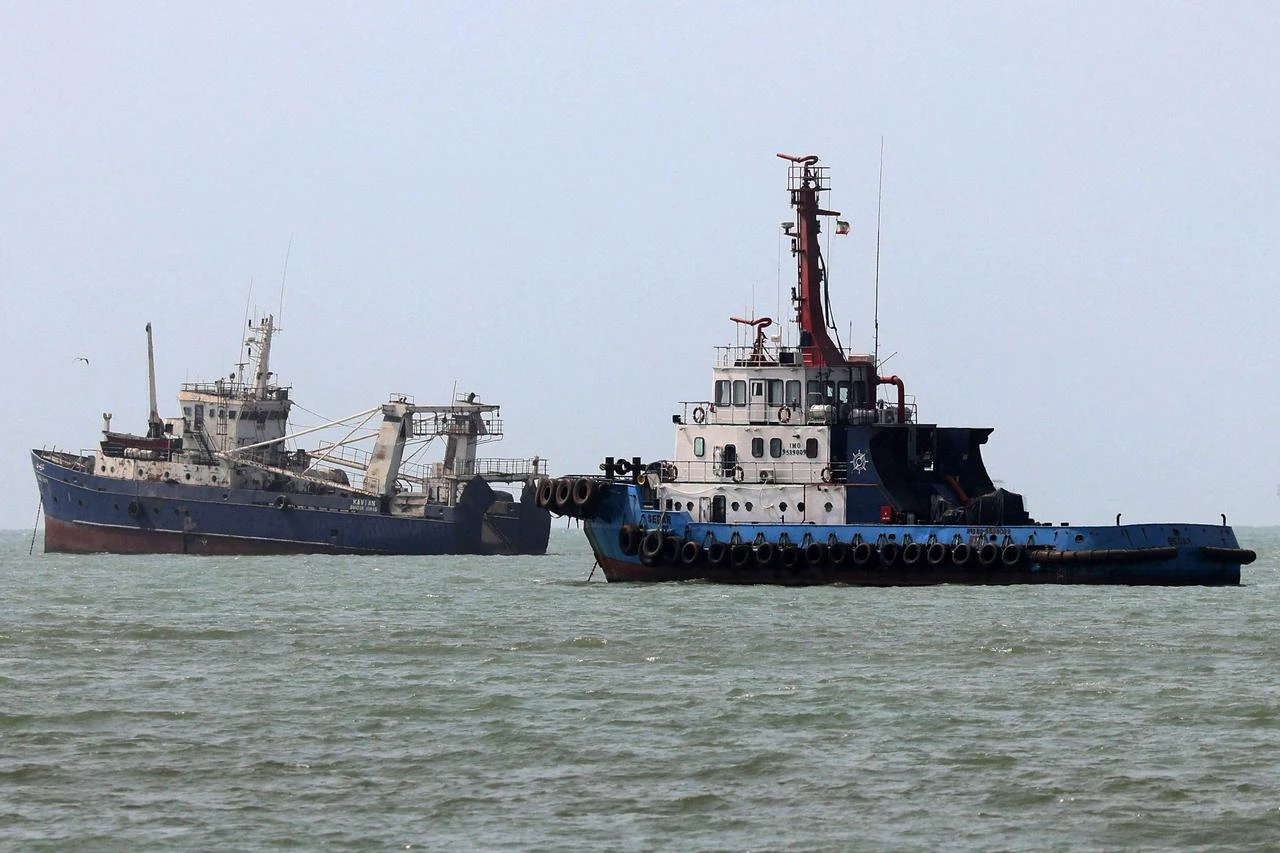
He described Iran's effective closure of the strait as "a form of international extortion" and called it "unacceptable," adding: "To Iran: Let innocent ships pass freely. These international waters belong to all nations, not to Iran to tax, toll or control."
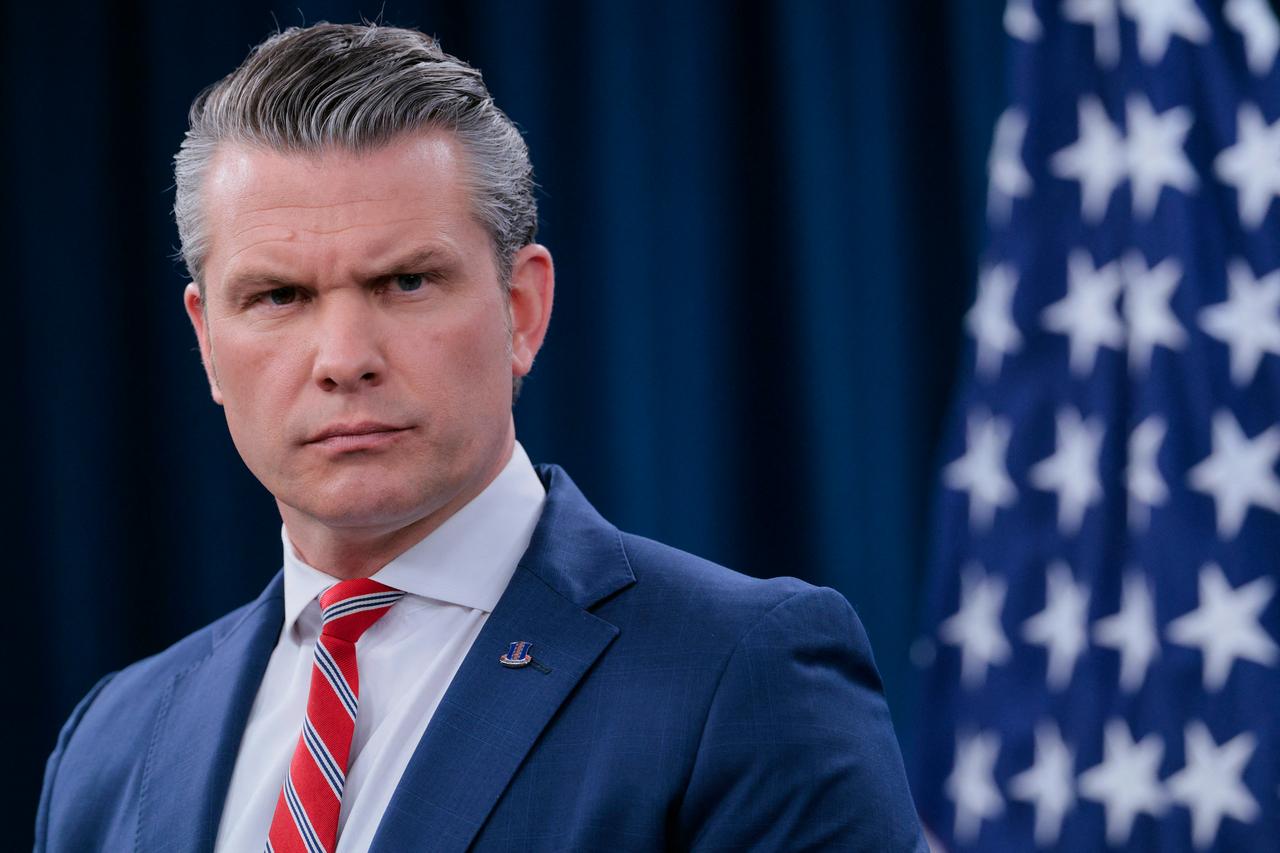

Hegseth and Caine both insisted the ceasefire remained intact, but outlined the scale of Iranian activity since it took effect.
"Since the ceasefire was announced, Iran has fired at commercial vessels nine times and seized two container ships, and they've attacked U.S. forces more than 10 times, all below the threshold of restarting major combat operations at this point," Caine said.
"It feels like Iran is grasping at straws," Caine added, describing current Iranian action as "low harassing fire."
He said Iran's command-and-control structure "remains very fractured" and that Tehran appears to be "struggling to maintain control."
Asked whether the ceasefire was over, Hegseth was unequivocal: "No, the ceasefire is not over. Ultimately, this is a separate and distinct project. We expected there would be some churn at the beginning, which happened, and we said we would defend and defend aggressively."
He urged Iran to exercise caution by saying, "We would certainly urge Iran to be prudent in the actions that they take to keep that underneath this threshold."
"Right now the ceasefire certainly holds, but we're going to be watching very, very closely," Hegseth said.
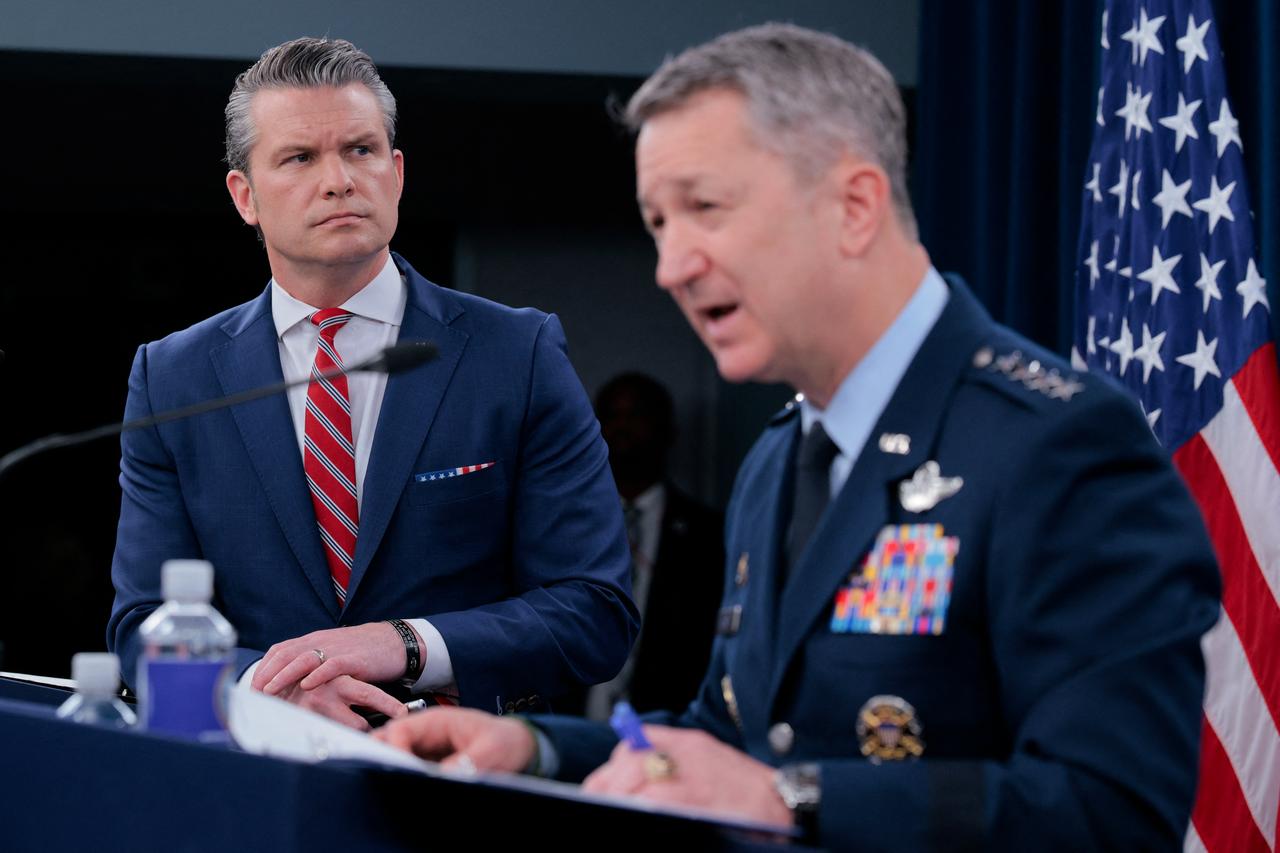
Hegseth made clear that restraint had limits.
"We prefer this to be a peaceful operation, but are locked and loaded to defend our people, our ships, our aircraft and this mission without hesitation," he said.
"If you attack American troops or innocent commercial shipping, you will face overwhelming and devastating American firepower," Hegseth added.
Caine added that U.S. forces "remain ready to resume major combat operations against Iran if ordered to do so," and that the decision to restart the war was a political one "above my pay grade."
Hegseth said the decision over whether any incident constitutes a ceasefire violation rests with Trump, adding, "If Iran is not willing to follow through on its side of the bargain or make a deal, then the war department is postured, locked, loaded, and ready to go."
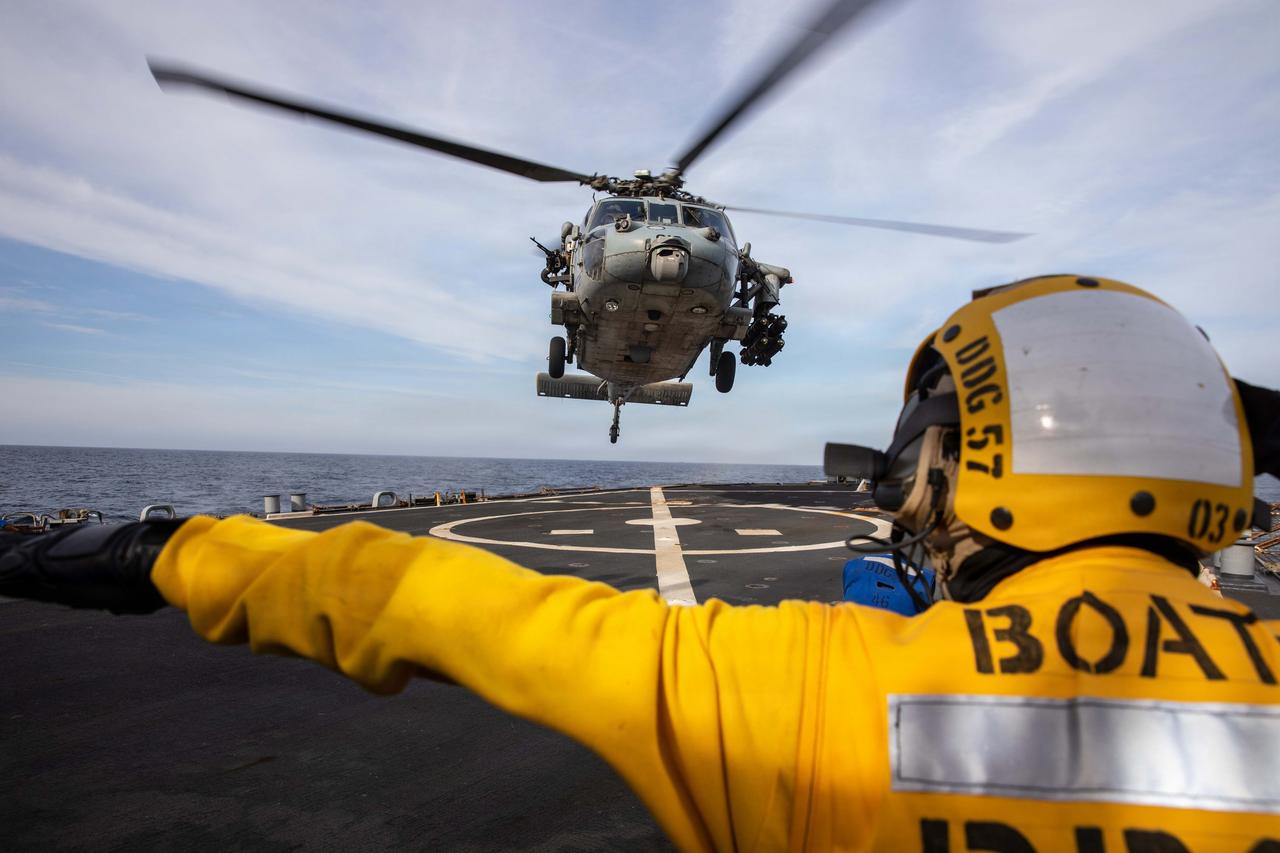
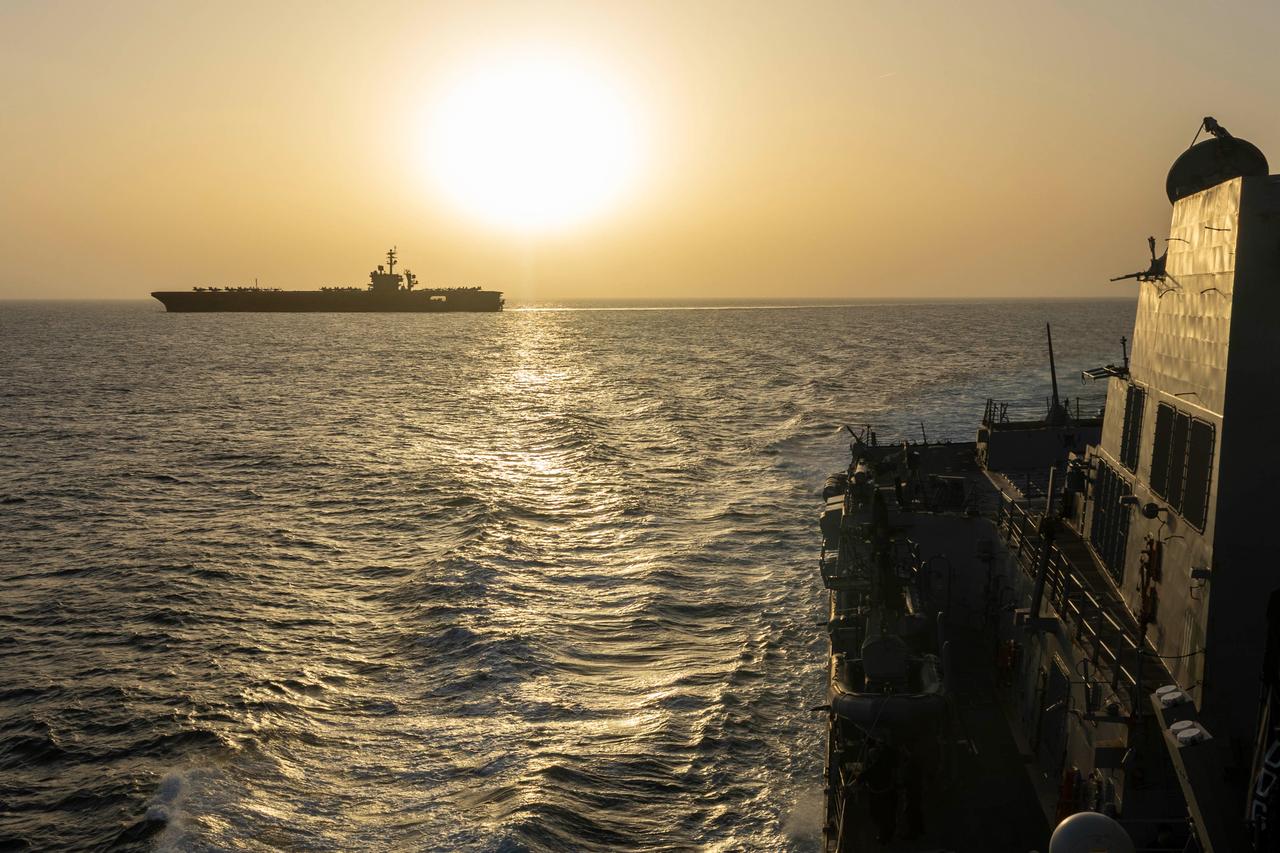
Hegseth described the U.S. military presence over the strait as a "powerful red, white and blue dome," with American destroyers on station, supported by hundreds of fighter jets, helicopters, drones and surveillance aircraft providing round-the-clock overwatch.
He confirmed two U.S. commercial vessels had successfully transited and said "hundreds more" were lining up to make the journey.
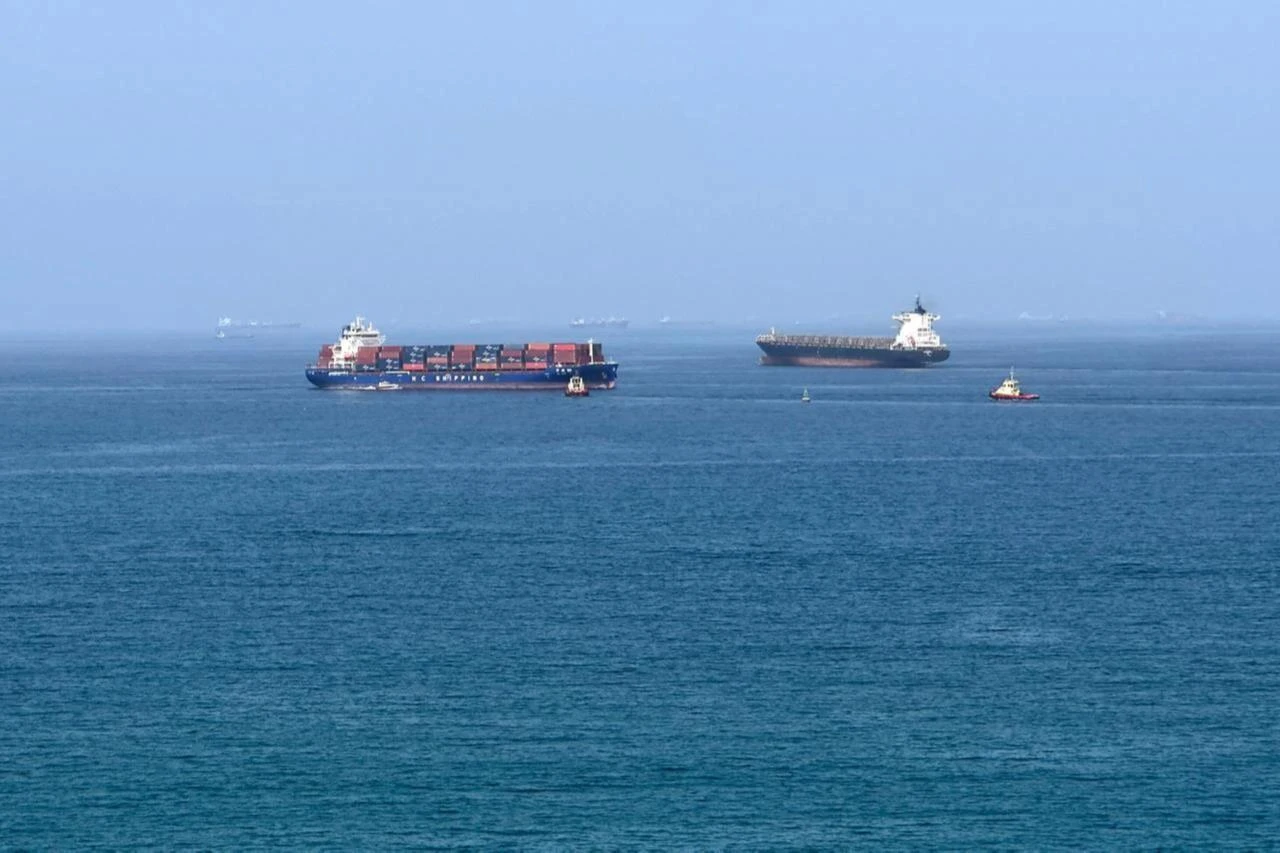
Caine said there are currently 22,500 mariners aboard more than 1,550 commercial vessels trapped in the Arabian Gulf, unable to transit.
"Commercial vessels that transit through the area will see, hear and, frankly, feel U.S. combat power around them, on the sea, in the skies and on the radio," he said.
Hegseth disclosed that the U.S. was communicating with Iranian negotiators both overtly and quietly over the Project Freedom operation.
"There are some actions the IRGC takes sometimes that are outside the bounds of what maybe Iranian negotiators would like. That's their job to rein that in and ultimately create a condition for a deal," he said.
On whether Trump had capitulated on his demand for Iran's unconditional surrender, Hegseth rejected the premise, saying, "The president hasn't capitulated on anything. He holds the cards, we maintain the upper hand, and Project Freedom only strengthens that hand."
Hegseth also flatly denied that Trump was being steered into the conflict by Israeli Prime Minister Benjamin Netanyahu, saying, "President Trump has led at every step of this based on his view of American interest. There's only one hand on the wheel ultimately directing this, whether it's Project Freedom or previously Operation Epic Fury."
He described Project Freedom as "a temporary mission" and told U.S. allies they would need to take over responsibility for the waterway.
"The world needs this waterway a lot more than we do. We're stabilising the situation so commerce can flow again, but we expect the world to step up at the appropriate time, and soon we will hand responsibility back to you," Hegseth stated.
When asked about reports of Iran considering the use of mine-carrying dolphins, Caine quipped: "I haven't heard the dolphin thing. Is that like sharks with laser beams?"
Hegseth added, "I can't confirm or deny whether we have kamikaze dolphins. But I can confirm they don't."


 Set as preferred source
 Set as preferred source


 4 min read