Newsletters


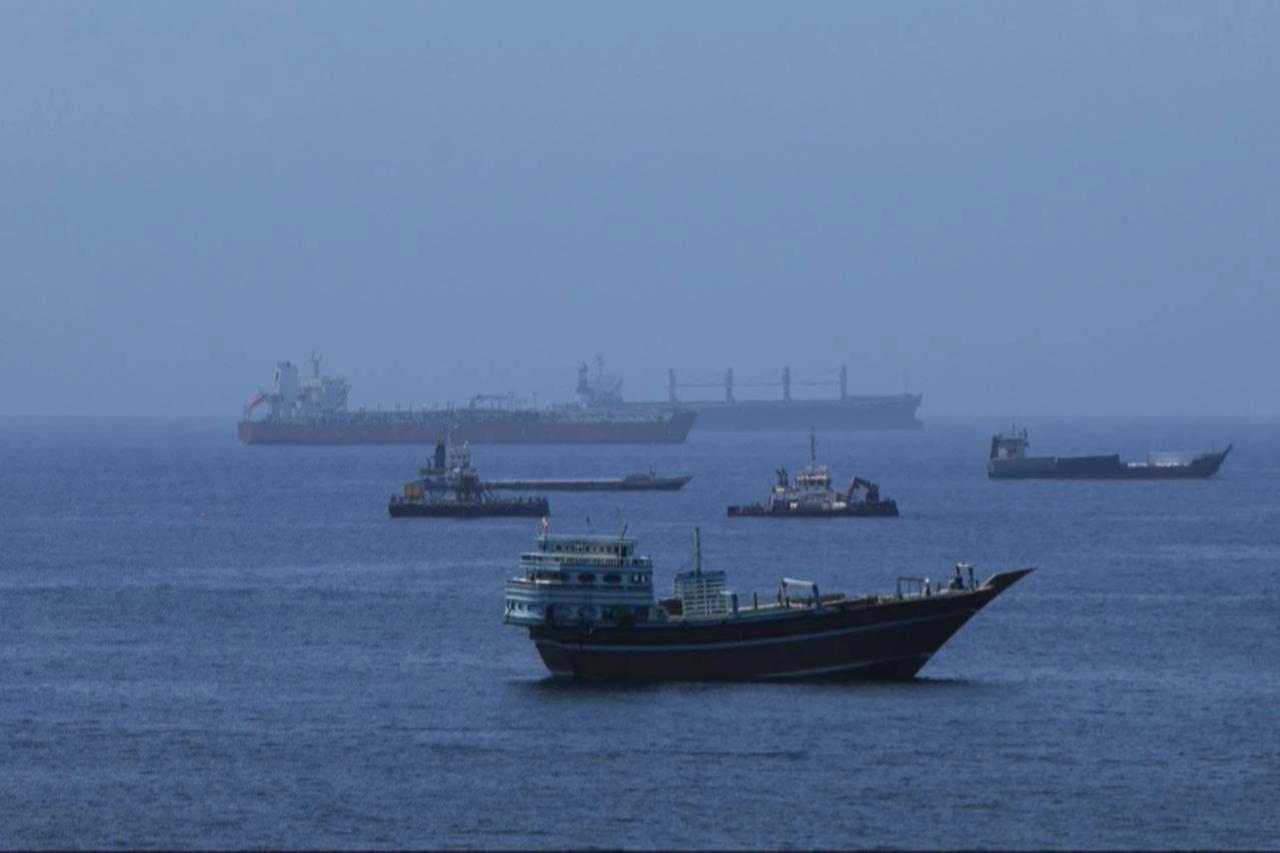
Iran has launched about 30 drone attacks and 10 anti-ship missile attacks per week against commercial ships in the Strait of Hormuz since the start of August, according to data shared with The New York Times (NYT) by a Western security official.
At least four commercial ships have been hit by Iran in the past 10 days, the official said, though many Iranian strikes have failed to hit their targets.
On Thursday, a tanker caught fire after being struck by an "unknown projectile" in the strait, the U.K. Maritime Trade Operations (UKMTO) said.
The attacks show shipping through the Strait of Hormuz remains risky even as Middle East oil exports rebound toward prewar levels, as Iran seeks to keep control of one of its biggest sources of leverage in the war.
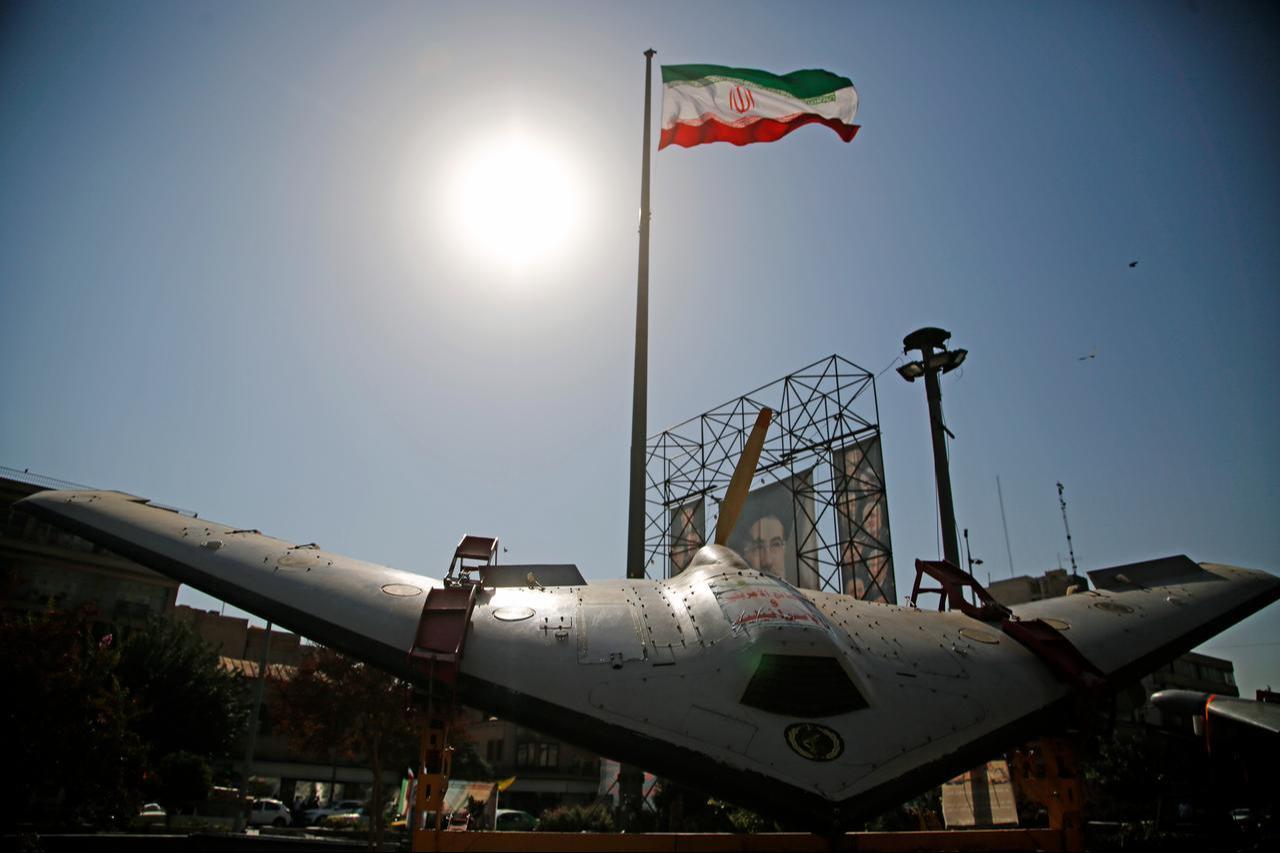
Iranian media have reported explosions "heard from the sea" almost every day in September. On Wednesday, Iran's Islamic Revolutionary Guard Corps (IRGC) appeared to confirm for the first time that it was behind them, saying it was striking targets in the strait every 24 hours.
"We prevent them from passing, but for some time now, America has not responded," a Revolutionary Guard spokesman said in a state news interview.
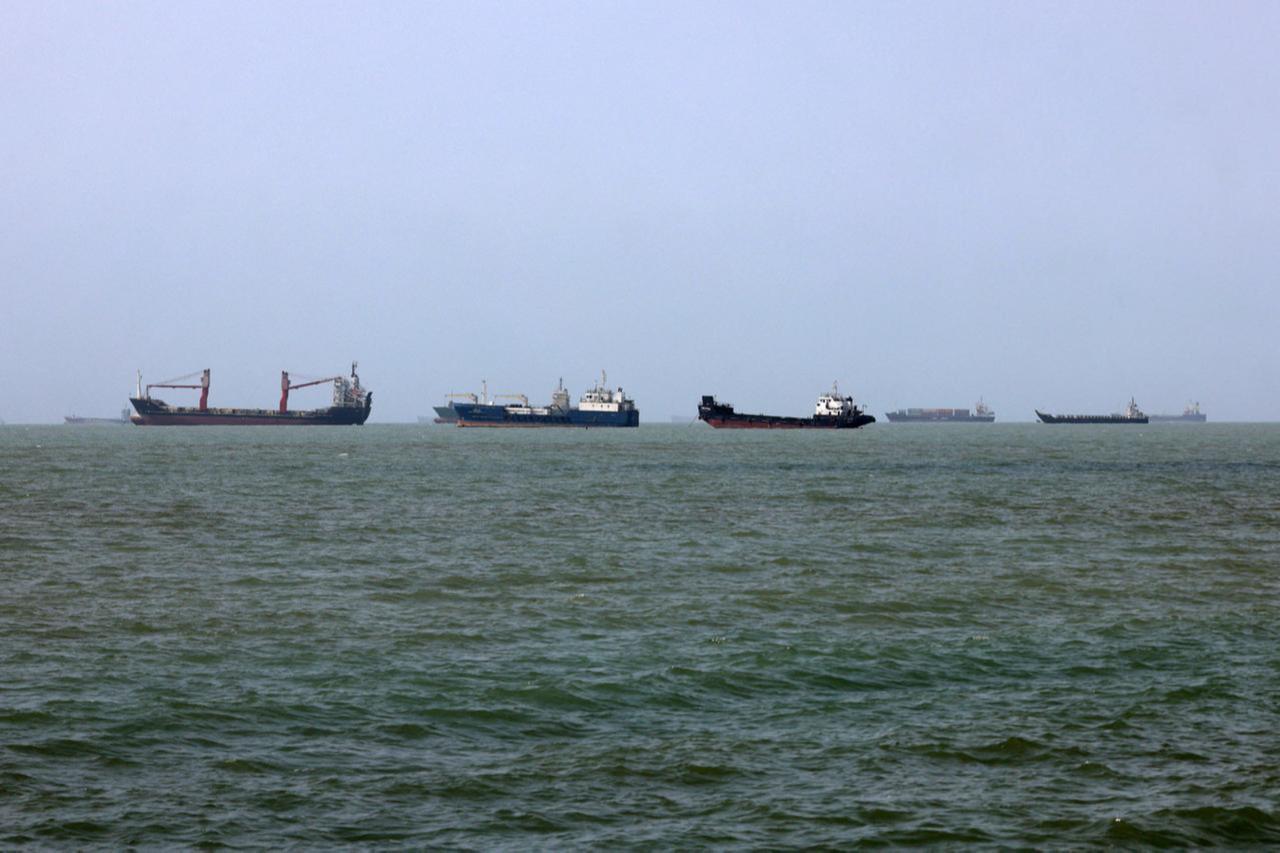
A tally by the British navy's UKMTO monitoring center shows at least 13 ships, mostly oil tankers, have been struck by projectiles or debris since Sept. 10.
The reports do not name the attackers, but maritime experts say the details suggest many were Iranian.
The tanker hit Thursday caught fire, UKMTO said, adding that the crew was reported safe and the extent of damage was unknown. It did not identify the vessel's flag or cargo.
Iran's semi-official Fars News Agency reported earlier that a supertanker with a capacity of 2.5 million barrels was hit about 8 kilometers (5 miles) off Oman's coast while sailing on an "unauthorized route."

"Negotiations aren't going anywhere. Neither side is really budging. So it's a standoff," said Gregory Brew, an Iran analyst at Eurasia Group who spoke to NYT.
He said the violence "speaks to the position that both sides are in: Neither is looking to aggressively escalate the conflict."
Ships pass through Oman's territorial waters on a U.S. Navy-guided route backed by fighter jets and attack helicopters. But much of the rise in regional exports comes from routes that bypass Hormuz, according to cargo tracker Kpler.
More ships moving "doesn't mean we're seeing a normalization of flows," said Kpler analyst Ana Subasic.
The U.S. has not struck Iranian targets since Sept. 1, even as ships in the Strait of Hormuz continue to be targeted.
The U.S. and Israel launched attacks on Iran on Feb. 28, prompting Tehran to retaliate against Israeli targets and U.S. military facilities across the region. The war also severely disrupted navigation through the Strait of Hormuz, a key route for global energy supplies.
Iran has since linked the full reopening of the strait to measures including an end to hostilities, sanctions relief, the release of frozen assets, and implementation of commitments it said Washington previously made.


 Set as preferred source
 Set as preferred source


 1 min read
 1 min read