Newsletters


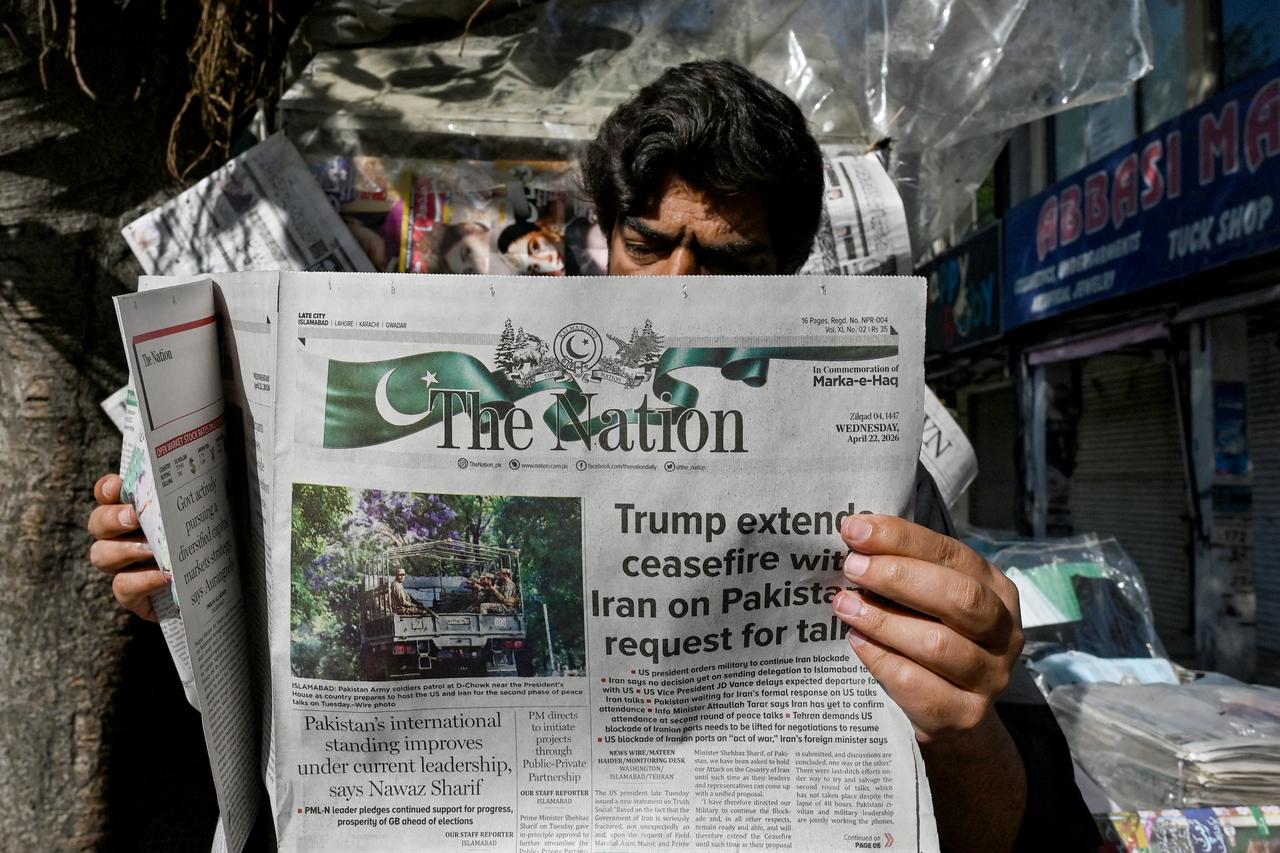


Iran had not decided as of Tuesday evening whether to attend a second round of peace talks in Islamabad, its foreign ministry told the BBC.
A senior adviser to Iran's parliamentary speaker called Trump's ceasefire extension "nothing" and warned it was "certainly a ploy to buy time for a surprise strike."
Iran's U.N. ambassador also stated that Tehran had received a signal from the U.S. that it was ready to lift the naval blockade, which he said would allow talks in Islamabad to proceed.
Iranian Foreign Ministry Spokesperson Esmaeil Baqaei told the BBC that Iran had entered the first round of talks in Islamabad "with good faith and seriousness, but you have a negotiating party that has shown its lack of seriousness and lack of good faith."
"They're changing their position frequently," he said, citing Trump's "flip-flops, threats of war crimes," a reference to Trump's repeated threats to knock out every power plant and bridge in Iran.
He denied Iran had agreed to attend and then pulled out.
"We never said we were going and then reneged on our commitments, as is the habit of the United States," Baqaei said.
He described the U.S. naval blockade as "an act of aggression" and said Iran's seizure by U.S. forces constituted piracy and a ceasefire violation.
"This is not the behavior of a country that is really serious about a diplomatic process," he said.
He recalled how Iran's foreign minister posted Friday that Hormuz would "completely open", only for Trump to respond with "thank you Iran" and then an hour later announce the blockade would stay.
Baqaei said no conditions for attending Islamabad had been specified: "If we conclude that going to Islamabad is in our national interest, we would go there. But for the time being, the decision has not yet been made."

Mahdi Mohammadi, an adviser to parliamentary speaker Mohammad Bagher Ghalibaf, posted in Persian on X that the ceasefire extension was "certainly a ploy to buy time for a surprise strike."
"The continuation of Trump's siege is no different from bombardment and must be met with a military response," Mohammadi wrote.
"The time for Iran to take the initiative has come," he added.
In a contrasting signal, Iran's Permanent Representative to the U.N., Amir Said Iravani, told IRNA that Tehran had received a signal from the U.S. indicating it was prepared to end the blockade.
"We told them the blockade needed to be lifted. We received a signal from them that they would stop the blockade. So the second round of talks in Islamabad could take place," Iravani said.
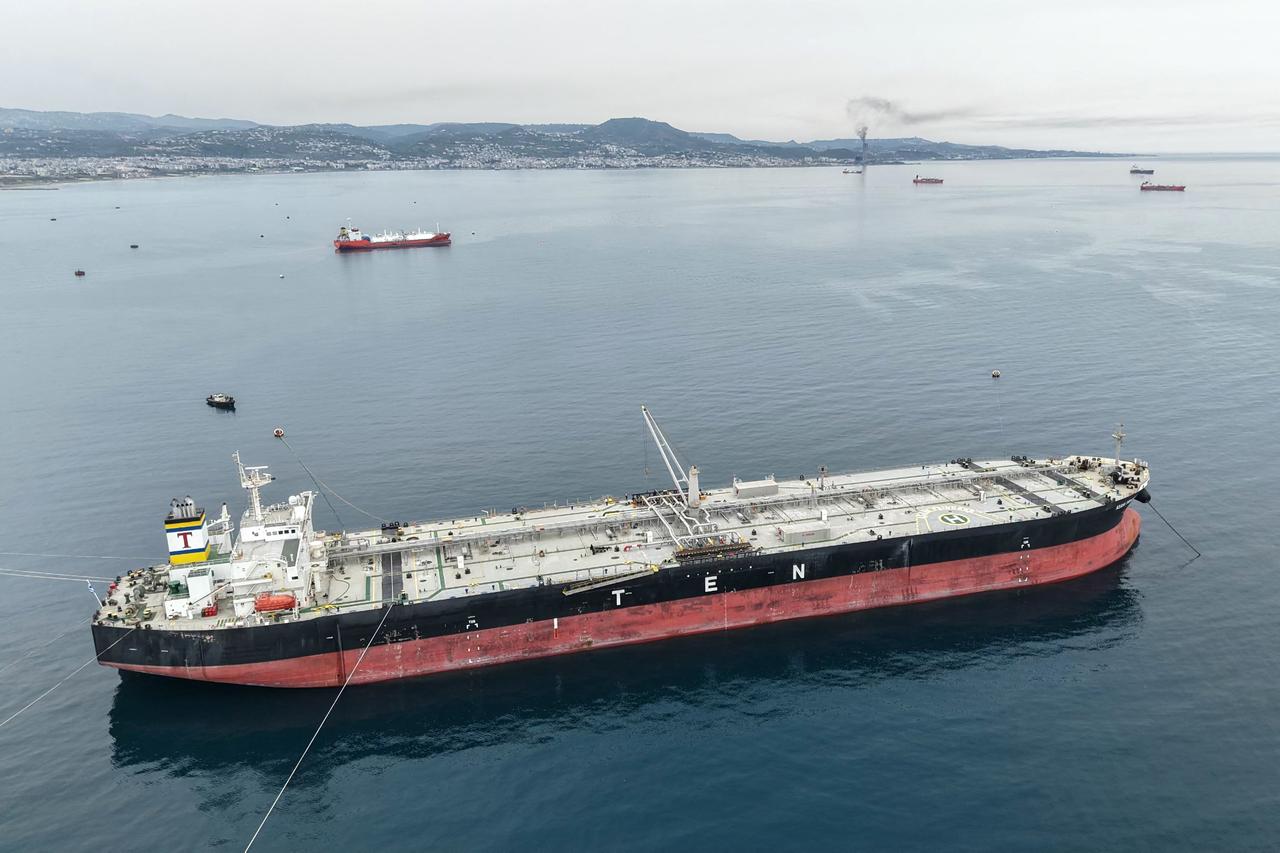
He said the U.S. had violated the ceasefire agreement by seizing two Iranian commercial vessels.


 Set as preferred source
 Set as preferred source


 1 min read

 1 min read