Newsletters




Syrians have taken to ironically joking that their country is now the most secure in the Middle East following the U.S.-Israel war on Iran. That might actually be true; however, Syria is not immune to the economic impact of the war.
The country's economic recovery largely depends on Gulf and Turkish investment projects that were proposed and initiated after the fall of the Assad regime in December 2024.
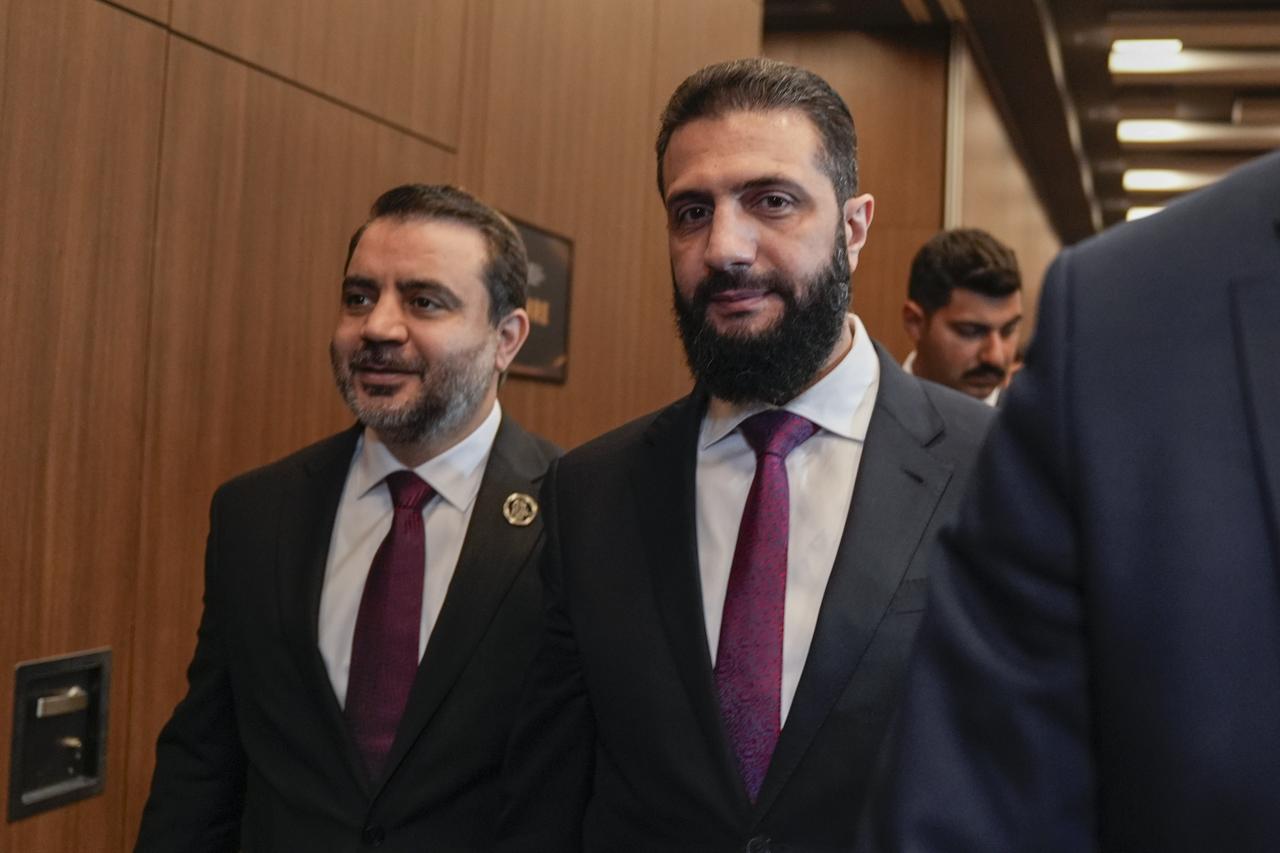
According to sources familiar with the discussion, Syrian President Ahmad al-Sharaa reportedly reassured civil society members during a closed-door meeting that Gulf investment projects already underway are proceeding without interruption. However, experts suggest that many projects still in the negotiation phase will likely be canceled or postponed due to the Iran war.
The economic consequences of a broader regional war are already becoming visible. Global markets have reacted with volatility, and energy prices have shown signs of fluctuation.
Historically, wars involving major regional actors tend to produce prolonged uncertainty in global markets, discouraging investment and slowing economic activity.
For Syria, these dynamics carry particular weight. After more than a decade of war, sanctions, and structural destruction, the Syrian economy remains extremely weak. Any hike in energy prices will further cripple the many Syrians living below the poverty line.
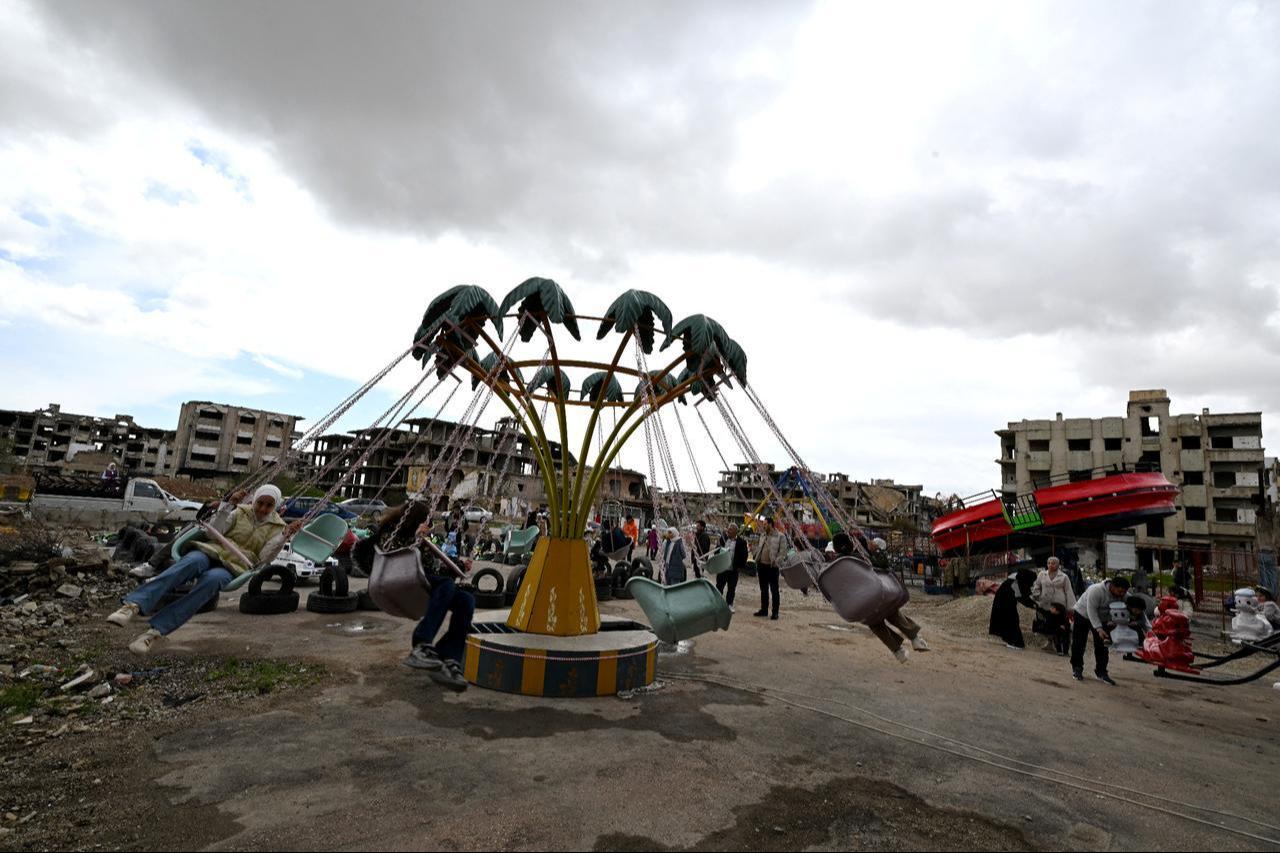

Even more strategic, however, is the matter of investment. Syria’s reconstruction and economic stability depend heavily on attracting foreign capital, particularly from the Gulf countries that have already pledged their support.
Last month, Sharaa went to Germany to advocate for investment in Syria. He said that Damascus was courting German investment and diaspora expertise as it launches a new economic program.
The Syrian government is seeking to improve economic conditions by signing international agreements, attracting investors and opening up to the international community following a devastating war waged by the ousted regime of Bashar al-Assad that lasted 14 years, from 2011 to 2024.
The Iran war could delay or halt this process when it comes to Gulf investments.
Governments and private investors in the Gulf may have to reprioritize their investments. Following the war, it is expected that Arab states will concentrate more on their domestic affairs and use their capital to enhance their nations’ security.
Many in the Gulf now understand that they cannot trust the United States with their security. Therefore, even projects that have already been discussed may be postponed until the broader strategic picture becomes clearer.
Given the stakes, the investment landscape is the main topic of conversation in Damascus, and a point of frequent inquiry for the president.
A source familiar with the meeting between Sharaa and Syrian civil society representatives noted that the president reassured those in attendance that several investment projects are already underway and will proceed without any delays.
The source did not clarify, however, whether Sharaa addressed the status of projects that have yet to break ground or those still in the negotiation phase.
Many prospective investment projects will likely be postponed or cancelled.
Such delays or, worse, cancellations would have political consequences for Syria.
The Syrian government’s strategy for consolidating authority and stabilizing the country relies not only on military control but also on economic normalization. Without visible improvements in living conditions and infrastructure, public frustration could grow. Conflict lines could manifest.


 Set as preferred source
 Set as preferred source


 1 min read
 1 min read