Newsletters


Iran and Oman held the first meeting of a joint committee on the Strait of Hormuz in Muscat on Monday, discussing current issues related to the waterway and its future management, Iranian Deputy Foreign Minister Kazem Gharibabadi said.
"During the trip to Muscat, the first meeting of the Hormuz Joint Committee was held with Abdulaziz Al-Hinai, Oman's Minister of State for Foreign Affairs," Gharibabadi wrote on X.
"While reviewing current issues related to the Strait, we exchanged views on the future management of the Strait within the framework of paragraph five of the Islamabad Memorandum of Understanding (MoU) and the sovereign rights of the coastal states," he added.
Gharibabadi, who serves as deputy foreign minister for legal and international affairs, said the meeting took place during his visit to Muscat with Al-Hinai, who is described as an ambassador-at-large at the Omani Foreign Ministry.
The talks mark the first meeting between Iran and Oman on managing the Strait of Hormuz since Tehran and Washington signed their preliminary agreement to end the broader Middle East war.
Both sides framed the discussion around Article 5 of the Islamabad Memorandum of Understanding (MoU), which addresses the strait's future administration, alongside the sovereign rights of coastal states bordering the waterway.
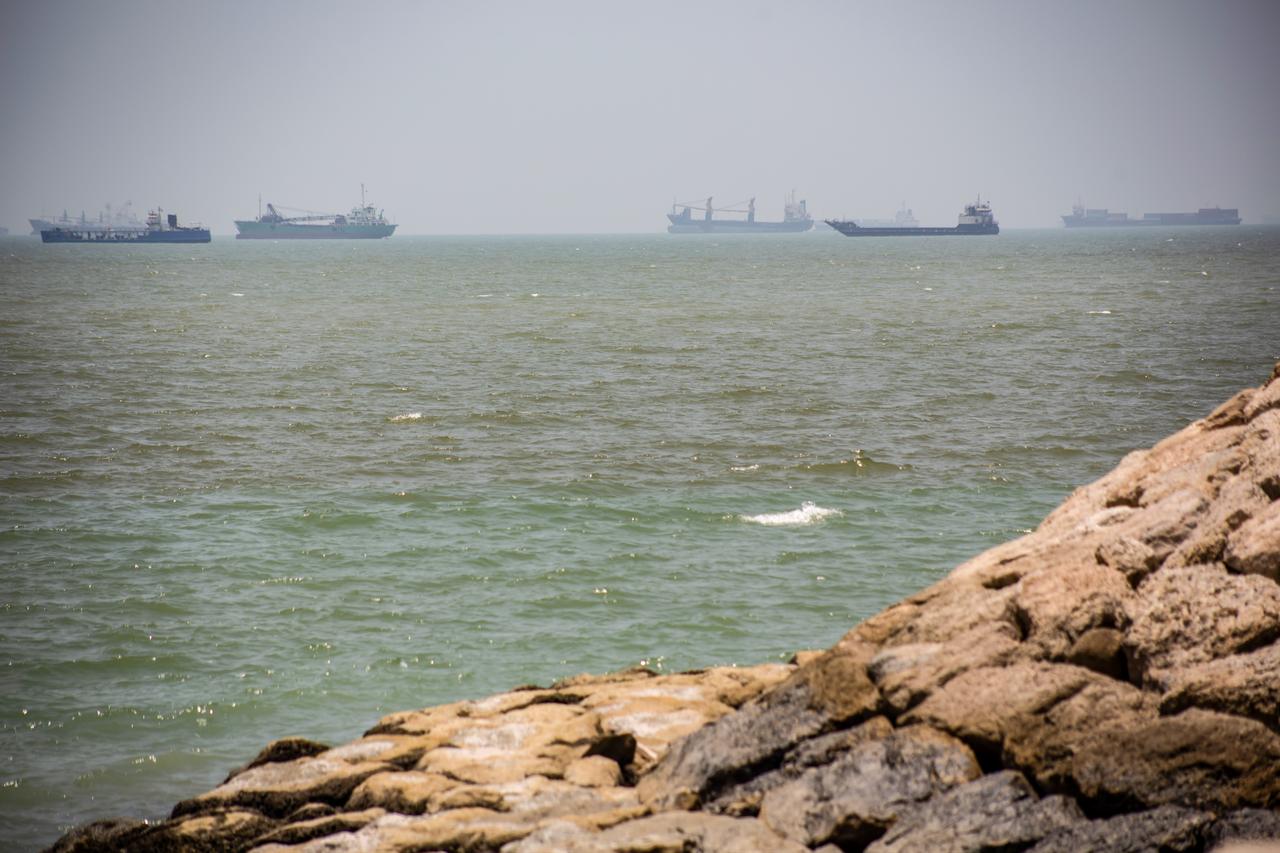

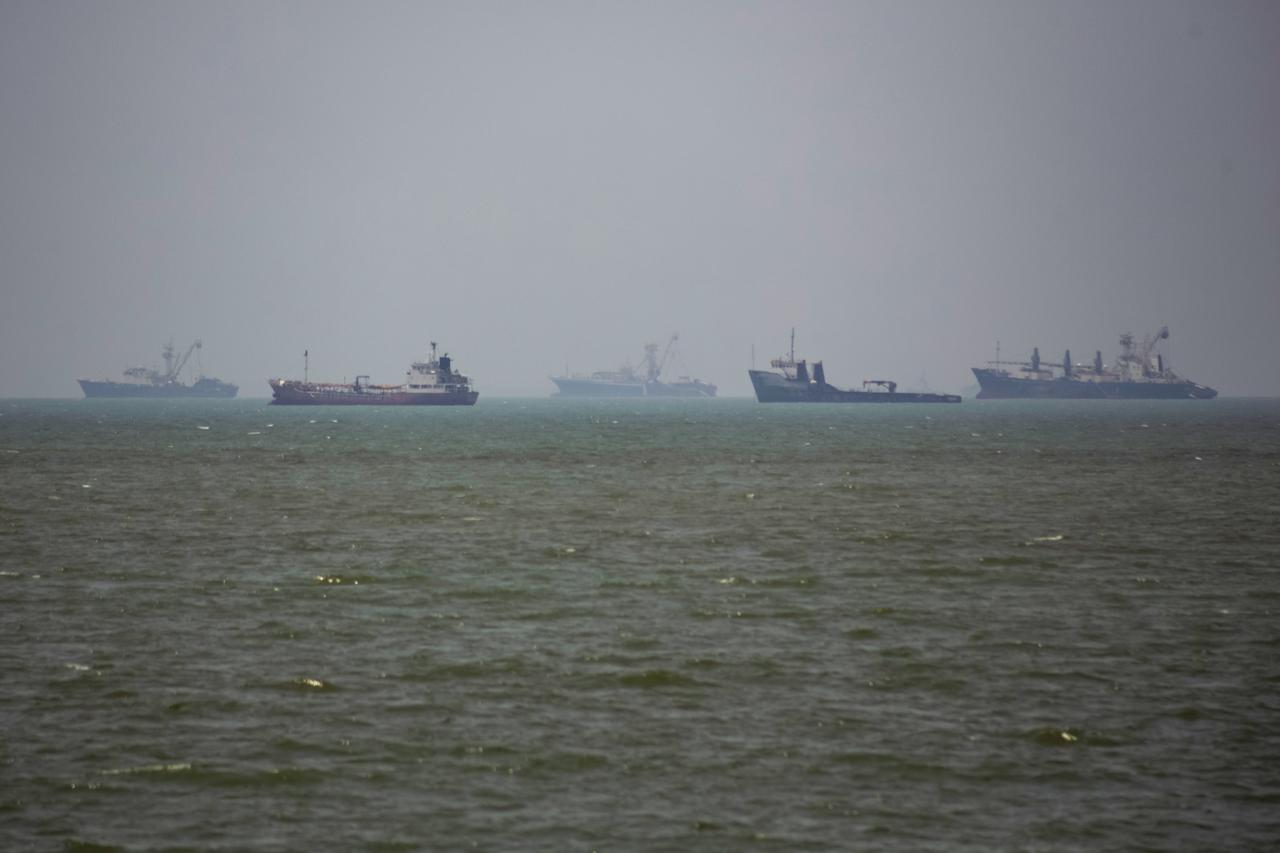
The diplomatic meeting came as commercial traffic through the strait continued at a reduced pace following attacks on two vessels that renewed concerns over the safety of one of the world's most important energy chokepoints.
Tracking data showed some open transits continued after a Singapore-registered container ship, the Ever Lovely, was damaged on June 25, and the Panama-flagged tanker M/T Kiku was struck on June 27.
The Maritime and Port Authority of Singapore said the Ever Lovely sustained minor damage to its bridge area from an unknown projectile while leaving the strait, adding that the vessel later completed its transit and that all 21 crew members were safe.
U.S. Central Command (CENTCOM) said Iranian forces struck M/T Kiku with a one-way attack drone while the tanker was sailing near the Strait, carrying over 2 million barrels of crude oil.
CENTCOM said it carried out additional strikes against Iranian targets in response.
 1 min read
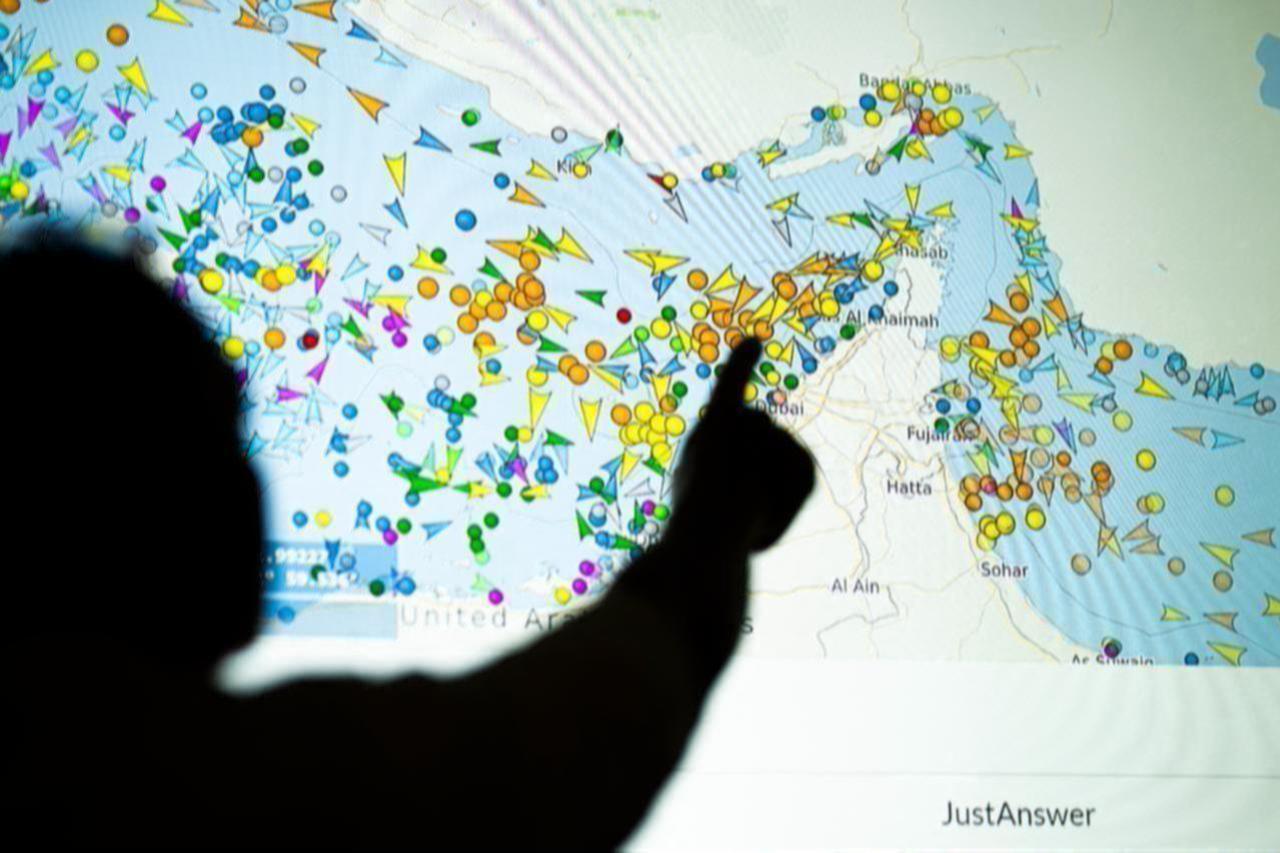
Despite the attacks, several vessels still moved through the waterway over the weekend, including empty very large crude carriers entering the Persian Gulf and loaded tankers leaving it.
A French-registered container ship, the CMA CGM Galapagos, exited the strait and later anchored off Muscat, according to maritime sources. The vessel had been among the ships trapped in the Persian Gulf since the conflict began in late February.
Tracking platform Windward reported that on June 27, 24 vessels transited inbound and 16 outbound through the Strait of Hormuz, 40 in total.
Inbound traffic was tanker-heavy, with 13 of the 24 vessels carrying Iranian-flag representation, including the Touskla, Dan, Hawk and Jairan.
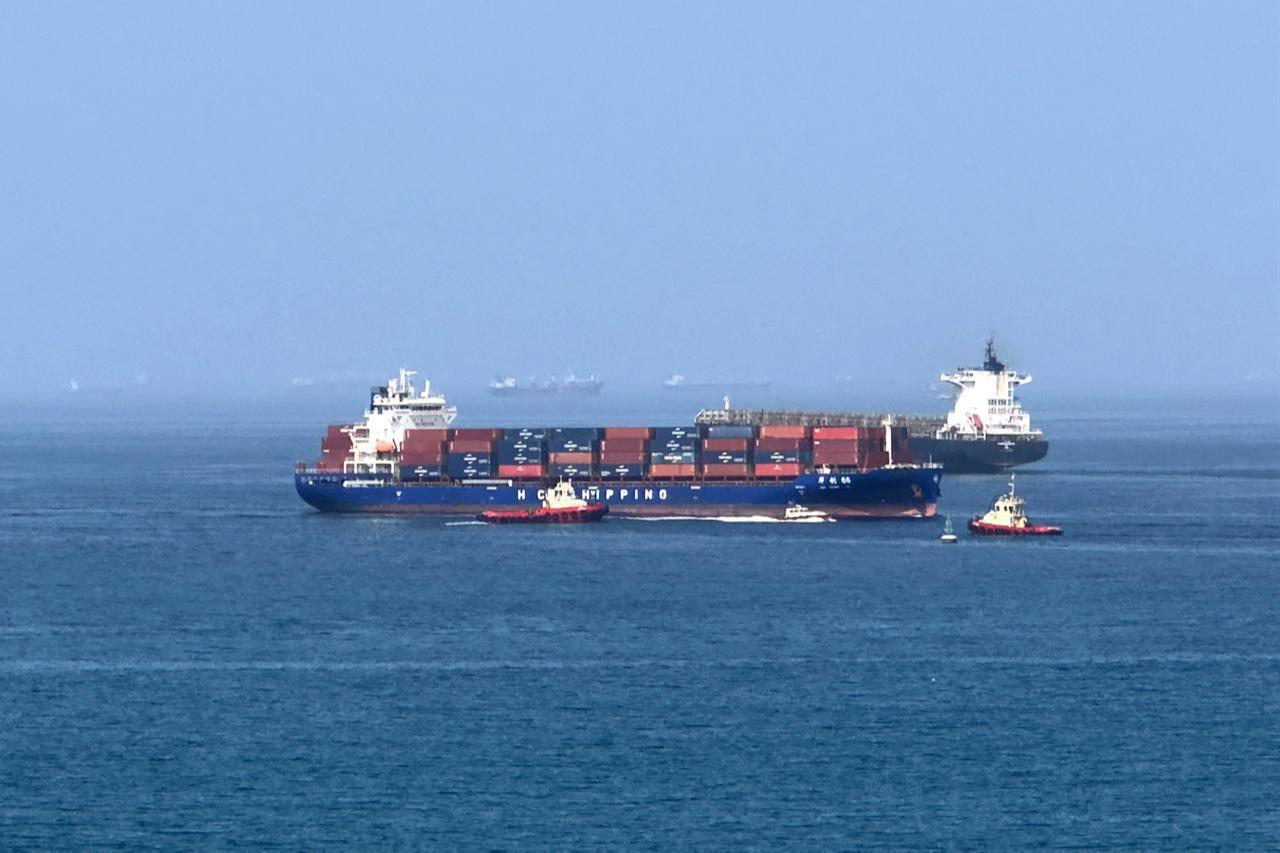
Outbound flow was dominated by the northern corridor, with roughly 4.1 million barrels of crude moving out aboard three laden tankers.
The movement of empty tankers into the Gulf remains important for regional energy producers seeking to restart exports after months of disruption.
Very large crude carriers are needed to load crude at Gulf terminals, and any hesitation among shipowners could slow the recovery of oil flows even as diplomatic talks continue.


 Set as preferred source
 Set as preferred source


 1 min read