Newsletters


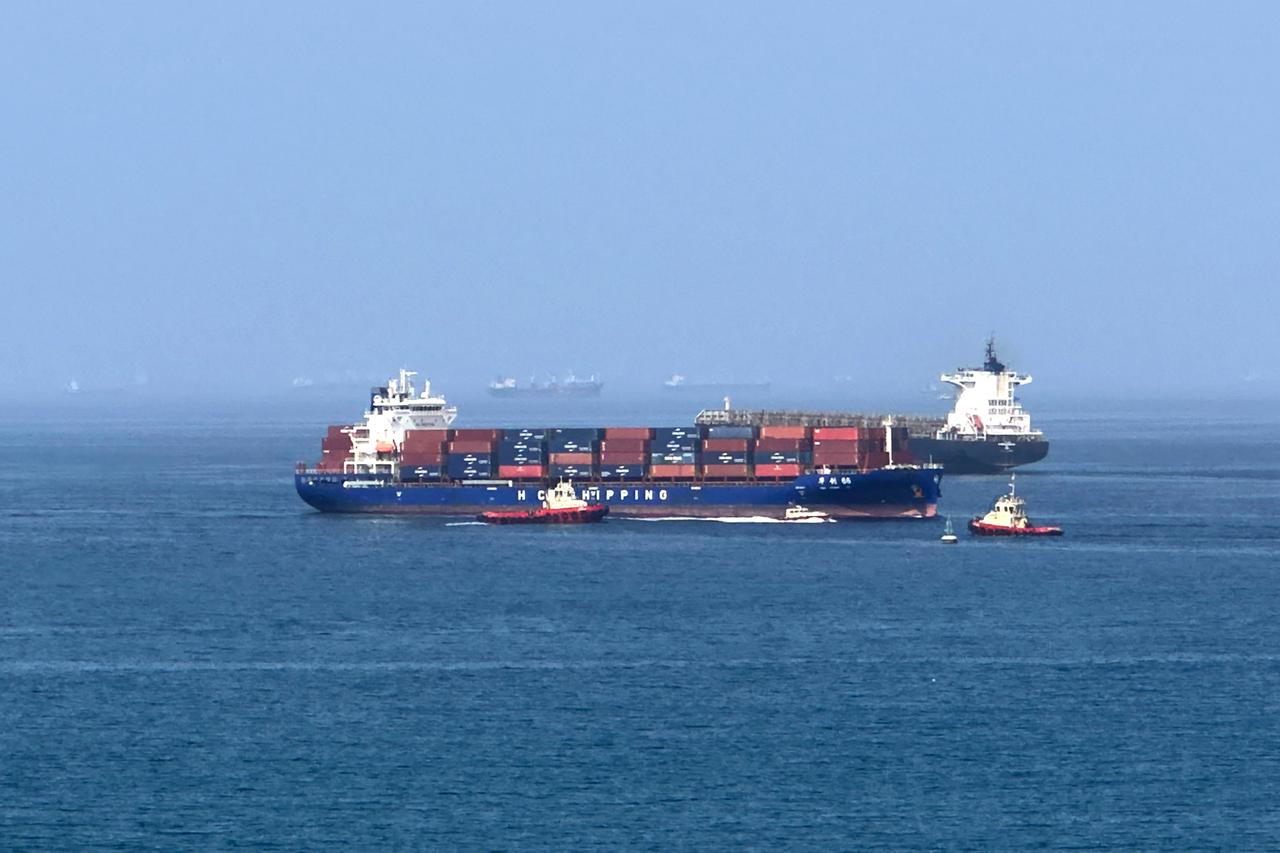


The United States and Iran have agreed to cease hostilities and resume talks in Doha on Tuesday, according to the report.
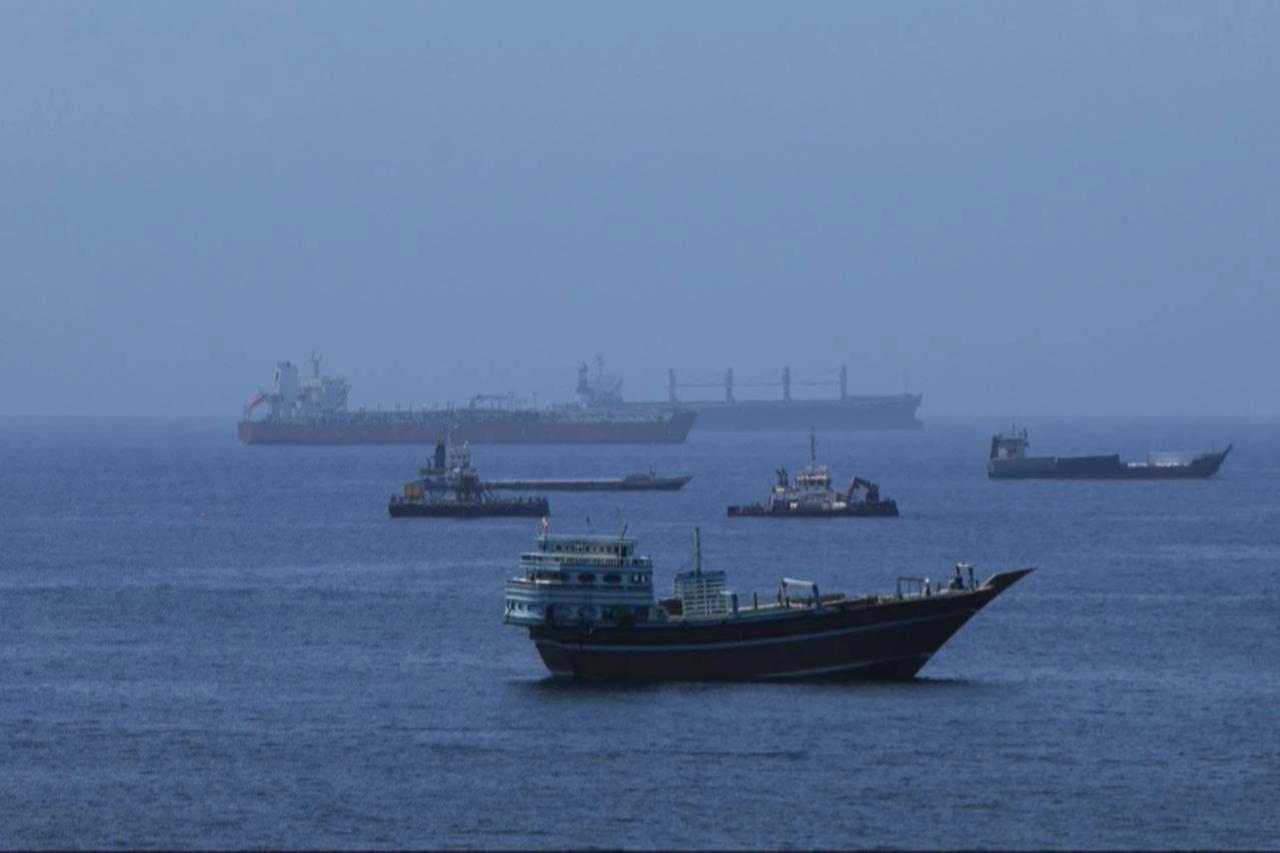
The meeting was moved from Switzerland, where negotiators had planned to discuss Iran's nuclear program, and will instead focus on the Strait of Hormuz.
The shift follows renewed fighting sparked by differing interpretations of the memorandum of understanding (MoU) that ended the recent conflict, particularly provisions governing navigation through the strategic waterway.
On Saturday, U.S. Central Command launched strikes on multiple targets in Iran after Tehran attacked a commercial vessel near the Strait of Hormuz. Iran's Islamic Revolutionary Guard Corps responded with missile and drone attacks targeting eight U.S. military sites in Kuwait and Bahrain.
A senior U.S. official told Axios that Washington had decided to halt military strikes and other attacks to allow negotiations to move forward.
Earlier on Sunday, The Wall Street Journal reported that U.S.-Iran negotiations had been put on hold after hostilities resumed. The talks had been expected to continue in Switzerland over the weekend before the renewed fighting derailed the process.


Under the June 18 memorandum, Iran agreed to reopen the Strait of Hormuz, clear sea mines and other military obstacles within 30 days, and facilitate the safe passage of commercial vessels, while the United States committed to gradually lift its naval blockade of Iranian ports over the same period.
During negotiations in Switzerland last week, U.S. Vice President JD Vance and the Iranian delegation agreed to set up a direct hotline between the U.S. military and Iran's Islamic Revolutionary Guard Corps (IRGC) to coordinate maritime traffic through the strait, Axios suggested.
However, the hotline had not become operational by Saturday, even as Iran resumed insisting that commercial vessels coordinate their passage through the waterway.
IRGC had earlier rejected claims that Tehran and Washington had established a direct communication line over the Strait of Hormuz, calling them "a complete lie" and insisting that no such arrangement existed.


 Set as preferred source
 Set as preferred source


 1 min read
 1 min read