Newsletters


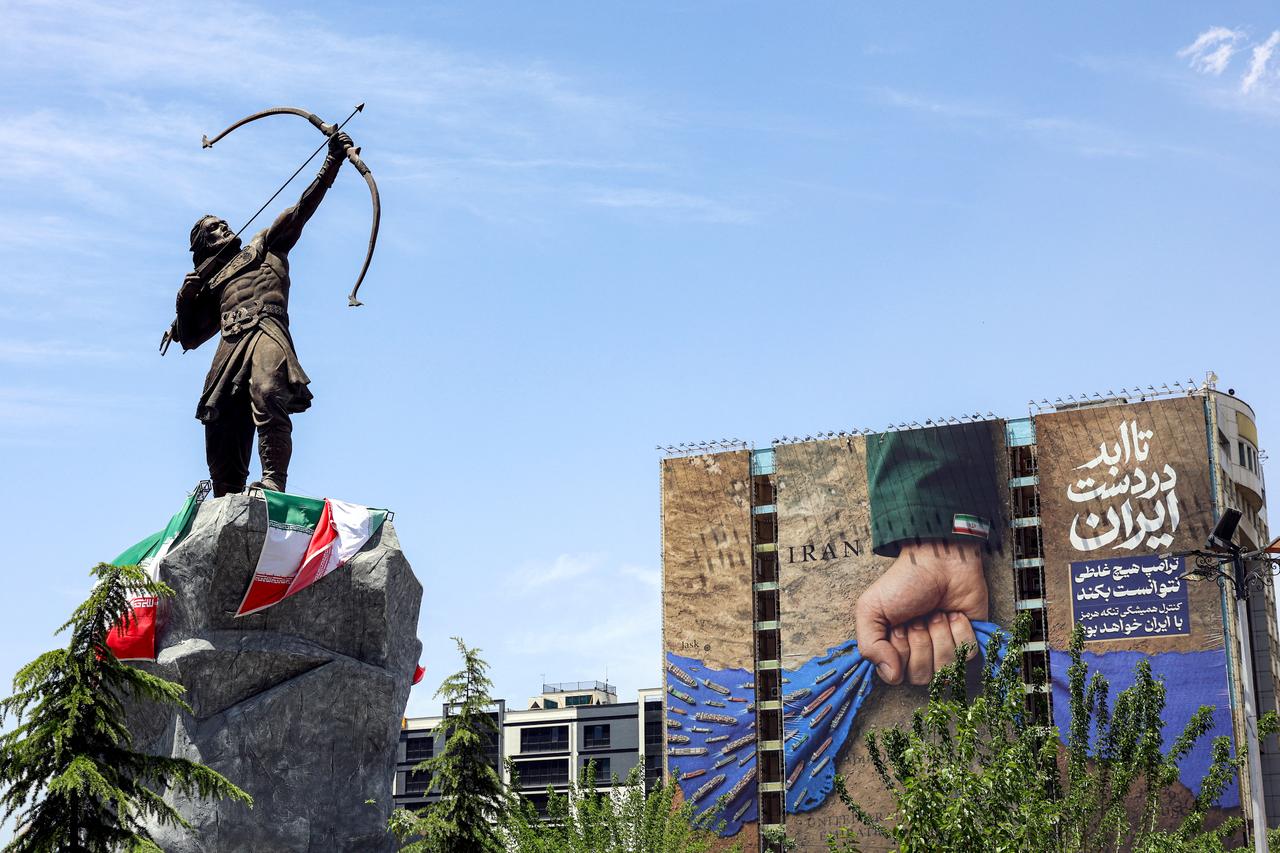


Iran is expected to hand over its response to mediators regarding the U.S. proposal on Thursday, according to the report, as diplomatic efforts intensified to end the war.
Tehran is reviewing the reported 14-point U.S. proposal, which Axios said takes the form of a memorandum of understanding covering Iran’s uranium enrichment, gradual sanctions relief, the release of frozen Iranian funds and eased transit restrictions through the Strait of Hormuz during a 30-day negotiation period.
A senior Gulf official familiar with the talks told CNN that progress had been made toward establishing a basic framework.
U.S. President Donald Trump indicated on Wednesday that progress in negotiations prompted Washington to pause plans to help guide stranded vessels through the Strait of Hormuz, one of the world’s most critical energy corridors.
Trump also wrote on Truth Social that the conflict could end and the Strait of Hormuz would reopen if Iran accepts the proposed terms, but warned that rejecting the deal would trigger renewed bombing "at a much higher level and intensity than it was before."
Later, speaking to reporters in the Oval Office, Trump said a deal with Iran to end the Middle East war is "very possible," citing "very good talks" over the past 24 hours, while stressing that any agreement would need to satisfy Washington.
The main obstacle to a lasting agreement remains Washington’s demand that Iran halt its nuclear program and transfer its stockpile of enriched uranium abroad.
Axios reported that negotiations over the proposed enrichment moratorium are centered on a period of at least 12 years, with one source saying a 15-year compromise is the most likely outcome.
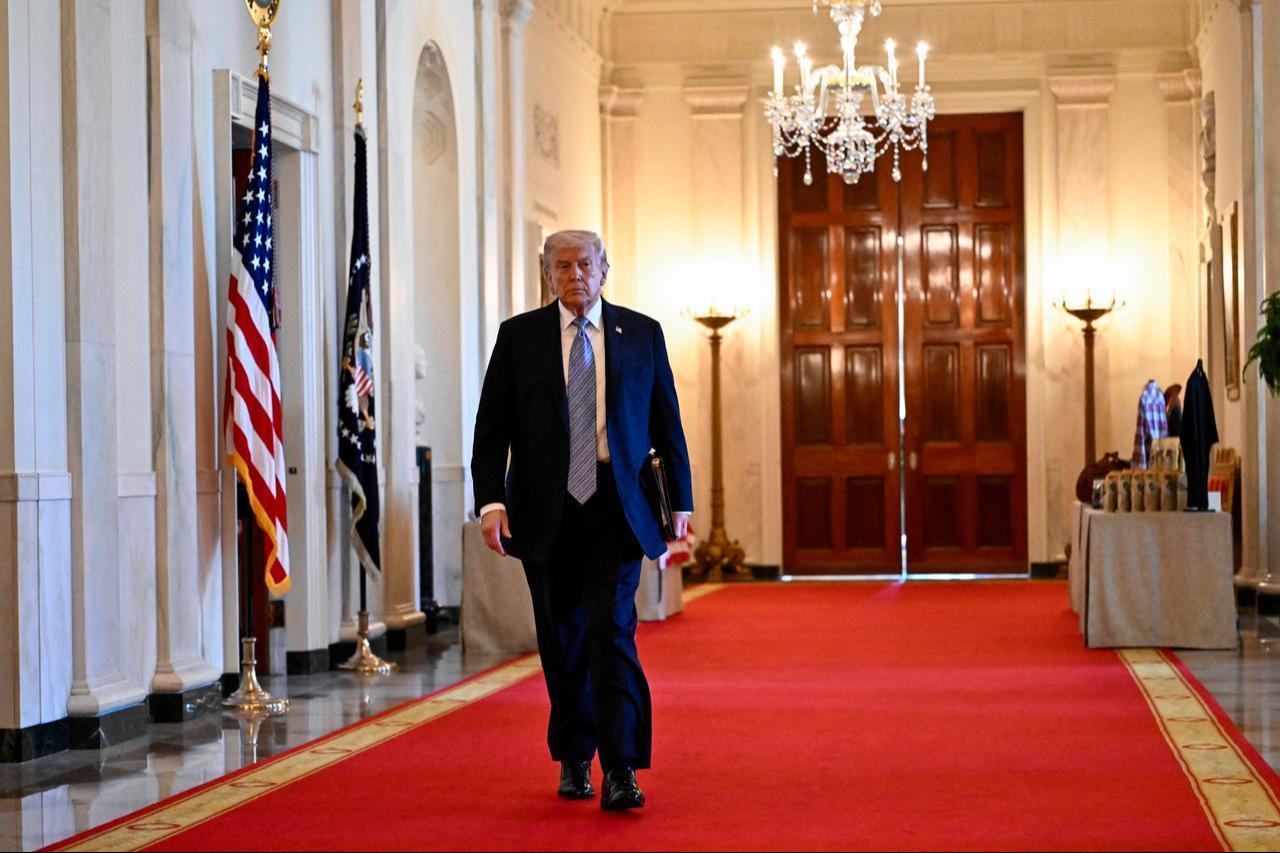

Despite signs of diplomatic movement, several Arab and American officials expressed concern over Trump’s repeated public attacks on Iranian leaders, warning that the rhetoric could complicate efforts to secure a lasting settlement.
Officials familiar with regional diplomacy told Politico that Tehran would likely need some form of political face-saving to justify any agreement domestically, particularly if the outcome leaves Iran militarily weakened.
"He badly wants this to end," a senior Gulf Arab official familiar with the negotiations noted about Trump. "But the Iranians are so far refusing to give him what he needs to save face and leave. And he does not seem to understand that they need to save face, too."
Trump has repeatedly targeted Iranian officials in recent weeks, calling them "crazy" and "mentally ill," while also threatening Iran’s "whole civilization." He has simultaneously insisted that the U.S. has already defeated Iran in the conflict.
White House spokesperson Kelly defended the administration’s approach, saying public remarks from Tehran often differed from private discussions.
"The president will only accept a deal that puts American national security first," she added.


 Set as preferred source
 Set as preferred source


 1 min read

 1 min read