Newsletters


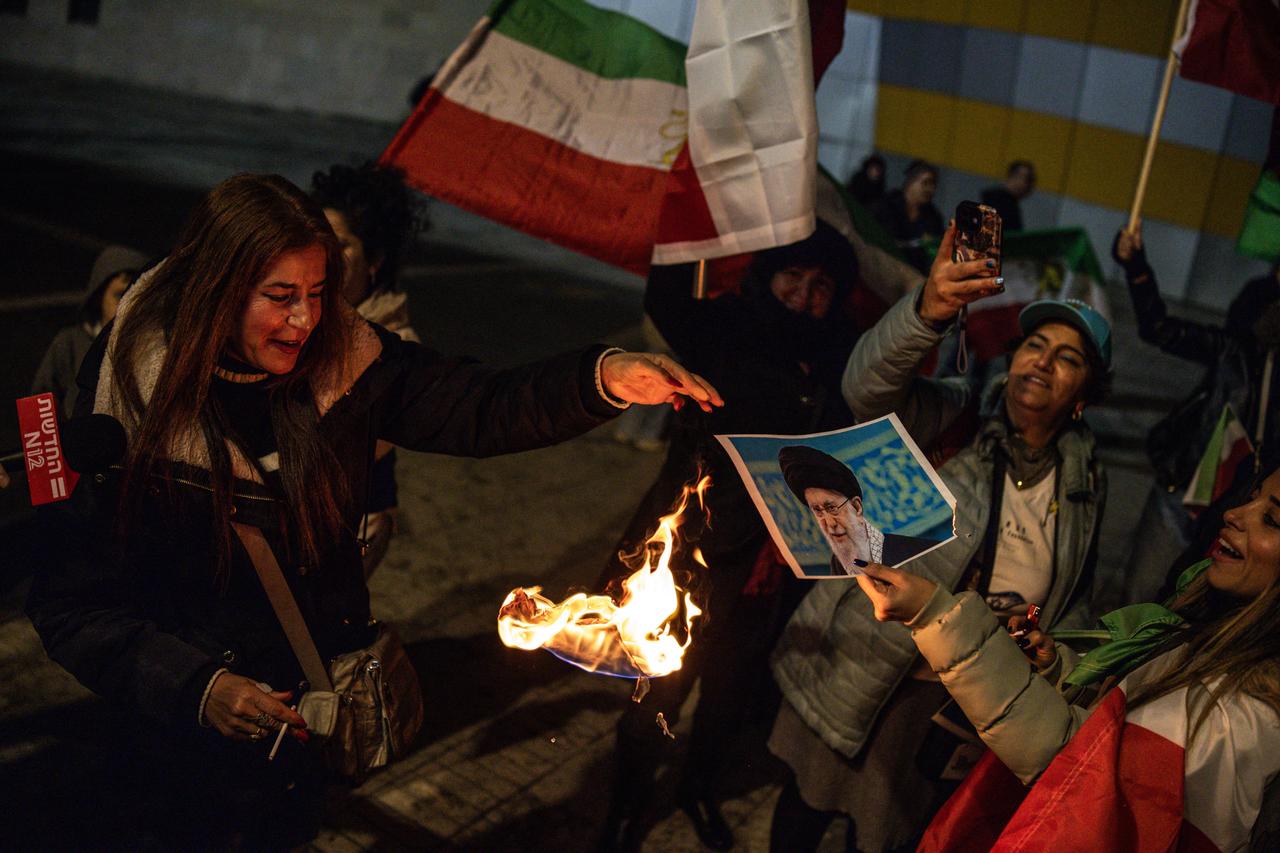


Iranian officials denied claims of planned executions of protesters as U.S. President Donald Trump warned of “very strong action,” while reports pointed to heightened military tensions and potential retaliation plans across the region.
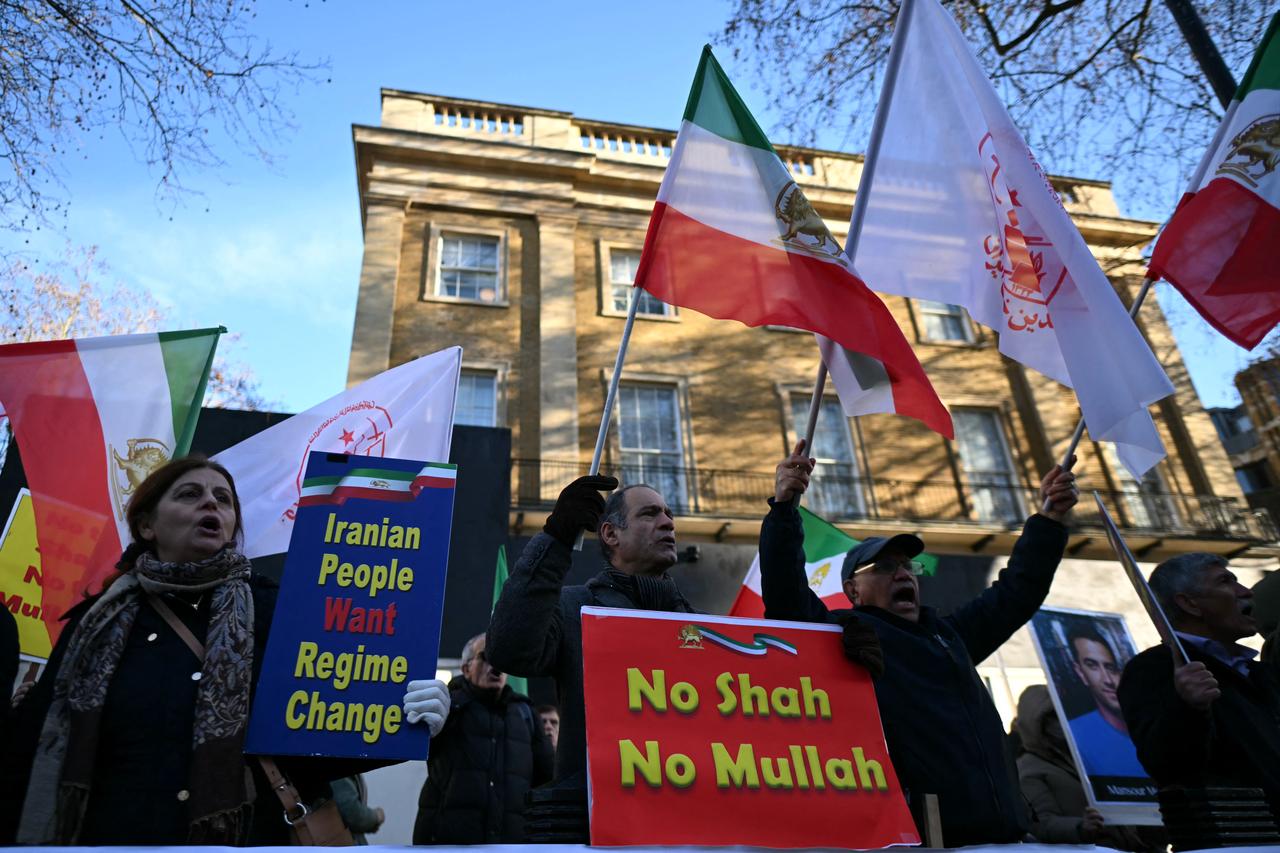
Iranian Foreign Minister Abbas Araghchi on Wednesday rejected allegations that Iranian authorities intended to execute protesters following weeks of unrest.
“There is no hanging, today or tomorrow… There is no plan for hanging at all,” Araghchi said in an interview with U.S.-based broadcaster Fox News.
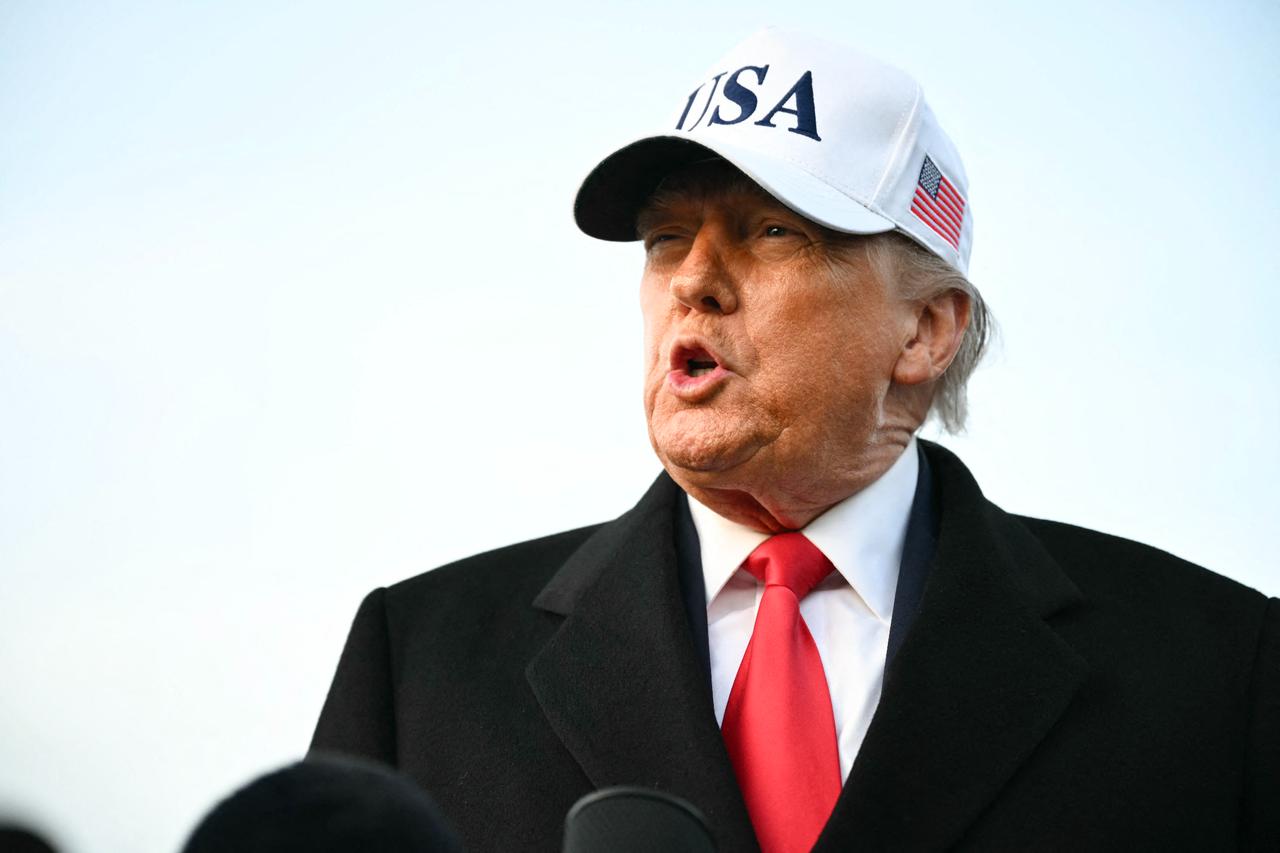
Trump said Tuesday that Washington would take “very strong action” if Iran carried out executions of protesters. U.S. officials have intensified rhetoric against Tehran amid protests that began late last month over worsening economic conditions.
Araghchi said calm had been restored and that the government was in “full control,” describing the unrest as part of what he called a “terrorism operation” linked to a broader conflict involving the U.S. and Israel.
He rejected reports claiming more than 12,000 deaths as “baseless” and said fatalities were in the “hundreds,” adding that official figures would be announced soon.
Iranian authorities have not released official data on casualties or detainees.
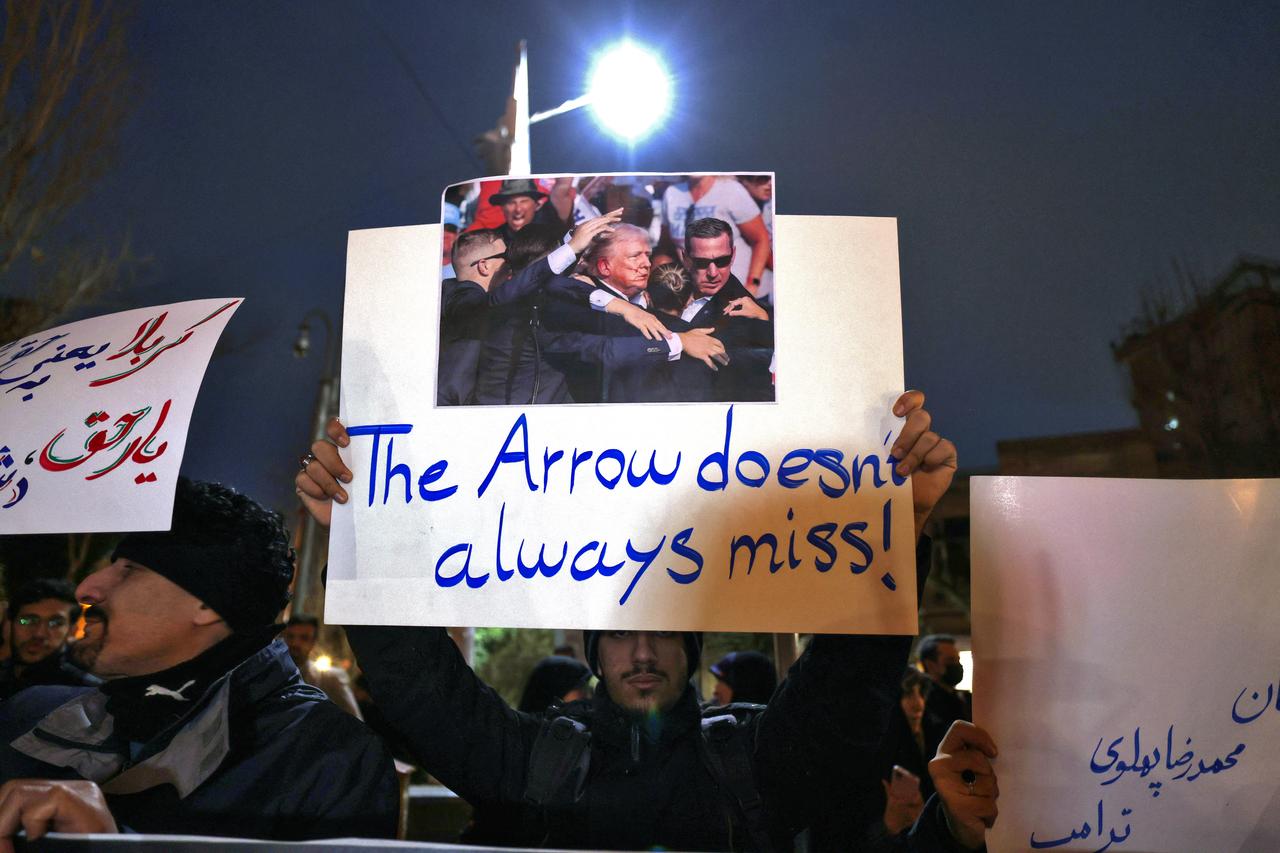

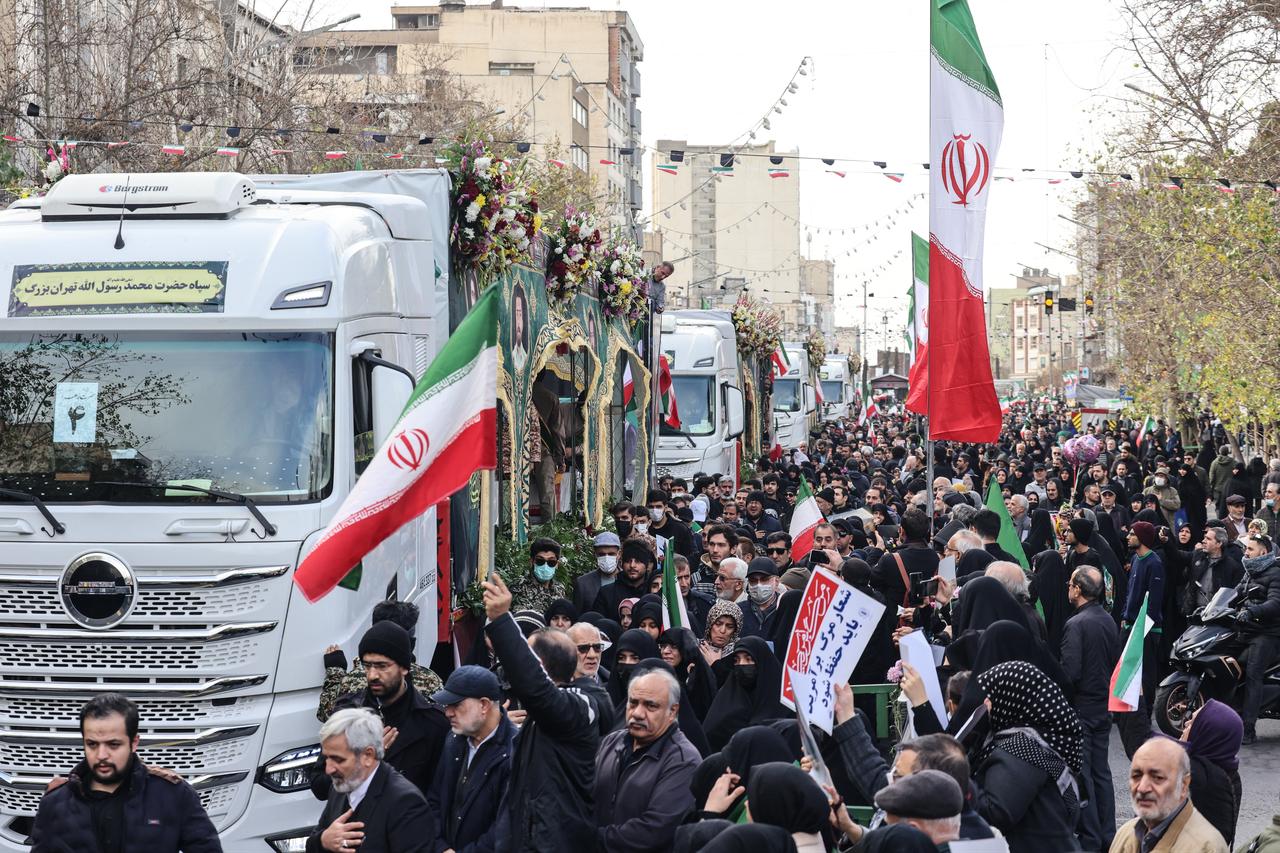
The U.S.-based Human Rights Activists News Agency (HRANA) reported that at least 2,615 people have been killed during the protests, with 2,054 injured and more than 18,470 detained.
The group said the figures include protesters and security personnel, though the data has not been independently verified.
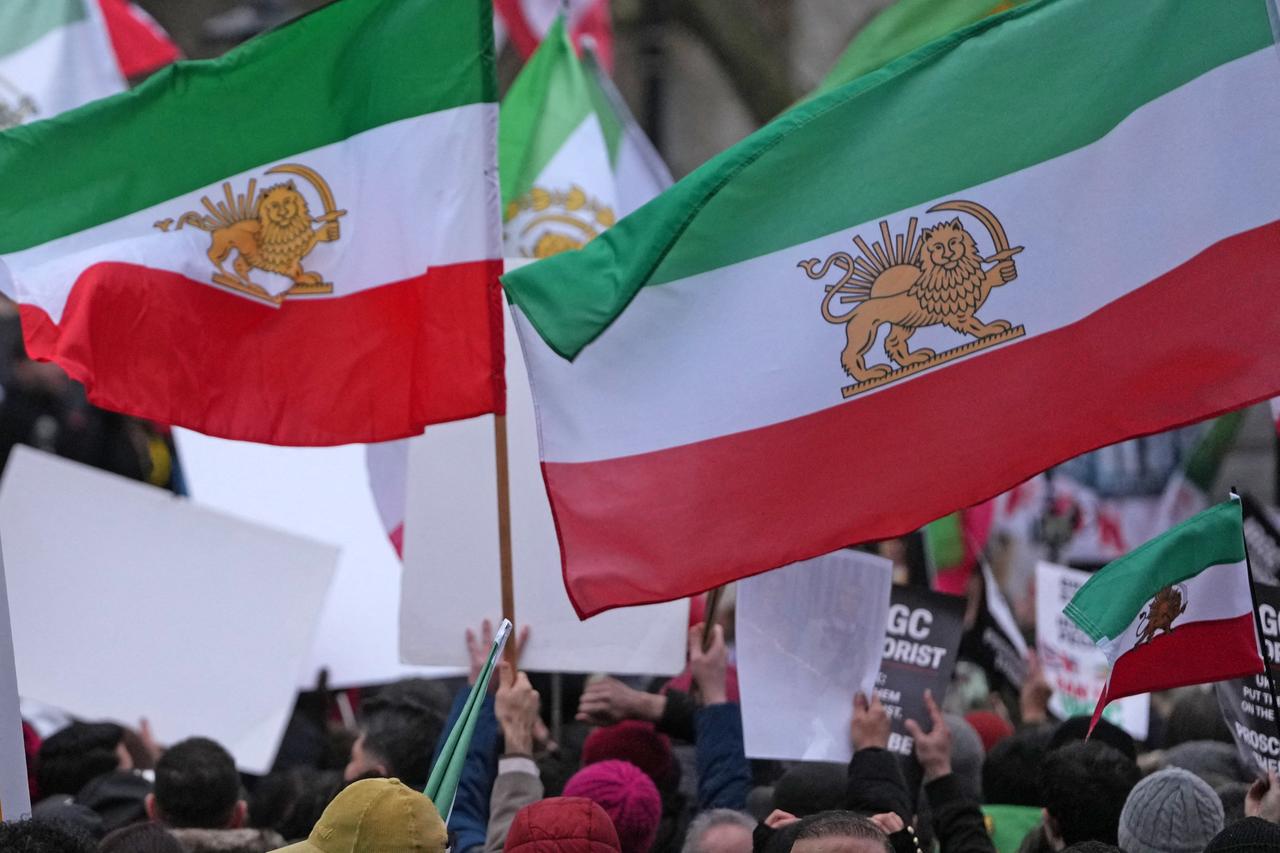
Protests began on Dec. 28, 2025, in Tehran’s Grand Bazaar following sharp currency depreciation and economic problems, later spreading nationwide.
Iranian authorities imposed internet restrictions after demonstrations intensified on Jan. 8.
According to U.S. officials cited by the New York Times, Washington’s military options against Iran remain constrained despite a range of proposals presented to Trump, including potential strikes on Iran’s nuclear program.
The report said U.S. naval firepower in the eastern Mediterranean has been reduced following the redeployment of the aircraft carrier Gerald R. Ford and other warships.
However, the U.S. Navy maintains missile-capable destroyers in the region, along with at least one missile-firing submarine.
Officials said other options under consideration include cyberattacks or strikes targeting Iran’s domestic security apparatus. Any operation would likely be days away and could prompt a “vigorous” Iranian response.
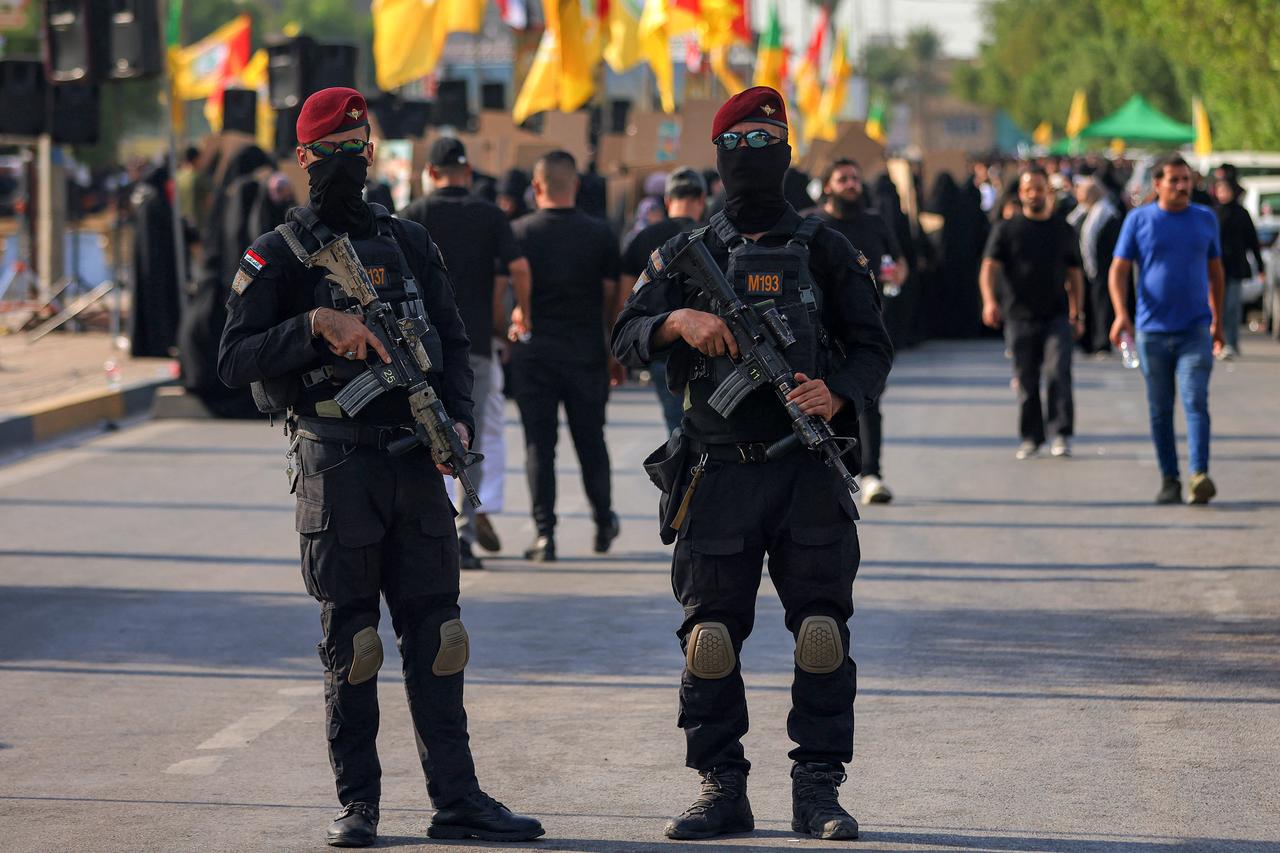
CNN reported that Iran has prepared potential retaliation plans targeting U.S. military facilities in Iraq and Syria if Washington proceeds with military action.
The report said Trump has come under pressure to act after setting what officials described as a “red line.”
U.S. Vice President JD Vance chaired a meeting of senior officials this week as internal debate continued over whether to launch a kinetic strike.
Officials said any action would avoid deploying ground forces and would not involve a prolonged campaign.
Amid fears of an attack, Qatar confirmed that some personnel departed from the Al Udeid Air Base. Britain was also reported to be withdrawing forces from the region, though no official confirmation has been issued.
Reuters, citing European and regional officials, reported that the U.S. could carry out military action against Iran within 24 hours, though uncertainty remains over timing and scope.
Western and Israeli officials said signals point to a possible strike, while noting that ambiguity may be part of Washington’s strategy.
Iranian officials have accused the U.S. and Israel of backing what they described as “riots” and “terrorism,” as tensions continue to escalate alongside the ongoing protests.


 Set as preferred source
 Set as preferred source


 1 min read
 1 min read