Newsletters


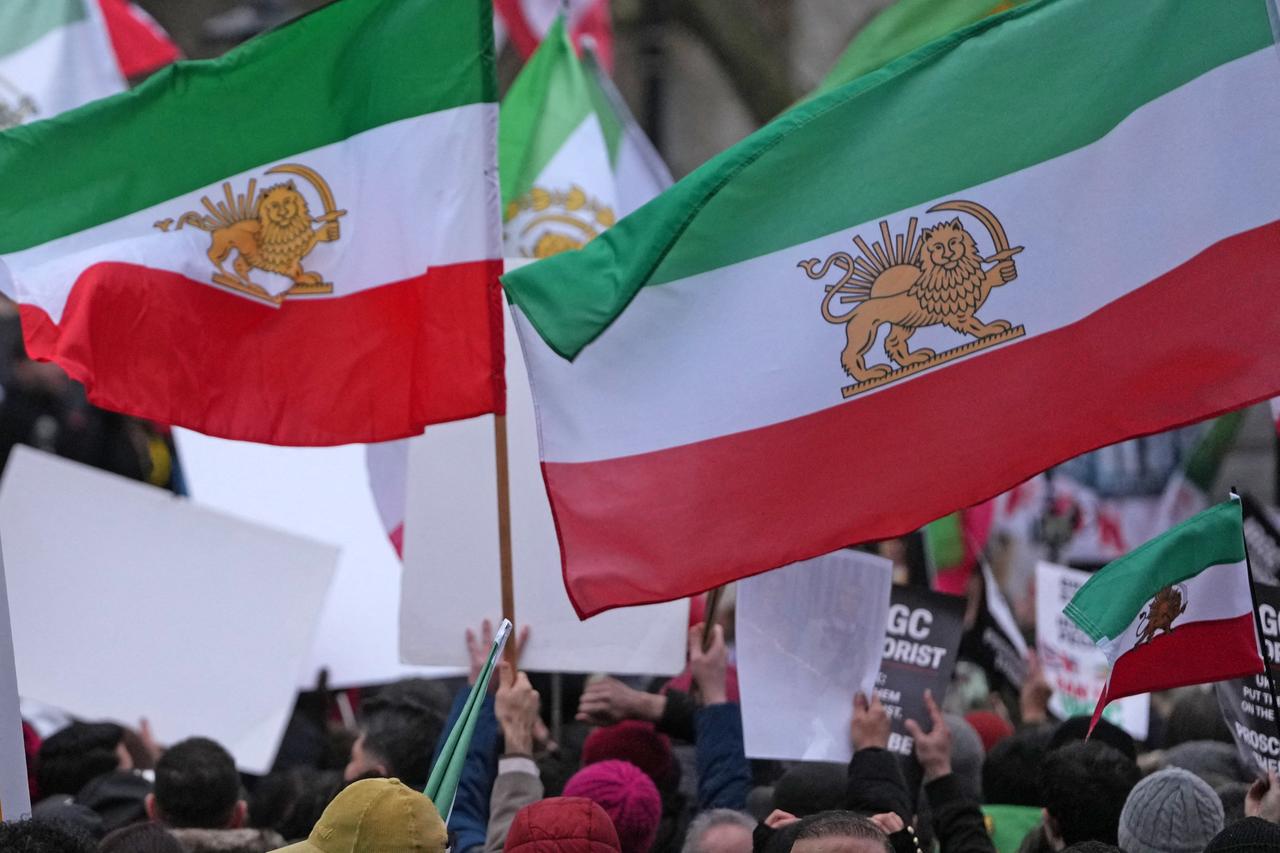


The late December 2025 protests in Iran erupted against the backdrop of a decades-long sanctions regime that has frozen assets, restricted access to markets and pushed Tehran to seek alternative pathways.
For more than 40 years, Iran has faced international sanctions linked to concerns including its nuclear and ballistic missile programs, support for terrorism, regional destabilization and human rights abuses.
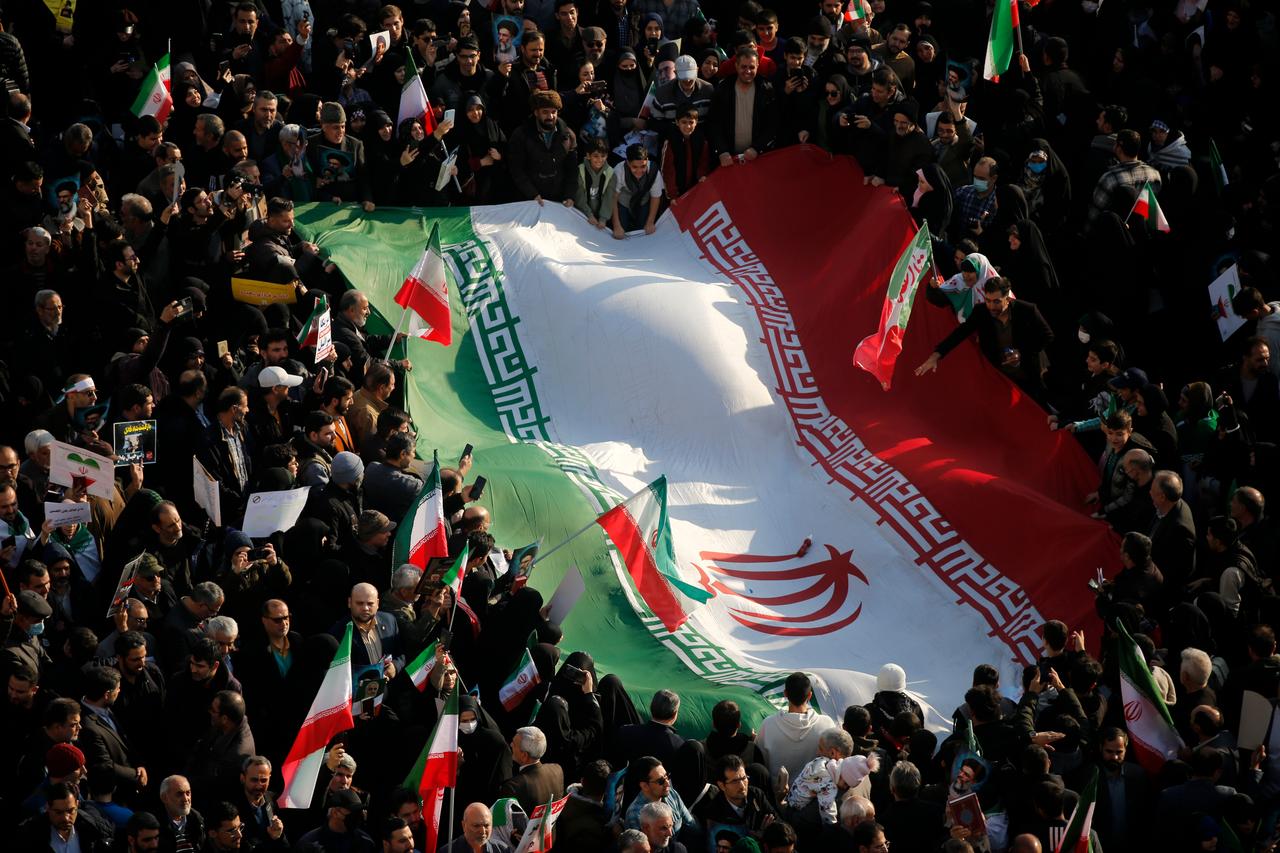
Protests started in Tehran before spreading to several cities, as President Masoud Pezeshkian acknowledged widespread public discontent.
Sanctions on Iran have targeted Iranian assets, trade, foreign assistance and arms sales, and expanded into sector-based measures affecting energy, finance and Iran’s Central Bank, as well as shipping, construction, mining, textiles, automotive and manufacturing.
They have also enabled designations of senior officials and core state institutions, including the Supreme Leader and the IRGC, according to the Congressional Research Service.
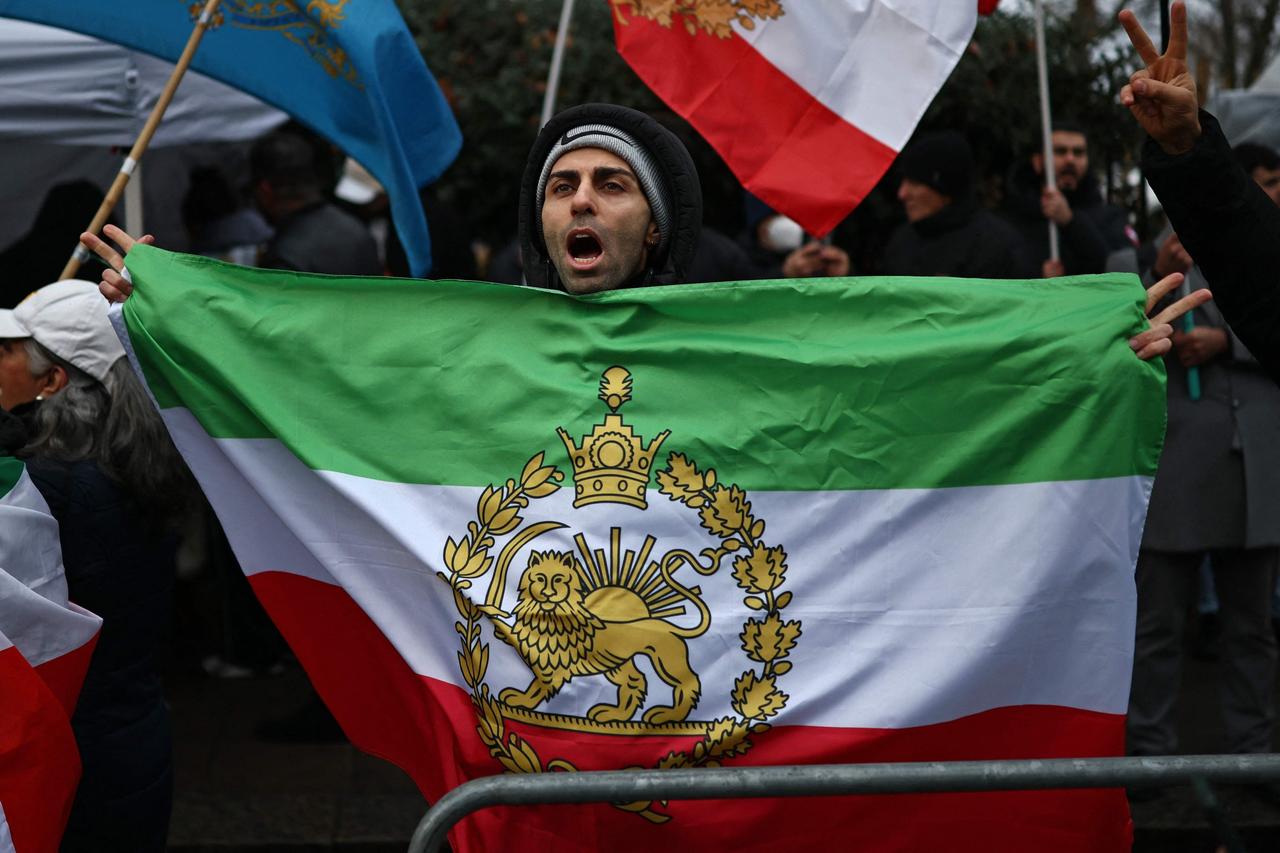

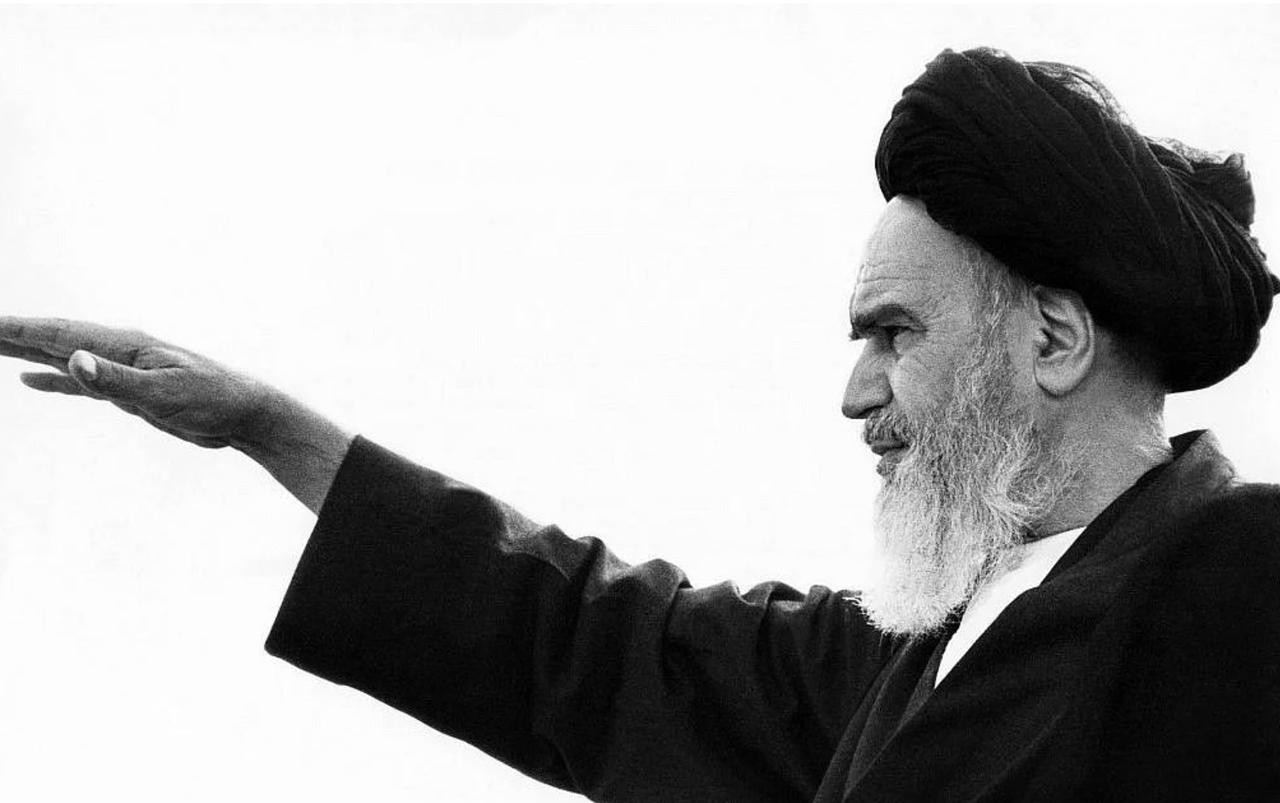
Sanctions imposed on Iran began in 1979, following the fall of the shah’s regime, Ayatollah Ruhollah Khomeini’s rise to power and the establishment of the Islamic Republic.
The United States imposed its first punitive measures in the aftermath of the hostage crisis, when Iranian student militants seized the U.S. Embassy in Tehran on Nov. 4, 1979, and took U.S. diplomats and staff hostage.
Former U.S. President Jimmy Carter, following those events, ordered the blocking of all property and interests in property of the Government of Iran, its instrumentalities and controlled entities, and the Central Bank of Iran.
In 1984, the Ronald Reagan administration designated Iran a state sponsor of terrorism, shifting sanctions from a crisis response into a permanent policy.
In 1987, the Reagan administration banned Iranian imports and restricted U.S. exports after ships in the Gulf were targeted during the Iran-Iraq war.
Congress expanded sanctions powers in the 1990s, authorizing measures targeting Iran’s proliferation activities beginning in 1992.
In 1995, President Bill Clinton imposed a trade and financial embargo, citing Iran’s pursuit of weapons of mass destruction, substantially tightening sanctions.
In 2002, President George W. Bush placed Iran in the “Axis of Evil” alongside Iraq and North Korea. In 2009, Washington, London and Paris announced they had discovered the Fordow facility, pushing Iran’s nuclear file to the forefront of international confrontation.
Between 2006 and 2010, the U.N. Security Council imposed multilateral sanctions specifically targeting Iran’s nuclear and ballistic missile proliferation activities.
The European Union implemented the U.N. measures and, since 2010, developed its own restrictive measures.
The EU’s sanctions extend beyond nonproliferation concerns to encompass measures for Iran’s human rights violations, support for terrorism and assistance to Russia’s war of aggression against Ukraine.
In 2015, Iran and the six powers reached a nuclear agreement under which Tehran agreed to curb its nuclear activities in exchange for sanctions relief.
A year later, the International Atomic Energy Agency said Iran was complying, prompting the United Nations and the European Union to lift most nuclear-related measures.
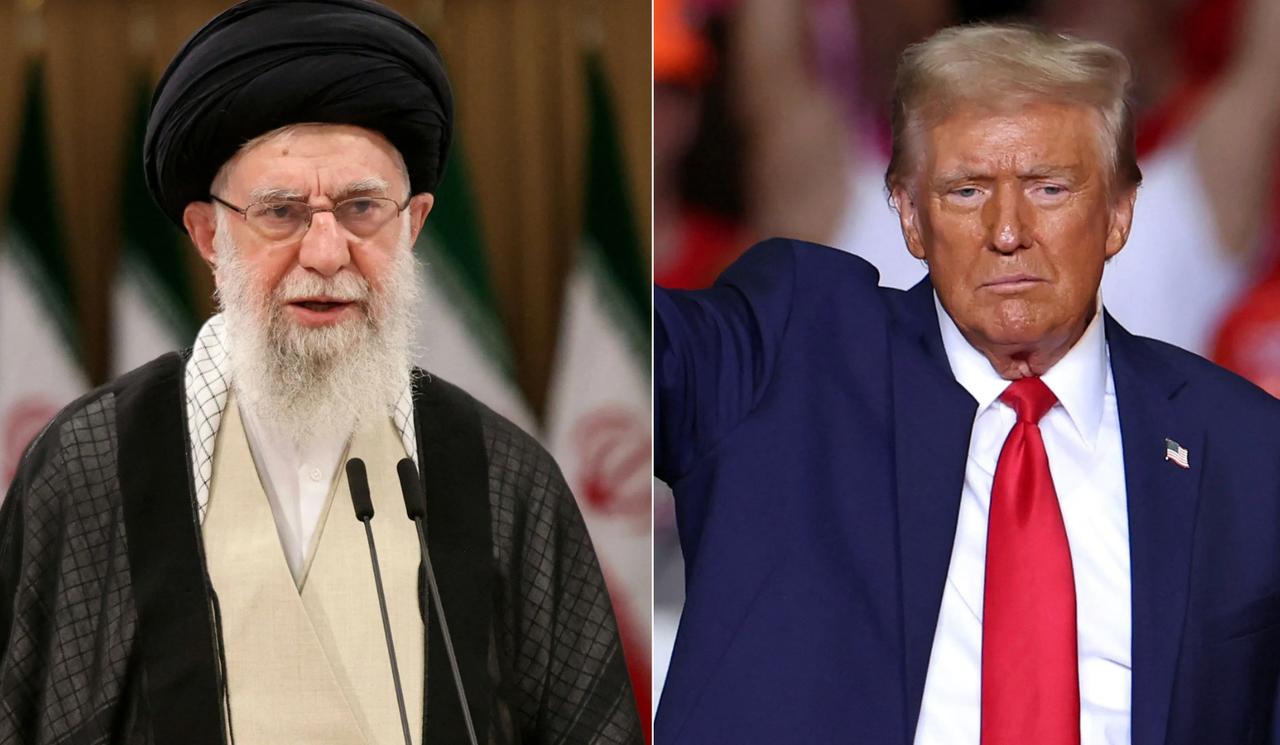
In 2018, U.S. President Donald Trump withdrew from the nuclear deal and launched a “maximum pressure” campaign, imposing sweeping restrictions on oil and shipping and tightening limits on dealings with Iran’s Central Bank.
From 2021 onward, President Joe Biden’s administration kept sanctions in place while pursuing indirect negotiations, holding six rounds of indirect talks that later stalled.
After the 2022 protests, additional U.S. and European sanctions were imposed on human rights grounds, and the EU expanded its package citing allegations that Iran supplied Russia with attack drones.
On Aug. 28, 2025, the European Union (France, Germany and the UK) moved to activate the snapback mechanism to reimpose sanctions.
The mechanism allows the U.N. Security Council to automatically reinstate previous sanctions lifted under the JCPOA if no alternative agreement is reached.
On Sept. 28, 2025, a set of U.N. sanctions was officially reimposed, including an arms supply ban and sanctions on entities and individuals linked to Iran’s nuclear program and ballistic missiles.
Petroleum Minister Mohsen Paknejad said the snapback mechanism “doesn’t directly discuss oil sales,” but addresses “commercial, financial, sales, and sea transportation.”
Across four decades sanctions continue to shape daily life inside Iran.


 Set as preferred source
 Set as preferred source


 1 min read
 1 min read