Newsletters




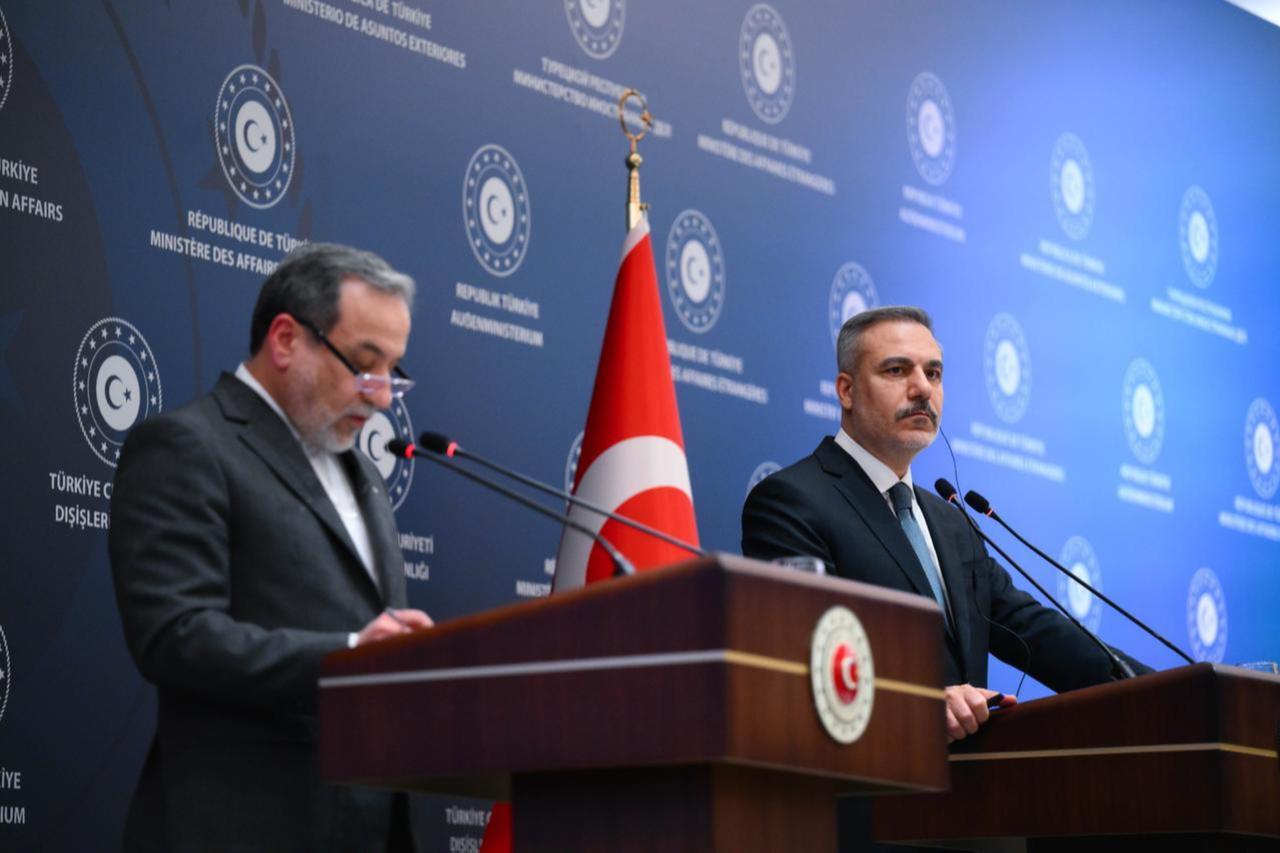
Iranian Foreign Minister Abbas Araghchi dismissed U.S. claims that 32,000 civilians were killed during protests in Iran, saying Tehran has already released official figures and demanding evidence to substantiate the higher estimate.
"If anyone disputes accuracy of our data, please share any evidence," Araghchi wrote on X, the U.S.-based social media platform.
The response came after U.S. President Donald Trump said Friday that 32,000 people were killed in Iran over "a relatively short period of time."
"You know, the people of Iran are a lot different than the leaders of Iran, and it's a very, very, very sad situation," Trump said, adding, "They better negotiate a fair deal."

Araghchi said Tehran had already fulfilled its "pledge of full transparency" by publishing an official list documenting 3,117 victims of what he described as "recent terrorist operations," including around 200 security personnel.
The Iranian Presidency Office announced on Feb. 1 that of the 3,117 people who died during the protests, 2,986 had been identified by name, while identification work continued for 131 others.
The Iran Martyrs and Veterans Foundation, citing the Forensic Medicine Institute, said in a Jan. 21 statement that 2,427 of those killed were security forces and civilians killed by "armed terrorist groups," while no information was provided about 690 others.
The U.S.-based Human Rights Activists News Agency (HRANA) announced on Feb. 15 that 7,015 people died in the protests, including 214 security personnel—more than double the official Iranian government figure but still far below Trump's claim.
Trump's figure of 32,000 deaths aligns with numbers put forward by Iranian opposition groups, which are much higher than most other estimates.
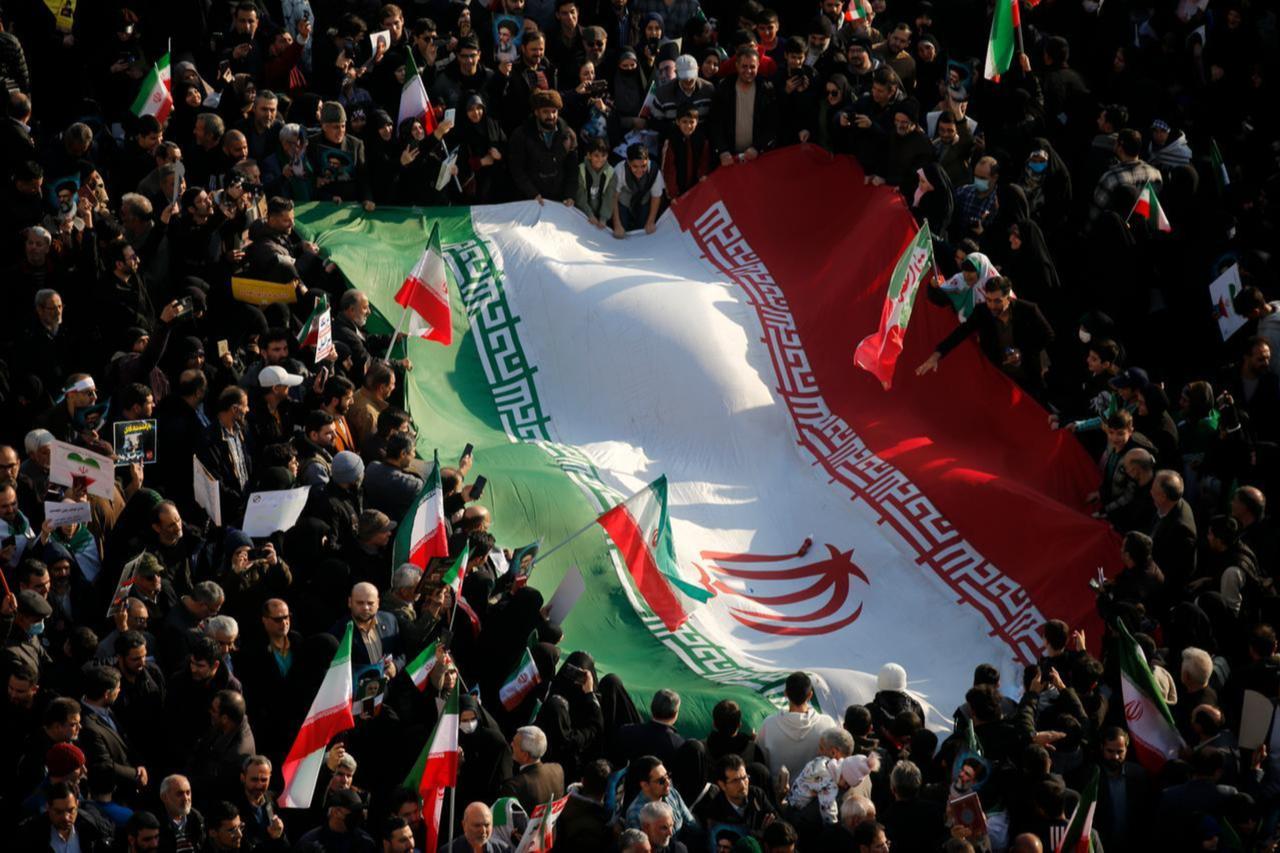
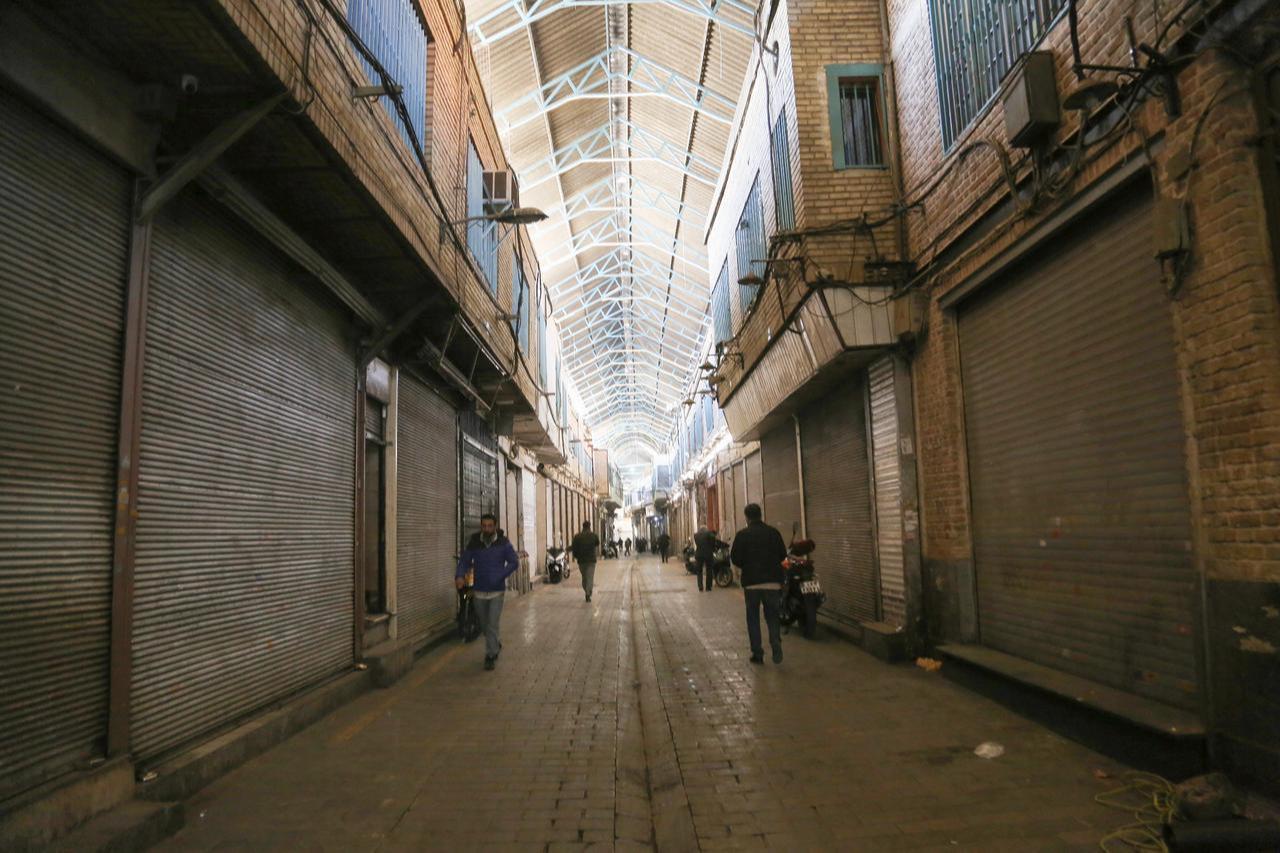
Protests began in Iran on Dec. 28, 2025, when shopkeepers in Tehran's Grand Bazaar demonstrated against the rapid depreciation of the local currency and deepening economic hardships.
The demonstrations quickly spread nationwide.
Protests intensified in Tehran on Jan. 8, prompting authorities to block internet access. Security forces intervened to suppress the protests on Jan. 8-9.
Iranian authorities accused the U.S. and Israel of backing what they described as "rioting" and "terrorism."


 Set as preferred source
 Set as preferred source


 1 min read
 1 min read