Newsletters




Iran has agreed not to produce or acquire nuclear weapons under a draft Memorandum of Understanding (MoU) with the United States, a senior Iranian official disclosed to Reuters on Sunday, providing a detailed public account of the terms under negotiation as Qatari mediators press for the agreement's finalization.
The official said the draft memorandum covers Tehran's nuclear program, the immediate reopening of the Strait of Hormuz, U.S. sanctions relief, and the release of $25 billion in frozen Iranian assets.
A final deal is to be negotiated within 60 days following both sides' agreement to the memorandum.
The U.S. government has not publicly confirmed or commented on the terms described by the Iranian official.
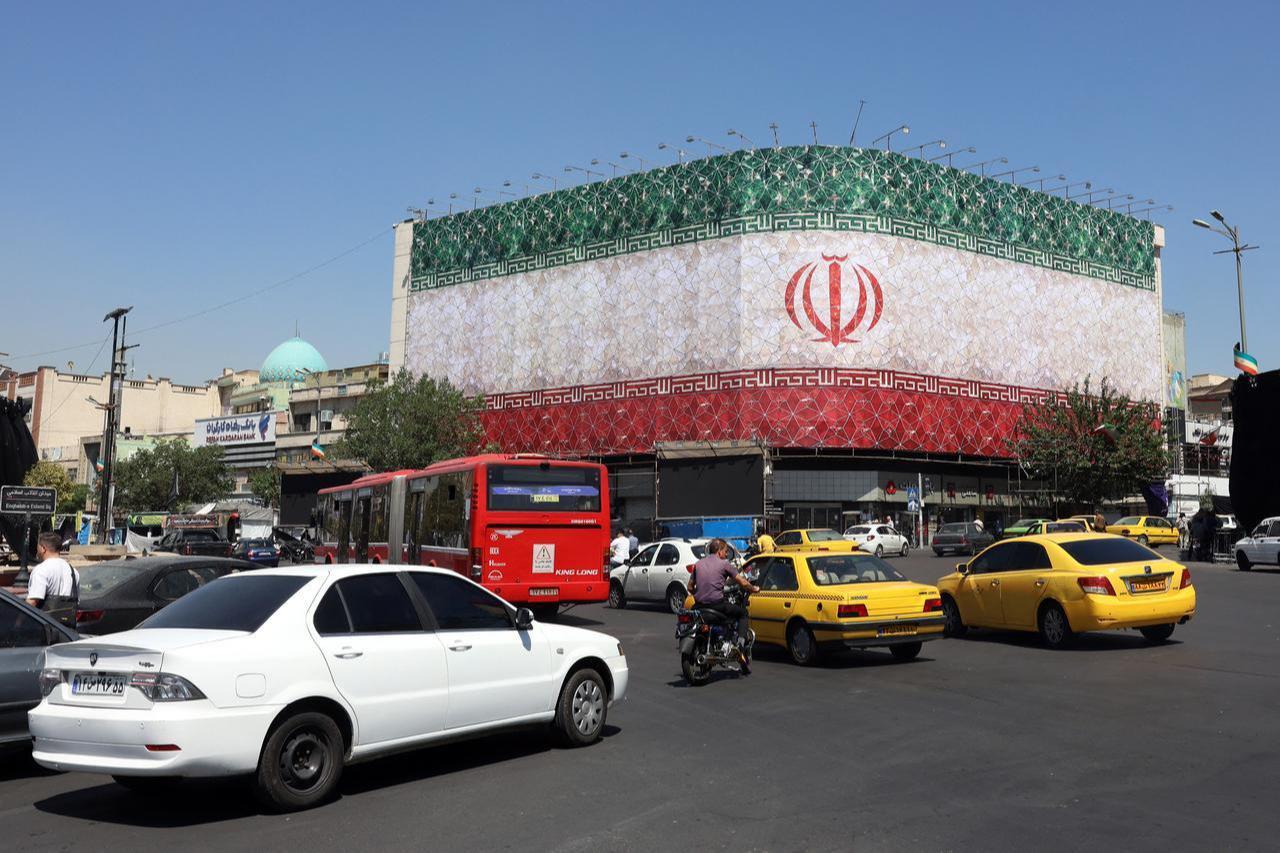

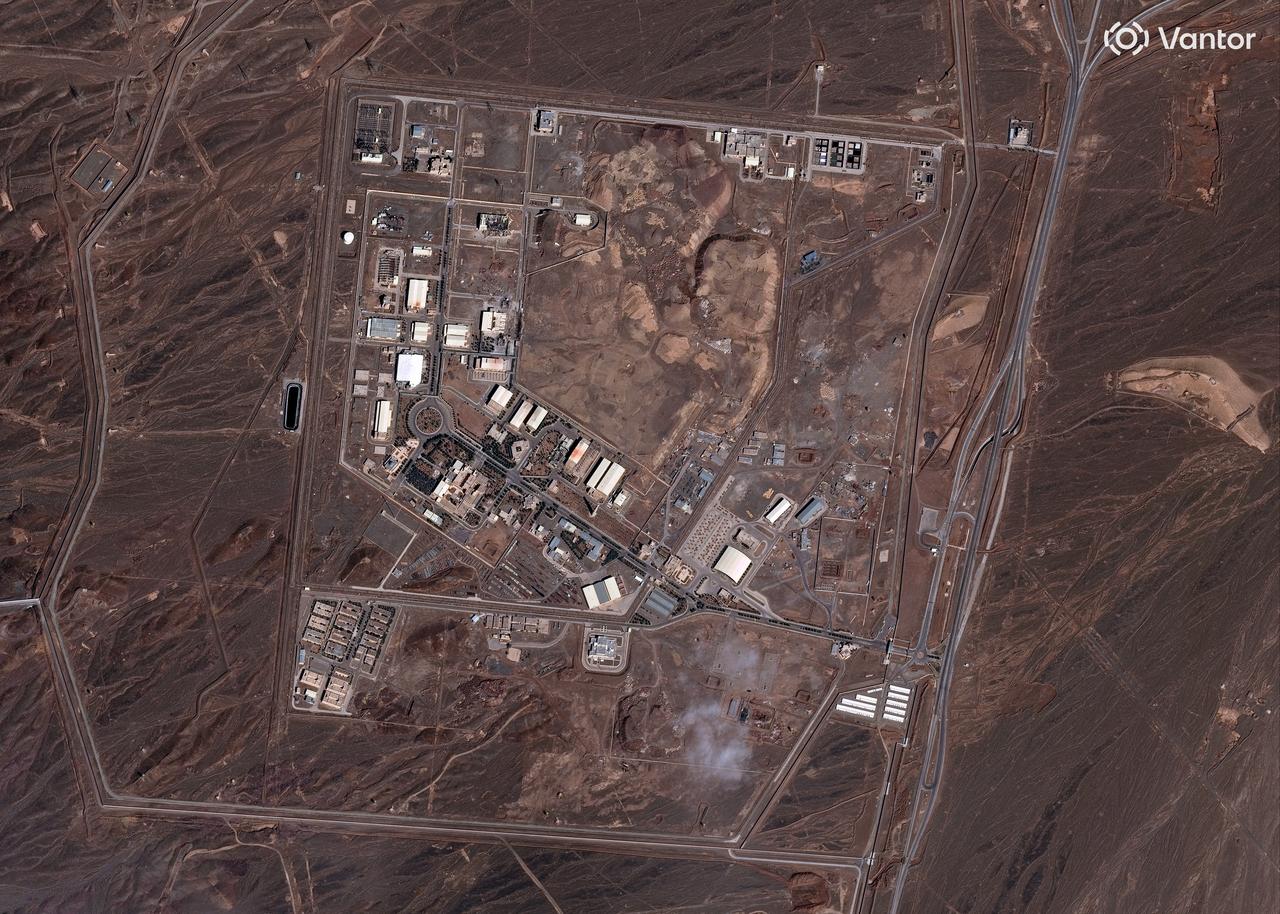
On the nuclear file, the draft memorandum commits Tehran to neither producing nor acquiring nuclear weapons while maintaining the current nuclear status quo until a final agreement is reached, meaning no uranium enrichment and no expansion of nuclear facilities, the Iranian official told Reuters.
Washington, under the terms described, agrees that Iran will dilute its highly enriched uranium stockpile inside Iranian territory, with the specific mechanism to be determined within the 60-day negotiating window following the signing of the memorandum.
On sanctions, the U.S. reportedly agrees not to impose any new measures on Iran until a final deal is concluded and to waive existing oil sanctions for a specified period, allowing Tehran to sell oil on international markets and retain the revenues.
The U.S. also agrees to release $25 billion in frozen Iranian assets through a combination of direct cash transfers, cooperation among regional countries, and financial credit lines, the official said.
"The U.S. agrees not to impose any new sanctions on Iran until a final deal is reached," the official said.
A central provision of the draft memorandum addresses the Strait of Hormuz, the narrow waterway through which roughly a fifth of the world's oil supply transits.
Under the terms described, Iran would immediately reopen the strait to all commercial vessels upon the memorandum's entry into effect, while the United States would simultaneously lift its naval blockade on Iranian ports.
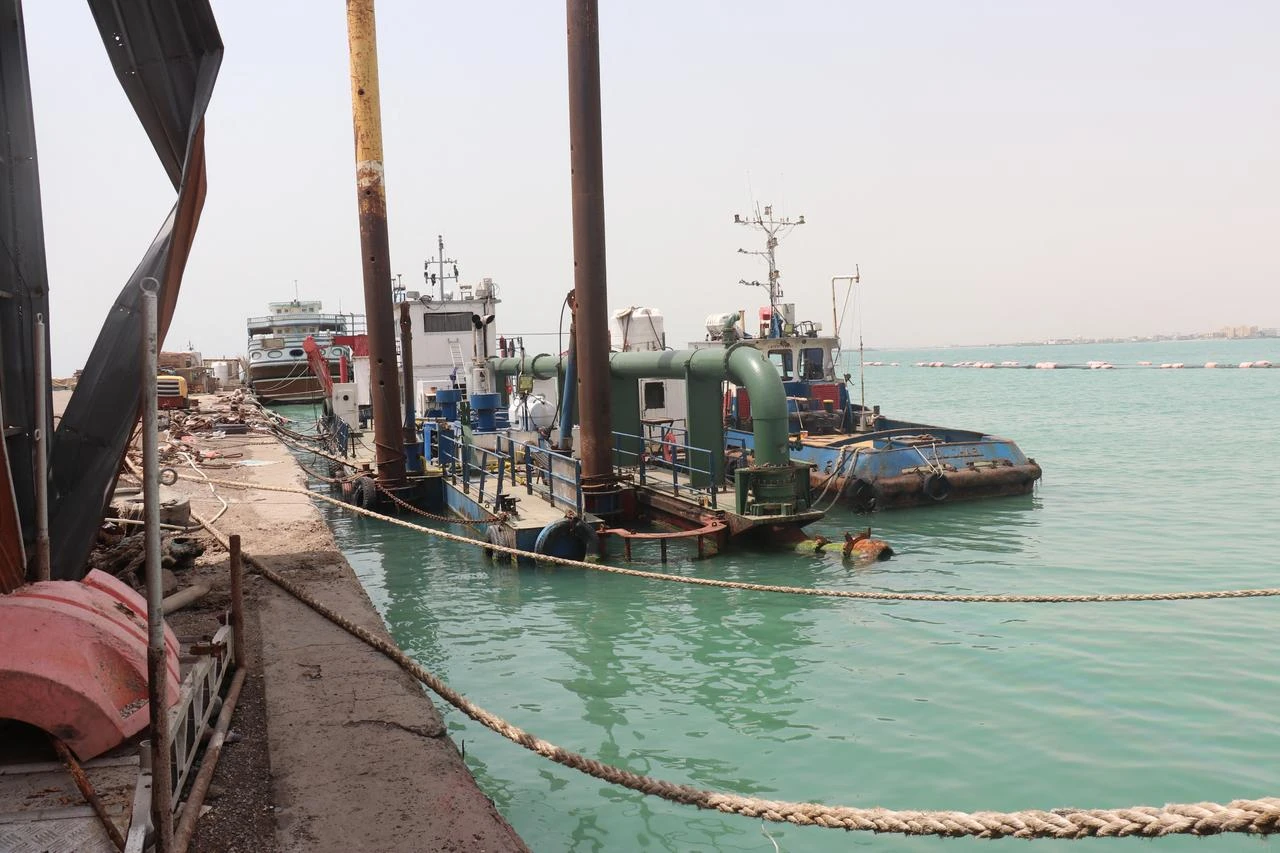
The Strait of Hormuz has remained closed to commercial shipping since the outbreak of hostilities, contributing to a significant disruption in global energy markets.
U.S. President Donald Trump said earlier Sunday that a peace deal with Iran was scheduled to be signed that day and that the strait's reopening would follow.
The disclosure of the memorandum's terms came as a Qatari delegation, headed by an adviser to the Qatari prime minister and foreign minister, arrived in Tehran on Sunday in coordination with the United States to help facilitate finalization of the agreement, according to a source with knowledge of the situation who spoke to CNN.
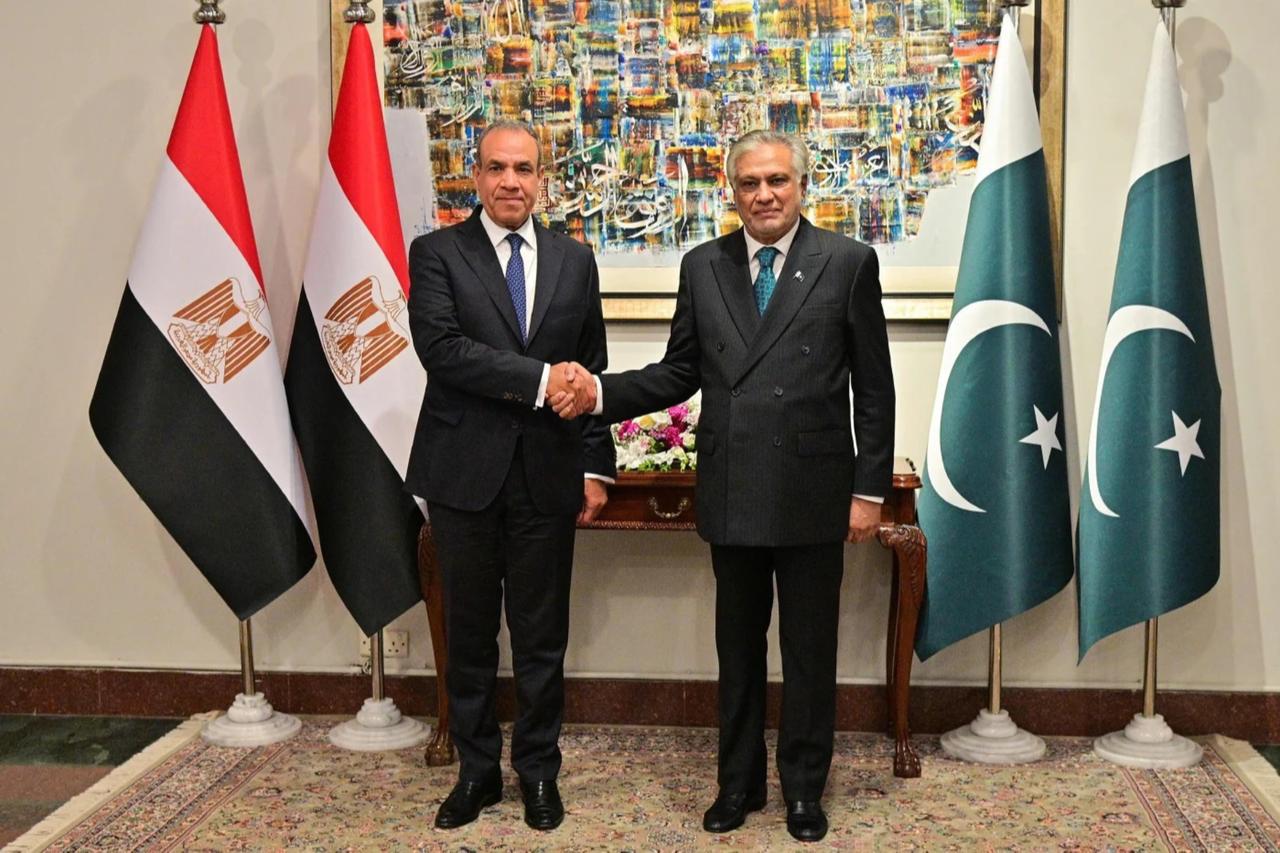
The agreement, if concluded, would mark a formal endpoint to hostilities that began when U.S. and Israeli strikes on Iran commenced Feb. 28 and led to a Pakistan-brokered ceasefire on April 8.


 Set as preferred source
 Set as preferred source


 1 min read
 1 min read