Newsletters


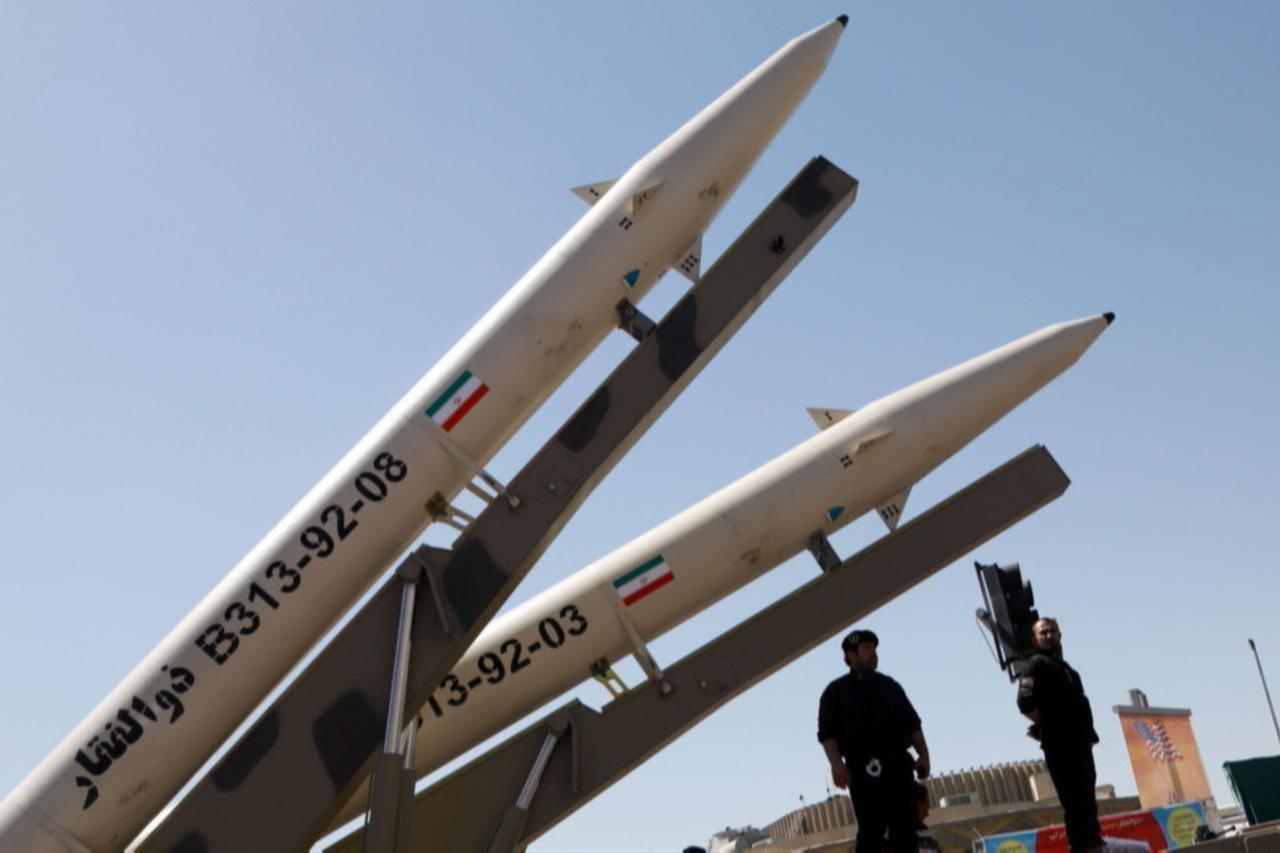


Israeli officials reportedly expressed concern over the emerging U.S.-Iran cease-fire agreement over the weekend, questioning whether Washington would be able to use the deal to compel Tehran to remove or significantly dilute its stockpile of enriched uranium.
According to a report by Israeli newspaper Haaretz on Saturday, citing an unnamed official, Israel had limited influence over the decision-making process that brought the negotiations to their current stage.
The official reportedly said it remains unclear whether the emerging agreement adequately addresses key issues that featured prominently among Israel's war aims, particularly curbing Iran's ballistic missile program and severing ties between Tehran and Hezbollah.
Haaretz also reported that Israeli officials are concerned about the proposed timeline, warning that the 60-day period allocated for negotiating a permanent arrangement governing Iran's enriched uranium stockpile could work to Tehran's advantage by allowing it to engage in diplomatic maneuvering during the interim period.
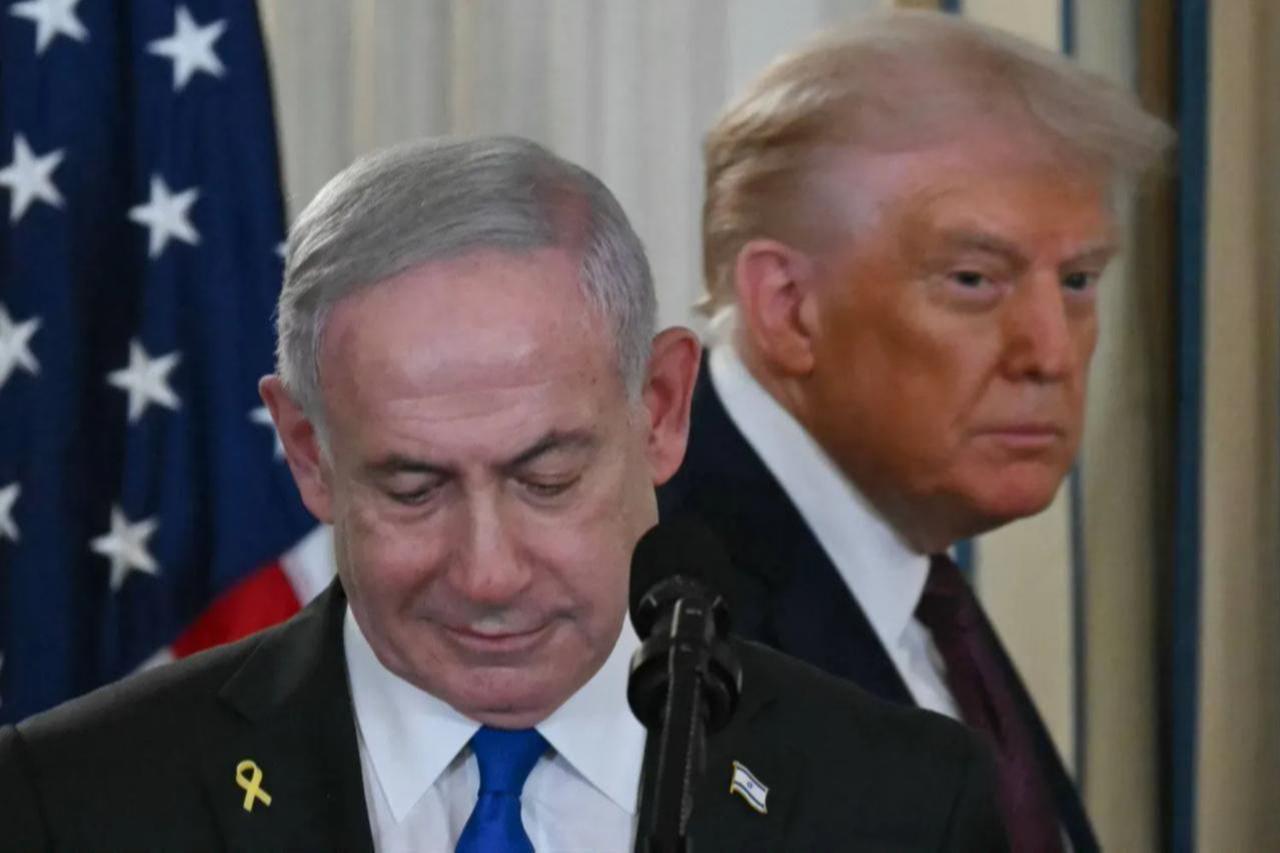

Israeli Prime Minister Benjamin Netanyahu is expected to convene the Security Cabinet on Sunday to discuss the anticipated agreement between Washington and Tehran.
According to Yedioth Ahronoth, ministers will examine the regional implications of the emerging deal and its potential impact on Israel's security objectives.
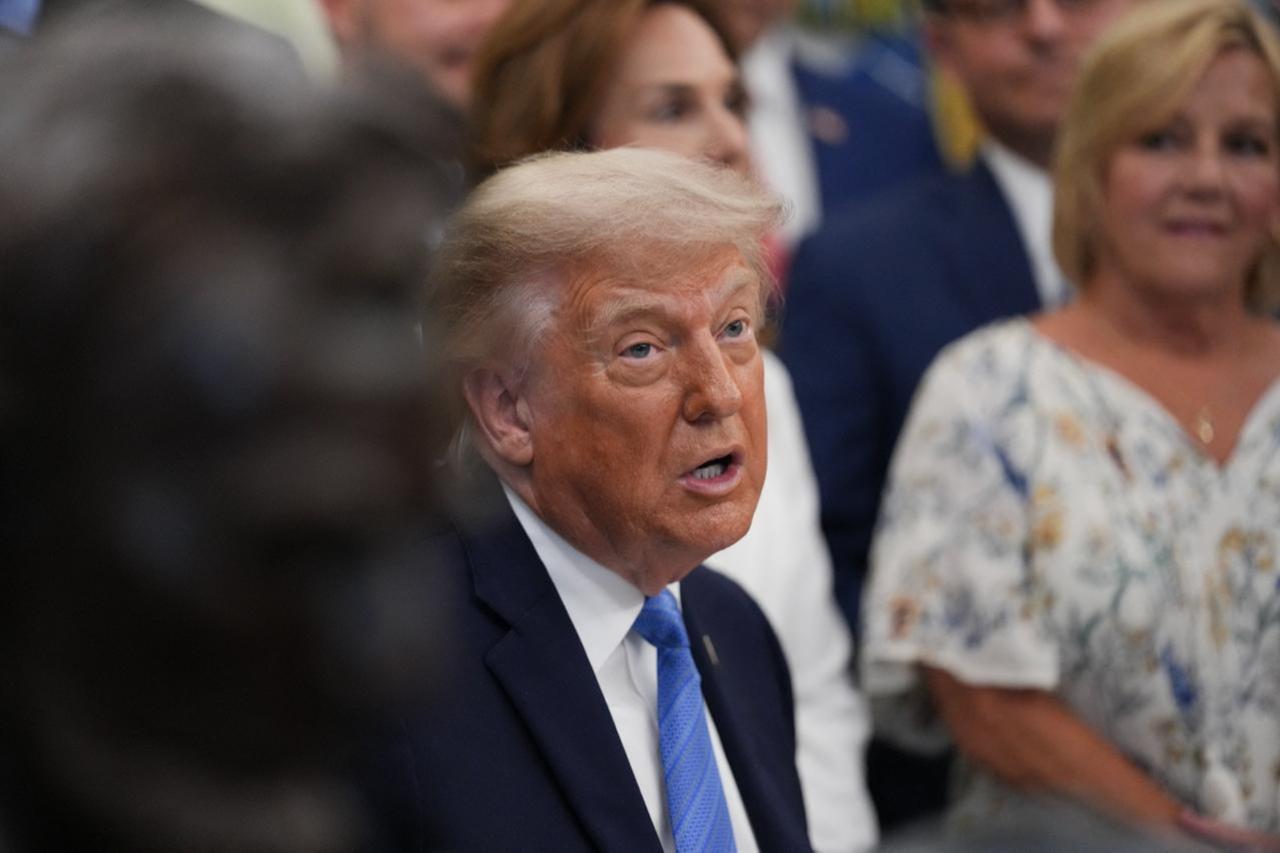
U.S. President Donald Trump wrote on his Truth Social platform early Saturday that an agreement with Iran is scheduled to be signed on Sunday.
Pakistani Prime Minister Shehbaz Sharif, whose country has been mediating between Washington and Tehran, also said the deal could be finalized within the next 24 hours.
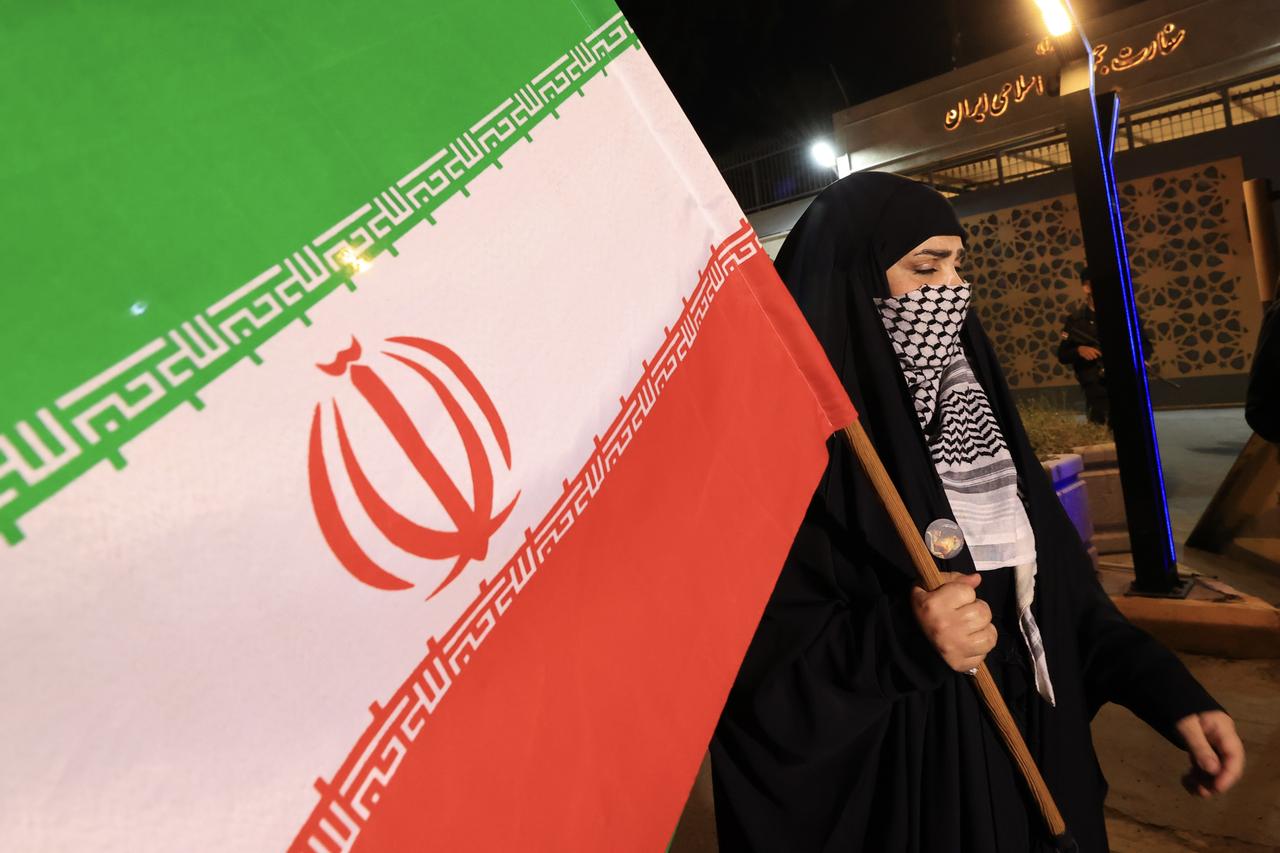
Iran, however, has stated that the agreement will not be signed on Sunday and may instead be concluded in the coming days.
Former Prime Minister and opposition leader Yair Lapid said Saturday that Israel would fail to achieve any of its war objectives under the emerging agreement.
Writing on X, Lapid argued that Prime Minister Benjamin Netanyahu had failed on the Iran issue.
"The agreement currently taking shape does not achieve any of Israel's war objectives," Lapid said, arguing that the Iranian government would remain in power, its missile program would continue and Tehran would retain the ability to rebuild its nuclear program.
He described the outcome as "Netanyahu's complete failure," claiming it had turned Israel into "a satellite state that takes instructions on its national security."
"No press conference, media manipulation, or AI-generated video can hide this failure," Lapid added.
Israeli political and security officials have also voiced concern over the agreement reportedly nearing completion between Washington and Tehran.
According to Israel's i24 News, some officials believe the deal could strengthen the Iranian government and limit Israel's military freedom of action in Lebanon.
Reports indicate that the United States and Iran are close to reaching an agreement to end the war that began in late February, when Washington and Tel Aviv launched strikes on Iran.


 Set as preferred source
 Set as preferred source


 1 min read
 1 min read