Newsletters




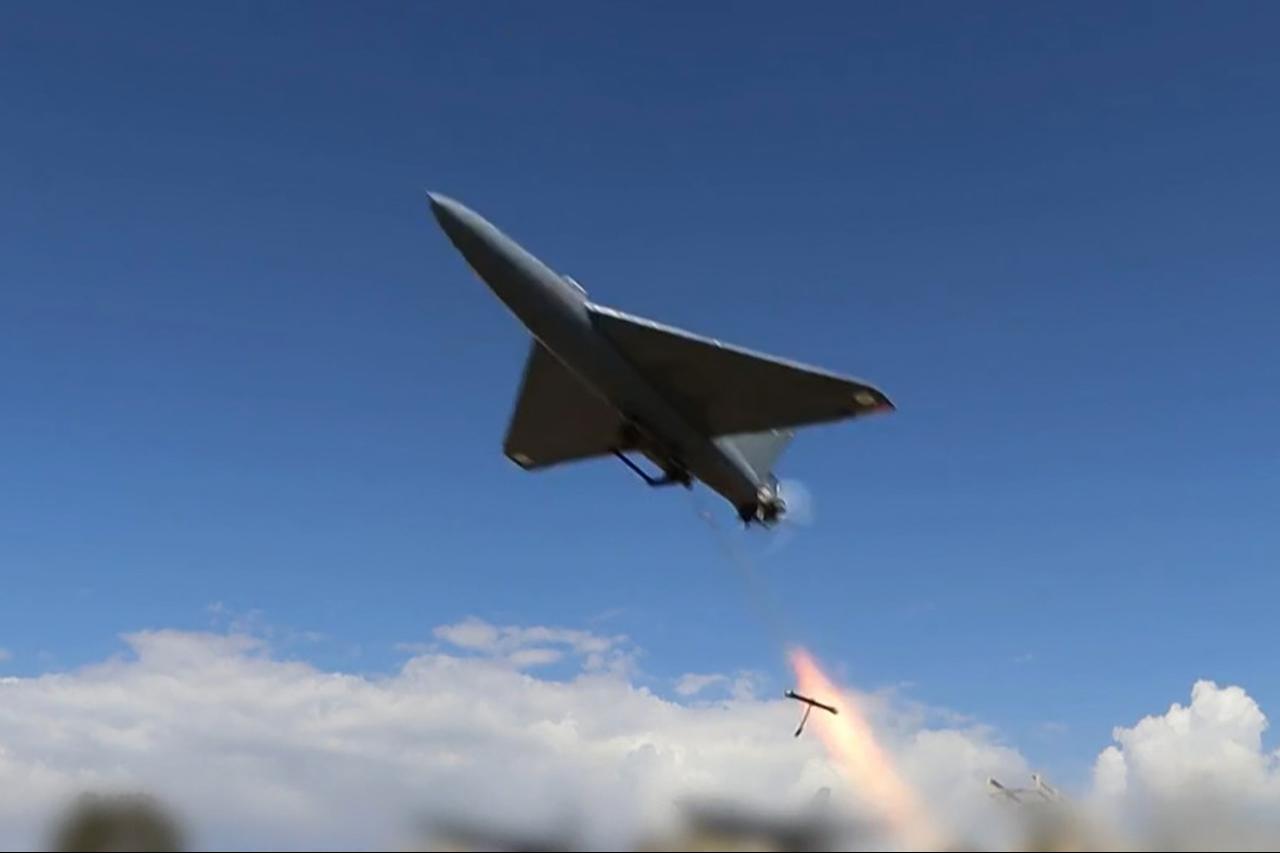
Iran has restarted some drone production during the six-week ceasefire that began in early April, a sign that Tehran is rapidly rebuilding some military capabilities degraded by U.S.-Israeli strikes, CNN reported Thursday, citing two sources familiar with U.S. intelligence assessments.
Four sources told CNN that U.S. intelligence indicates Iran’s military is rebuilding much faster than initially estimated.
The rebuilding includes replacing missile sites, launchers, and production capacity for key weapons systems destroyed during the conflict, according to CNN.
The report said Iran remains a significant threat to regional allies if U.S. President Donald Trump restarts the bombing campaign.

Some U.S. intelligence estimates indicate that Iran could fully restore its drone attack capability in as soon as six months, one U.S. official told CNN.
“The Iranians have exceeded all timelines the IC had for reconstitution,” the official said, referring to the intelligence community.
Drone attacks are a particular concern for regional allies.
If hostilities resume, Iran could use more drone launches to support its missile production capacity, which has been significantly degraded, and continue targeting Israel and Gulf countries that are within range of both systems.
Thousands of Iranian drones still exist, representing roughly 50% of the country’s drone capabilities, two sources previously told CNN.
Iran also still maintains ballistic missile, drone attack, and anti-air capabilities despite serious damage from U.S.-Israeli strikes, according to recent U.S. intelligence assessments.
CNN reported that Iran has been able to rebuild faster than expected because of several factors, including support from Russia and China and because the U.S. and Israel did not cause as much damage as they had hoped.
Two sources familiar with U.S. intelligence assessments said that China has continued to provide Iran with components during the conflict that can be used to build missiles, though that has likely been reduced by the ongoing U.S. blockade.
Israeli Prime Minister Benjamin Netanyahu told CBS last week that China was giving Iran “components of missile manufacturing” but did not provide further details.
Chinese Foreign Ministry spokesperson Guo Jiakun denied the allegation, saying it was “not based on facts.”
CNN reported in April that U.S. intelligence assessed that roughly half of Iran’s missile launchers had survived U.S. strikes.
A more recent report raised that figure to two-thirds, partly because the ceasefire gave Iran time to dig out launchers that may have been buried but not destroyed in earlier strikes, according to sources familiar with the intelligence.
The assessment may include launchers that are currently inaccessible, such as those buried underground by strikes but not destroyed.
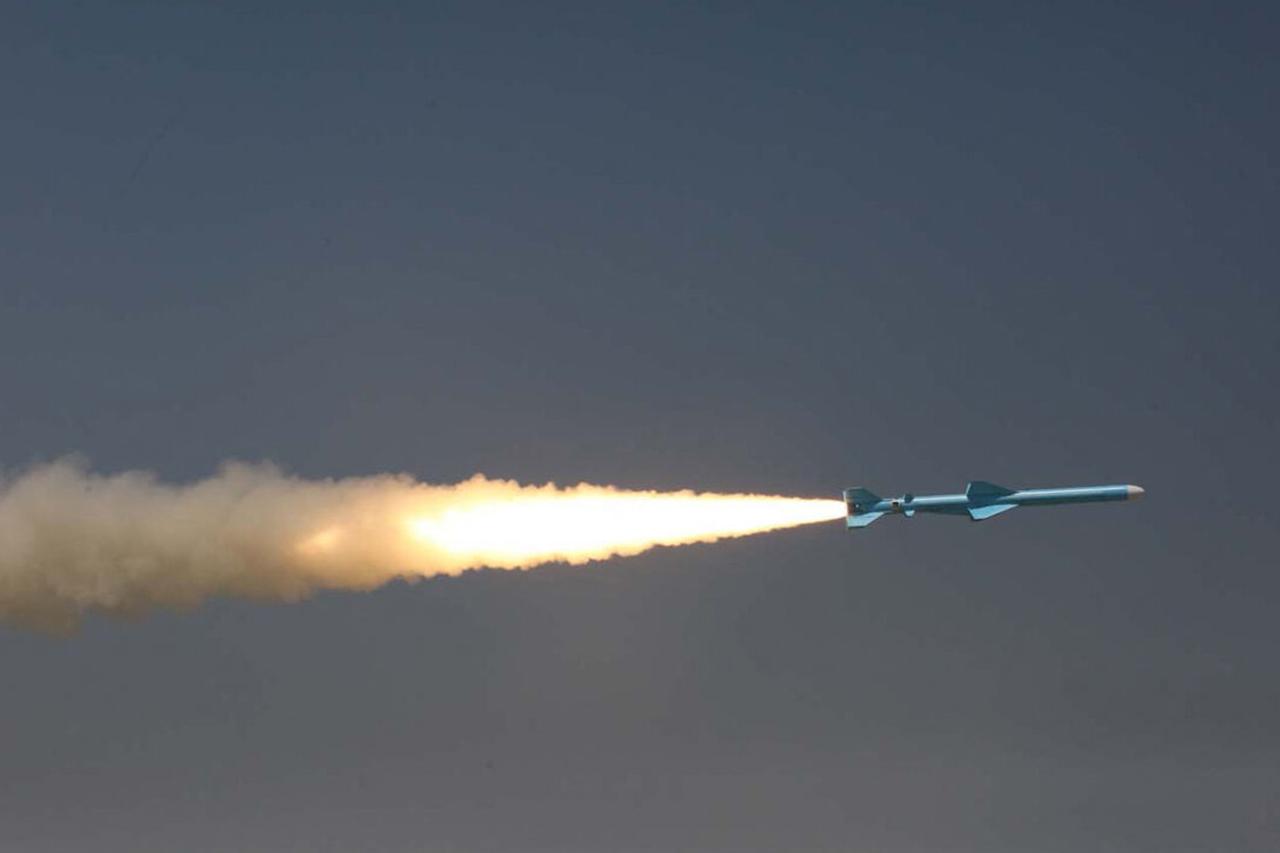
The intelligence also showed that a large percentage of Iran’s coastal defense cruise missiles remained intact. CNN said this was consistent with the U.S. air campaign not focusing on coastal military assets, though it has hit ships.
Those missiles give Iran a key capability to threaten shipping in the Strait of Hormuz.
Trump said Wednesday that the U.S. was ready to carry out more attacks on Tehran if Iran did not agree to a peace deal but suggested Washington could wait a few days to “get the right answers.”
Trump has repeatedly threatened to resume combat operations if the two countries fail to reach a deal to end the war.
On Tuesday, he said publicly that he had been an hour from restarting bombing, meaning Iran’s remaining military capabilities could come into play if hostilities resume.
Chief Pentagon spokesperson Sean Parnell told CNN that “America’s military is the most powerful in the world and has everything it needs to execute at the time and place of the President’s choosing.”
“We have executed multiple successful operations across combatant commands while ensuring the U.S. military possesses a deep arsenal of capabilities to protect our people and our interests,” Parnell said.
A U.S. Central Command spokesperson declined to comment, saying the command does not discuss intelligence matters.
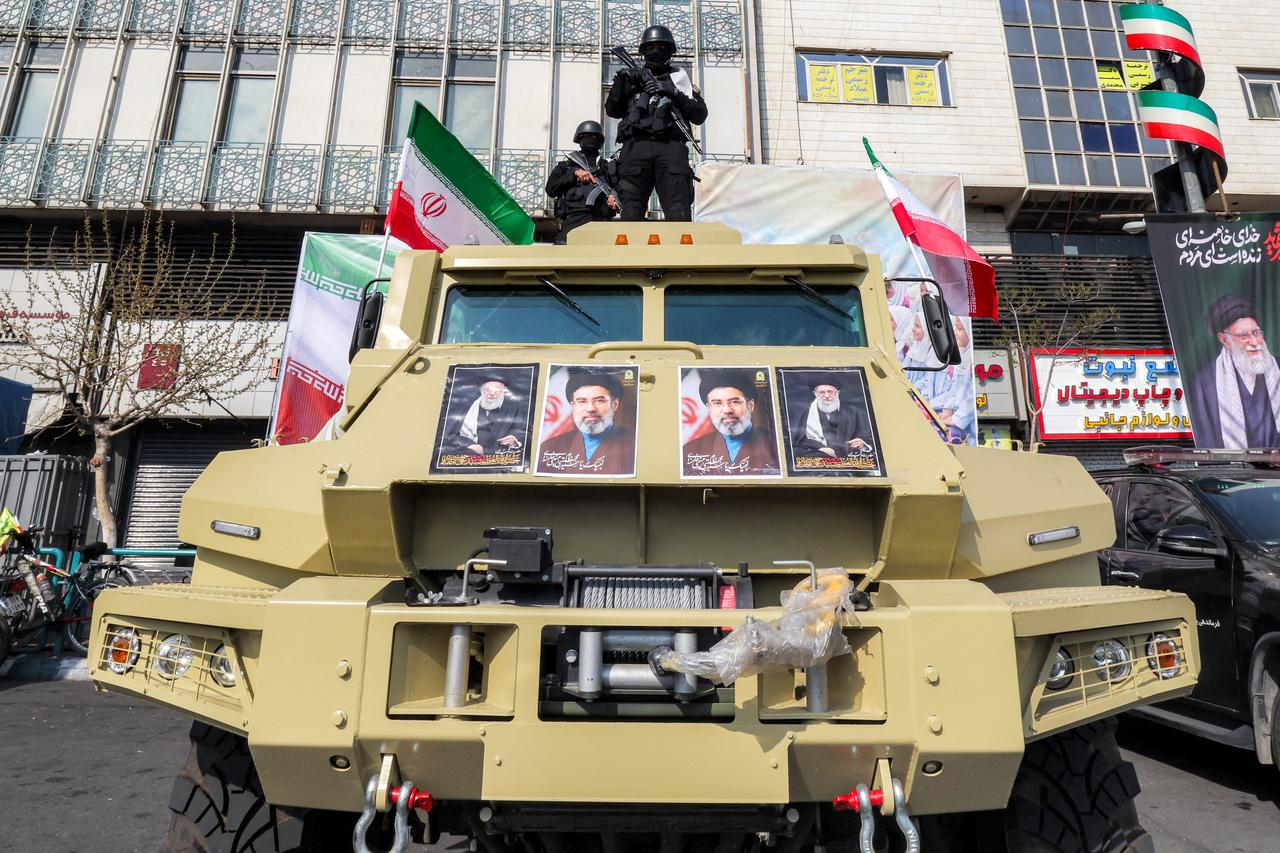
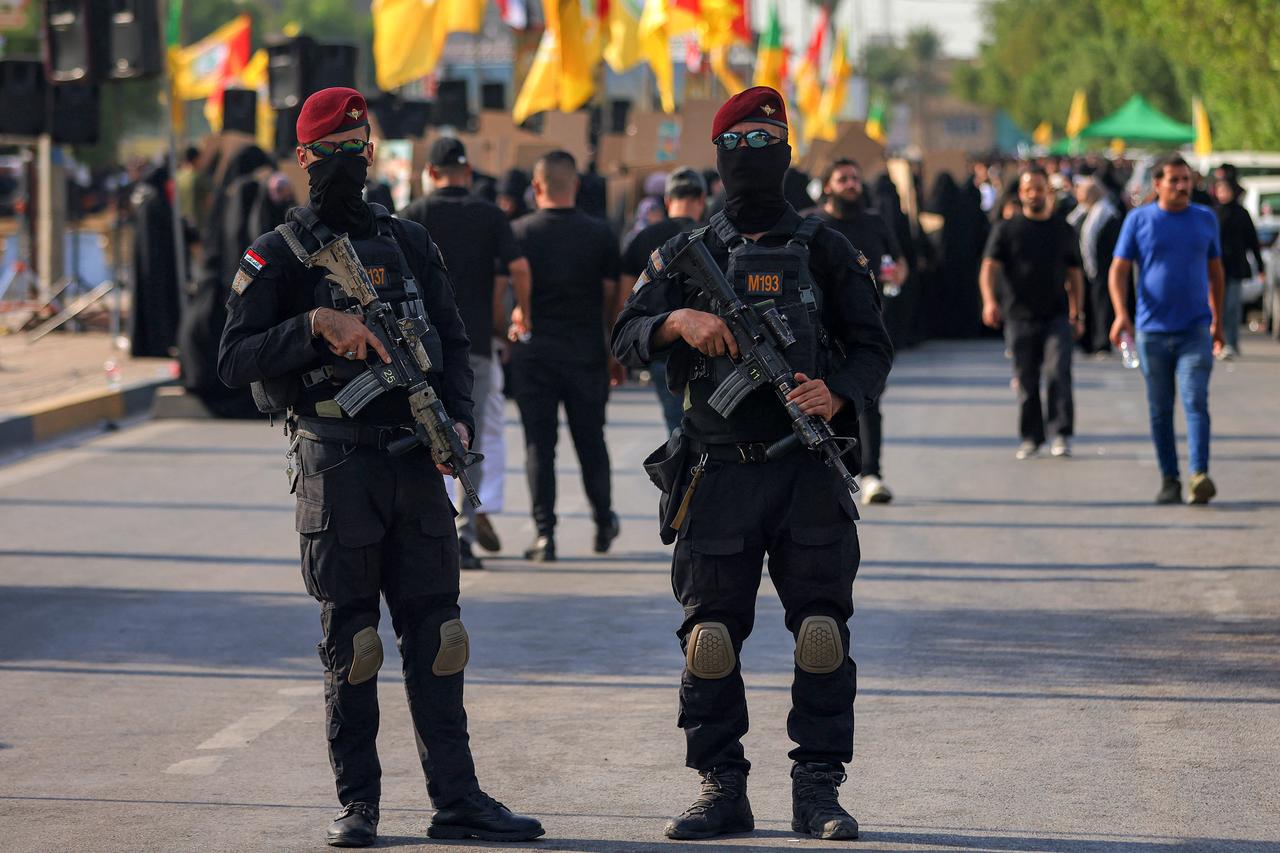
Recent U.S. intelligence reports suggest the war has degraded Iran’s military capabilities but not destroyed them and that Iran has shown it can limit the long-term impact of strikes by quickly rebuilding.
CENTCOM commander Adm. Brad Cooper testified Tuesday before the House Armed Services Committee that Operation Epic Fury had “significantly degraded Iran’s ballistic missiles and drones while destroying 90% of their defense industrial base, ensuring Iran cannot reconstitute for years.”
But two sources told CNN that intelligence assessments are inconsistent with Cooper’s description.
One source familiar with recent assessments told CNN that damage to Iran’s defense industrial base likely set back its ability to rebuild by months, not years.
The source also said some of Iran’s defense industrial base remains intact, which could further accelerate the timeline for restoring certain capabilities.


 Set as preferred source
 Set as preferred source


 2 min read
 1 min read