

 Newsletters




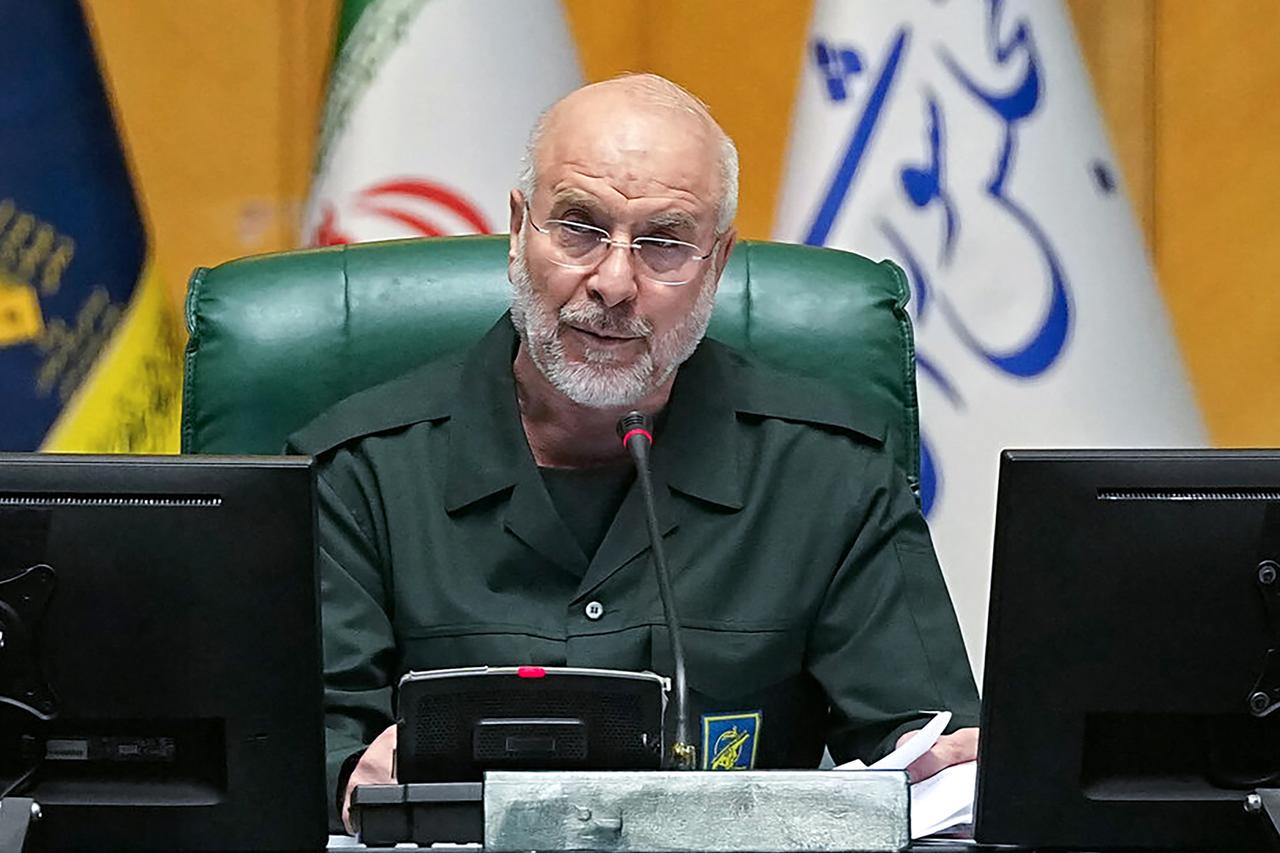
Iran’s chief negotiator Mohammad Bagher Ghalibaf, said Wednesday that the United States was seeking to restart the conflict and still hoped Tehran would surrender.
In an audio message carried by Iranian media, Ghalibaf said Washington had not abandoned its military objectives despite ongoing political and economic pressure.
“The enemy's movements, both overt and clandestine, show that despite economic and political pressure, it has not abandoned its military objectives and is seeking to start a new war,” he said.
Ghalibaf argued that developments in the United States suggested Washington still expected Iran to yield.
“Close monitoring of the situation in the United States reinforces the possibility that they still hope for the surrender of the Iranian nation,” he added.
He also said Tehran was preparing a “forceful response” in the event of any new attacks.

The remarks come despite a ceasefire that took effect on April 8, ending active fighting between Iran and the US-Israeli coalition after weeks of conflict that disrupted global markets and energy flows.
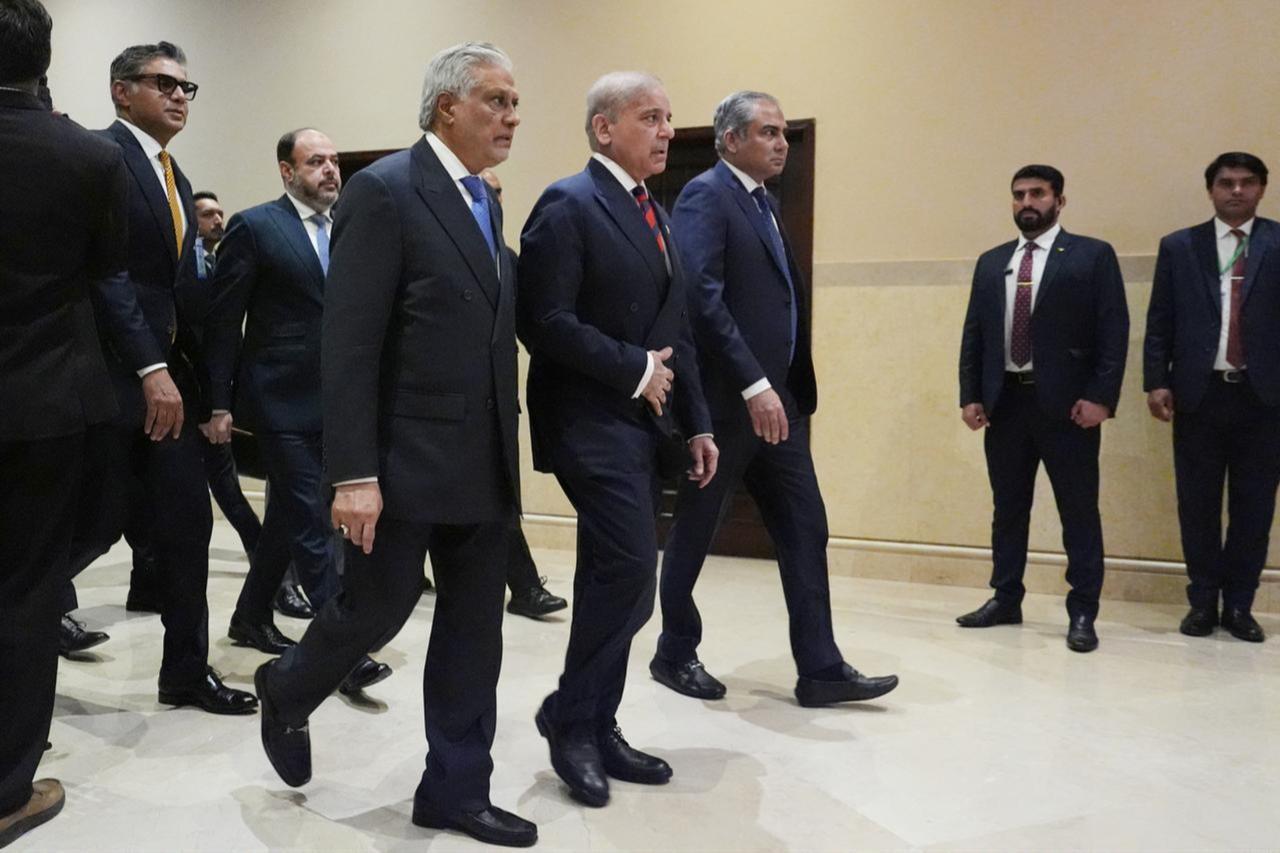
Although large-scale hostilities have stopped, tensions remain high as Washington and Tehran continue exchanging threats while diplomatic efforts continue under Pakistani mediation.
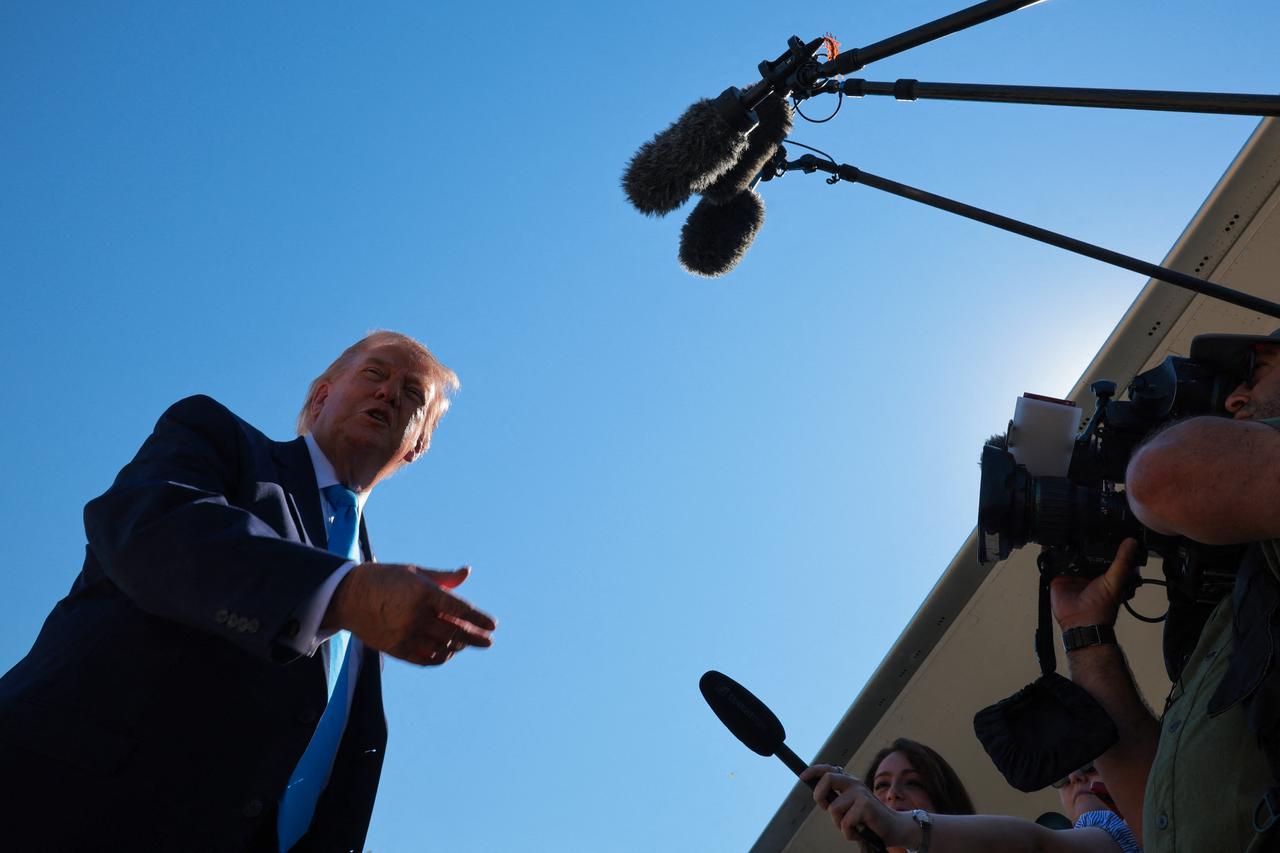
US President Donald Trump has repeatedly warned of possible renewed military action, while Iranian officials have responded with warnings of retaliatory measures.
On Tuesday, US Vice President JD Vance said progress was being made diplomatically but maintained military pressure.
“A lot of good progress is being made,” Vance told reporters, adding that the US military remained “locked and loaded.”
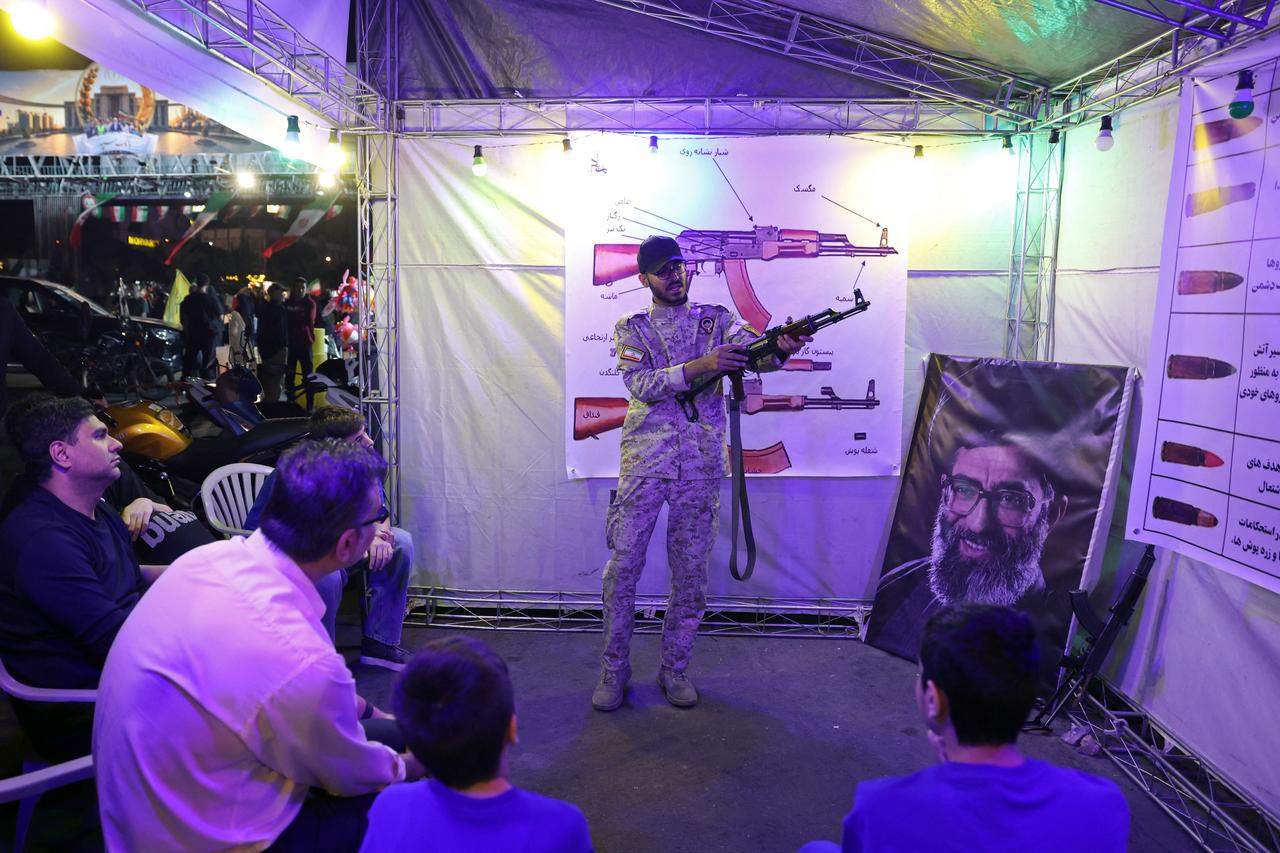
Separately, Iran’s Islamic Revolutionary Guard Corps (IRGC) issued its own warning on Wednesday.
“If the aggression against Iran is repeated, the promised regional war will this time spread far beyond the region, and our devastating blows will crush you,” the Guards said in a statement published by Sepah News.
The IRGC also argued that Iran had not yet fully employed its capabilities during the conflict.
“The American-Zionist enemy ... must know that despite the offensive carried out against us using the full capabilities of the world's two most expensive armies, we have not deployed the full power of the Islamic revolution,” the statement said.
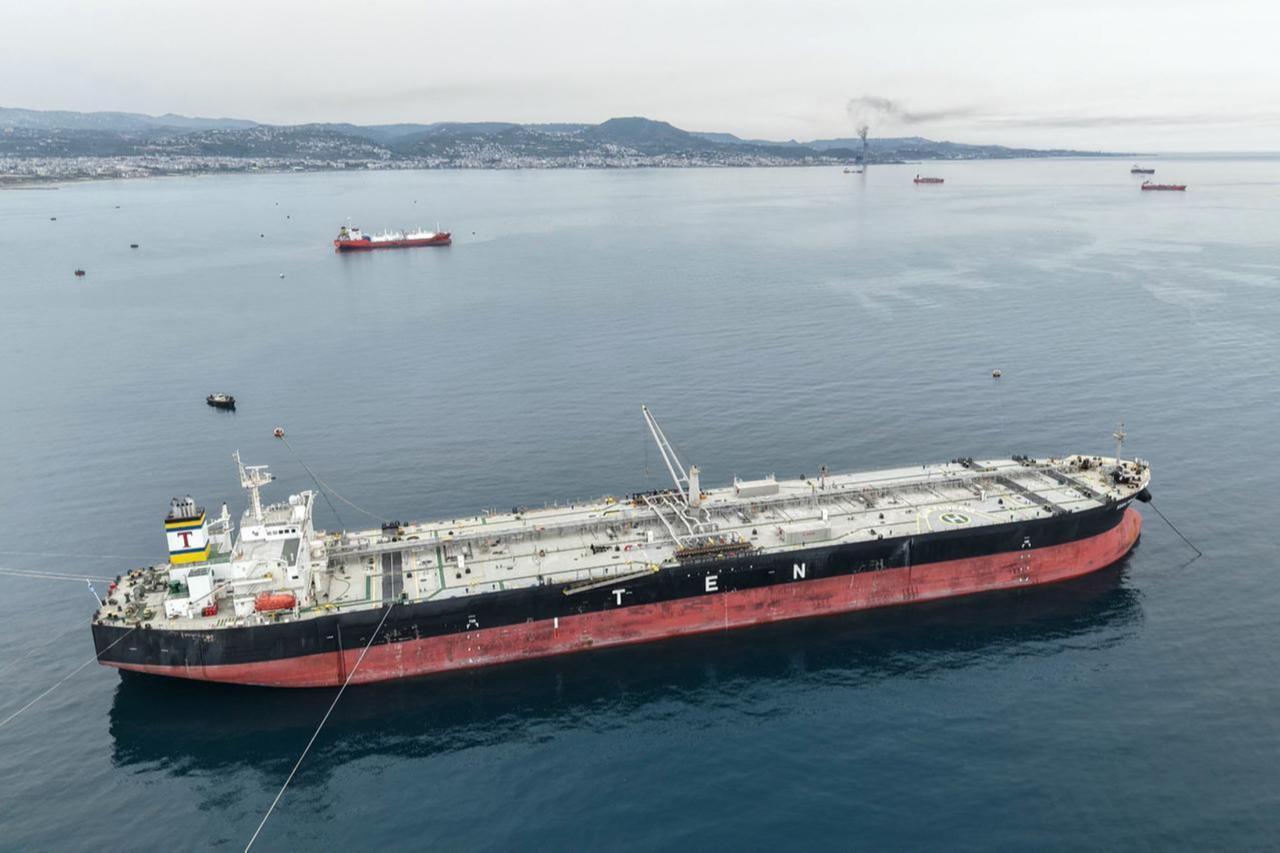
Meanwhile, the future of the Strait of Hormuz remains one of the main unresolved issues in negotiations.
Although the ceasefire halted fighting, maritime traffic through the strategic waterway has not fully resumed.
The strait normally handles around one-fifth of global oil and liquefied natural gas shipments, as well as roughly one-third of global fertilizer trade.
The continued disruption has pushed energy prices higher and raised concerns over food security.
On Wednesday, the U.N. Food and Agriculture Organization warned of “a severe global food price crisis” and a potential “systemic agrifood shock” linked to the continued closure of the strait.
Rising fuel costs have already triggered unrest in several import-dependent countries, including Kenya, where protests erupted amid transport disruptions linked to energy shortages.


 Set as preferred source
 Set as preferred source


 1 min read
 1 min read



