Newsletters


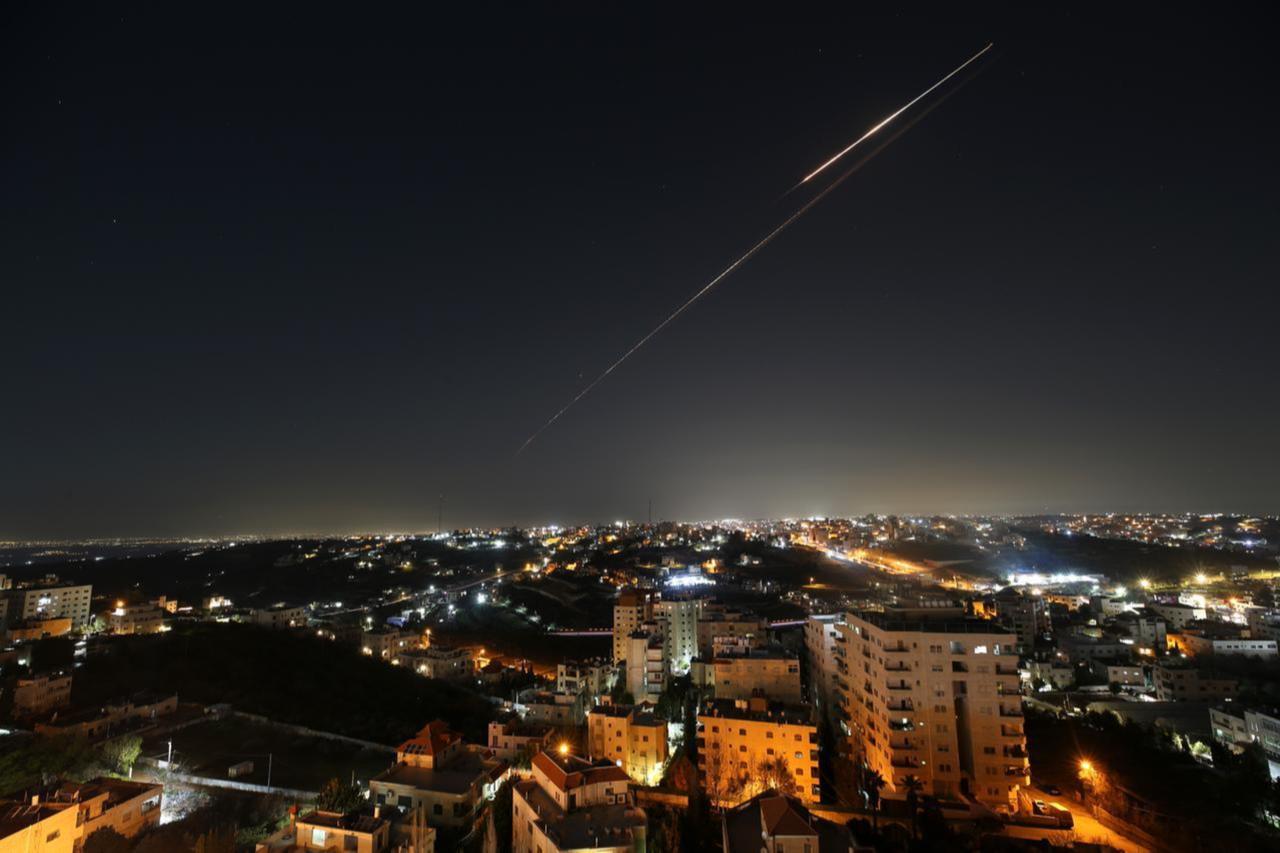


Power outages spread across parts of Tehran, the northern city of Alborz, and the western Karaj district on Sunday after US-Israeli strikes hit electricity transmission substations, as officials moved quickly to assure the public that service would be restored within hours.
Iran's deputy energy minister, Mostafa Rajabi Mashhadi, confirmed that several power transmission substations had been struck but said there was "no cause for concern," telling state media that electricity in Tehran and Karaj was expected back online quickly. The state broadcaster IRIB News, citing the Energy Ministry, said repair crews were already working to restore service.
Blue flashes were seen in the skies over western Tehran and Karaj, likely caused by explosions at power substations, cutting electricity in parts of the capital temporarily before power was restored. Disruptions were also reported in the Karaj district, west of Tehran, according to Iranian media.
Analysts note that Iran's electricity network is structured in a way that limits the reach of targeted strikes. The transmission and sub-transmission network extends roughly 133,000 kilometers, and when urban and rural distribution lines are included, the total exceeds 1.3 million kilometers, supported by an estimated 2,000 to 5,000 large and medium substations dispersed across the country. That scale means strikes on individual substations are unlikely to trigger a nationwide blackout, with damage typically absorbed by the broader grid.


 Set as preferred source
 Set as preferred source


 2 min read