Newsletters


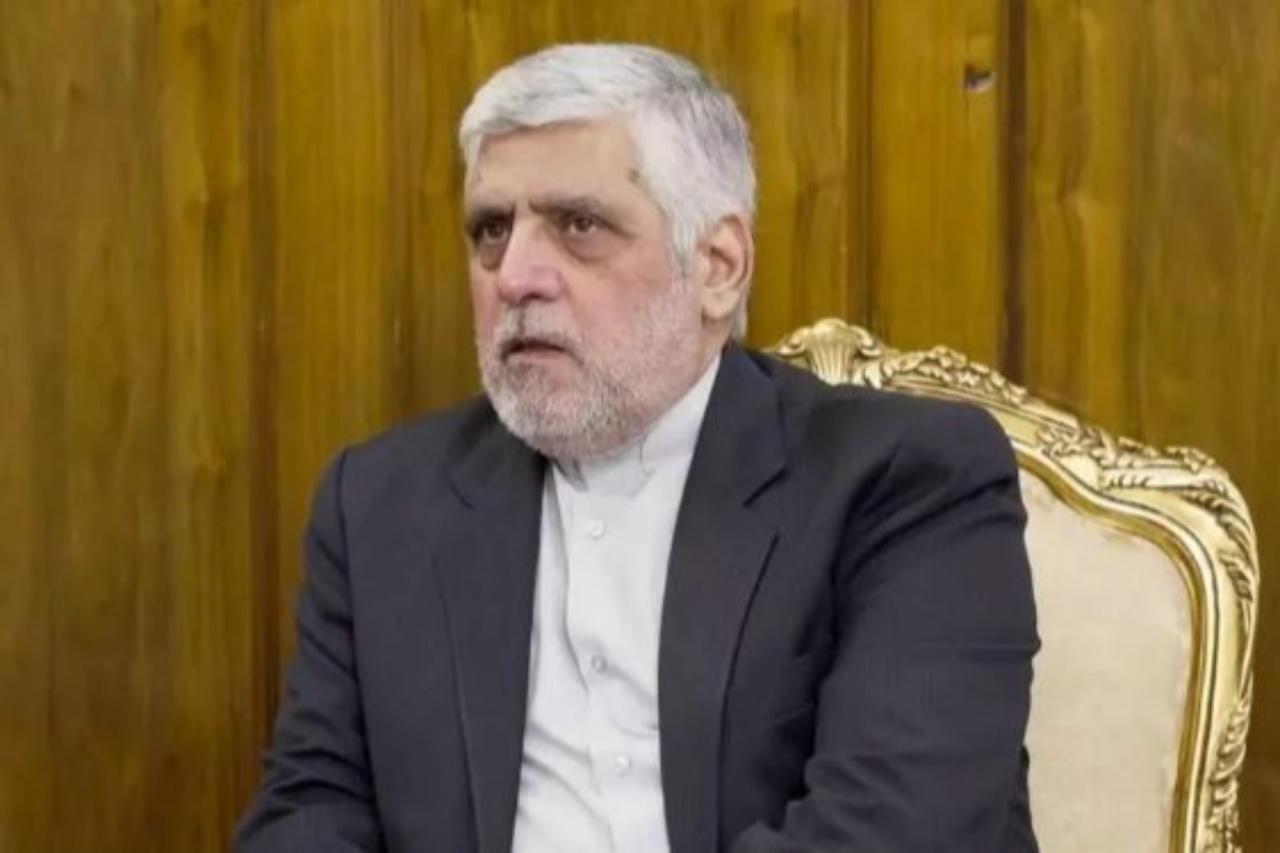


Iran's ambassador to Lebanon will not comply with the country's order to leave, an Iranian diplomatic source has confirmed, setting the stage for a diplomatic standoff that threatens to deepen divisions within the Lebanese government amid a renewed war between Israel and Hezbollah.
Mohammad Reza Sheibani was declared persona non grata by Lebanon's foreign ministry earlier this week and given until Sunday to depart the country. The ministry accused the envoy of making statements that amounted to interference in Lebanon's internal politics, a rare and forceful move by Beirut against Tehran.
But an Iranian diplomatic source told AFP that Sheibani has no intention of leaving. "The ambassador will not leave Lebanon, in accordance with the wishes of the speaker of parliament Nabih Berri and of Hezbollah," the source said, speaking on condition of anonymity.
The expulsion order has exposed a sharp rift within Lebanon's political establishment. Hezbollah, the Iran-backed militant group and political party, has publicly denounced the decision. Nabih Berri's Amal movement, a longstanding Hezbollah ally, joined the group's ministers in boycotting a cabinet session this week in protest.
The standoff underscores the persistent tension between Lebanon's state institutions and the parallel power structures that Hezbollah and its allies have maintained for decades. Berri, who has served as speaker of parliament since 1992, remains one of the most powerful figures in Lebanese politics and has historically acted as a political bridge between Hezbollah and the broader governing apparatus.
The diplomatic rupture with Tehran is part of a broader campaign by Prime Minister Nawaf Salam's government to reassert state authority. Lebanese authorities have banned Hezbollah's military and security activities, a significant step given that the group is the only armed non-state actor in the country.
Salam's government has also moved to ban the presence and operations of Iran's Revolutionary Guard Corps on Lebanese soil, with the prime minister accusing the IRGC of directing Hezbollah's military operations against Israel.
The IRGC has long been regarded by Western and regional governments as the principal conduit through which Tehran projects power across the Middle East, providing funding, weapons, and strategic guidance to allied groups in Lebanon, Iraq, Syria, and Yemen.
The expulsion drew swift support from Paris. French Foreign Minister Jean-Noel Barrot called it "a courageous decision," signaling Western backing for Beirut's attempts to distance itself from Iranian influence.


 Set as preferred source
 Set as preferred source


 1 min read

 1 min read