Newsletters


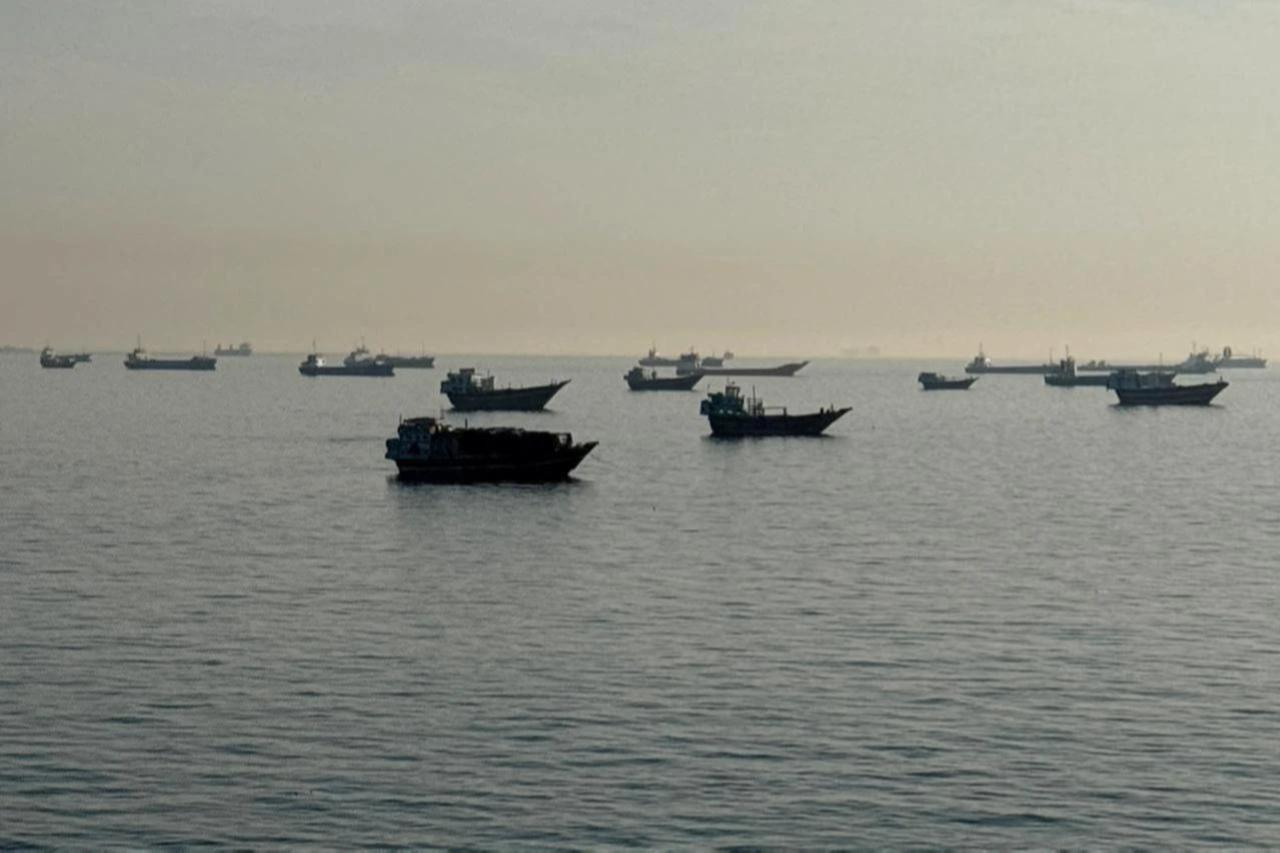


Iranian Foreign Ministry spokesman Esmaeil Baqaei said Sunday that future management of shipping through the Strait of Hormuz should be determined through consultations between Iran and Oman, as tensions rise over the strategic waterway.
Baqaei said Saturday’s discussions between Tehran and Muscat during Iranian Foreign Minister Abbas Araghchi’s visit to Oman focused on arrangements for managing shipping in the Strait of Hormuz, according to Iranian state news agency IRNA.
“Oman and Iran agreed to continue discussions at the political and technical-legal levels to reach a common understanding” regarding shipping security in Hormuz, Baqaei said.
He said a delegation from Qatar was also present at “some of” Saturday’s talks.
Ebrahim Rezaei, spokesman for the Iranian parliament’s Commission on National Security and Foreign Policy, said Tehran is now in control of the strait.
“We have taken control of the Strait of Hormuz with power, and we will preserve it with power as well,” Rezaei said on the U.S. social media company X.
Iran’s Revolutionary Guard Corps said early Sunday that the Strait of Hormuz would be closed until further notice amid an exchange of attacks between Tehran and Washington.
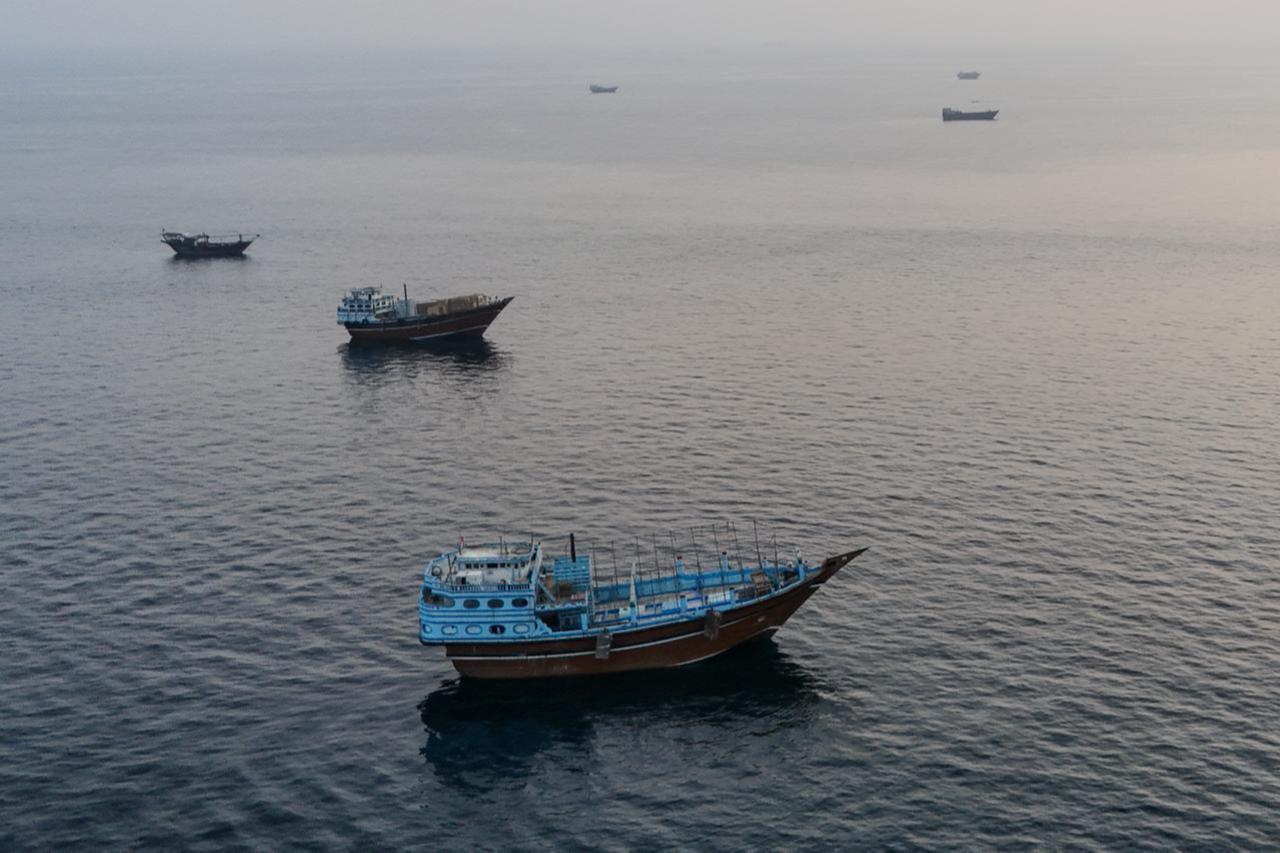
The IRGC also announced that it had intercepted multiple commercial vessels it said had deviated from Tehran’s approved shipping route.
It said warning shots were fired at one ship.
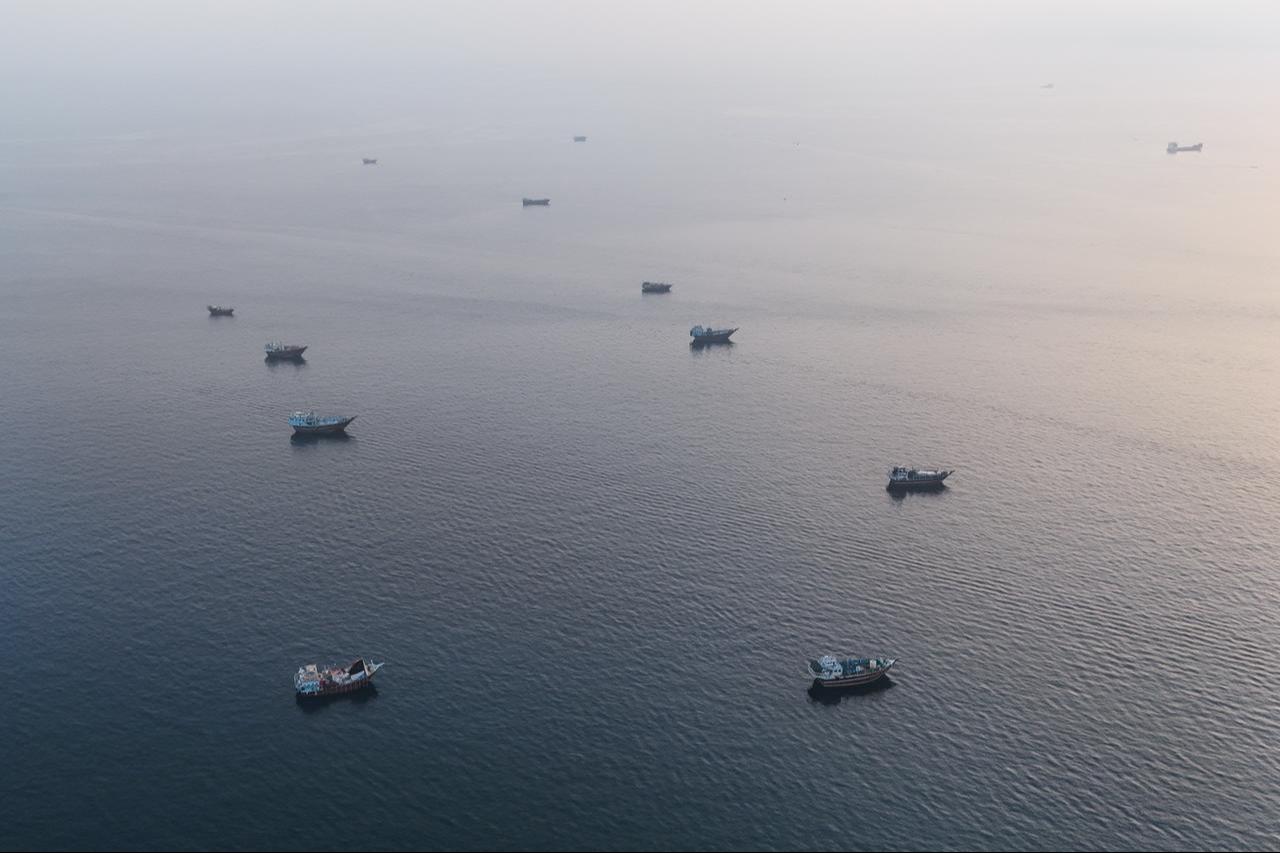

U.S. officials separately confirmed that an IRGC missile struck and damaged a commercial cargo vessel in the waterway.
The latest incidents came on the same day Washington demanded that Tehran publicly affirm the strait is open and commit to halting attacks on commercial shipping.
The developments deepened an already volatile standoff over the narrow passage, one of the world’s most critical maritime corridors.
In mid-June, Iran and the U.S. reached a Pakistani-brokered agreement aimed at ending their military conflict and reaching a lasting peace deal.
Key issues between the parties also include the Strait of Hormuz.
The waterway handles roughly one-fifth of global oil shipments under normal conditions, making it central to regional security and energy flows.


 Set as preferred source
 Set as preferred source


 1 min read
 1 min read