Newsletters


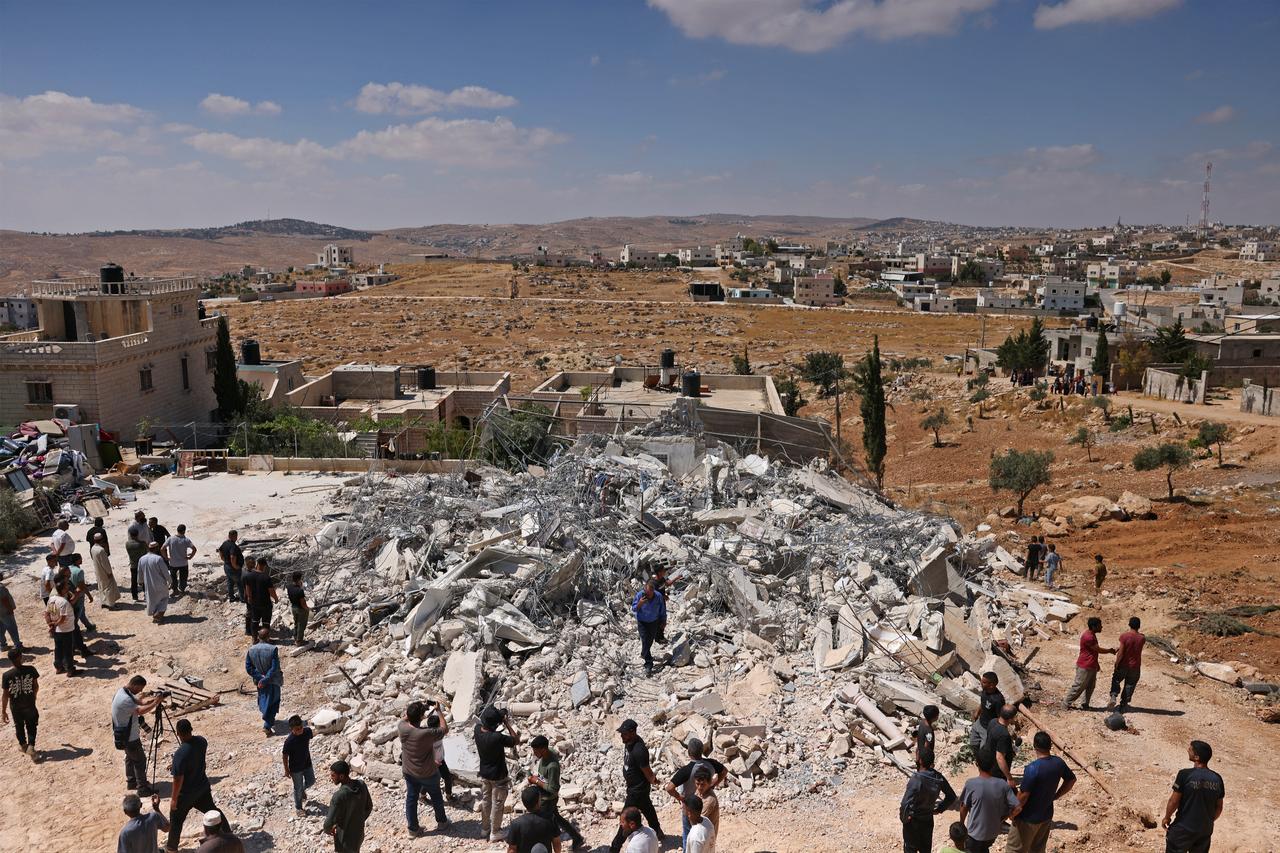


U.S. Representative Ro Khanna said he witnessed “deeply inhumane” conditions in the occupied West Bank after an encounter in which armed Israeli occupiers briefly detained him when Israeli soldiers helped block his vehicle.
Khanna described the incident in a video posted Saturday on the U.S. social media company X, saying the encounter was frightening but that his strongest reaction came from hearing the experiences of Palestinian and Palestinian American families.
“I was just so emotionally moved as a human being, not as a politician,” Khanna said.
Khanna said one of the people he met was a father whose 14-year-old son, an American citizen, had been killed by the Israeli army.
According to Khanna, the father broke down while explaining that he had left his son’s bedroom unchanged because of his grief.
Khanna also visited a school, where he spoke with a principal who recounted the killing of a student in a shooting.
The principal said he was unaware of any investigation and had not been contacted by either the police or the Israeli army.
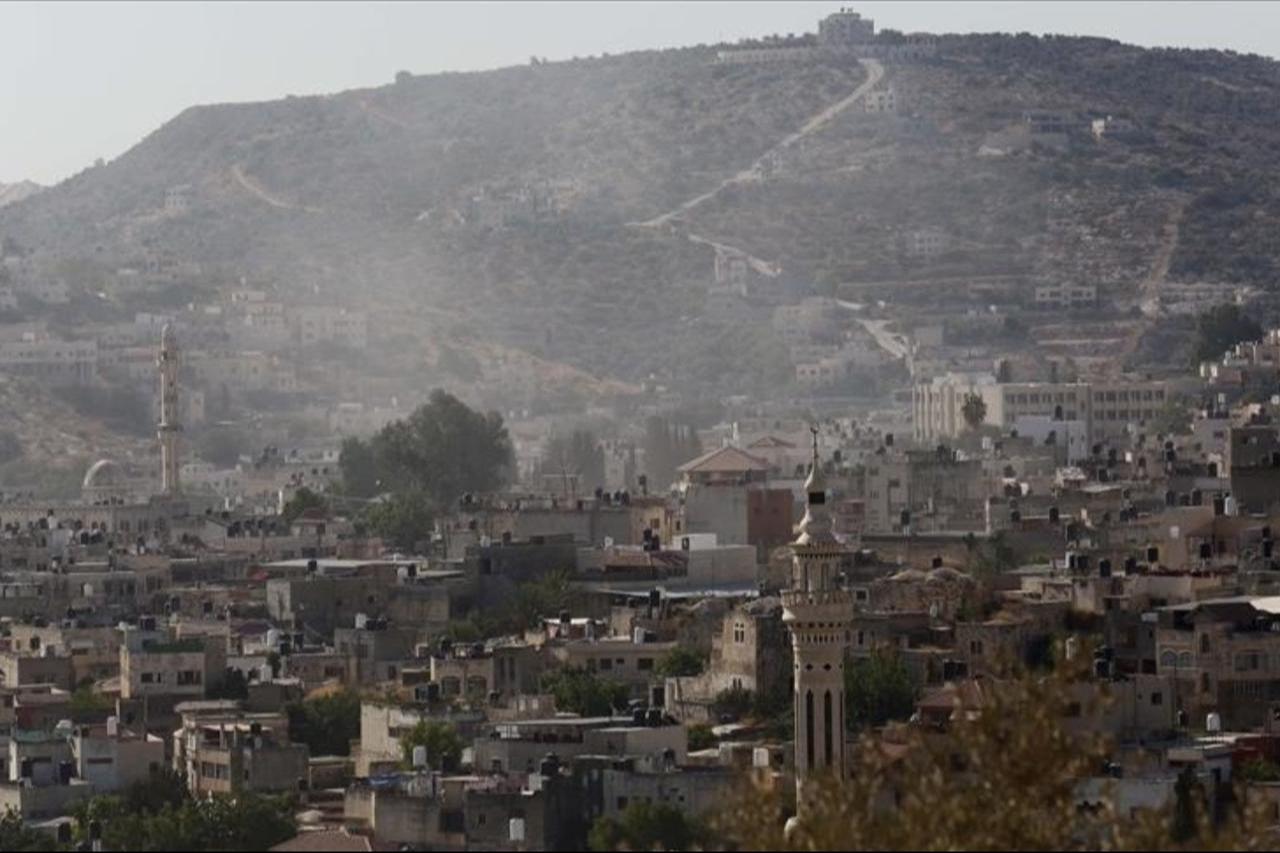

Khanna also described severe disparities in access to water in the occupied West Bank.
He said some Palestinian families did not have enough water to wash clothes or flush toilets, while nearby Israeli occupiers received several times more water.
Khanna said shopkeepers in Hebron told him they faced repeated abuse from occupiers living above their businesses.
The shopkeepers said urine, rotten vegetables and acid had been thrown down toward them from above, according to Khanna.
Khanna also pointed to separate systems governing movement in the West Bank, including different license plates and checkpoints for Israeli occupiers and Palestinians.
One Palestinian American man told Khanna that guards at a checkpoint beat him and took his money because he did not speak Hebrew.
The man said he had lived outside Palestine for years and was unable to communicate with the guards.
Khanna compared the system he observed to segregation in the Jim Crow-era American South.
“It doesn’t really matter what your ideology is,” Khanna said.
“What is happening in the West Bank is just inhumane. No human being would tolerate it.”
Khanna said he intended to use his public platform to amplify the experiences of Palestinians and Palestinian Americans who do not have the same access to political or media attention.
“We need to stand up for human dignity,” he said.
“We need to tell the stories of what’s happening to Palestinians and Palestinian Americans in the West Bank.”
Khanna said he planned to continue speaking about the issue in the coming days and weeks.


 Set as preferred source
 Set as preferred source


 1 min read
 1 min read