Newsletters


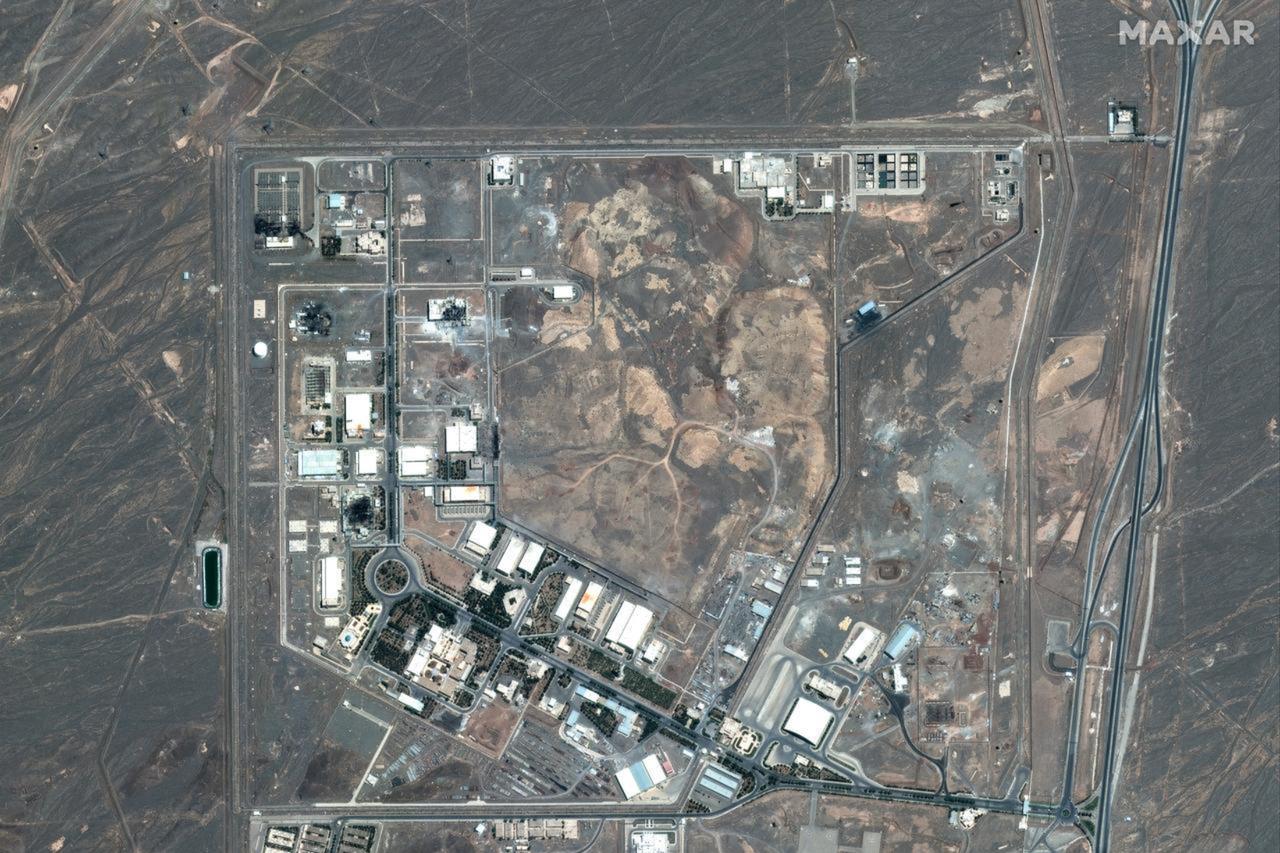


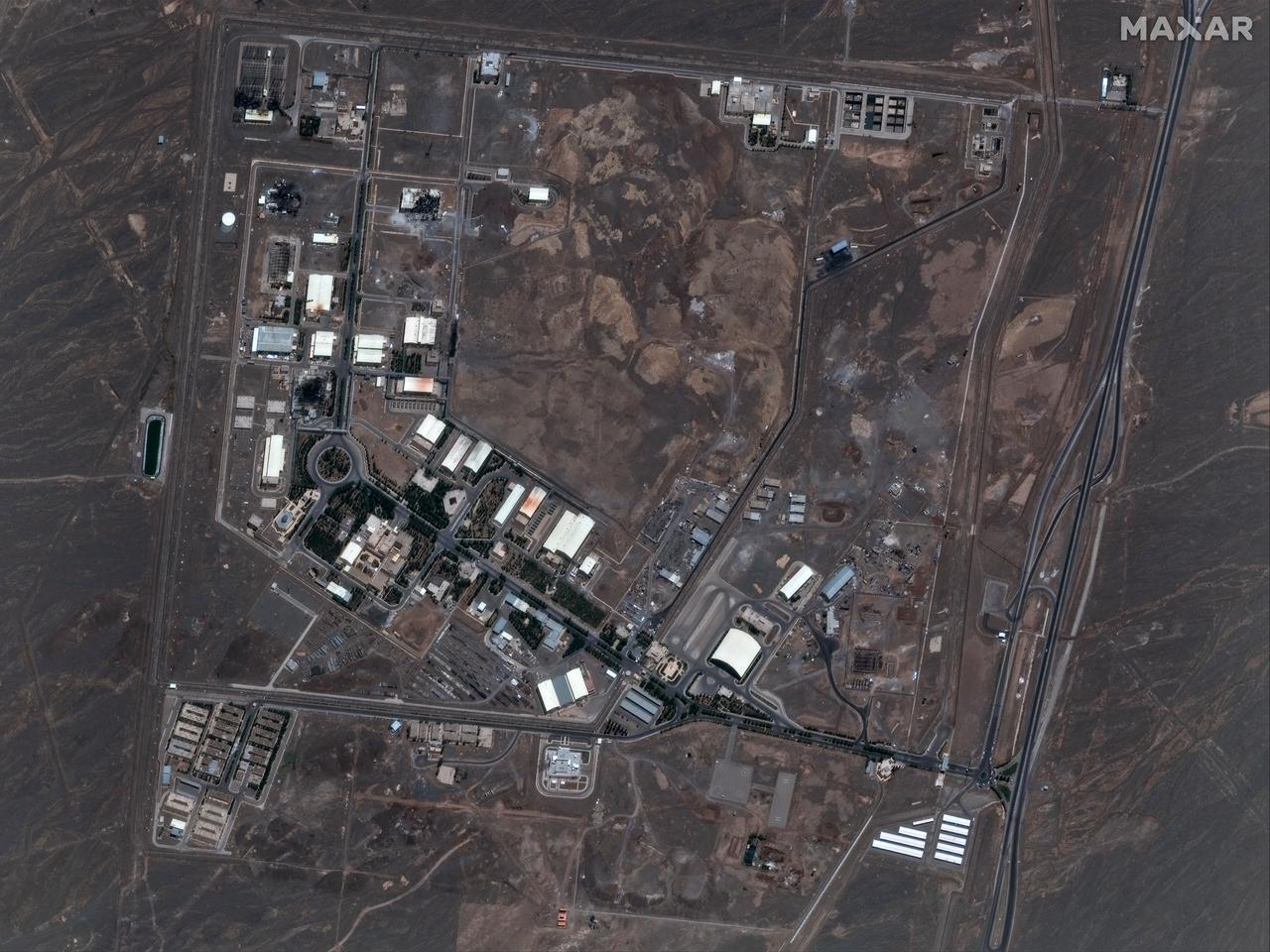
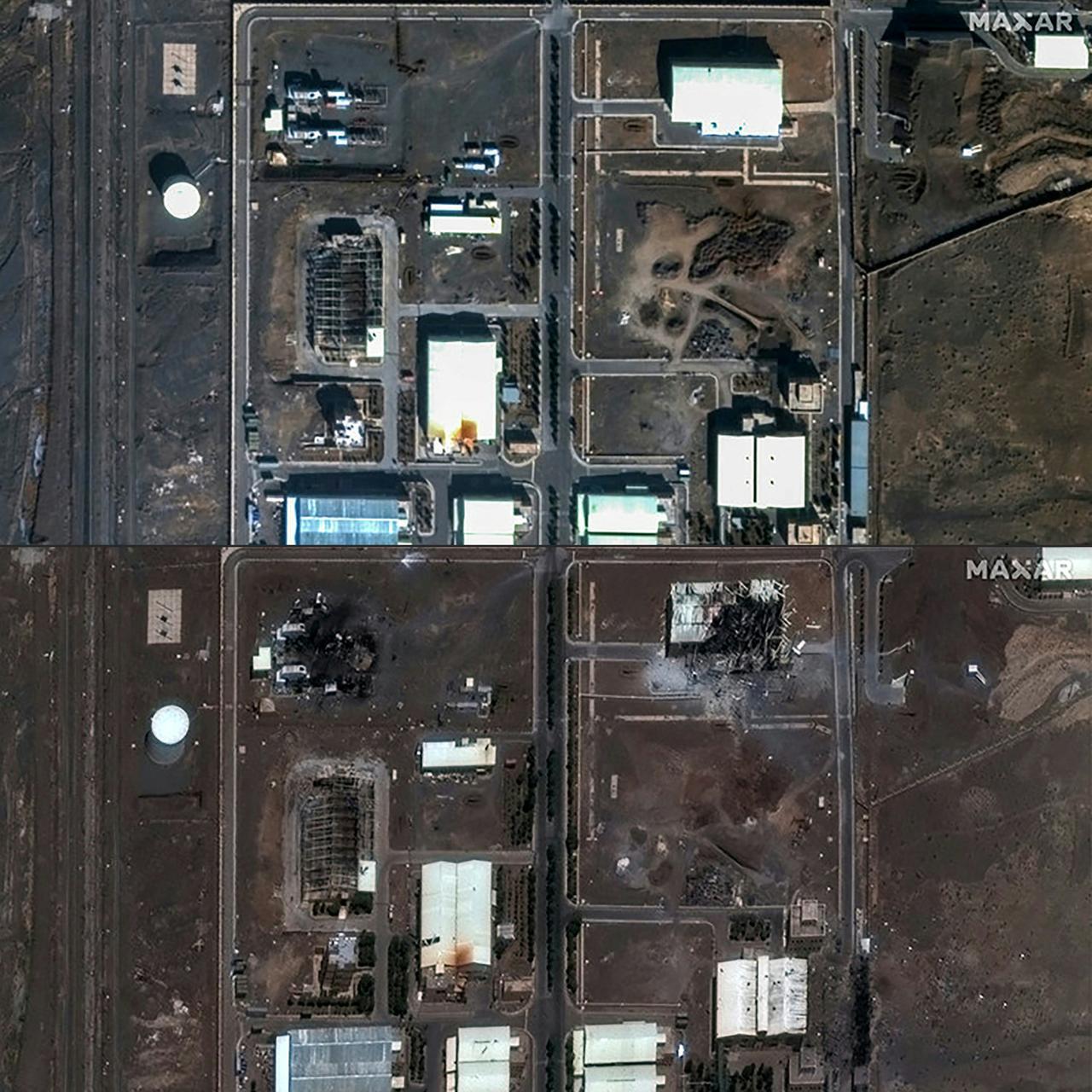
Iran's ambassador to the U.N. nuclear watchdog said Monday that the country's sprawling Natanz nuclear facility was struck during U.S. and Israeli military operations, while the International Atomic Energy Agency (IAEA) said it had no indication any nuclear installations were damaged and warned of the risk of radiological release with "serious consequences."
"Again they attacked Iran's peaceful, safeguarded nuclear facilities yesterday," Iran's ambassador to the IAEA, Reza Najafi, told reporters at a meeting of the agency's 35-nation board of governors. Asked by Reuters which facilities were hit, he replied: "Natanz."
However, IAEA chief Rafael Grossi told the board that the agency had no evidence to confirm the claim.
"We have no indication that any of the nuclear installations have been damaged or hit," Grossi said in his statement to the board.
Grossi said efforts to contact the Iranian nuclear regulatory authorities continued "with no response so far."
"We hope this indispensable channel of communication can be reestablished as soon as possible," he added.
The IAEA held an extraordinary session on Iran Monday at Russia’s request, after Tehran made a similar appeal amid recent US‑Israeli strikes.

Grossi described the situation in the Middle East as "very concerning" and urged all parties to exercise "utmost restraint."
"Iran and many other countries in the region that have been subjected to military attacks have operational nuclear power plants and nuclear research reactors, as well as associated fuel storage sites, increasing the threat to nuclear safety," Grossi stated.
"Let me underline that the situation today is very concerning. We cannot rule out a possible radiological release with serious consequences, including the necessity to evacuate areas as large or larger than major cities," he noted.
Grossi said no elevated radiation levels had been detected in countries neighboring Iran so far. The agency's regional security monitoring network had been placed on alert and maintained continuous contact, he said.
He reiterated that armed attacks on nuclear facilities should never be carried out and could cause radioactive releases with serious consequences within and beyond the borders of the attacked country.
Grossi said the solution lay in diplomacy and negotiations, not in the use of force. He attended two Oman-mediated rounds of talks between Iran and the United States this month in Geneva on Iran's nuclear program.
"An understanding eluded the parties this time. I am sure we are, quite understandably, feeling a strong sense of frustration," he stated.
He called for diplomatic negotiations to resume "as quickly as possible."
The extraordinary meeting preceded an already scheduled regular session of the IAEA's board of governors, which represents 35 countries.
Western countries led by the United States and Israel accuse Iran of seeking to acquire nuclear weapons. Tehran denies having such military ambitions but insists on its right to the technology for civilian purposes.
The United States and Israel launched military strikes against Iran on Feb. 28, killing Supreme Leader Ali Khamenei and numerous senior officials.
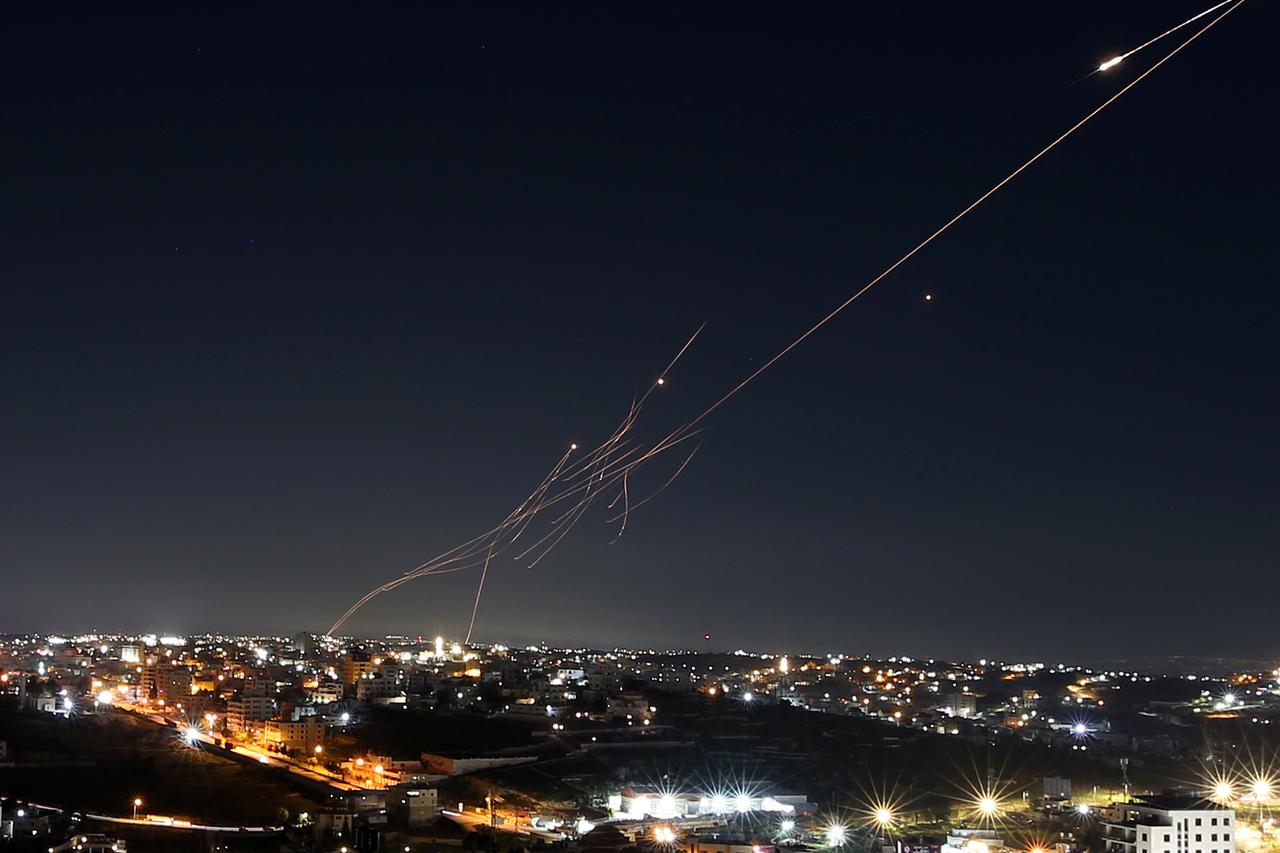
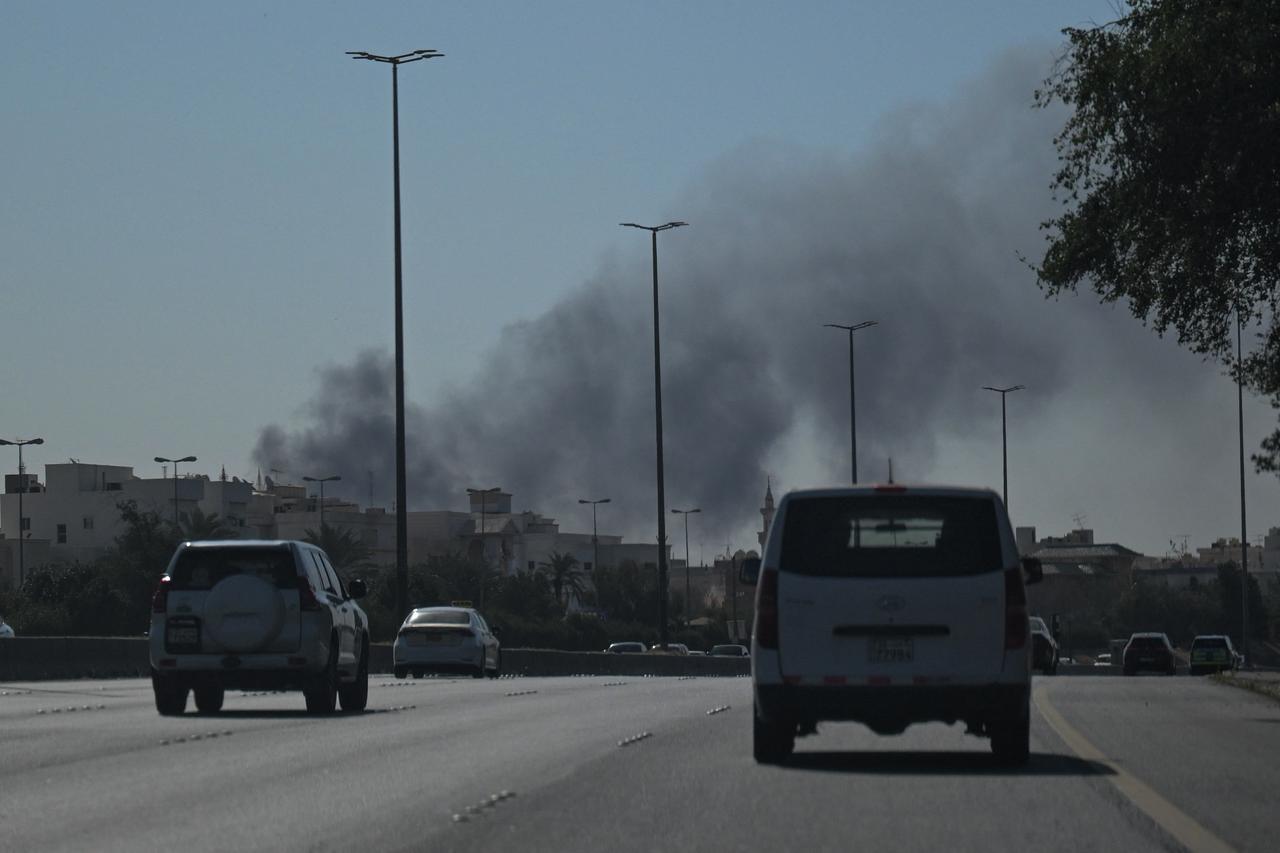
Iran has retaliated with missile and drone strikes against Israel and U.S. bases across the Gulf region.


 Set as preferred source
 Set as preferred source


 1 min read

 1 min read