Newsletters


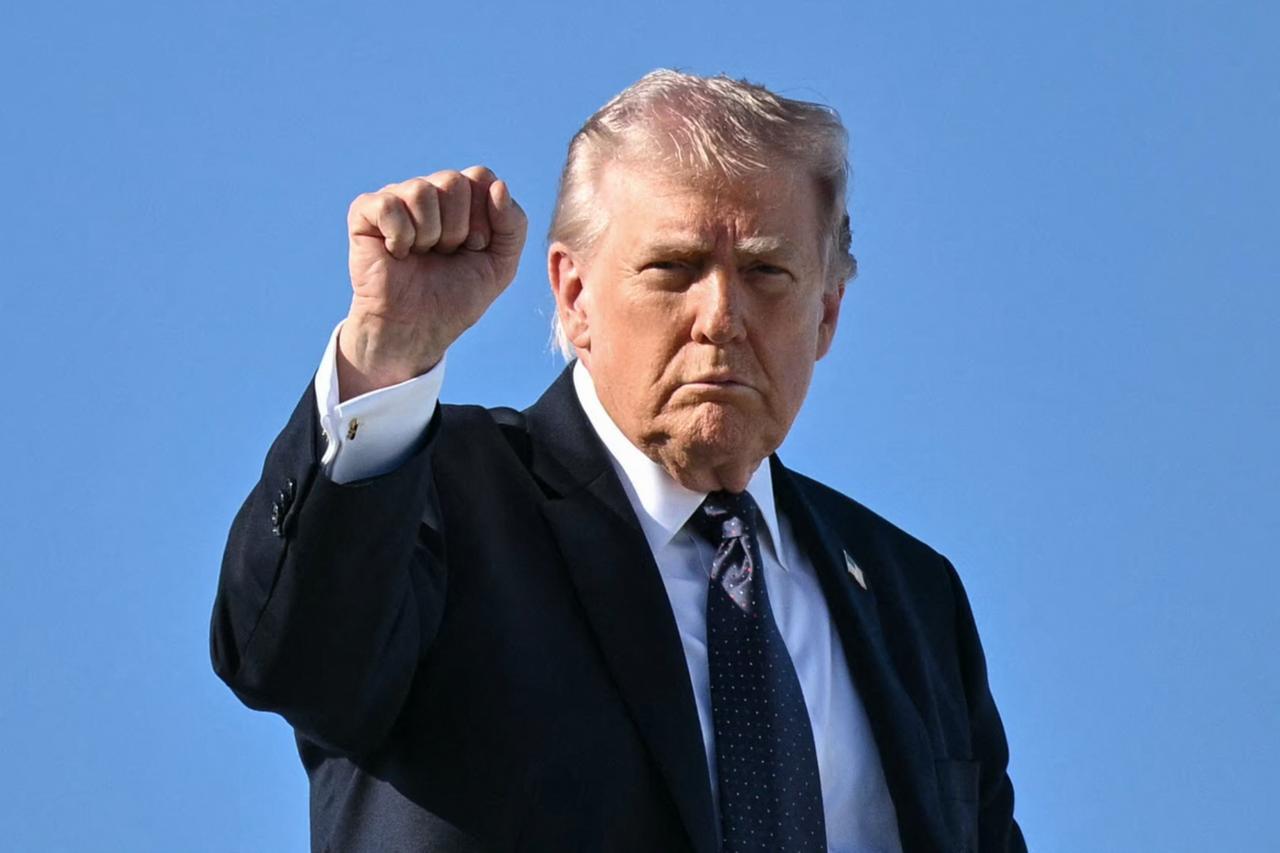


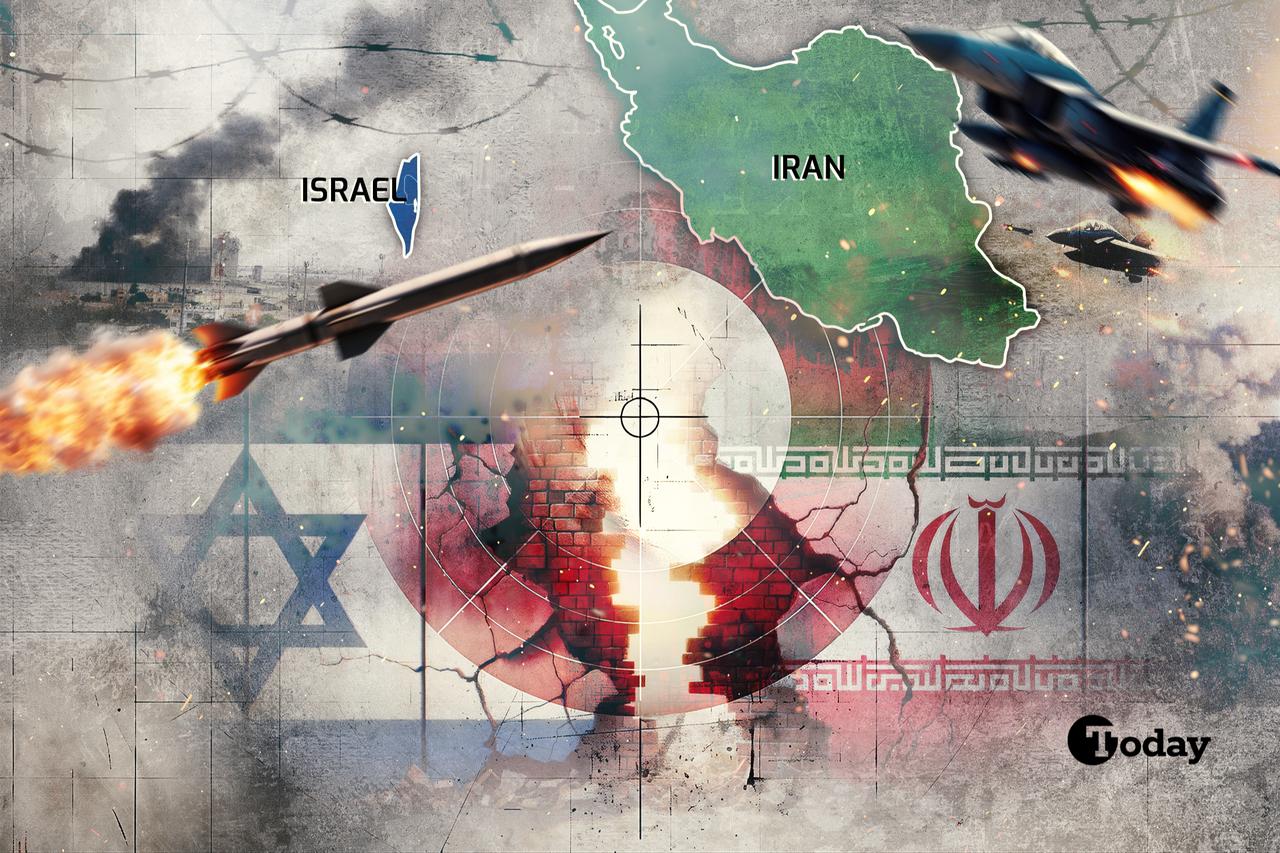
U.S. President Donald Trump stated on Sunday that the joint U.S.-Israeli military campaign against Iran is expected to last four to five weeks, while revealing he had a shortlist of three names to lead Iran, though he acknowledged many potential candidates were killed in Saturday's strikes.
"It's always been a four-week process," Trump told the Daily Mail interview, noting that, "As strong as it is, it's a big country, it'll take four weeks, or less."
In a separate telephone interview with The New York Times (NYT) lasting roughly six minutes, Trump said, "Well, we intended four to five weeks," when asked how long the United States and Israel could sustain the attacks.
"It won't be difficult," Trump added.
"We have tremendous amounts of ammunition. You know, we have ammunition stored all over the world in different countries," he noted.
He made no mention of the Pentagon's concerns that the conflict could further deplete reserves that military strategists have said are critical to retain in scenarios like a conflict over Taiwan or Russian incursions into Europe.
Trump said he had not been surprised by any of the outcomes so far. "I think it's going as per planned, other than we took out their entire leadership, far, far more than what we thought," he said, reiterating his claim that 48 Iranian leaders had been eliminated.
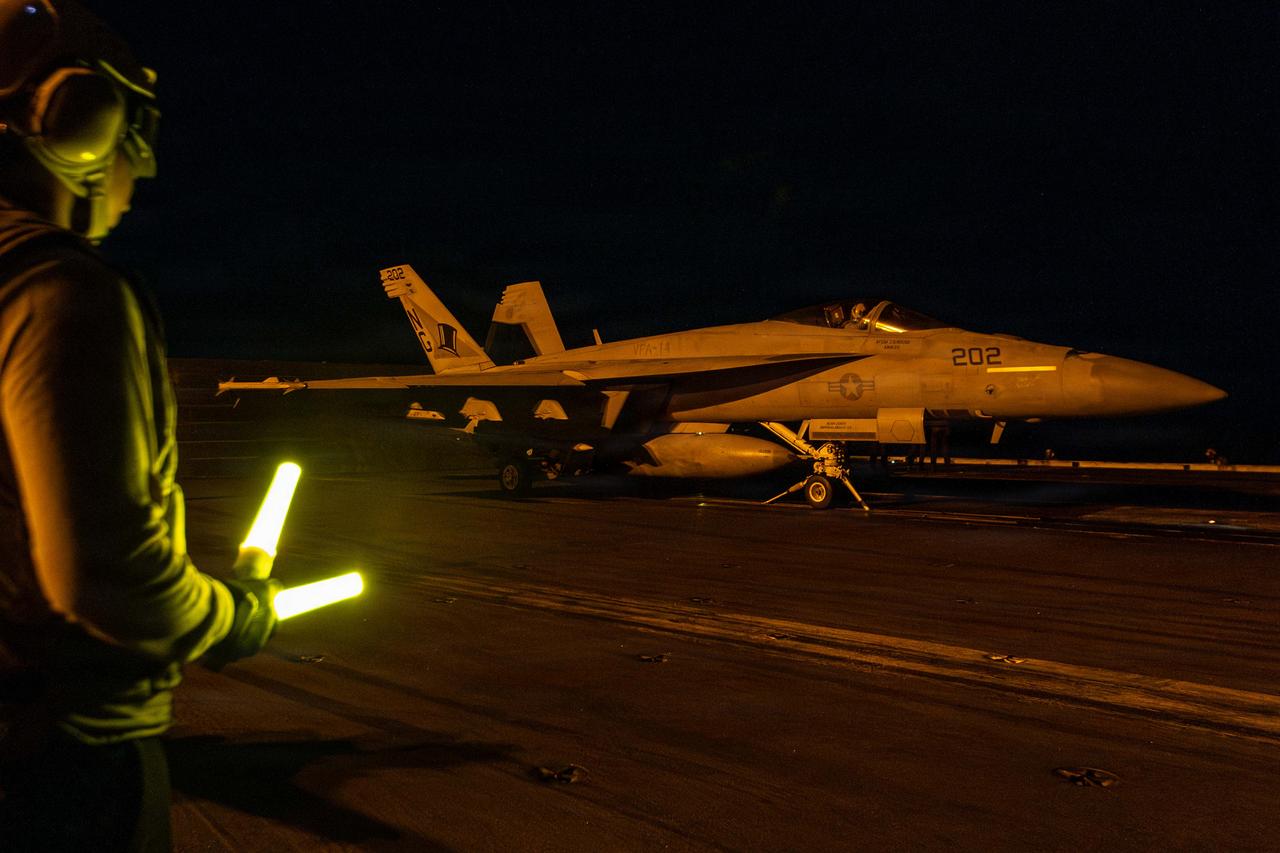

In a recent video posted on Truth Social, Trump said military operations were continuing at full force. "Combat operations are now ongoing at full power and will continue until all our targets are achieved. We have very strong targets," he stated.
Trump acknowledged the deaths of three U.S. service members, with five seriously wounded since operations began. "Unfortunately there will be more casualties. That's how it is. There will probably be more, but we will do everything we can to prevent that," he said.
"Three is three too many as far as I'm concerned," Trump told The New York Times.
"If you look at projections, they do projections, it, you know, it could be quite a bit higher than that," he added.
Trump told The New York Times he had "three very good choices" about who could lead Iran but declined to name them. "I won't be revealing them now. Let's get the job done first," he said.
However, in a separate interview with ABC News, Trump said potential candidates identified by the U.S. who might take over Iran were killed in Saturday's strikes. "The attack was so successful it knocked out most of the candidates," Trump told ABC News' Jonathan Karl.
"It's not going to be anybody that we were thinking of because they are all dead. Second or third place is dead," he noted.
Trump also referenced Ali Khamenei's killing, saying, "I got him before he got me. They tried twice. Well, I got him first."
The Department of Justice (DOJ) in 2024 announced federal charges in a thwarted plot to kill Trump prior to the presidential election. According to court documents, Iranian officials asked one of the suspects, Farhad Shakeri, to focus on surveilling and ultimately assassinating Trump.
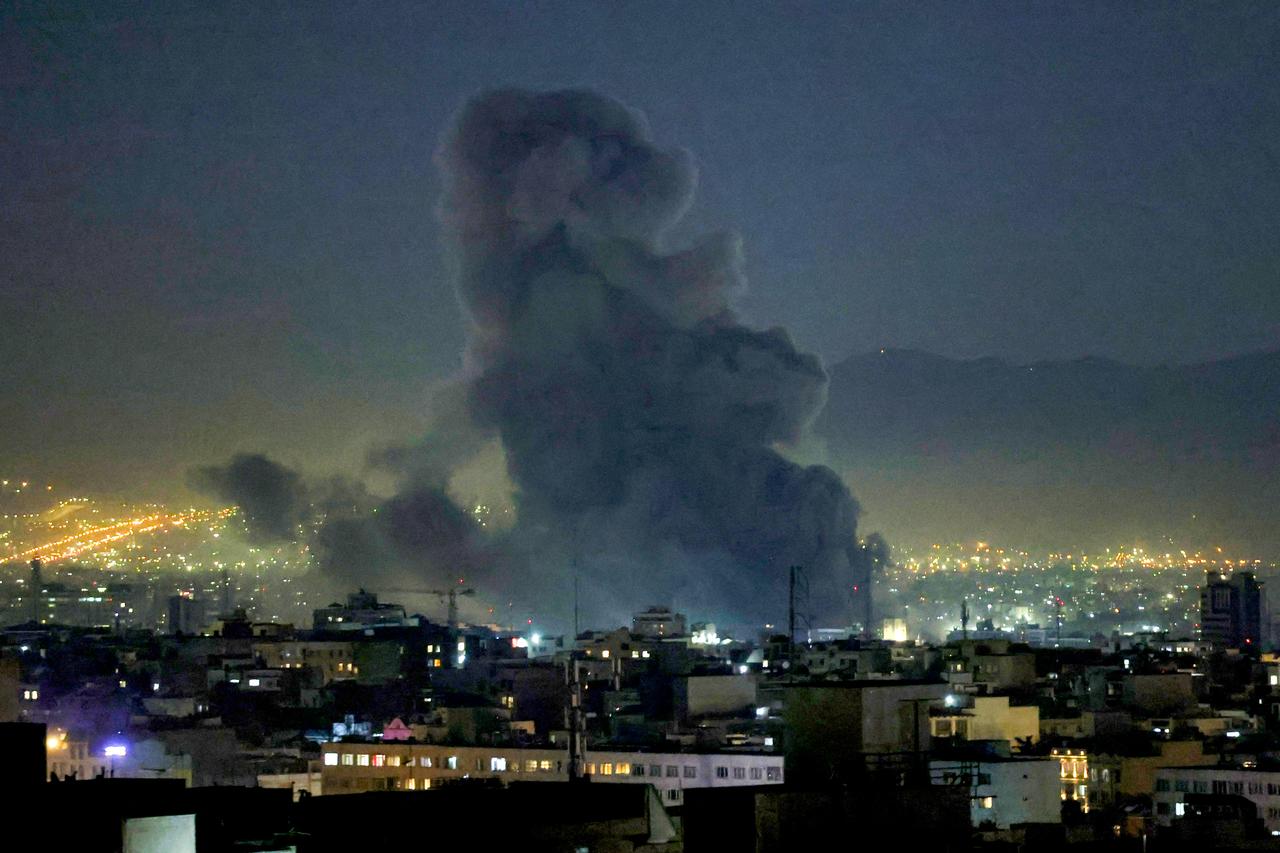
Trump offered several seemingly contradictory visions of how power might be transferred to a new government, or even whether the existing Iranian power structure would run that government or be overthrown.
When pressed on his plans for a transition of power, Trump said he hoped Iran's elite military forces, including officers of the Islamic Revolutionary Guard Corps (IRGC), would simply turn over their weapons to the Iranian populace.
"They would really surrender to the people, if you think about it," he said.
Trump then offered a very different model, referring repeatedly to his experience in Venezuela after he ordered a Delta Force team to seize former President Nicolas Maduro. "What we did in Venezuela, I think, is the perfect, the perfect scenario," Trump said.
His advisers have told him that the vast differences in cultures and history made it virtually impossible to apply the strategy used in Venezuela, in which the existing government was kept in place after it agreed to take instructions from Washington, and try to replicate it in Tehran.
"Everybody's kept their job except for two people," Trump said of the outcome in Venezuela.
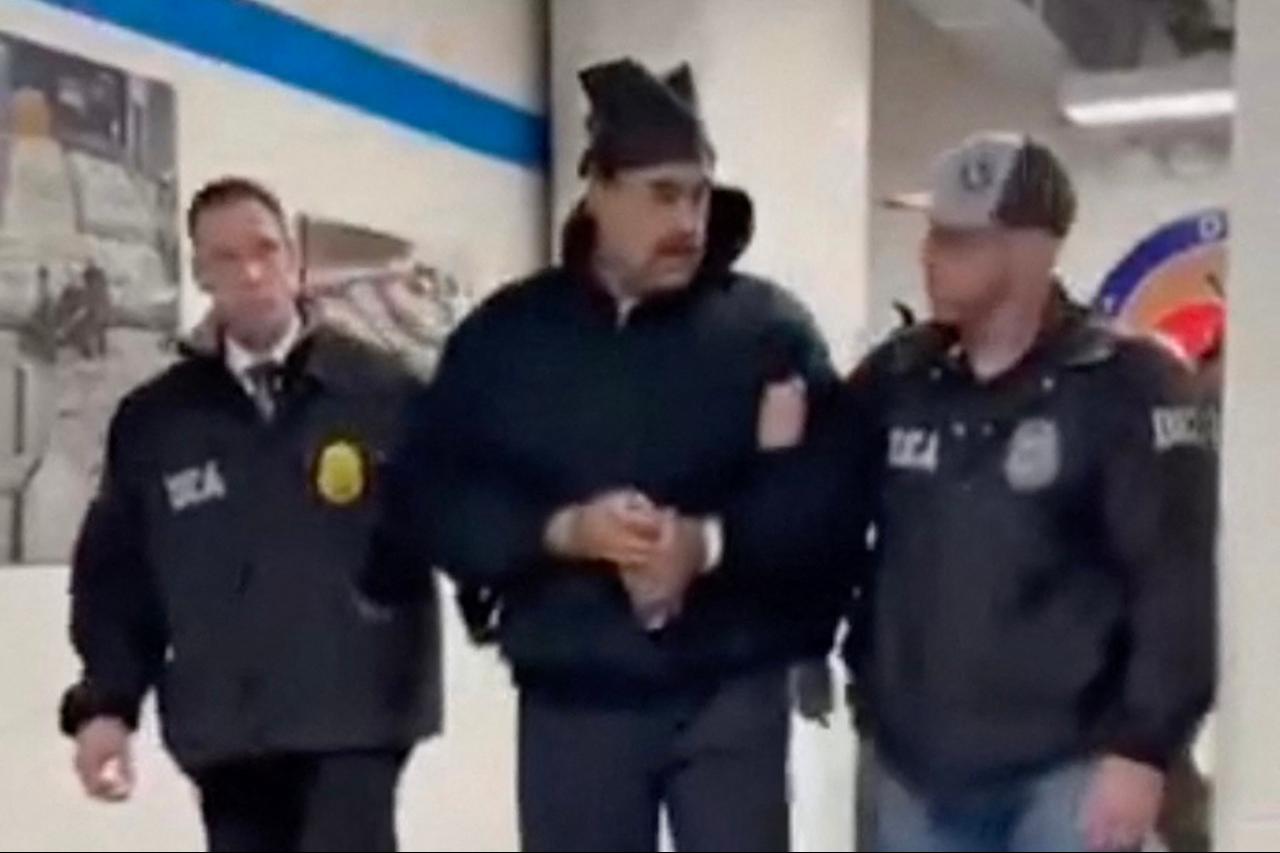
He then described a scenario in which the Iranian people would overthrow the existing government. "That's going to be up to them about whether or not they do," Trump said.
"They've been talking about it for years, so now they'll obviously have an opportunity," he added.
Trump called on the IRGC, Iranian military and police to lay down their weapons and receive full immunity, "otherwise they will face death." He urged "all patriots who yearn for freedom to be brave, bold and heroic and take back their country. America is with you."
Trump also expressed hope that a democracy could emerge in Iran after the strikes conclude. "A lot of very positive things could happen," he stated.
On the possibility of Saudi Arabia joining the fight, Trump suggested the Kingdom was already engaged. "They're fighting, they're fighting too," he said, though there have been no public statements from Riyadh confirming this.
Trump said he was open to lifting sanctions on Iran if new leadership showed itself to be a pragmatic partner. But he refused to say how, or if, his administration would defend the Iranian people he has said should overthrow the current government.
"I don't make a commitment one way or the other; it's too early," Trump said, adding that, "We have work to do and we've done it very well. I'd say we're quite ahead of schedule."
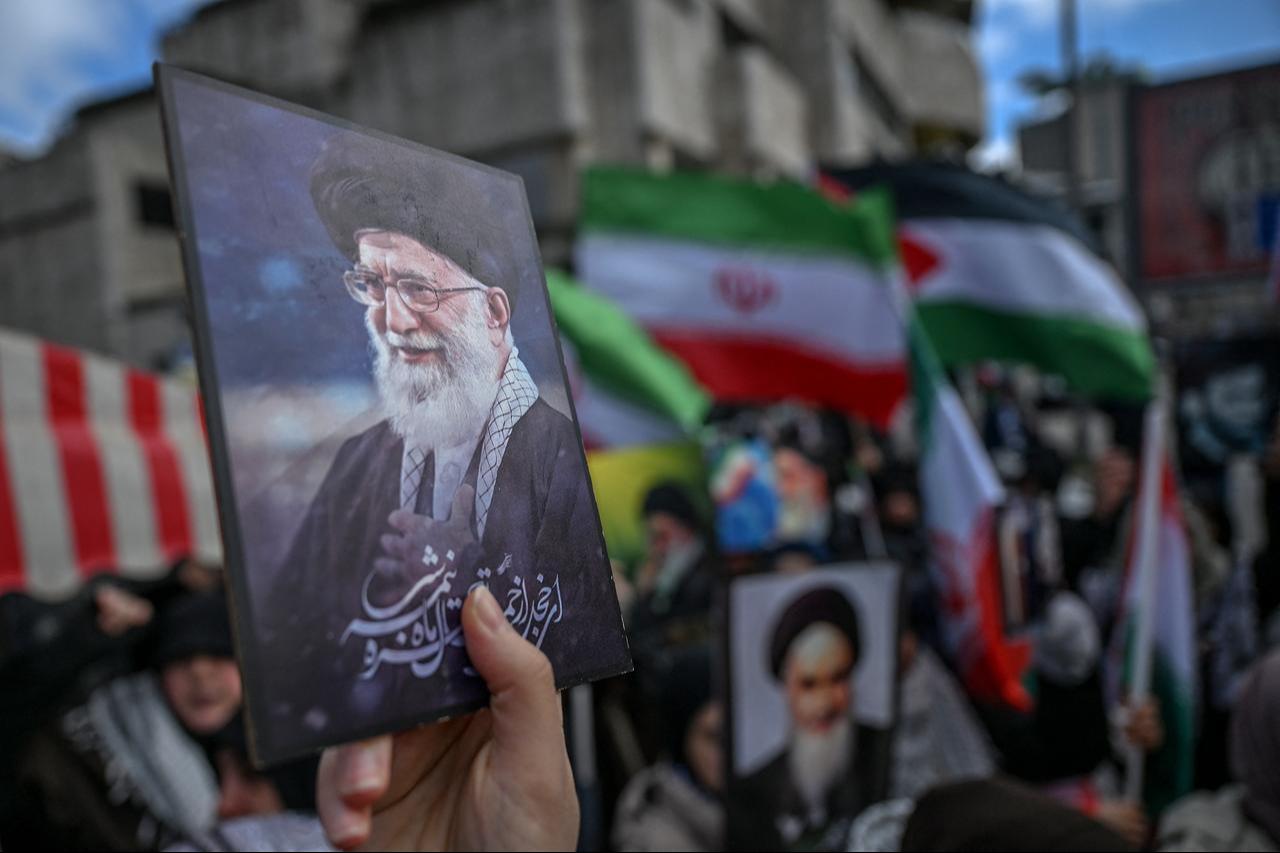
Trump added that U.S.-Israeli military strikes had "knocked out a big portion" of the Iranian navy, including nine ships and the navy headquarters.
U.S. forces struck Iranian command centers, ballistic missile sites, naval vessels, and air defense systems in the opening 24 hours, deploying B-2 stealth bombers, fighter jets, nuclear-powered aircraft carriers, and guided-missile destroyers, according to U.S. Central Command (CENTCOM).
Iran retaliated with drone and missile strikes targeting Israel, Qatar, the United Arab Emirates, Bahrain and other countries, where U.S. bases are located.


 Set as preferred source
 Set as preferred source


 2 min read
 1 min read