Newsletters


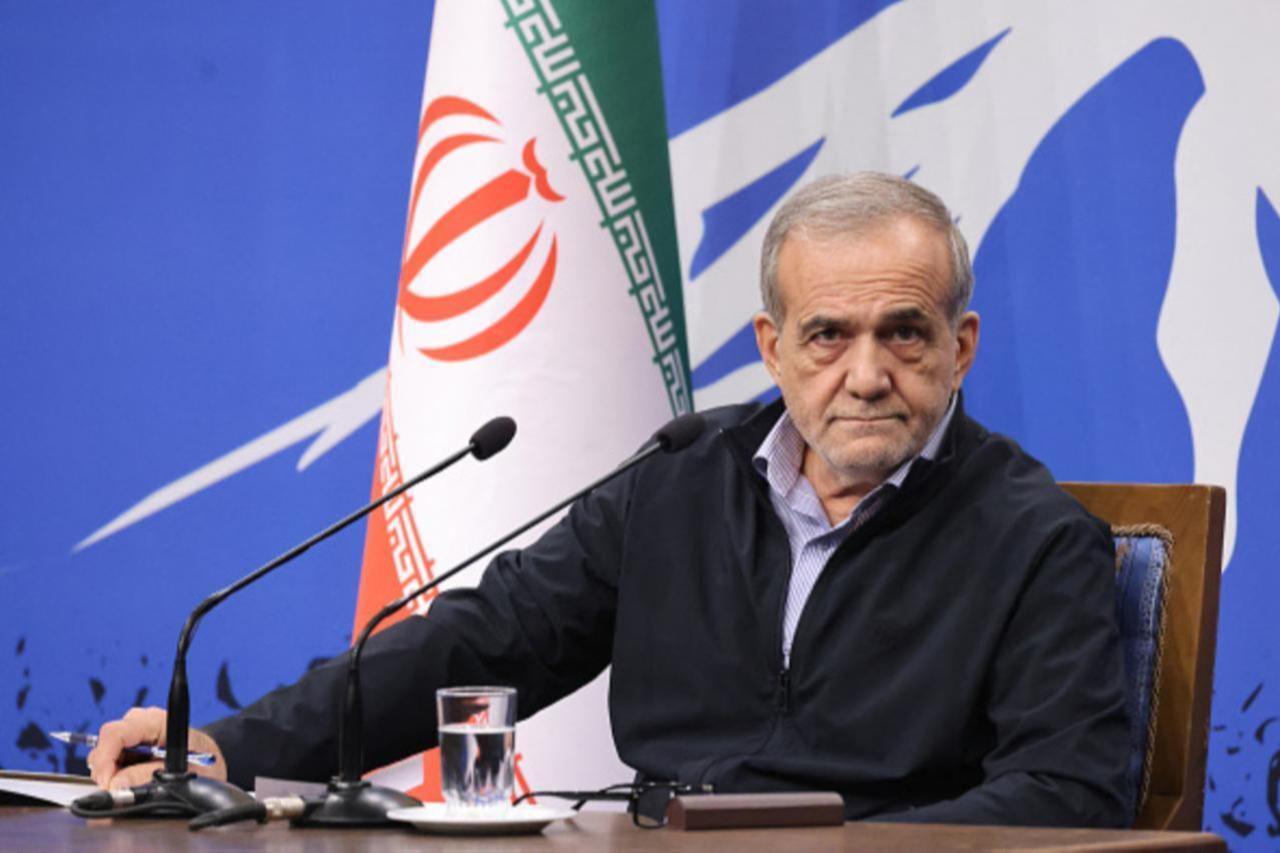


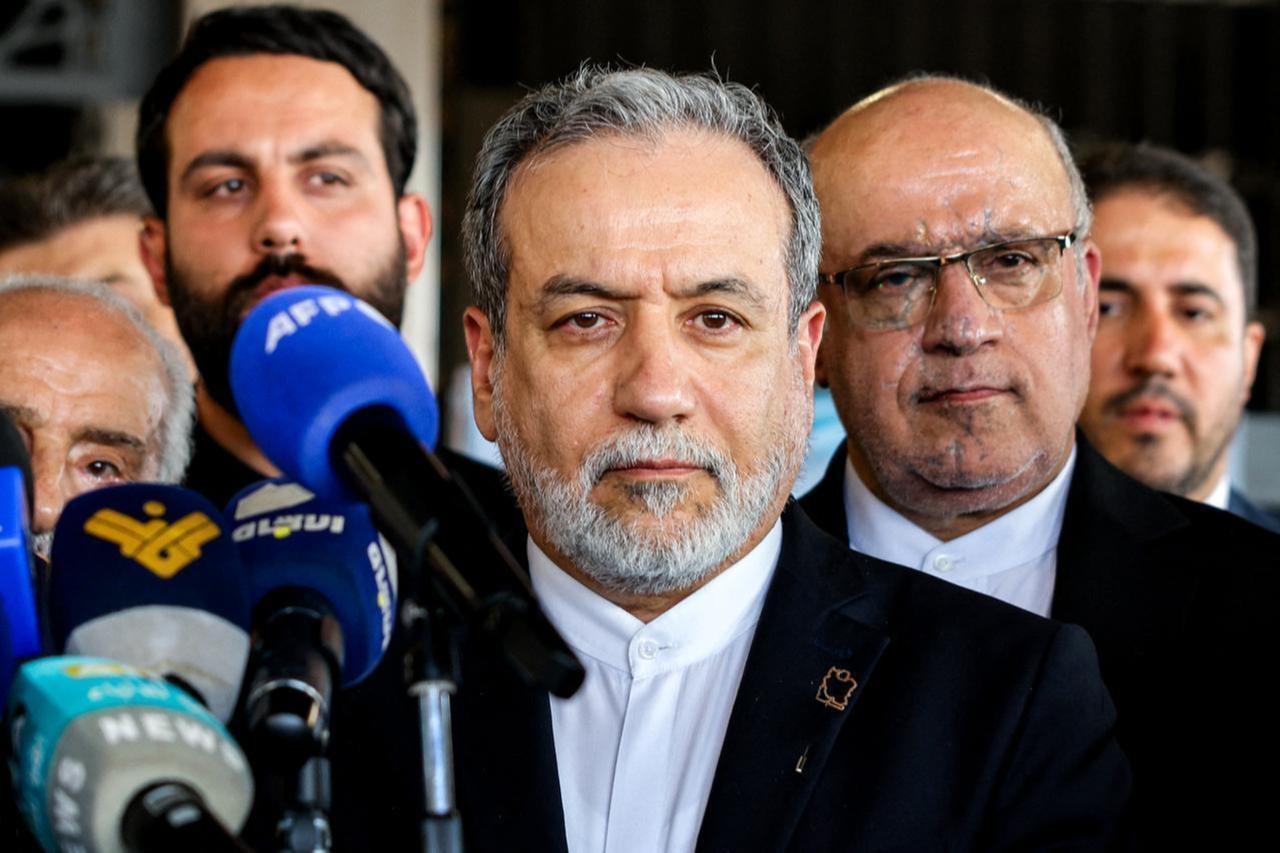
Iran’s President Masoud Pezeshkian said Saturday that Tehran will stop attacking neighboring countries unless attacks on Iran originate from those territories, while insisting the country will not surrender to Israel or the U.S.
In a televised address on state television, Pezeshkian apologized to countries in the region that had been struck during the conflict.
“I personally apologize to the neighboring countries that were attacked by Iran,” he said. “We do not intend to attack neighboring countries. As I have repeatedly said, they are our brothers.”

Pezeshkian said the three-member leadership council temporarily ruling Iran had instructed the armed forces to halt attacks on neighboring countries unless they are used as a base for strikes against Iran.
“The interim leadership council agreed yesterday that no more attacks will be made on neighboring countries and no missiles will be fired unless an attack on Iran originates from those countries,” he said.
He added that the leadership council had “told armed forces that from now on there should be no attack on neighboring countries or hit missiles unless they would want to attack us from those countries.”
Pezeshkian also said disputes should be resolved through diplomacy rather than fighting.
“I think we need to solve this with diplomacy rather than fighting and having problems with neighboring countries,” he said.
He urged Gulf countries not to become a “plaything in the hands of imperialism” and warned them not to attack Iranian territory.
During the speech, Pezeshkian also rejected calls for Iran to surrender.
Iran’s enemies “must take their wish for the unconditional surrender of the Iranian people to their graves,” he said.
His remarks came less than a day after U.S. President Donald Trump said his administration would not negotiate with Tehran without its “unconditional surrender.”
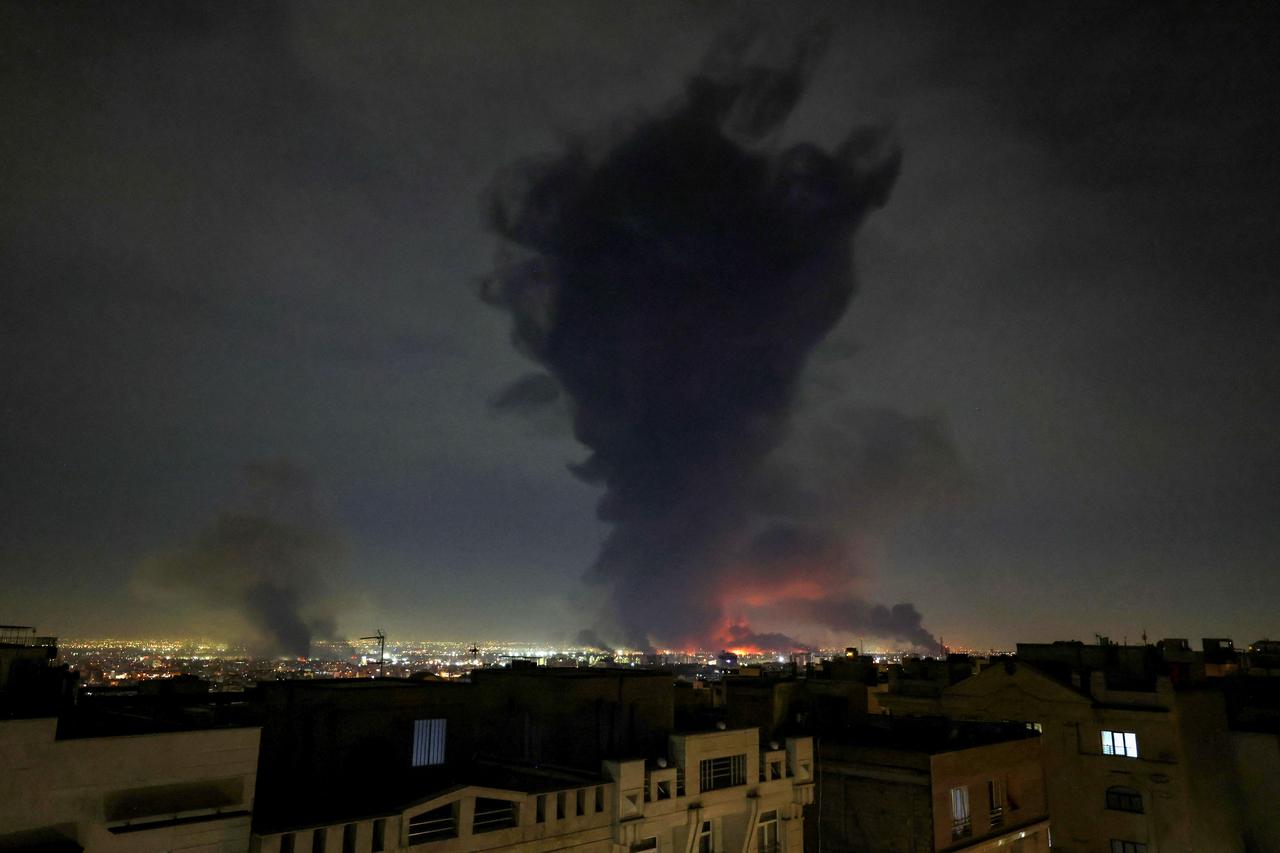
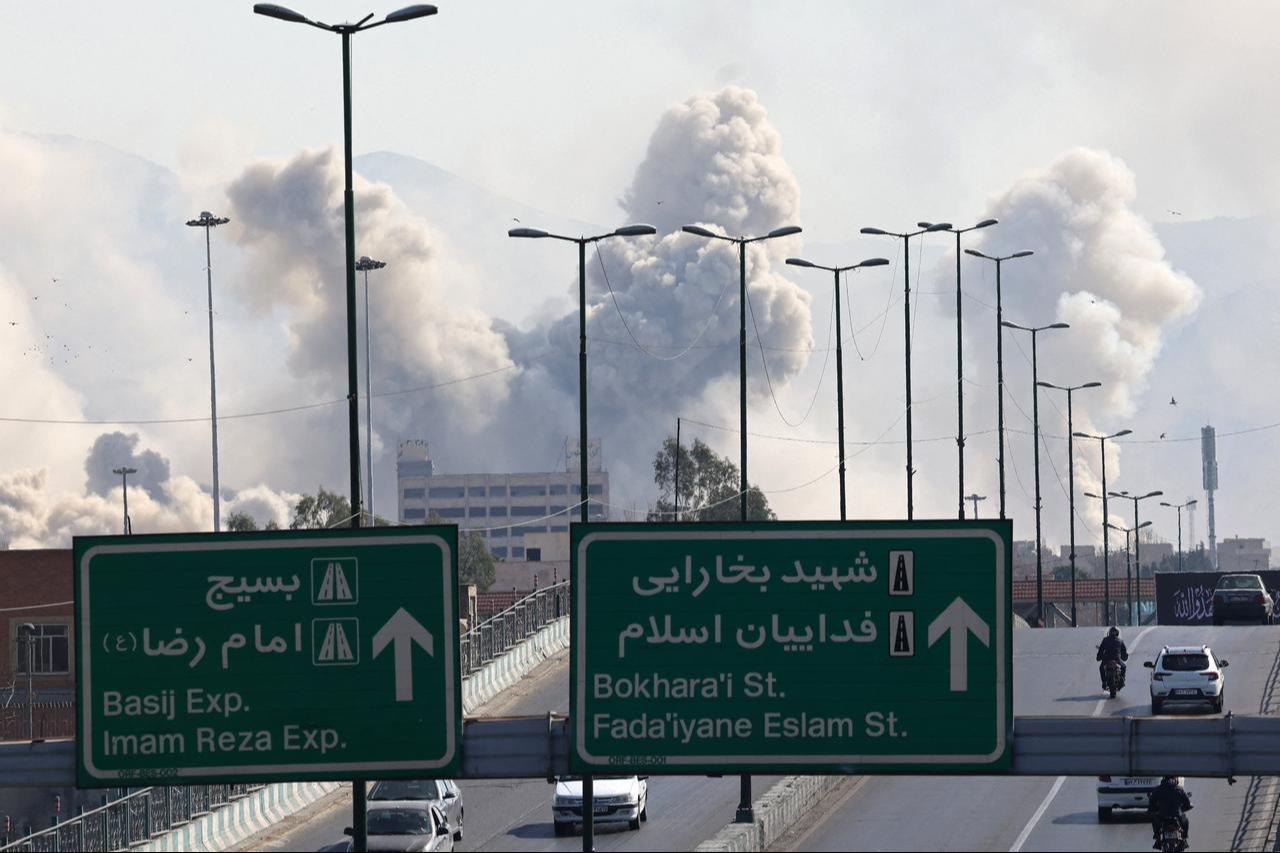
The Middle East war entered its second week after Israel and the U.S. launched strikes against Iran on Feb. 28 that killed the Islamic Republic’s Supreme Leader Ali Khamenei and triggered a wider regional conflict.
Iran has since carried out missile and drone strikes on Israel and on U.S. interests in countries across the region, mainly in the Gulf.
Pezeshkian is one of three members of the interim leadership council that has governed Iran since Khamenei’s killing. The council also includes judiciary chief Gholamhossein Mohseni Ejei and senior cleric Alireza Arafi.
Türkiye said NATO air defenses destroyed an Iranian ballistic missile headed into Turkish airspace on Wednesday.
The interception marked the first time a NATO member has been drawn directly into the Middle East conflict, raising the possibility of a broader expansion involving alliance members.
Türkiye, which had sought to mediate U.S.-Iran talks before the air war began, urged all sides to avoid further escalation.
Ankara warned “all parties to refrain from actions that would lead to further escalation,” suggesting it was not poised to call on the trans-Atlantic defense bloc for support.
Azerbaijan said it was withdrawing its diplomatic staff from Iran after accusing Tehran of launching four drones across the border into the Azerbaijani exclave of Nakhchivan.
According to Azerbaijani authorities, the airport terminal was hit, a drone exploded near a school, injuring civilians, and another drone was shot down.
Azerbaijan’s President Ilham Aliyev condemned the incident as an “act of terror” and demanded an explanation and apology from Tehran.


 Set as preferred source
 Set as preferred source


 2 min read
 1 min read