Newsletters


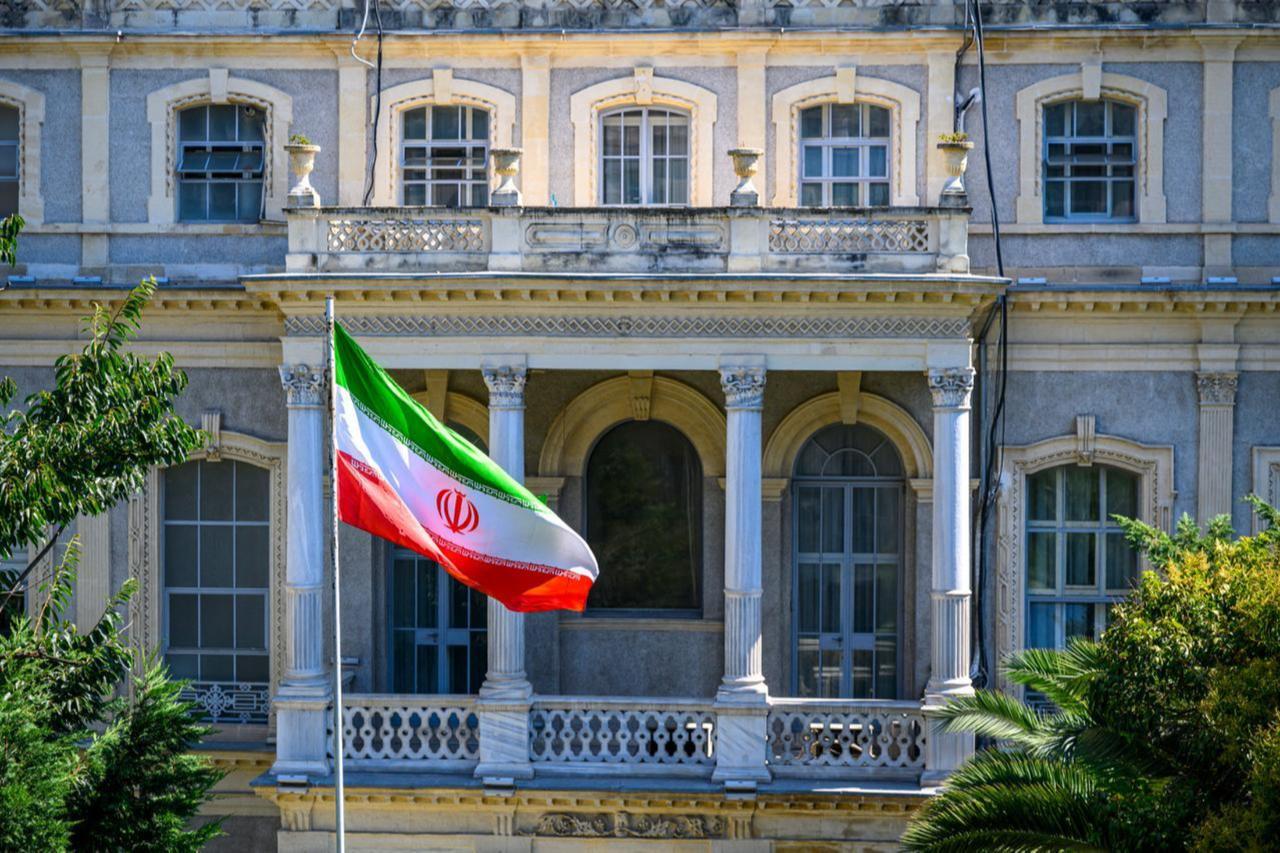


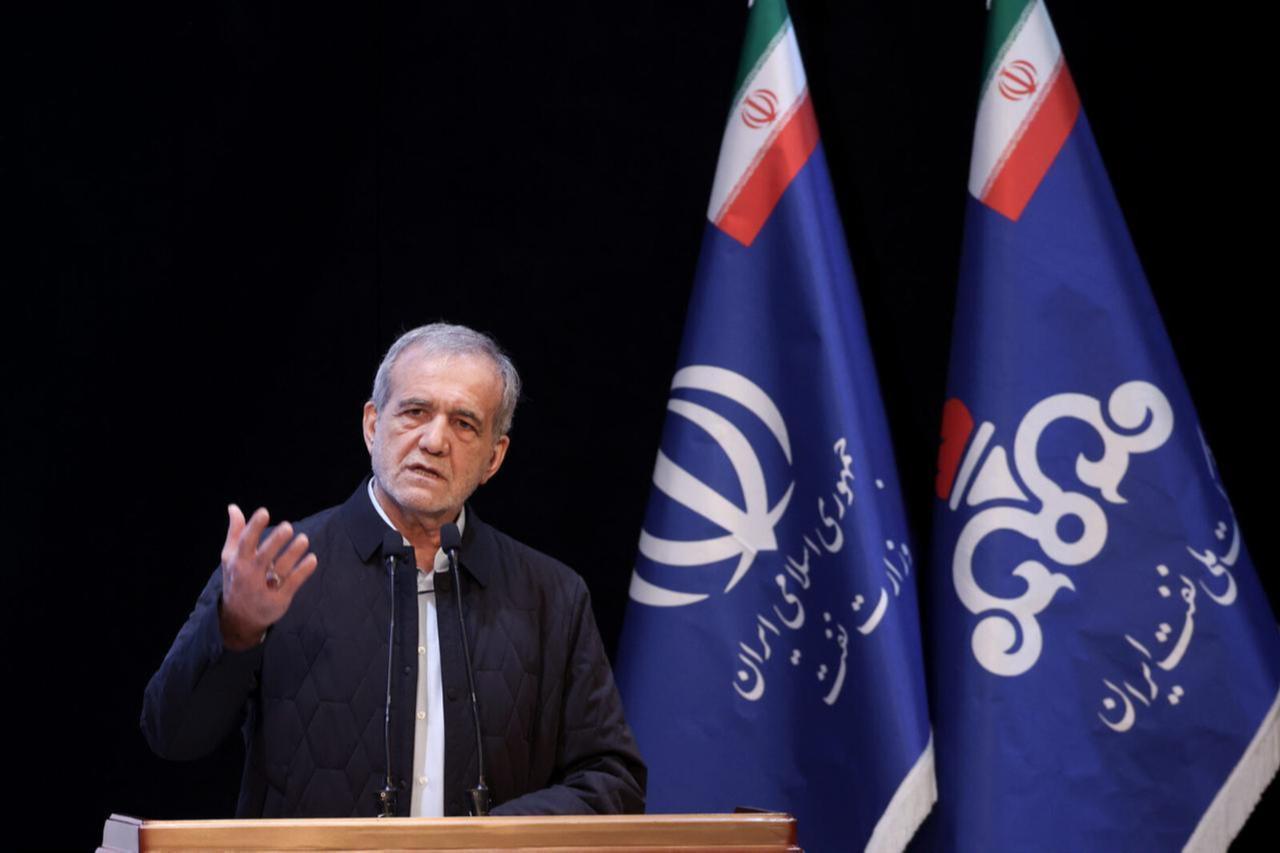
Iran's Foreign Minister Abbas Araghchi said the country is "ready for war and also for dialogue," while accusing the United States of instigating violence during ongoing protests that have killed hundreds and led to a nationwide internet blackout lasting over 84 hours.
Araghchi said at a Monday news conference that the current situation in Iran cannot be described as protests but rather constitutes "a terrorist war against the country."
"What is happening now is not protests; it is a terrorist war against the country," Araghchi stated.
He accused armed groups of infiltrating demonstrations and claimed Iranian authorities possess evidence of external intervention. "We will pursue the perpetrators and planners of the terrorist acts internationally and domestically. We have many documents that indicate American and Israeli intervention," he said.
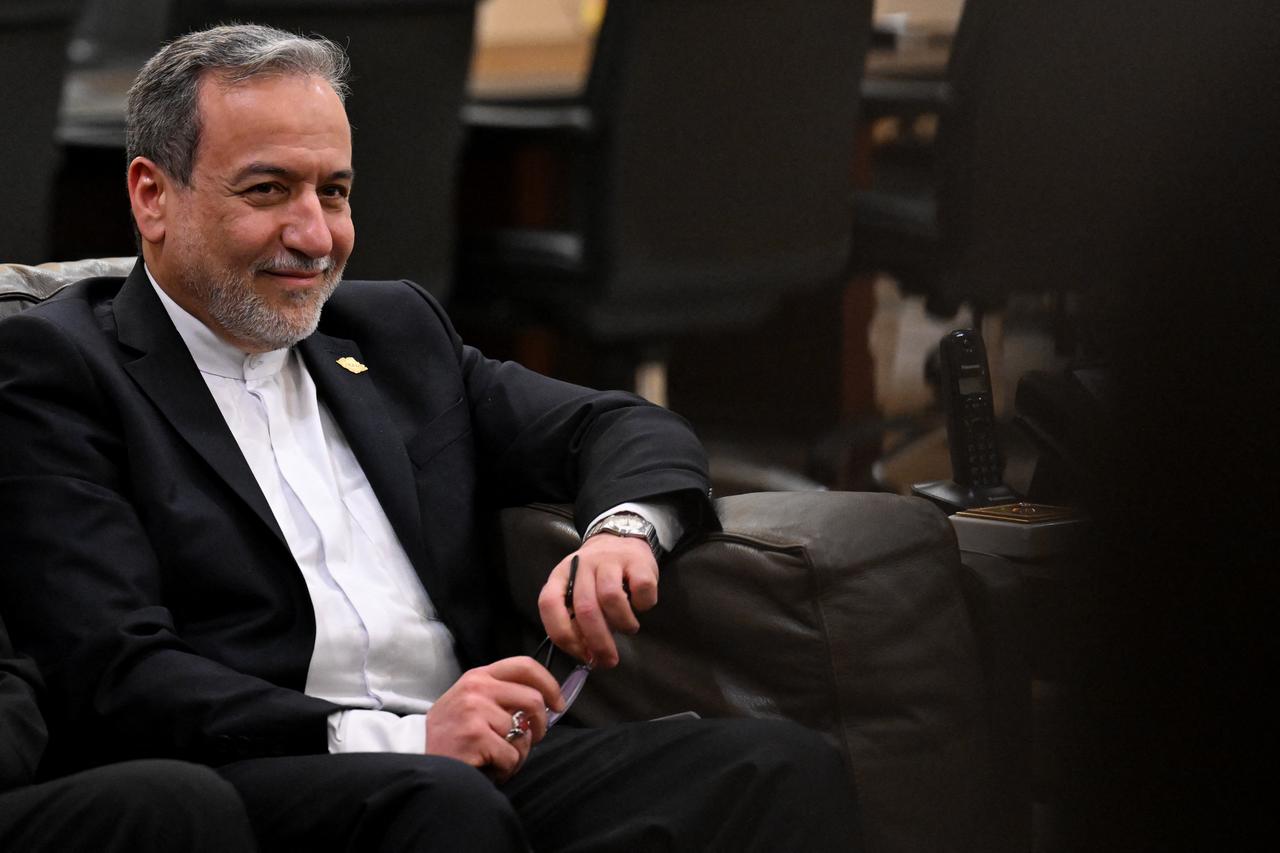

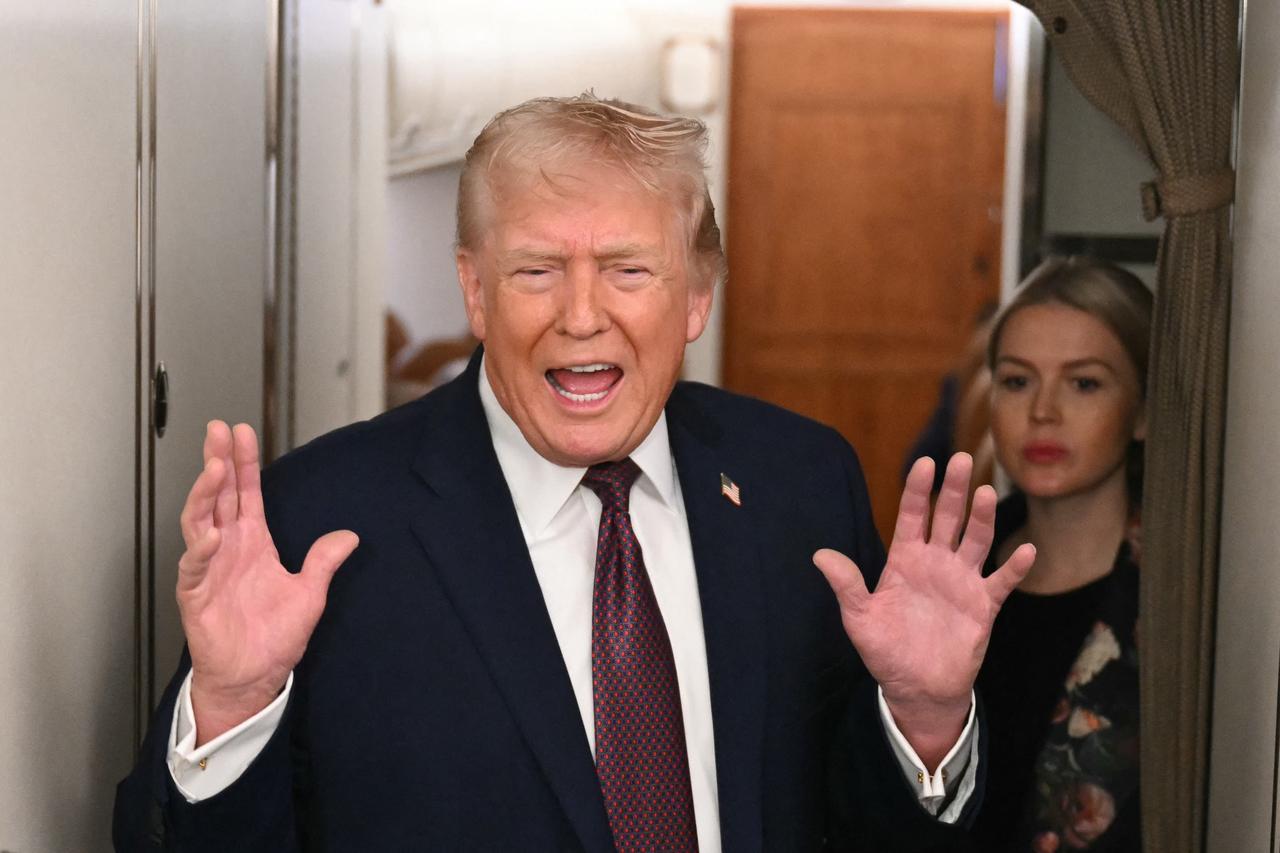
Araghchi blamed U.S. President Donald Trump's warnings against Tehran for provoking increased violence.
"Since Trump pointed at intervention, protests have turned bloody to provide an excuse for intervention," he said.
The Foreign Minister claimed that armed terrorist groups received orders to target both civilians and security forces. "Iranian authorities possess audio recordings of voice messages sent to terrorist elements ordering them to open fire on civilians and security forces," he claimed.
Araghchi said the situation in Iran is "under total control" and announced that internet service will be resumed soon for embassies and ministries. The Foreign Minister claimed the government has begun a dialogue with protest stakeholders and taken measures and reforms for implementation.
Araghchi said armed groups infiltrated demonstrations and targeted government buildings, police stations, and shops. He claimed authorities have images showing weapons being distributed among protesters.
"We have evidence proving the distribution of weapons to protesters," Araghchi said.
The Foreign Minister alleged that armed terrorists received external support and that Mossad elements participated in demonstrations to incite violence.
Iran has been rocked by waves of protests since last month, starting Dec. 28 at Tehran’s Grand Bazaar, over the sharp depreciation of the Iranian rial and worsening economic conditions. Anti-government demonstrations later spread to several other cities.
There are no official casualty figures, but the Human Rights Activists News Agency (HRANA), a U.S.-based rights group, estimates that the death toll has reached at least 544, including both security forces and protesters, with over 1,000 injured.
HRANA also reported that at least 10,681 people have been detained across protests in 585 locations nationwide, including 186 cities in all 31 provinces.
At least 109 Iranian security members were also killed during unrest sweeping several parts of the country over the past few days, the Qatar-based Al Jazeera channel reported Sunday, citing Iran’s Tasnim News Agency.
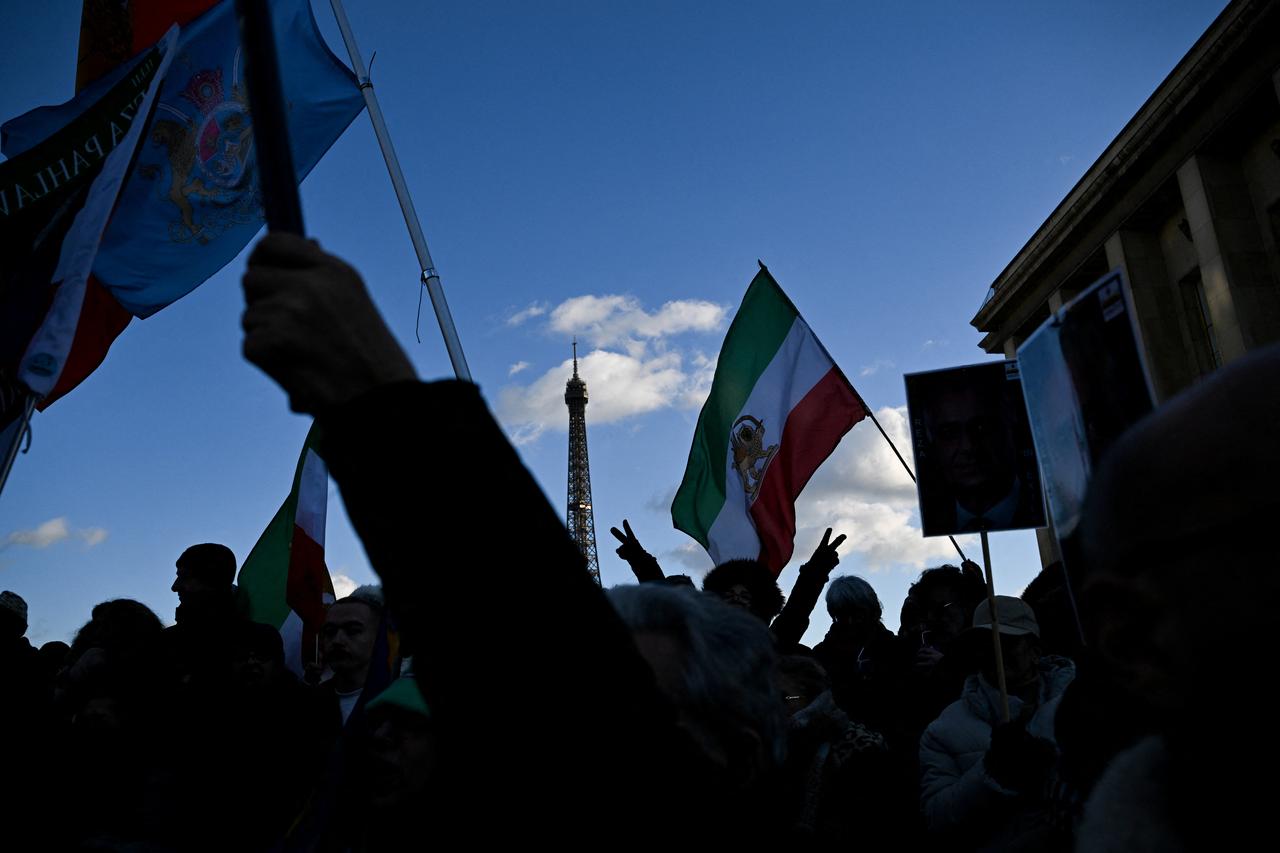
Iran has implemented a nationwide internet blackout lasting over 84 hours. The blackout extended to satellite connections after Iran deployed military jammers to shut down Starlink access for the first time.
According to Forbes, approximately 30% of Starlink's uplink and downlink traffic was initially disrupted, rising to over 80% within hours.
Despite Starlink service being illegal to possess in Iran, an estimated 30% more receivers are operating than during previous blackouts.
However, Iran has been disrupting GPS signals since a 12-day conflict with Israel last June, creating localized shutdowns and patchy connectivity in high-profile areas.


 Set as preferred source
 Set as preferred source


 2 min read

 1 min read