Newsletters




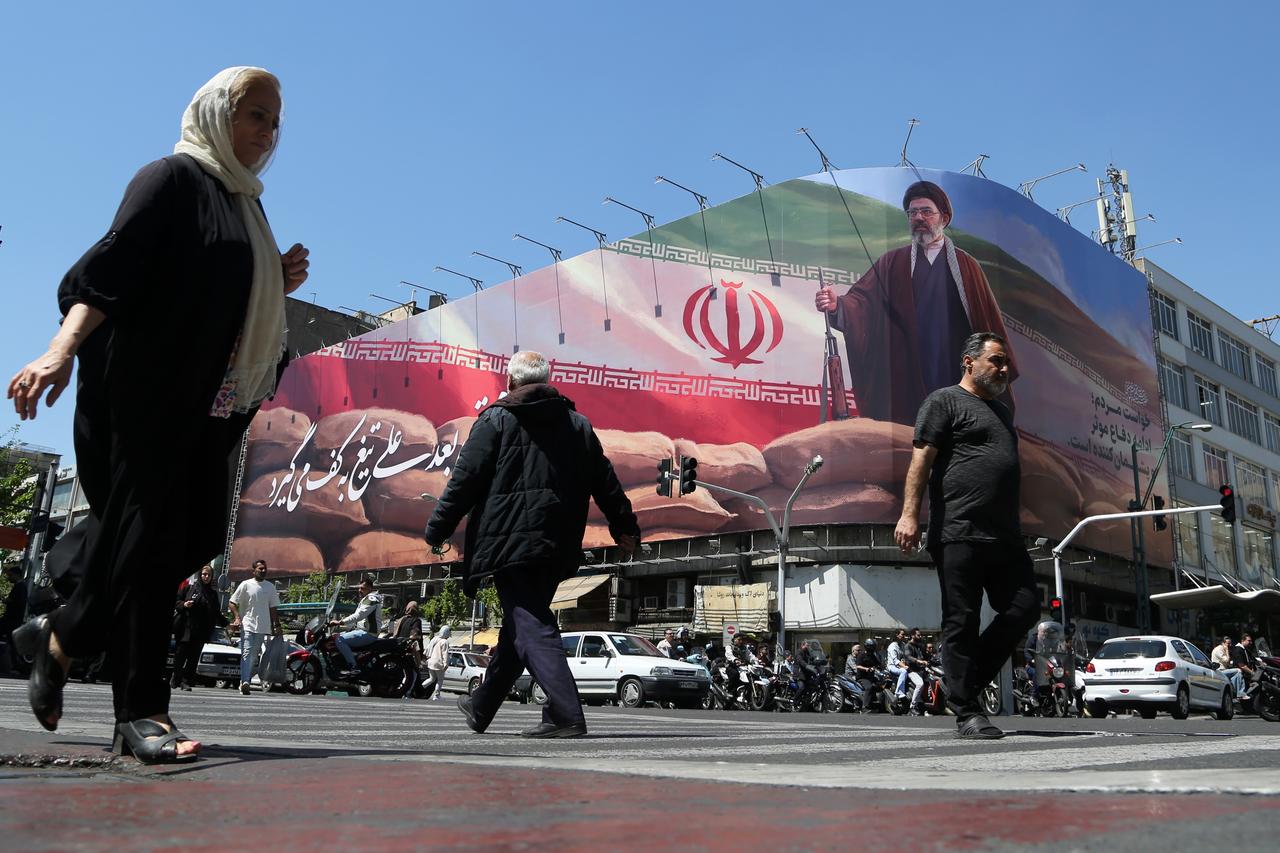
Ali Akbar Velayati, a senior adviser to Iran’s supreme leader, said Sunday that the Strait of Hormuz is “firmly in our hands,” underscoring Tehran’s resolve to defend its strategic interests following failed talks with the United States in Pakistan.
Writing on X, Velayati said Iran’s diplomatic posture is guided by one core principle: protecting the country.
“Today the Strait of Hormuz is firmly in our hands,” he said.
Velayati added that Iran’s diplomatic efforts remain focused on preserving national sovereignty and safeguarding strategic interests.
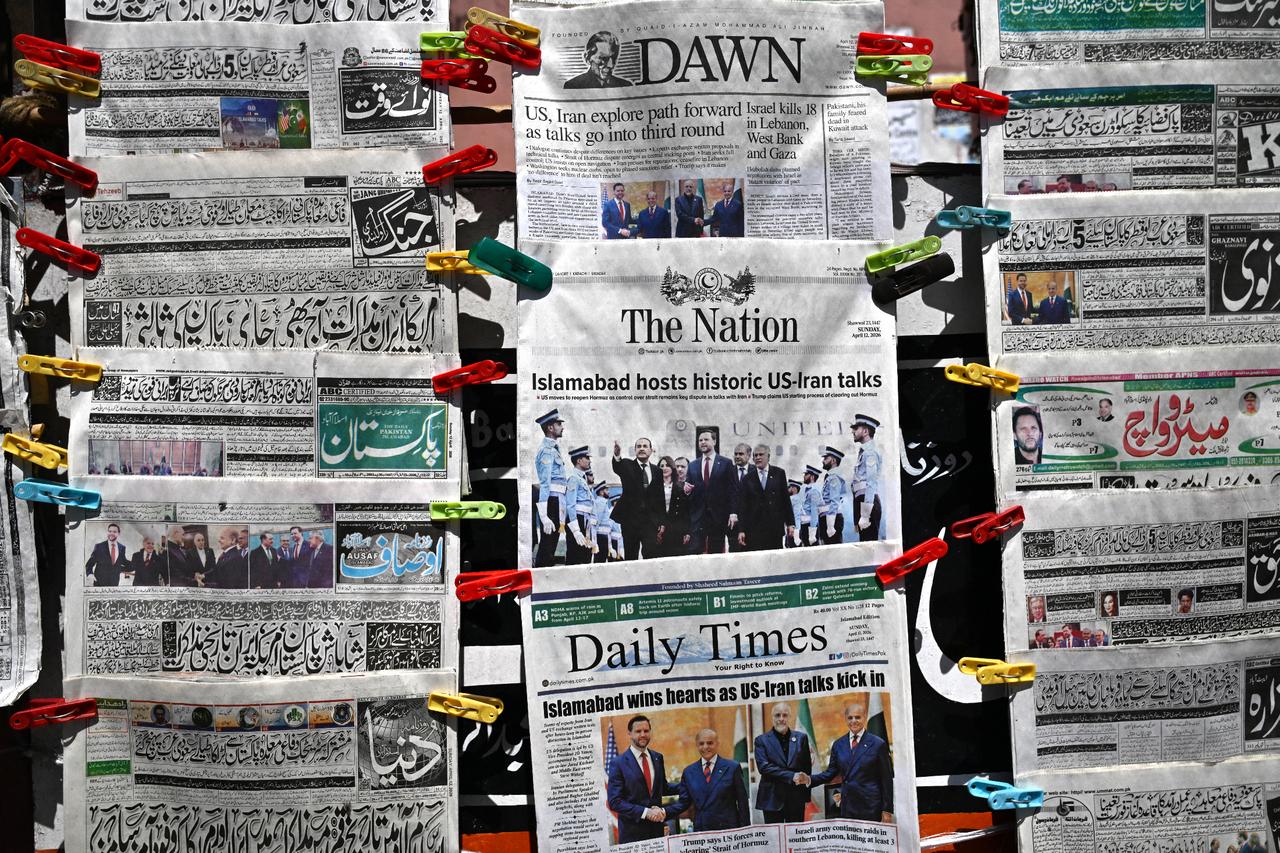
The remarks came after Iranian and U.S. delegations concluded their latest round of Pakistan-mediated negotiations in Islamabad without reaching an agreement.
The talks ended after multiple rounds of discussions and exchanges of proposals failed to produce a breakthrough.
Speaking in Islamabad, U.S. Vice President JD Vance said Washington and Tehran had failed to secure a deal despite lengthy negotiations.
“We have not reached an agreement … that’s bad news for Iran, much more than for the United States,” Vance said, adding that Iran had chosen “not to accept our terms.”
Both sides departed Islamabad with key disputes unresolved while signaling that further diplomacy would be necessary.

Meanwhile, a Pakistani source told CNN that “hectic diplomacy” took place during the negotiations and that Islamabad remained heavily involved in mediating the process.
According to the report, the source said both sides expressed optimism and agreed that diplomacy remained the only viable path forward.
Neither side, the source said, wanted a return to Feb. 28, when the war began.
The source added that both delegations were also attempting to “play to their domestic audiences” and warned that regional and international actors opposed to the talks could still undermine the process.
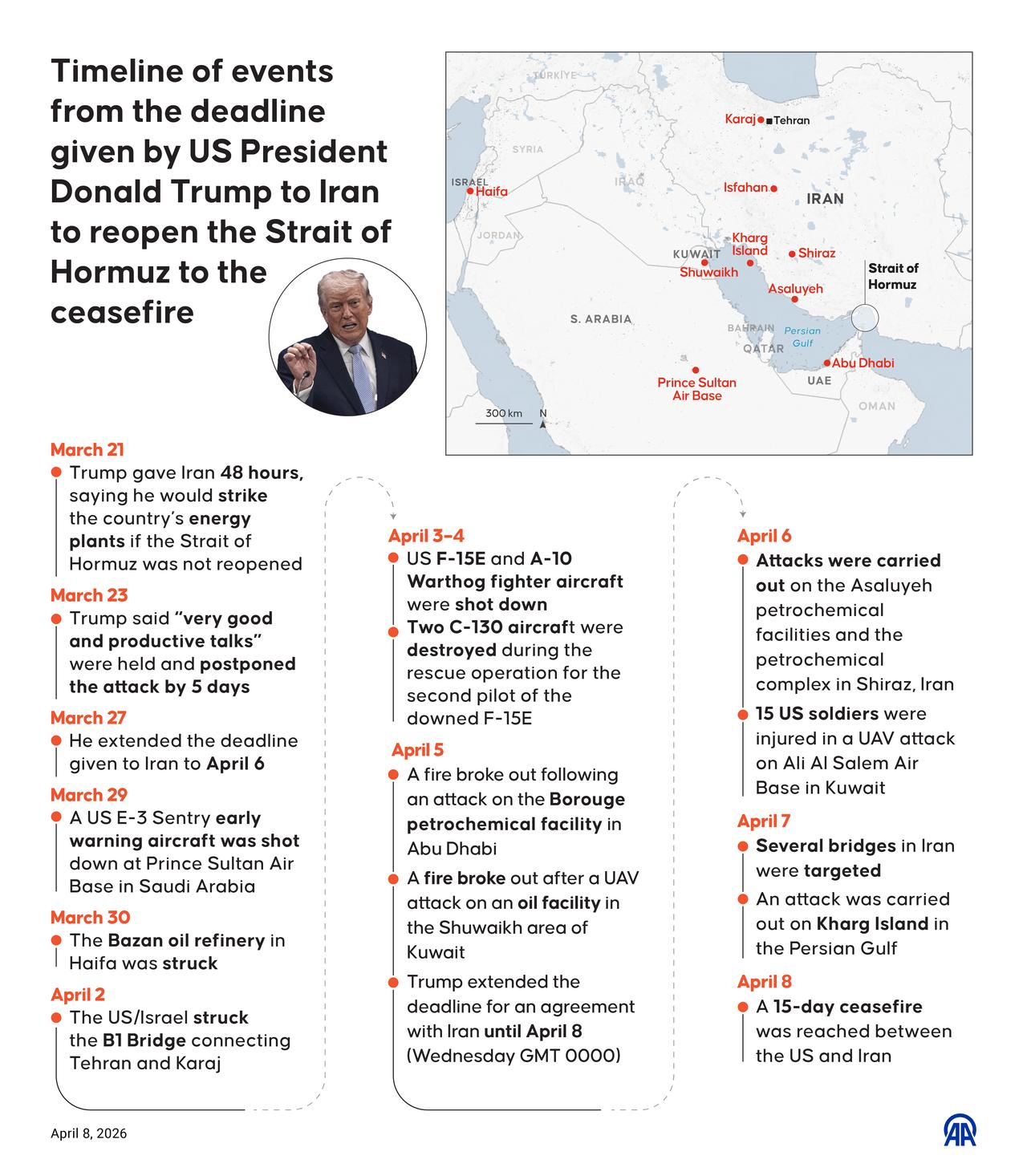
The talks were part of broader diplomatic efforts to end the U.S.-Israeli war on Iran, which has killed more than 3,300 people since Feb. 28, before a fragile two-week ceasefire was brokered by Pakistan earlier this week.
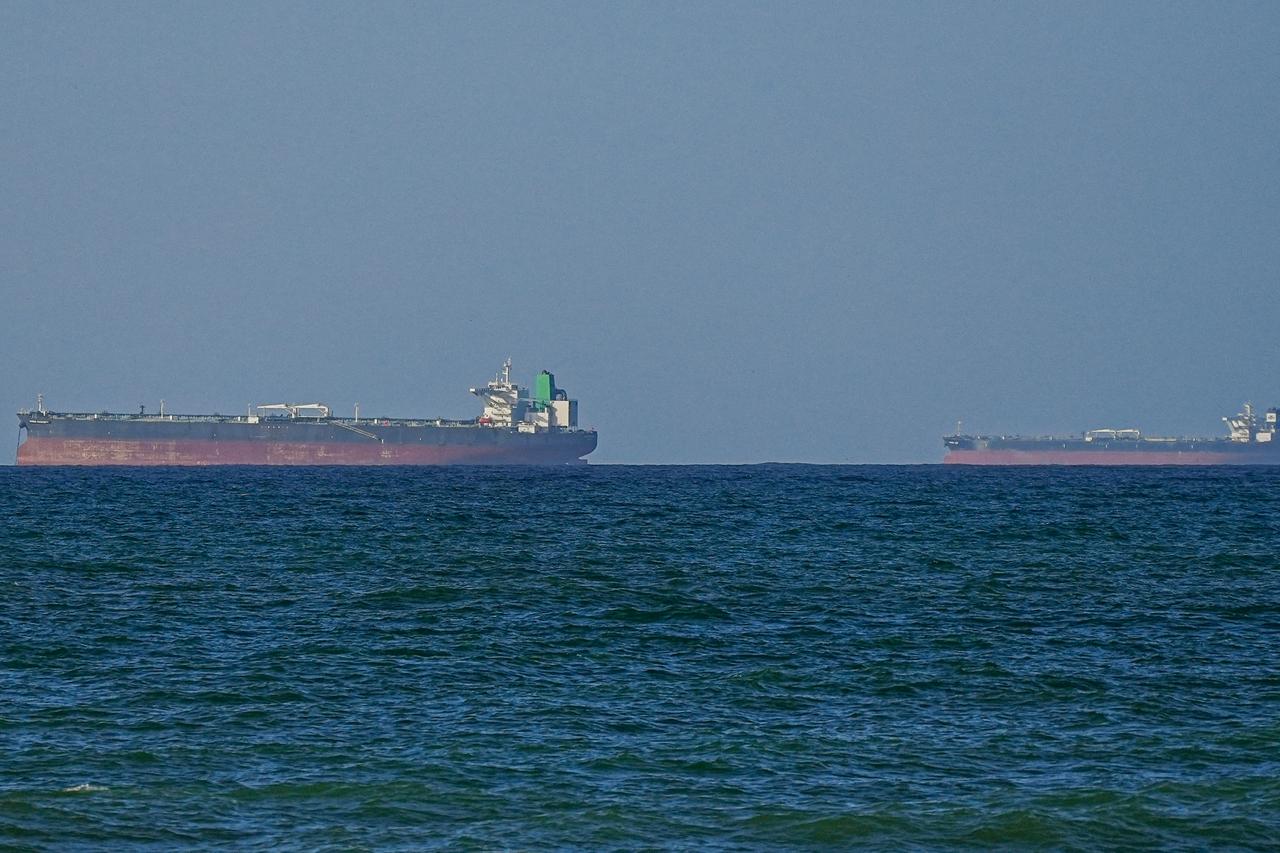
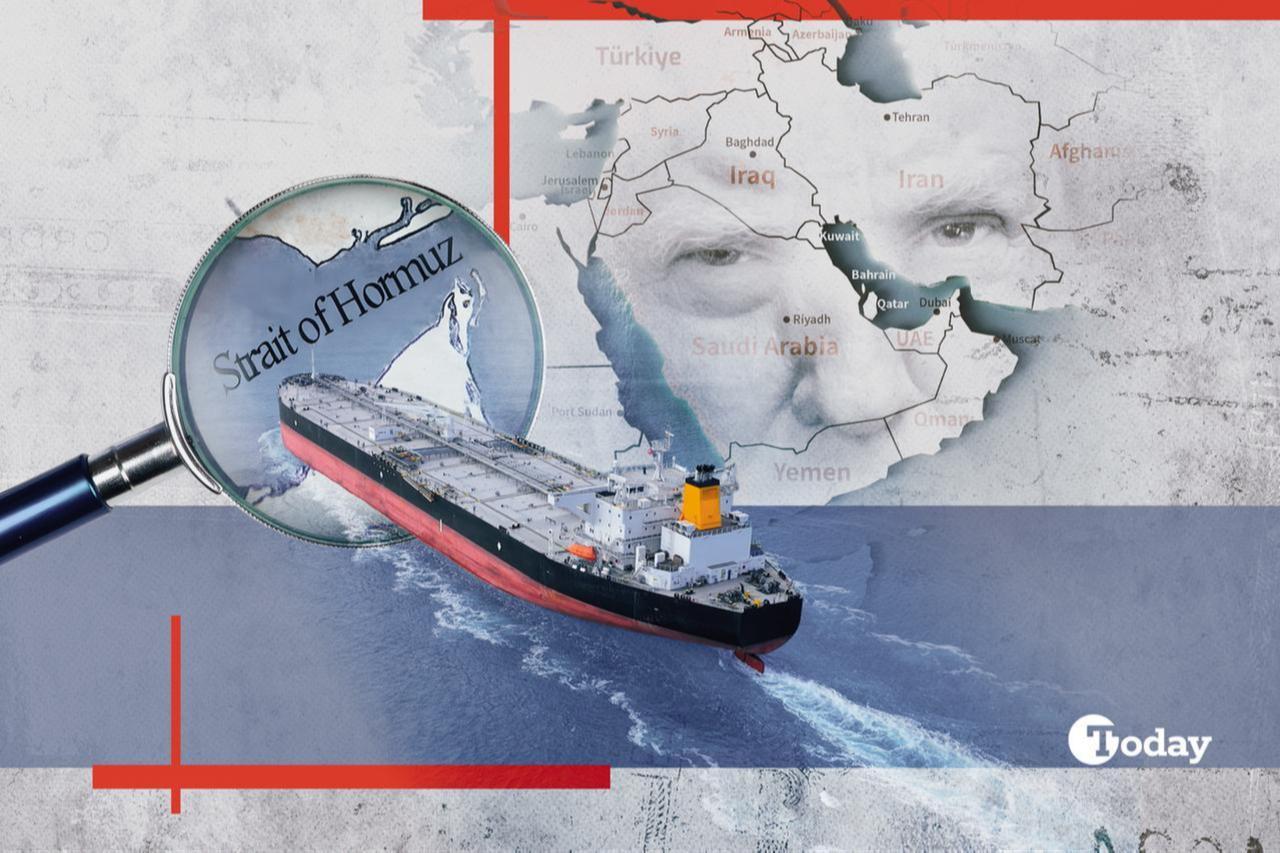
Since the outbreak of the conflict, Iran has restricted ship movements through the Strait of Hormuz, a vital transit corridor for global oil and gas shipments.
The United States and Israel launched a joint offensive on Iran on Feb. 28, killing dozens of senior military officials, including then-Supreme Leader Ali Khamenei.
Tehran responded with drone and missile strikes targeting Israel, as well as Jordan, Iraq and Gulf countries hosting U.S. military assets.


 Set as preferred source
 Set as preferred source


 2 min read
 1 min read