Newsletters


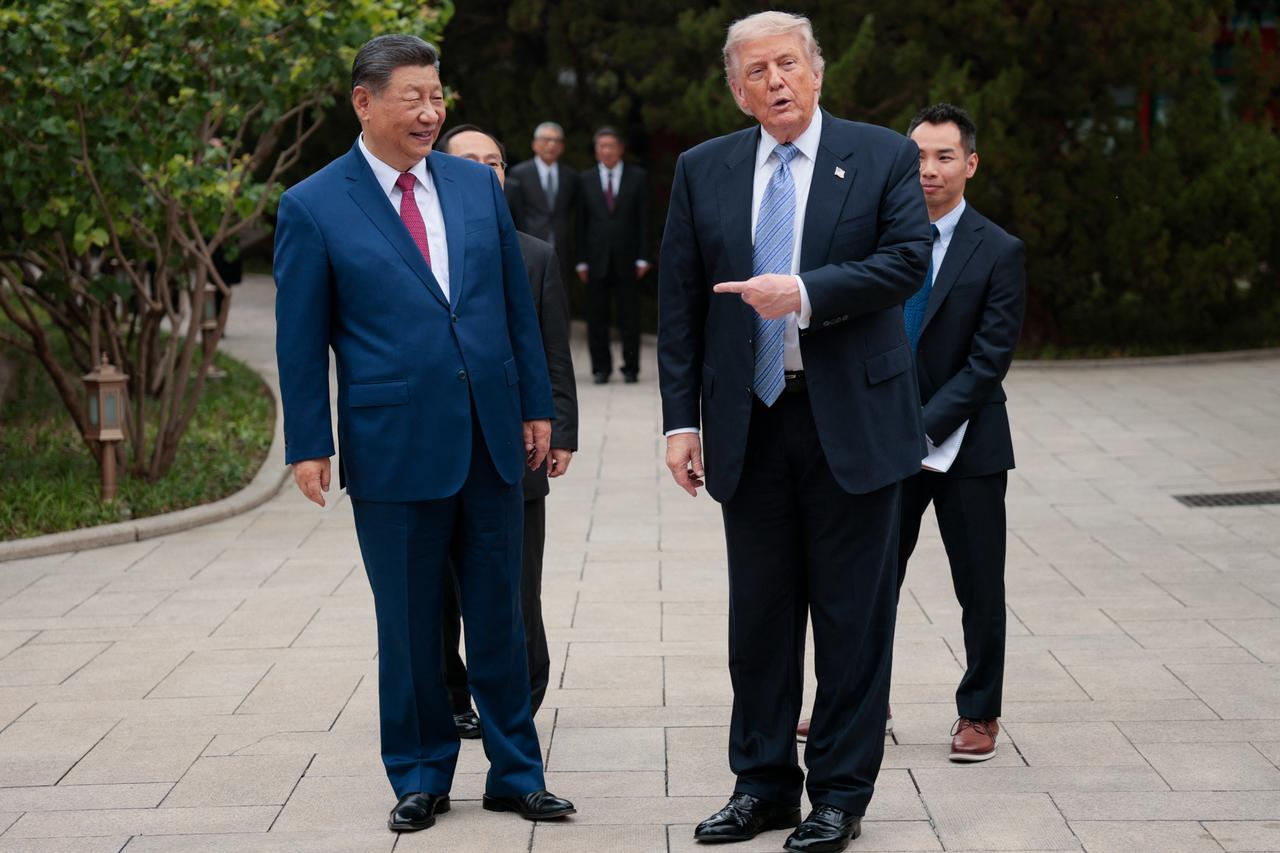


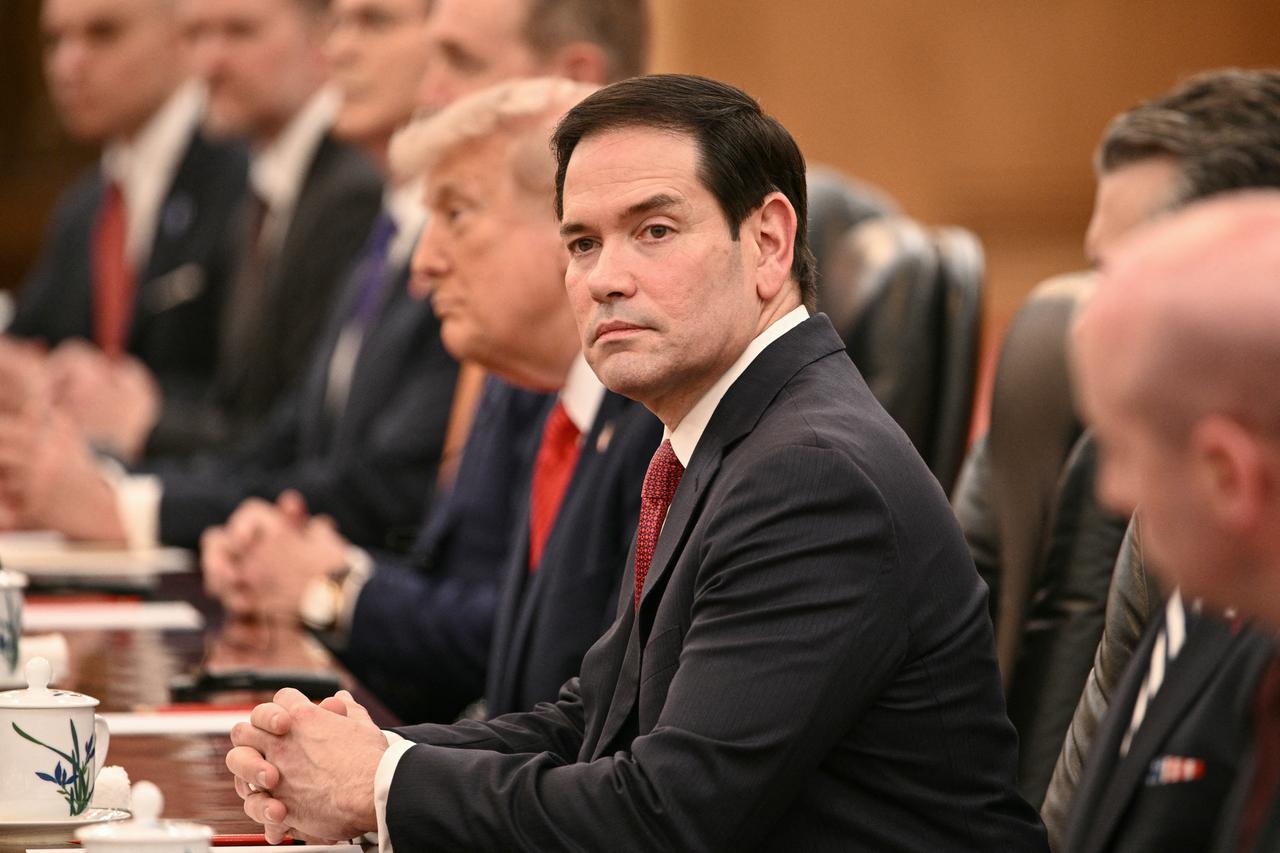
The United States and China agreed that the Strait of Hormuz should not be militarized, U.S. Secretary of State Marco Rubio said on Thursday as U.S. President Donald Trump and Chinese President Xi Jinping met in Beijing.
In an interview with NBC News, Rubio said the Chinese side opposed both the militarization of the strategic waterway and the introduction of a tolling system.
“The Chinese side said they are not in favor of militarizing the Straits of Hormuz, and they’re not in favor of a tolling system, and that’s our position,” Rubio said.
He added that although the United States is less exposed than many countries to energy disruptions, global oil prices still affect the American economy.
“We are not immune to global oil prices at some point, because we do buy from the global market, but other countries around the world are paying a much higher price,” Rubio said.
“They’ve got to get involved in this as well,” he added, while emphasizing that Washington was not seeking Beijing’s assistance.
“We’re not asking for China’s help. We don’t need their help,” Rubio said.

The comments came during Trump’s first official visit to China since 2017.
The trip had originally been planned earlier this year but was delayed by six weeks due to the war involving Iran.
China, which maintains close ties with Tehran, criticized the U.S. and Israeli strikes launched on Feb. 28 and has repeatedly called for diplomacy.
Rubio said Trump and Xi also agreed that Iran should not obtain nuclear weapons.
Meanwhile, the White House described Thursday’s Trump-Xi meeting as “good” and said both leaders agreed that the Strait of Hormuz “must remain open.”
“The two sides agreed that the Strait of Hormuz must remain open to support the free flow of energy,” the White House said in a statement.
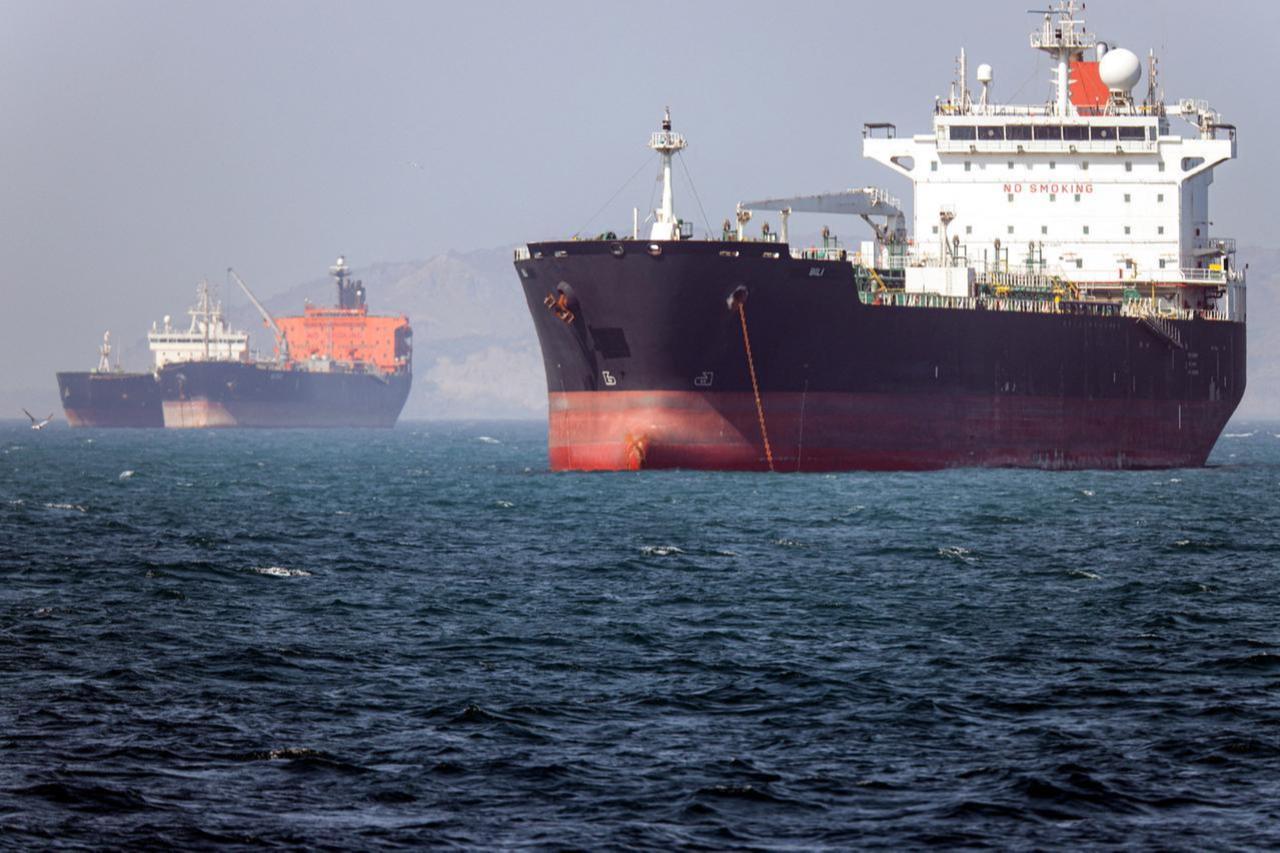
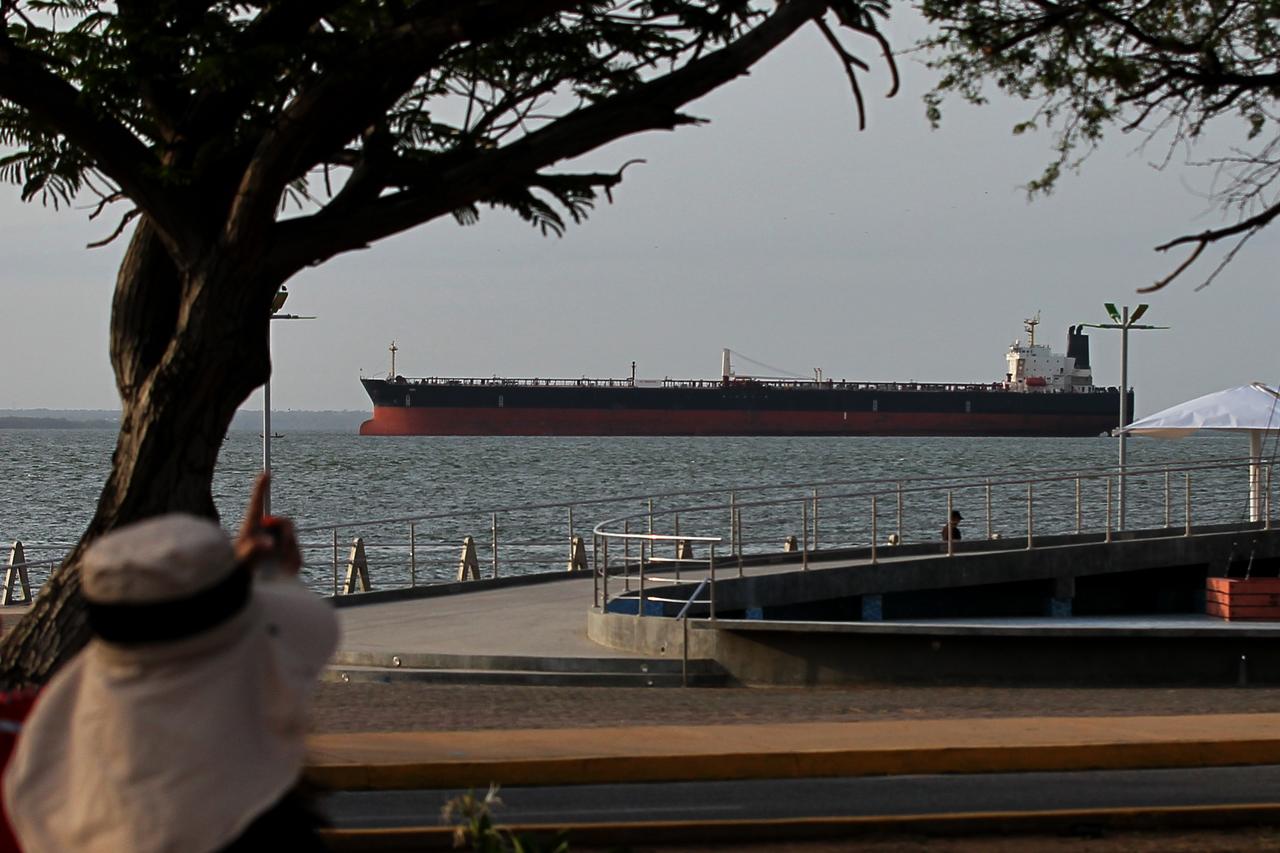
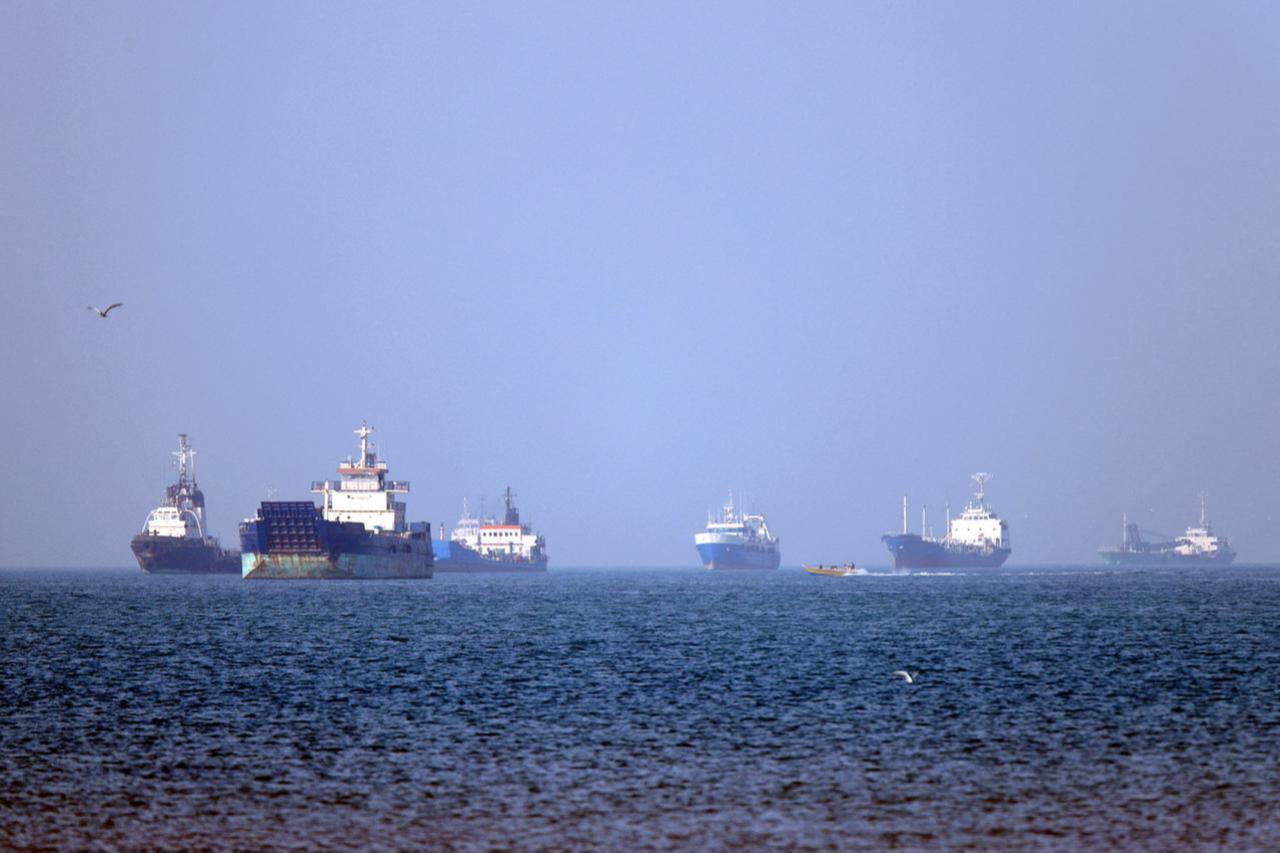
Iran has largely restricted maritime traffic through the Strait of Hormuz since the outbreak of the conflict involving the United States and Israel, disrupting one of the world’s most important energy corridors.
Roughly one-fifth of global oil and natural gas shipments normally transit through the waterway.
China is particularly vulnerable to disruptions in the strait, with more than half of its seaborne crude imports originating from the Middle East, according to maritime analytics firm Kpler.
According to the White House, Xi expressed interest in purchasing more American oil to reduce China’s dependence on Hormuz-linked energy flows in the future.
China’s official readout of the meeting did not mention such remarks.
Taiwan also emerged as a key issue during the talks.
According to Beijing’s account of the meeting, Xi warned Trump that mishandling the Taiwan issue could lead to “clashes and even conflicts” between the two powers.
Rubio said the longstanding U.S. policy on Taiwan remains unchanged. “Our policies on that have not changed,” he said. “It’s been pretty consistent across multiple presidential administrations, and remains consistent now,” he added.
Rubio also noted that U.S. arms sales to Taiwan “did not feature prominently” during the Trump-Xi discussions.
In December, the Trump administration approved an $11 billion arms package for Taiwan, reportedly the largest ever authorized for the island.
“From our perspective, any forced change in the status quo and the situation that’s there now would be bad for both countries,” Rubio said.


 Set as preferred source
 Set as preferred source


 1 min read
 1 min read