Newsletters


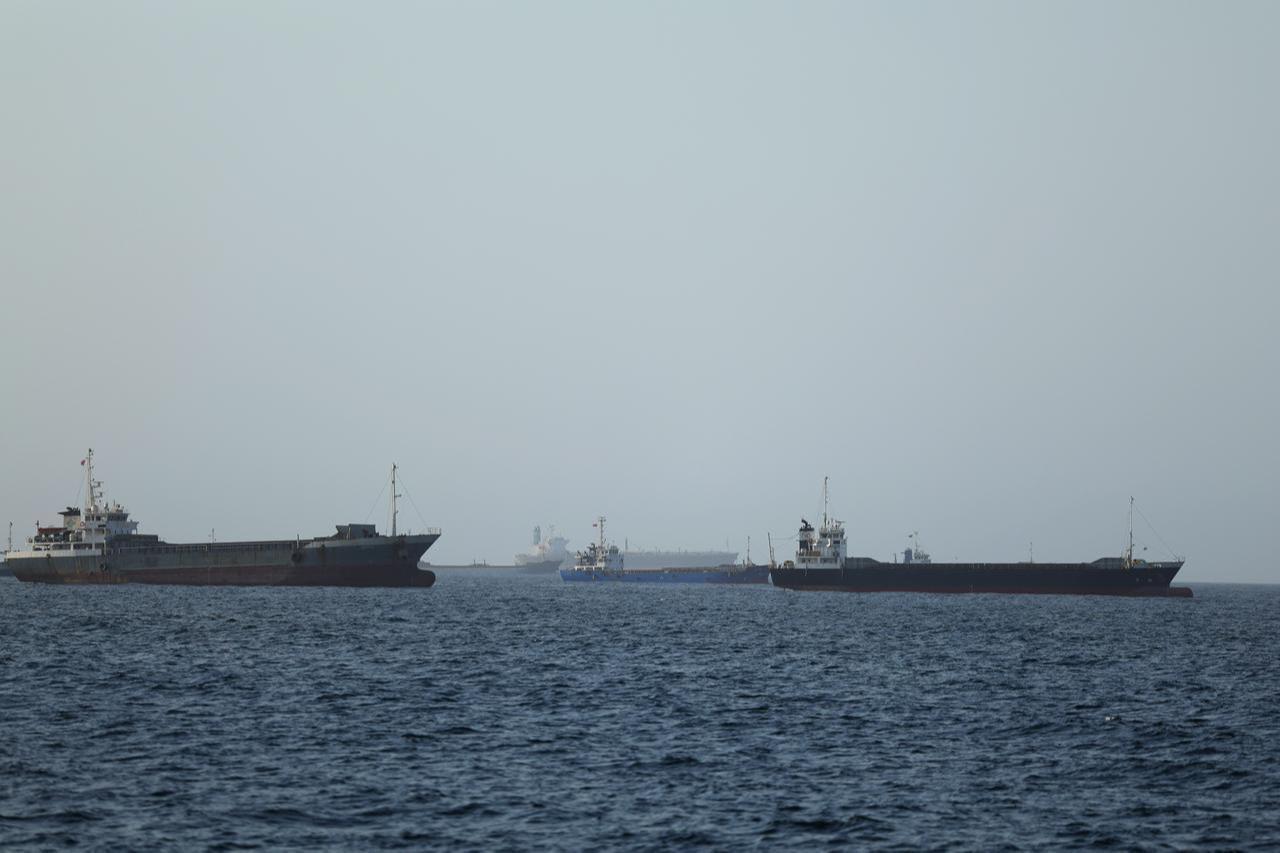
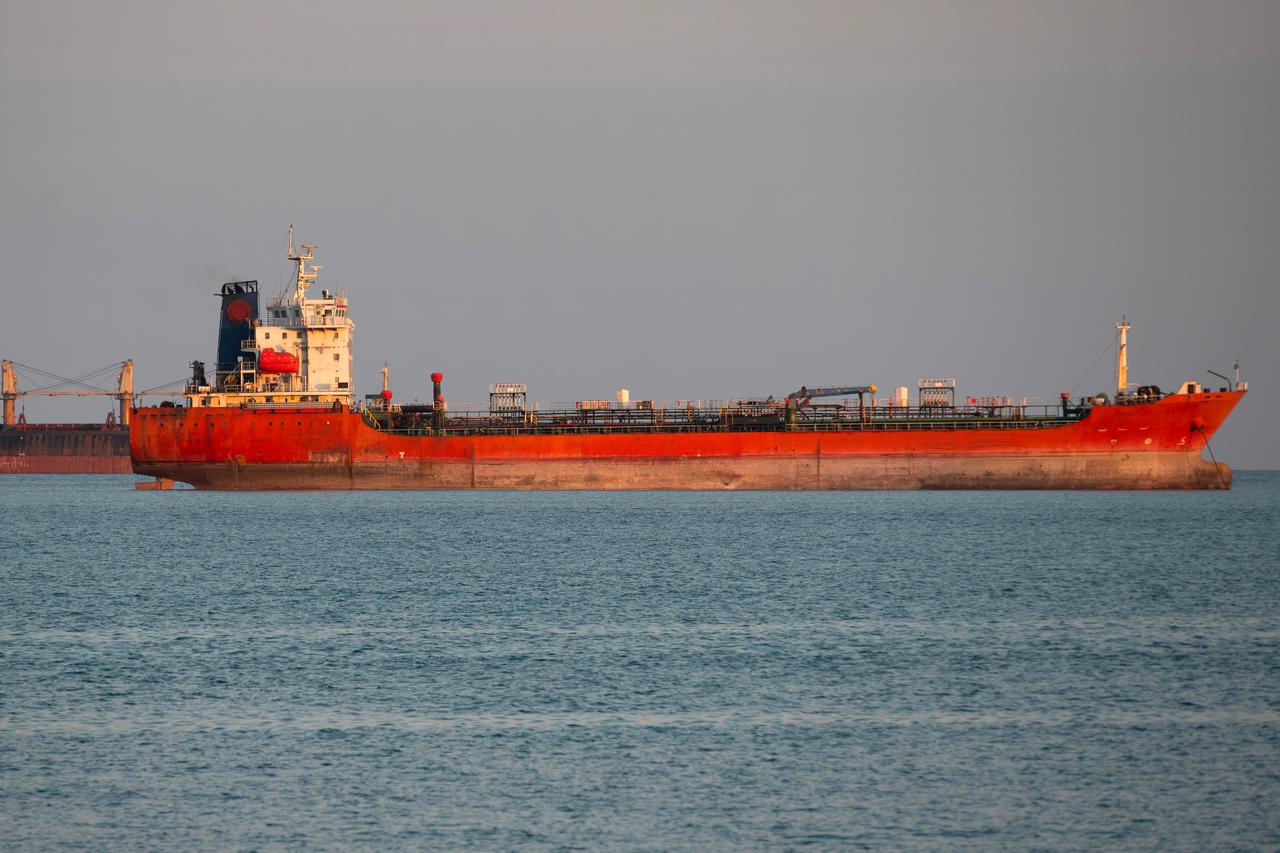
Iran's Parliament Speaker Mohammad Bagher Ghalibaf stated that the Strait of Hormuz will never revert to its pre-war status. In a televised address to the Iranian public following the conclusion of ceasefire negotiations with the United States, he announced that ships will be charged for transit services provided under international maritime law.
Speaking on Iranian state television, Ghalibaf addressed questions about the agreement reached with Washington and outlined Iran's post-war posture on several fronts, from the Hormuz strait to the terms of the accord and his own reluctance to lead the negotiations.
"During the war, I posted that the Strait of Hormuz would never return to its previous conditions," Ghalibaf said, adding, "today I hold the same view."
Ghalibaf said Iran intends to exercise its rights as a coastal state under international law, including the right to charge other countries for services rendered.
"We will act within the framework of international law," he said. "According to international law, countries bordering straits have both rights and obligations. One of these rights is that other countries pay for the services provided to them," Ghalibaf added.
He described the formalization of transit fees as one of the concrete outcomes of the negotiations, stating that Iran had sovereign rights in the strait and would "naturally receive fees for services."

Ghalibaf detailed the structure of the agreement, describing its foundational principle as "a strict reciprocity mechanism."
"Every obligation we have accepted in the Memorandum of Understanding (MoU) has been accepted on the basis of the principle of 'step for step,'" he said, adding, "Article 13 is organized exactly on this basis. Accordingly, if the United States does not fulfill its obligations, we will not take any step either."
He was explicit about his distrust of Washington, stating it was the most significant personal constraint he carried into the talks.
"I am the most distrustful person toward America," Ghalibaf said, adding that he had conveyed this directly to U.S. Vice President JD Vance during talks in Islamabad. "I told him: know that we have complete distrust of you, not only during the revolution, but before the revolution too, America betrayed our people so many times, from 1953 onward. But we came here in good faith, and we speak to you with authority."
He stated that even a final agreement ratified by a United Nations Security Council resolution would not in itself be trustworthy.
"The most important guarantee is Iran's power and the unity of the people," he said.
Ghalibaf confirmed that Article 6 of the MoU includes a $300 billion provision, referred to in the text in the context of "reconstruction and economic development."
He said Iran's blocked financial assets must be placed in accounts under the direct control of the central bank, specifying that a credit line arrangement would allow the central bank to open letters of credit for any transaction at any time.
"Wherever the enemy does not fulfill its commitments, our policy is tit-for-tat," he said.
Ghalibaf offered an account of the negotiations in Islamabad, describing three rounds of direct talks and three trilateral sessions involving mediators over 24 hours.
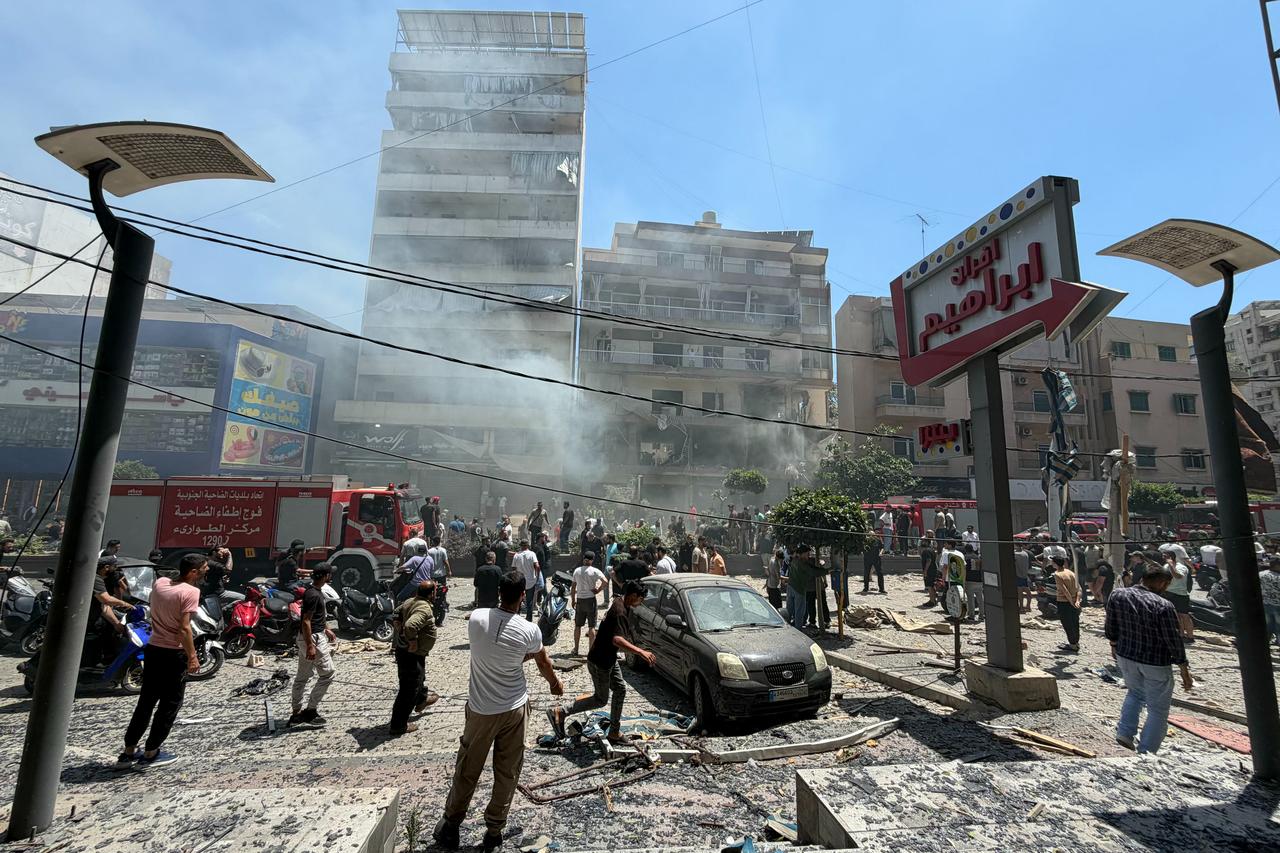
He said that during the talks, while negotiators were still working through specific clauses, Israeli strikes on Beirut's Dahiyeh district altered the dynamic.
"We were in the middle of negotiations when Dahiyeh was attacked," he said.
"We had to respond, and right there in the negotiations, we said we would respond."
He said his announcement during the session that Iran would strike back changed the entire atmosphere of the talks.
"Some issues that we had not been able to agree on in 50 or 60 days of negotiations, we resolved in a few hours," he said.
He also said that a ceasefire agreement covering Lebanon, not just a localized halt in Dahiyeh, was a precondition Iran had communicated before arriving in Pakistan. "Before boarding the plane, I posted that until the situation in Lebanon is clarified, we will not begin negotiations," he said.
Ghalibaf disclosed that he had actively resisted taking on the lead negotiator role, citing a personal reason directly tied to the Trump administration.
"I was not only not a volunteer for the negotiating team, I had an aversion to it," he said.
"One of my reasons for not wanting to accept this responsibility was that Trump was the designer, the order-giver and the supervisor of the assassination of Hajj Qasem," he added, referring to the January 2020 killing of Islamic Revolutionary Guard Corps (IRGC) Quds Force commander Qasem Soleimani.
"Do you think it is easy to sit with such a person and finalize a text?" he said, adding, "but when I saw that none of the officials proposed anyone else and did not accept my own proposals, I had to carry out what had become my duty."
Ghalibaf closed his address by calling on all three branches of government to shift focus toward public welfare following the signing of the MoU.
"After the signing of the MoU, it is time in the field of serving the people," he said, noting, "we had economic problems before and they worsened during the war. The people must see the effects of these services."
He also noted that Iran's armed forces require reconstruction and modernization in the current period.


 Set as preferred source
 Set as preferred source


 1 min read
 1 min read