Newsletters


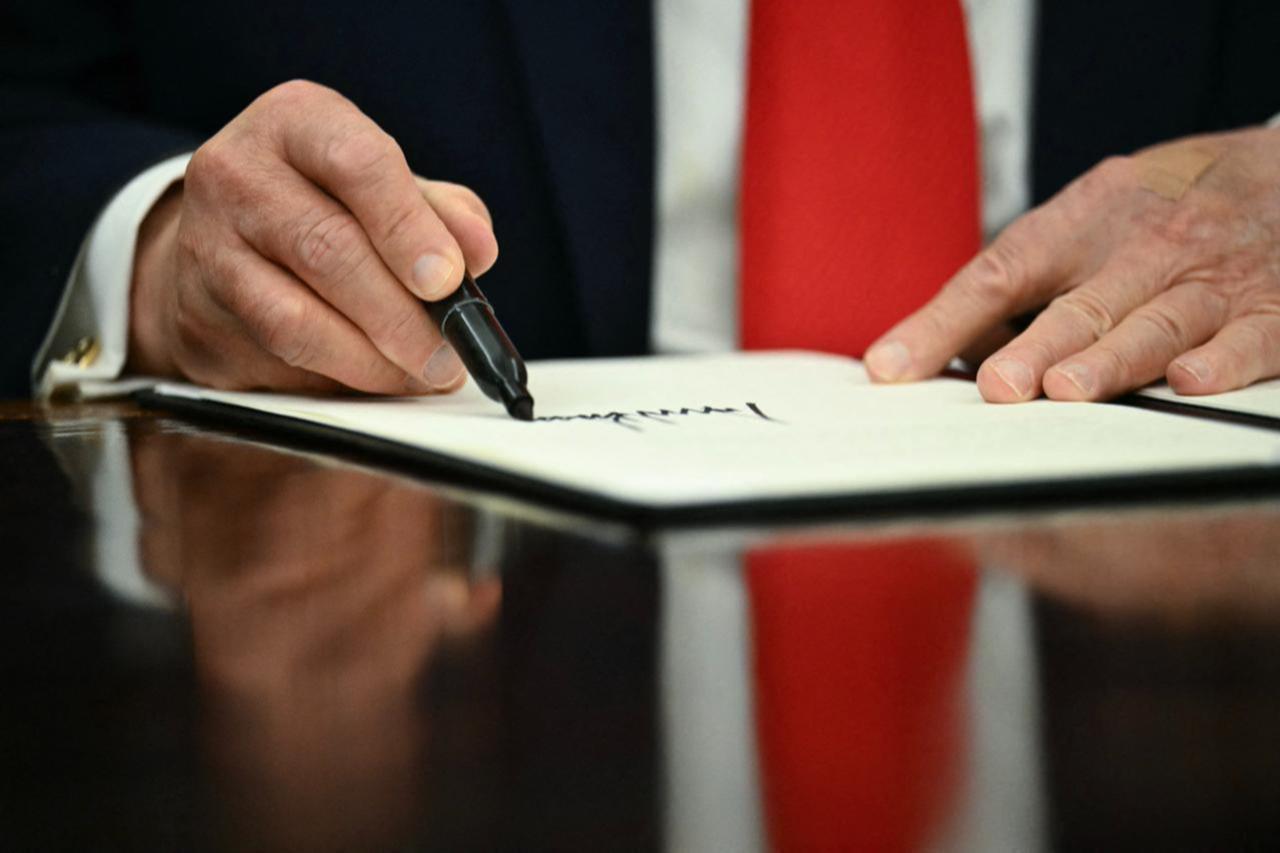


U.S. President Donald Trump signed a landmark memorandum of understanding with the Islamic Republic of Iran on Wednesday, the White House confirmed, as a senior U.S. official publicly read out the full text of the 14-point agreement to reporters, opening the way for a 60-day negotiation period set to begin Friday in Switzerland.
The agreement, formally titled the "Islamabad Memorandum of Understanding between the United States of America and the Islamic Republic of Iran," declares an immediate and permanent end to military operations on all fronts, including Lebanon, with both parties pledging to refrain from the threat or use of force against each other and to respect each other's sovereignty and territorial integrity.
Iran's foreign ministry spokesman Esmail Baghaei confirmed Wednesday that the document would be signed digitally by the presidents of both countries, and that no in-person ceremony would be held in Switzerland.
"Once the memorandum reaches the presidents of both countries for signature, any violation of it will carry a higher cost," Baghaei said.
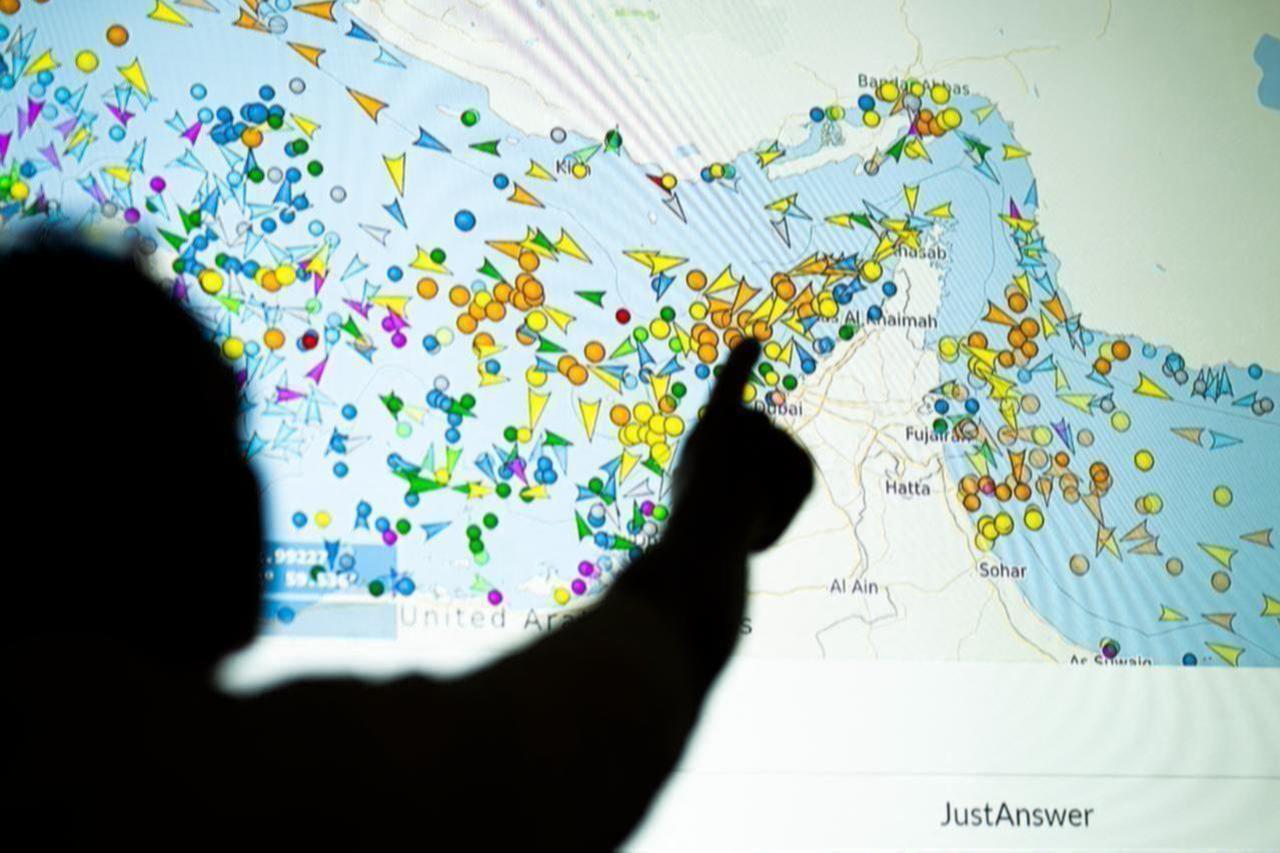

Among the agreement's most immediate economic consequences is the reopening of the Strait of Hormuz, one of the world's most critical maritime chokepoints, through which roughly a fifth of global oil supplies typically pass.
Under the terms of the memorandum, the United States will begin lifting its naval blockade immediately upon signing and complete the full removal within 30 days, in parallel with Iran's efforts to restore commercial vessel traffic and conduct de-mining operations in the strait.
Iran committed to facilitating the safe passage of commercial vessels between the Persian Gulf and the Sea of Oman at no charge for 60 days. Iran also agreed to open discussions with Oman on the future administration of maritime services in the Strait, in line with international law.
On the economic front, Washington committed to directing the U.S. Treasury Department to issue immediate waivers for Iranian crude oil, petroleum products, and associated services, including banking and insurance.
The memorandum further pledges that the United States will work with regional partners to establish a reconstruction and economic development fund of at least $300 billion for Iran, with implementation details to be finalized as part of a final deal.
Frozen Iranian assets are also to be made fully available for use, with procedures for their release to be agreed upon during the negotiation period.
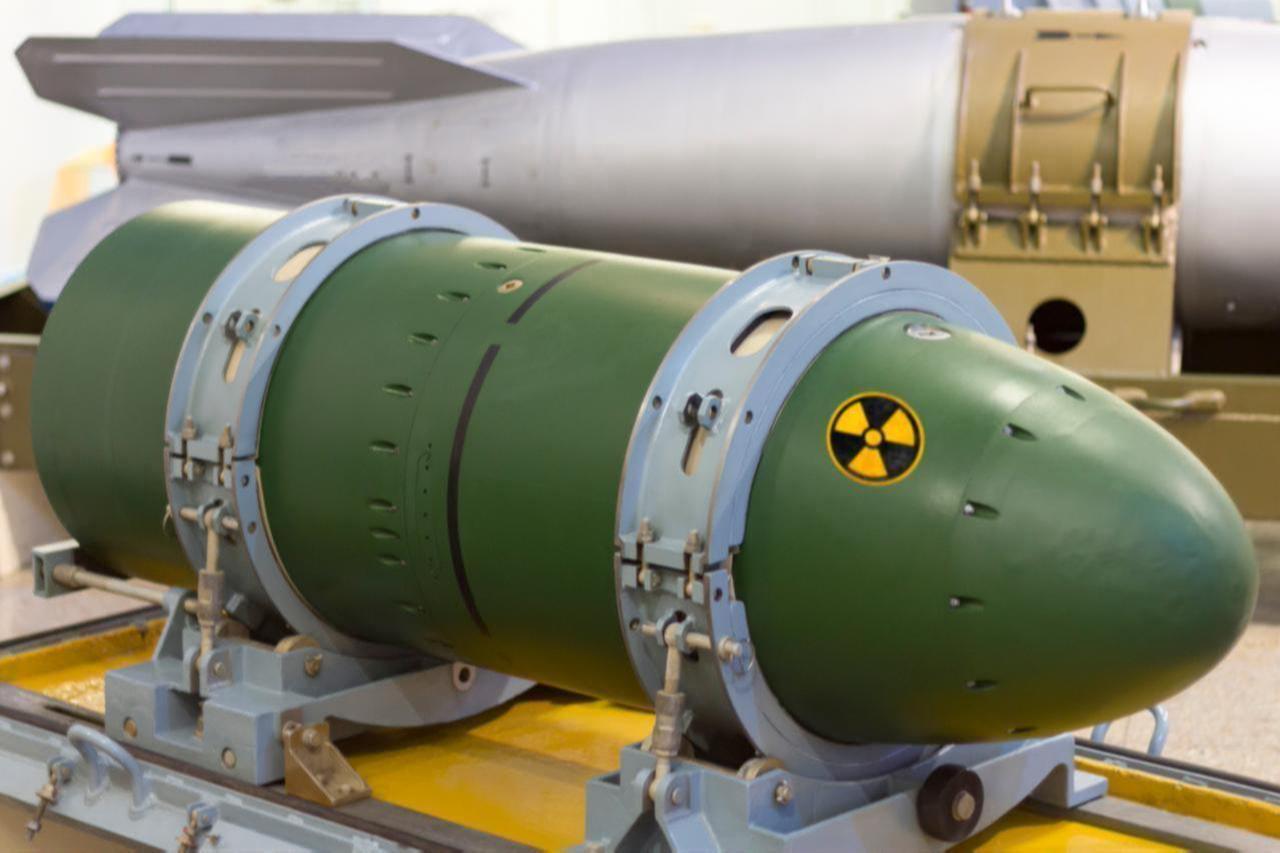
The memorandum stops short of resolving Iran's nuclear program, deferring its most sensitive dimensions to the 60-day negotiation window.
Iran reaffirmed that it shall not procure or develop nuclear weapons, and both sides agreed to resolve the disposition of stockpiled enriched material through a mutually agreed mechanism, with the minimum methodology specified as down-blending enriched uranium on-site under supervision of the International Atomic Energy Agency.
Questions around enrichment levels and Iran's broader nuclear needs are to be addressed in the final deal.
The agreement further stipulates that, pending a final deal, Iran will maintain the current status quo of its nuclear program while the United States refrains from imposing new sanctions or deploying additional forces in the region.
Comprehensive sanctions relief, including the termination of all U.S. primary and secondary sanctions as well as relevant United Nations Security Council and IAEA resolutions, is committed to in principle but tied to an agreed schedule within the final deal. The final agreement itself is to be endorsed by a binding UN Security Council resolution.
The memorandum establishes an executive mechanism to monitor compliance with the agreement and future adherence to any final deal. Formal negotiations on remaining unresolved issues are to begin only after the initial provisions, including the ceasefire, naval blockade removal, Hormuz reopening, oil export waivers, and release of frozen assets, are set in motion.
The 60-day negotiating period is extendable by mutual consent. The agreement reflects a structure common to complex diplomatic frameworks, in which a high-level political understanding serves as the foundation for more detailed technical negotiations, leaving the most contested issues, including nuclear verification and the pace of sanctions relief, to subsequent rounds.


 Set as preferred source
 Set as preferred source


 1 min read

 1 min read