Newsletters


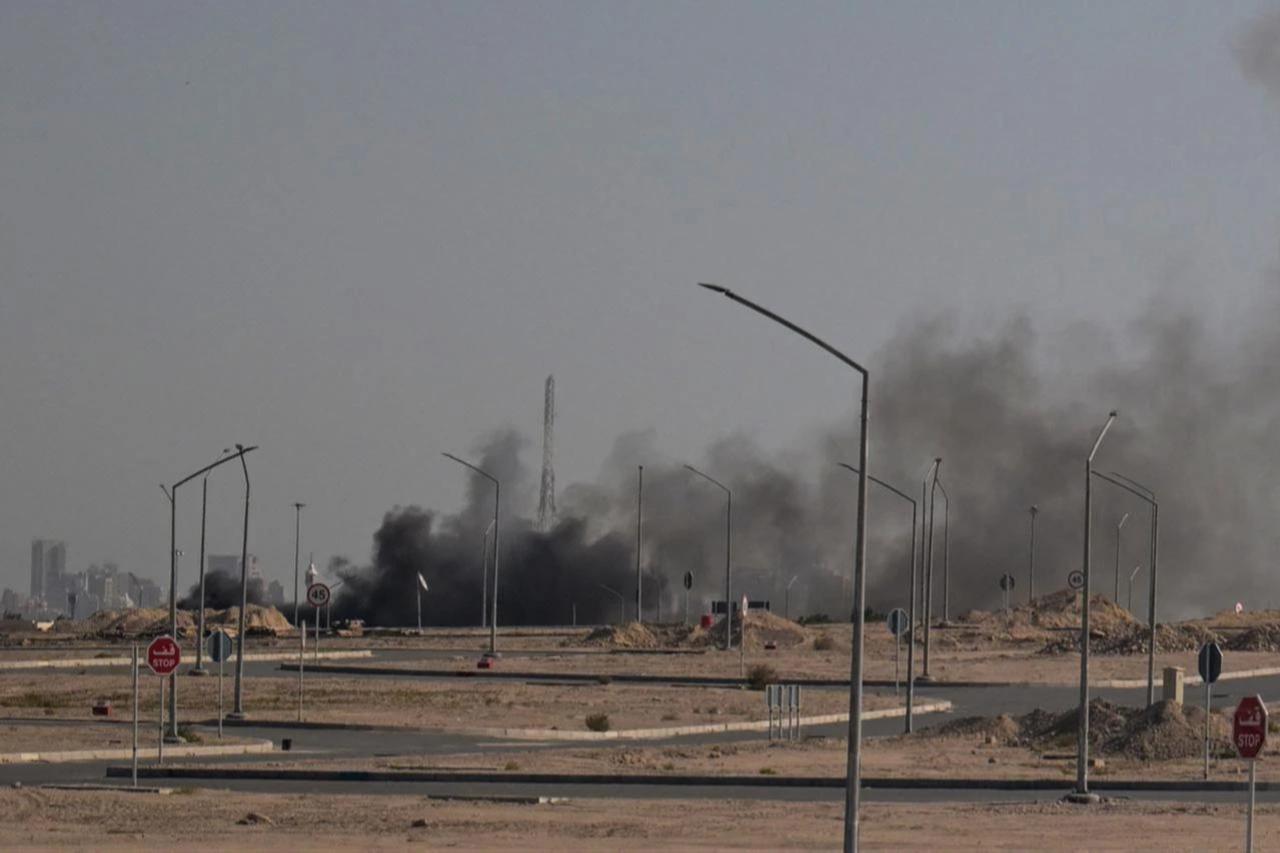


Iran said on Wednesday it targeted U.S. military sites in Bahrain and Kuwait with missiles and drones after the U.S. carried out a new wave of strikes against Iranian targets in response to attacks on commercial vessels transiting the Strait of Hormuz.
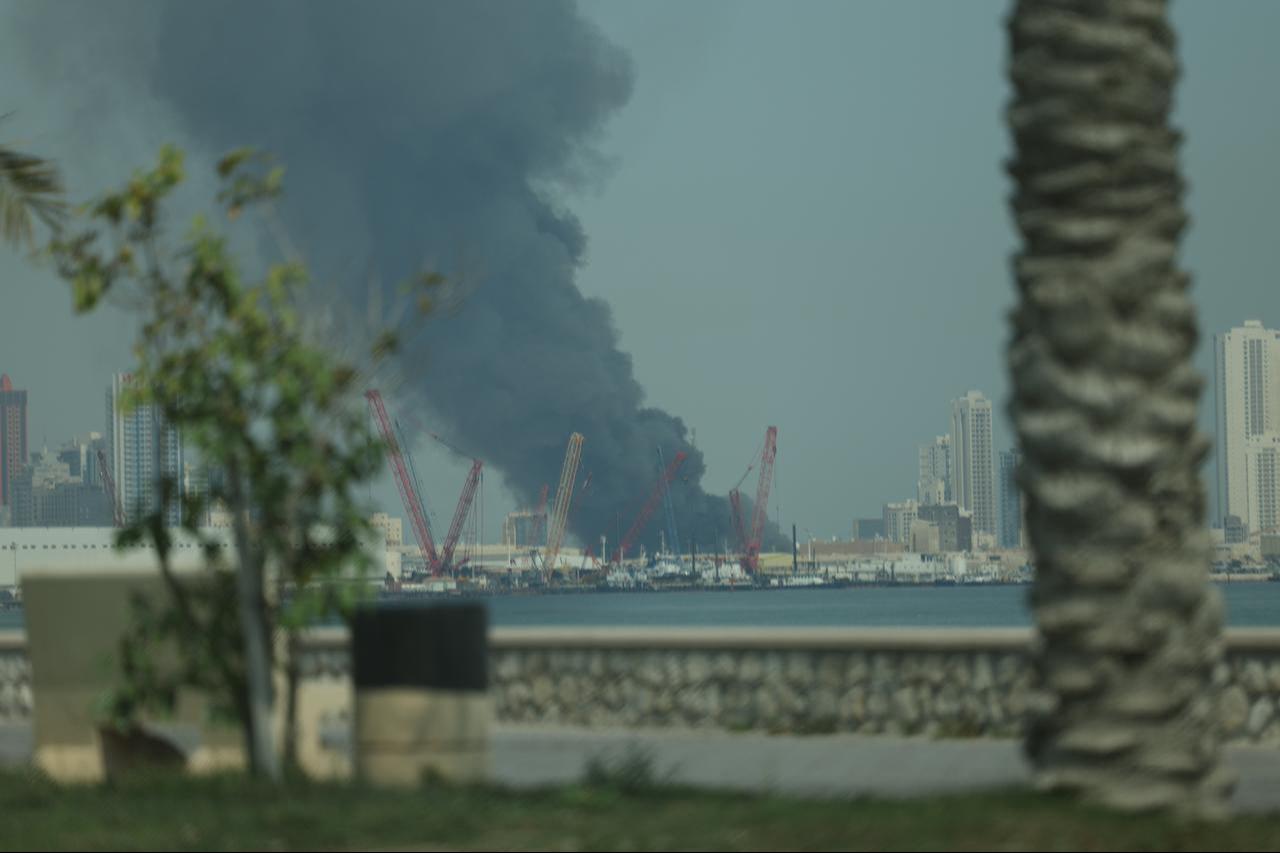
The Islamic Revolutionary Guard Corps (IRGC) said it carried out a joint missile and drone operation against U.S. military targets, including the Salman Port and the U.S. Navy's Fifth Fleet headquarters in Bahrain, as well as Ali Al-Salem Air Base in Kuwait, according to Iranian media.
The IRGC said 85 U.S. military targets were struck in the operation and claimed it shot down a U.S. MQ-9 drone that was attempting to interfere. Iranian state media separately reported that the drone was intercepted and destroyed over Khormoj in the southern province of Bushehr.
There was no immediate comment from U.S. authorities on Iran's claim that it downed the drone.
Air raid sirens sounded in Bahrain and Kuwait early Wednesday after the U.S. strikes on Iran and Iran's announced response.
"The siren has been sounded. Citizens and residents are urged to remain calm and head to the nearest safe place," Bahrain's Interior Ministry said in a post on X.
The ministry did not immediately specify the reason for the alert.
U.S. officials said Iran's military launched drones toward Bahrain, Axios reported.
The Kuwaiti army said its air defenses were confronting "hostile" missile and drone attacks.
"The General Staff of the Army notes that if explosion sounds are heard, they are the result of air defense systems intercepting the hostile attacks," it said, urging people to follow security and safety instructions issued by authorities.
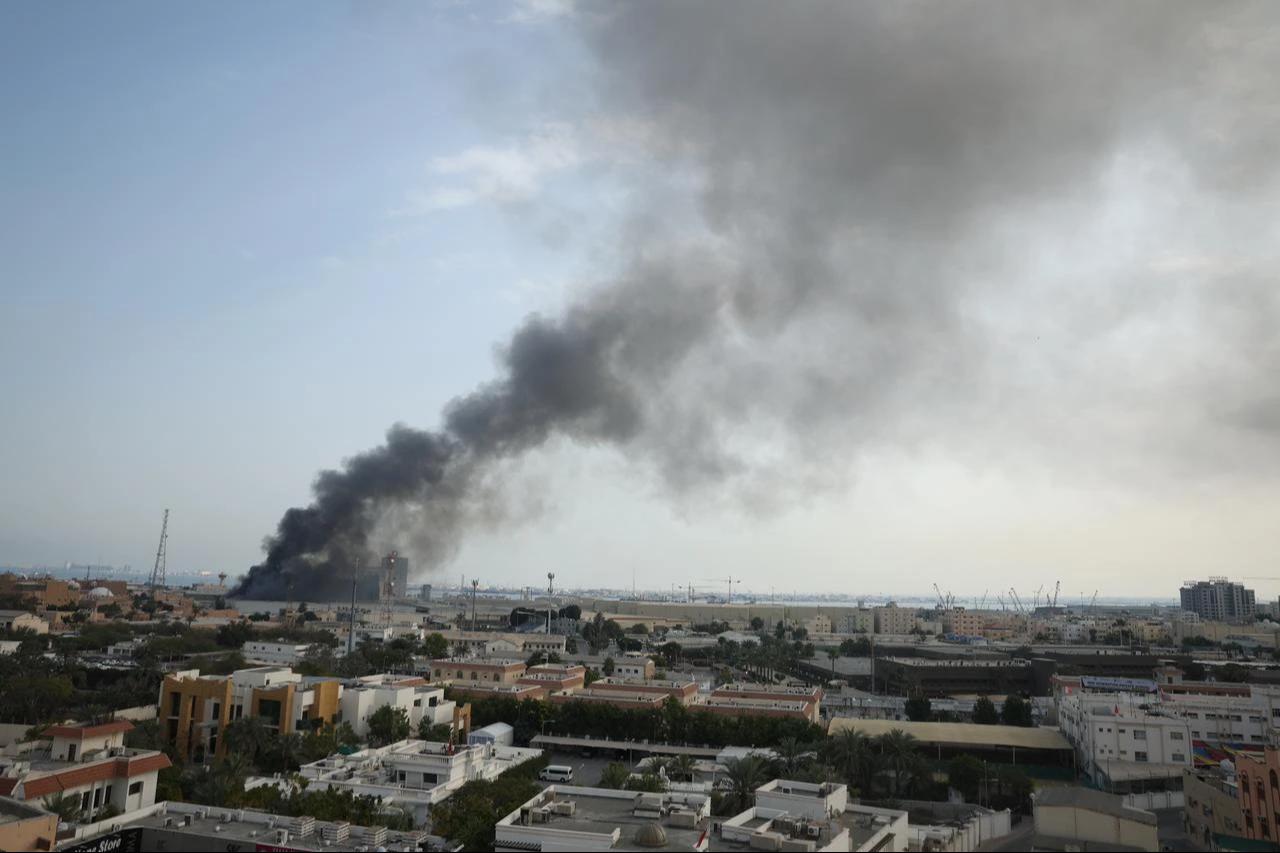

The U.S. military said it completed a new round of strikes against Iran, hitting more than 80 targets in response to Iranian attacks on commercial vessels transiting the Strait of Hormuz.
The strikes were conducted "as an immediate response to attacks by Iran on commercial vessels transiting the Strait of Hormuz," the U.S. Central Command said.
CENTCOM said more than 60 small boats belonging to the IRGC were among the targets hit, saying the strikes were intended to impose a heavy cost on Iran for attacks on shipping in violation of the ceasefire.
"The unwarranted aggression by Iranian forces is a clear and dangerous violation of the ceasefire and undermines freedom of navigation," CENTCOM said.
A U.S. official told Reuters that the strikes targeted Iranian air defense systems, coastal surveillance systems, surface-to-air missiles, anti-ship cruise missiles and drone launch sites.
Iranian media reported explosions on Kharg Island, Qeshm Island and in the southern port cities of Sirik and Bandar Abbas. Press TV said several blasts were heard in southern Kharg Island.
CENTCOM did not mention Kharg Island, from which Iran exports 90% of its crude oil.
Iran's top joint military command, Khatam al-Anbiya Central Headquarters, condemned the U.S. strikes as a "blatant act of aggression" and threatened a "crushing response."
The headquarters said Washington had violated the ceasefire and the memorandum of understanding (MoU) by striking parts of southern Iran while the body of former Iranian leader Ali Khamenei was in Iraq. It said Iran would not allow interference in the management of the Strait of Hormuz.
The headquarters also said the only safe route for commercial vessels and oil tankers passing through the Strait of Hormuz is the route determined by Iran.
Iranian Parliament Speaker Mohammad Bagher Ghalibaf accused the U.S. of major violations of the ceasefire agreement, citing persistent threats of further strikes, renewed oil sanctions, attacks on southern Iran and continued Israeli military action in Lebanon.
"The era of bullying and extortion is over. It leads nowhere. We don't fold," Ghalibaf said in a post on X.
Iran's Foreign Ministry also condemned Washington's move to revoke an oil license, calling it a breach of the framework agreement to end the war. The ministry said Iran would take any measure it deemed necessary to safeguard its interests and national security.
The U.S. on Tuesday revoked a license that had authorized the sale of Iranian oil under a deal with Tehran, the Treasury Department said.
The department said its Office of Foreign Assets Control was revoking Iran-related General License X, which had allowed the production, delivery and sale of Iranian oil.
A U.S. official told CNBC that the MoU with Iran is "entirely performance-based."
"Iran will only reap benefits if they exhibit good behavior," the unnamed official said. "Iran's actions in the strait were wholly unacceptable to the United States and will be met with consequences."
Under the interim U.S.-Iran agreement, the U.S. Treasury had issued a June 22 general license allowing the sale of crude oil and petrochemical and petroleum products of Iranian origin through Aug. 21. After revoking the license Tuesday, Washington gave Iran until July 17 to wind down transactions.
Oil prices rose more than 3% after the U.S. announced the move.
The latest escalation followed strikes on commercial vessels near the Strait of Hormuz.
Qatar blamed Iran for attacking vessels, including the Qatari liquefied natural gas tanker Al Rekayyat, which reported being struck by a drone that caused a fire in its engine room. The crew were safe and being evacuated.
A Saudi-flagged crude oil tanker, believed to be the supertanker Wedyan, was also damaged off Oman, maritime security sources said. The cause was not immediately clear.
A second U.S. official, speaking on condition of anonymity, said initial indications were that Iran had fired at three commercial vessels.
Iran denied responsibility for the latest strikes on ships in the strait. Iran's Foreign Ministry said Qatar's accusations were perplexing and said Tehran was fulfilling its commitments, while adding that commercial vessels faced risks for using routes not coordinated with Iran.
The Strait of Hormuz is one of the world's most important energy chokepoints, carrying a significant share of global oil and liquefied natural gas exports from Gulf producers.
The incidents are the latest threat to the fragile ceasefire agreement the U.S. and Iran reached last month, pausing the conflict that began with U.S. and Israeli strikes across Iran.
The ceasefire was intended to provide a 60-day window for negotiations on a permanent agreement, but indirect talks in Qatar ended last week with no sign of progress.
A U.S. official said negotiators continued to work in good faith toward a final agreement with Iran.
U.S. President Donald Trump has repeatedly threatened to resume bombing unless Iran agrees to "make a deal."
Iranian Foreign Minister Abbas Araghchi said that under the terms of the interim ceasefire memorandum, negotiations on a final deal would "not commence if threats continue."
The U.S. strikes came after large crowds mourned Iran's Supreme Leader Ali Khamenei in the holy city of Qom. Khamenei was killed with his daughter, granddaughter, son-in-law, and daughter-in-law on the first day of the war.


 Set as preferred source
 Set as preferred source


 1 min read

 1 min read