Newsletters


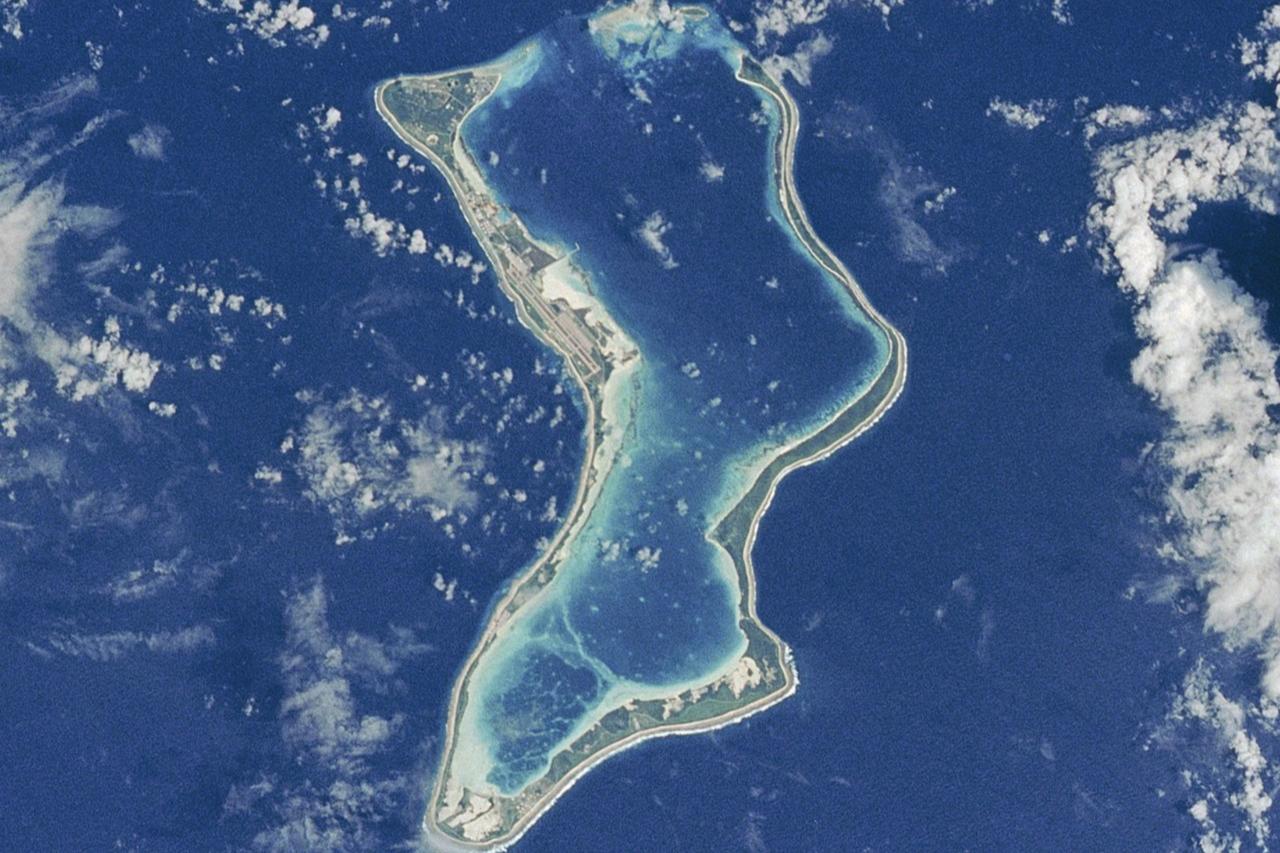


Iran has carried out a missile strike targeting Diego Garcia, a strategically vital island base jointly operated by the United States and the United Kingdom in the Indian Ocean.
While it remains unclear how close the missiles came to the island, the incident has drawn renewed attention to a facility long described by U.S. officials as “almost indispensable” for regional military operations.
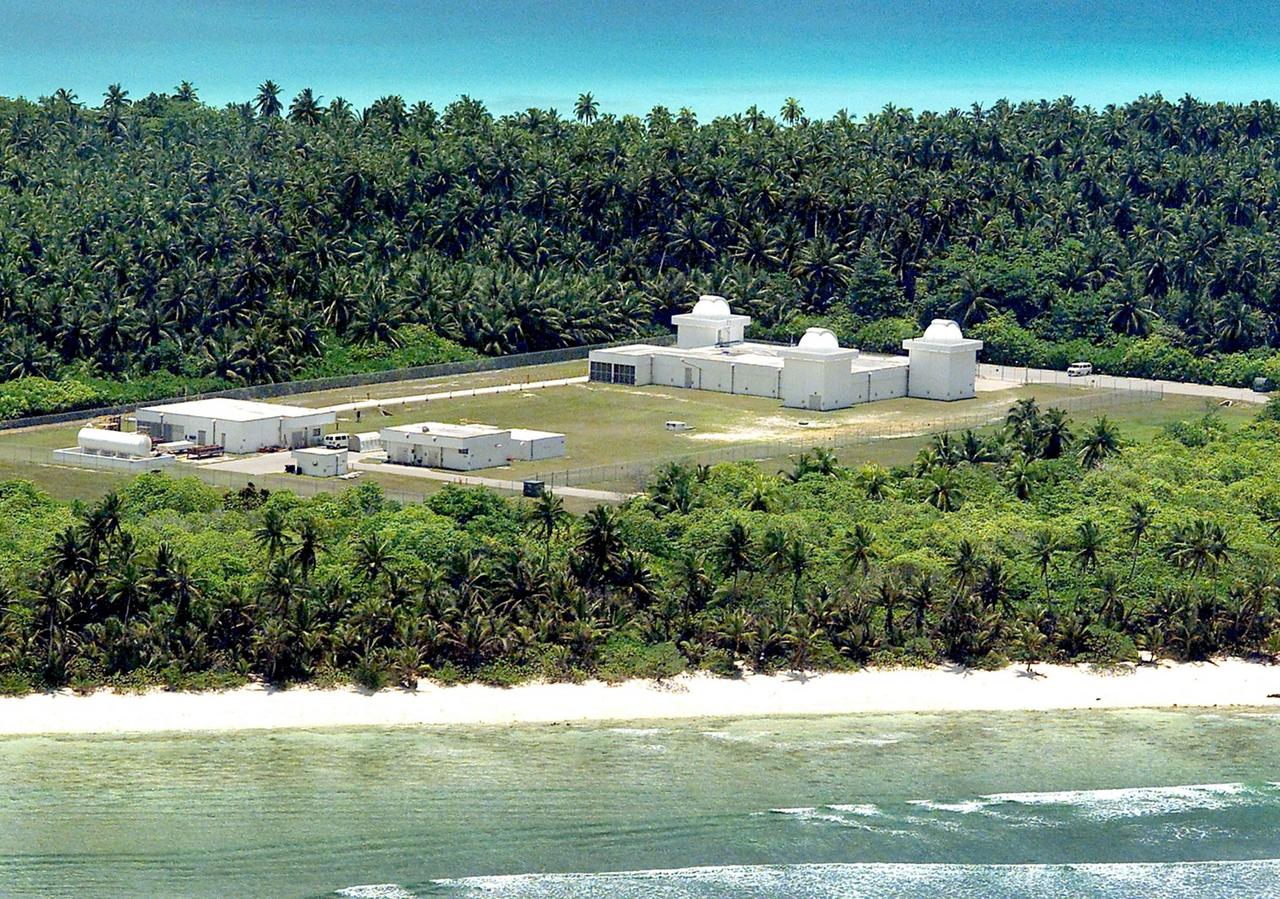

Diego Garcia serves as a central logistics and operations hub for U.S. military activity across the Middle East, South Asia, and East Africa. In practical terms, this means the base supports long-range air missions, naval deployments, and intelligence operations across multiple regions.
Staffed by roughly 2,500 personnel, most of them American, the base has backed major U.S. campaigns ranging from the Vietnam War to operations in Iraq and Afghanistan.
Over time, its role has expanded beyond conventional warfare. Washington acknowledged in 2008 that the island had also been used for covert detainee transfer flights linked to counterterrorism efforts.
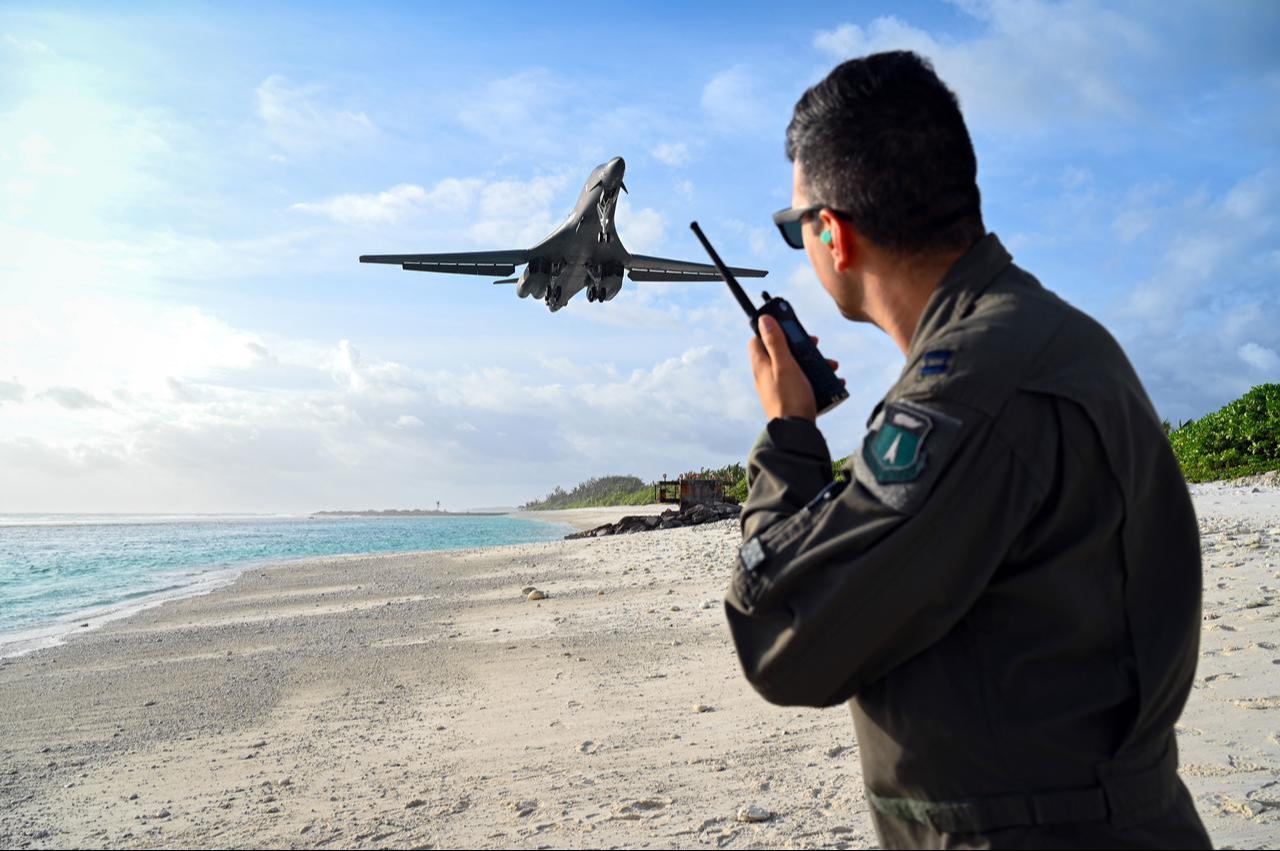
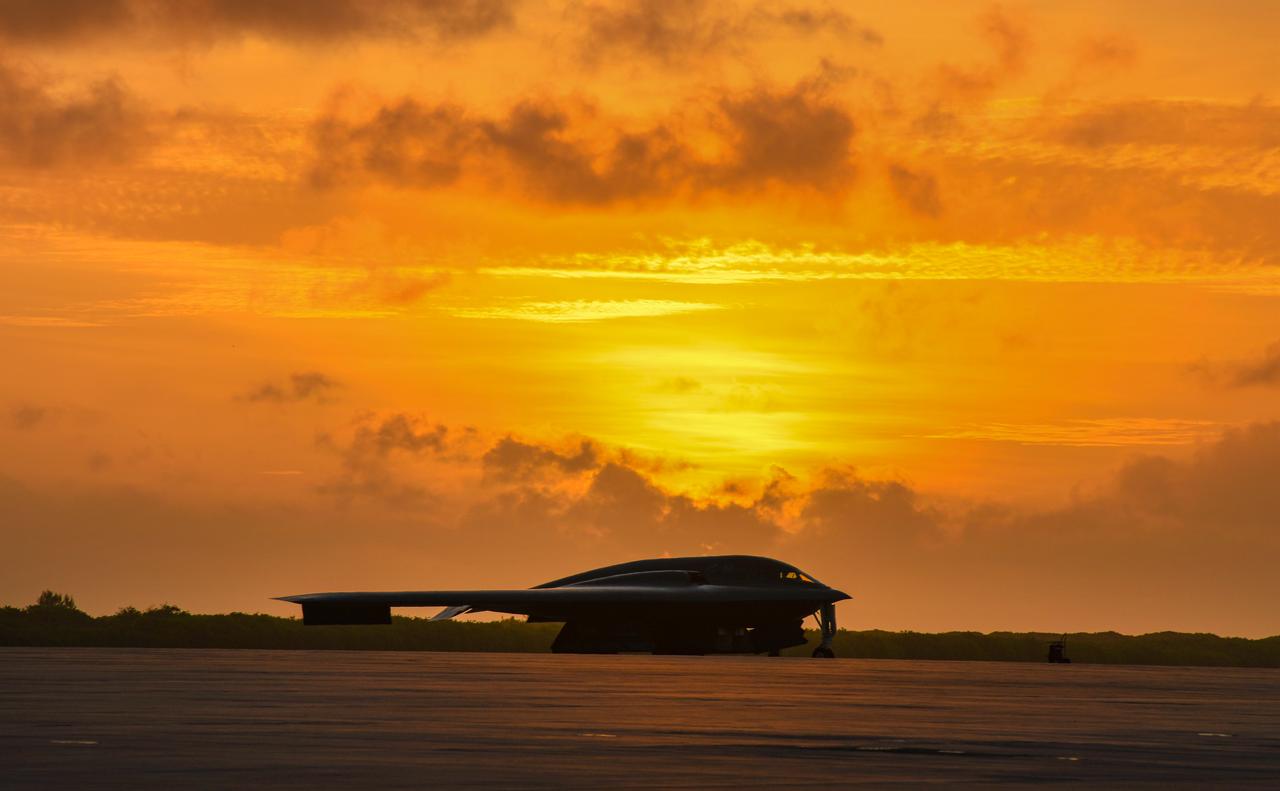
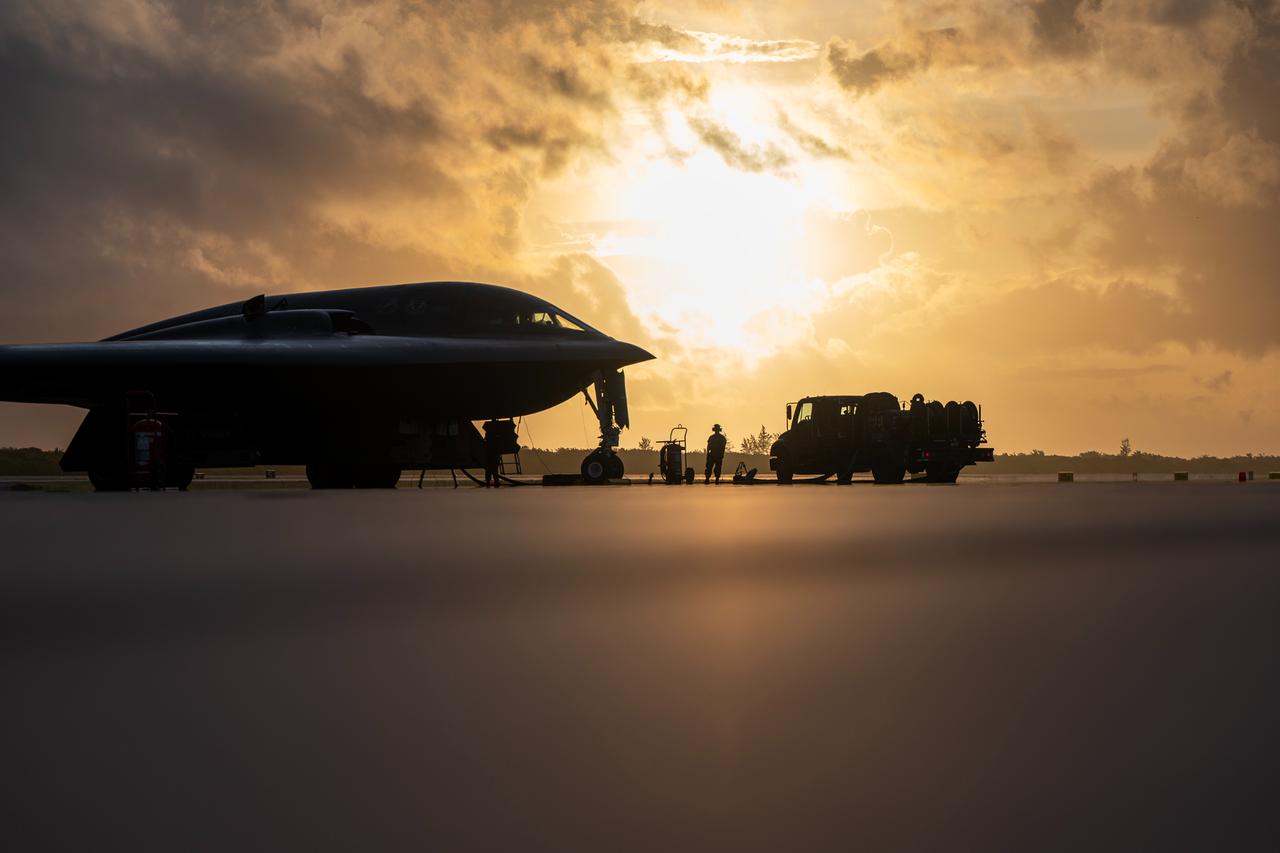
More recently, the base has taken on a renewed operational role. During intensified U.S. airstrikes against Houthi targets in Yemen, nuclear-capable B-2 Spirit bombers were deployed to Diego Garcia, underlining its continued strategic value.
The use of the base has also exposed differences between Washington and London. The U.K. initially declined to allow Diego Garcia to be used in potential U.S.-Israeli strikes against Iran.
However, following Iranian attacks in the region, Britain signaled a shift, indicating that the U.S. bombers could operate from the base to target Iranian missile infrastructure.
This expanded scope was later clarified to include targets linked to attacks on shipping in the Strait of Hormuz, a key global energy transit route.
At the same time, Iran’s missile capabilities remain a central concern. Although Tehran has previously limited its ballistic missile range to around 2,000 kilometers (1242.7 miles), Diego Garcia lies far beyond that distance. US officials have nonetheless argued that Iran’s space program could pave the way for intercontinental missile development.
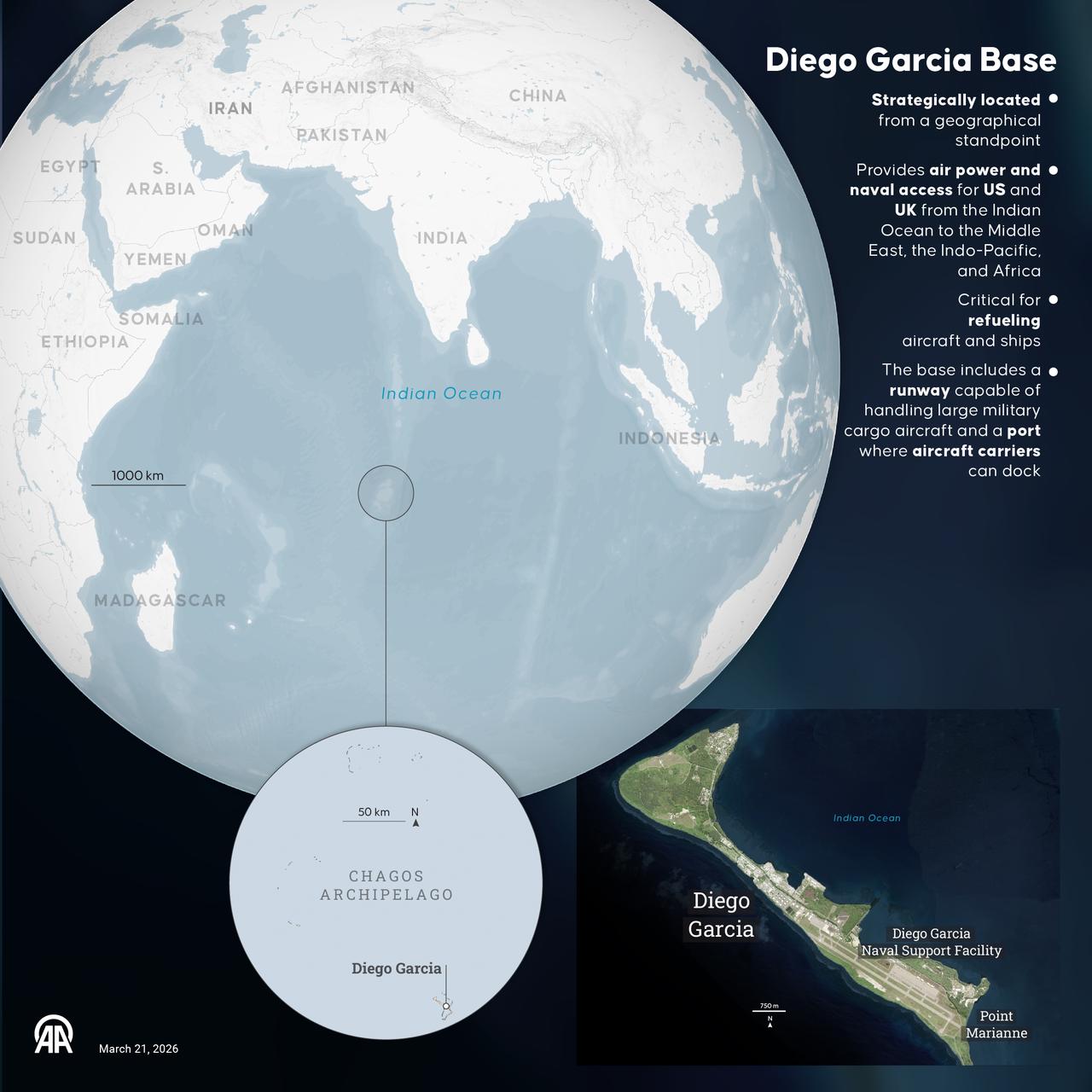
Diego Garcia is part of the Chagos Archipelago, a group of over 60 islands located in the central Indian Ocean, south of India. The territory has been under British control since 1814, when it was ceded by France.
The island’s military transformation came at a high human cost. In the late 1960s and early 1970s, Britain forcibly removed around 2,000 inhabitants to make way for the U.S. base. This displacement has since become a focal point of international criticism.
In recent years, both the United Nations and international legal bodies have called on the U.K. to end what has been described as colonial administration and to return sovereignty to Mauritius.
In response to mounting pressure, the U.K. reached an agreement with Mauritius last year to transfer sovereignty over the Chagos Islands.
Under the deal, Diego Garcia would be leased back to Britain and the U.S. for at least 99 years, ensuring continued military use.
London has framed the agreement as a way to secure the base’s future, but critics have raised concerns about broader geopolitical risks. Opposition voices have argued that transferring control could open the door for greater influence from powers such as China and Russia in the region.
Meanwhile, displaced Chagossians and their descendants have objected to the agreement, saying they were left out of the process and that their right to return remains uncertain.
The British government is downplaying concerns that Iranian missiles could hit Europe, but won’t say how close they came to striking a U.K.-U.S. military base almost 2,500 miles (4,000 kilometers) from Iran.
The attempt toward the Diego Garcia base overnight Thursday to Friday suggests that Tehran has missiles that can go farther than previously acknowledged, or that it had used its space program for an improvised launch. Officials confirmed the attempt on Saturday. British Cabinet minister Steve Reed said one missile was intercepted and the other "fell short," without specifying. He told the BBC the government has "no specific assessment" that Iran is seeking to target Europe, "let alone that they could if they tried."
Israeli Prime Minister Benjamin Netanyahu speaking at the site where a missile struck and caused damage during Iran’s retaliatory attack against Arad, Israel: "They fired an intercontinental ballistic missile on Diego Garcia. That's 4,000 kilometers. I've been warning all the time. They have now the capacity to reach deep into Europe. They already have fired on European countries, Cyprus. They are putting everyone in their sights. and fourth, they're stopping a maritime international route, energy route and trying to blackmail the entire world."
The agreement has increasingly turned into a political flashpoint in Washington, with President Donald Trump sharply criticizing both the deal and the United Kingdom’s handling of the broader crisis. Although the U.S. administration had initially backed the arrangement, Trump later reversed course, describing it as “a big mistake” while linking his objections to wider frustrations over allied coordination.
His criticism intensified as he publicly rebuked U.K. Prime Minister Keir Starmer for what he portrayed as delayed support during U.S.-Israeli strikes on Iran. In remarks shared on social media, Trump suggested that British military contributions were no longer necessary, stating that the United States would “remember” the lack of immediate backing and adding that it did not need partners “that join wars after we’ve already won.”
The dispute unfolded despite the U.K. eventually allowing U.S. forces to use key facilities, including Diego Garcia and bases in Britain, for what London described as “specific and limited defensive purpose.” British officials confirmed that US bombers had already begun operating from U.K. bases to counter perceived threats from Iran, while preparations were also underway to increase the readiness of the aircraft carrier HMS Prince of Wales for potential deployment.
The situation has also exposed divisions within British politics, where some members of the ruling Labour Party have taken a more cautious stance on military involvement. Critics have argued that domestic political considerations may have influenced the government’s initial hesitation, potentially straining what is often referred to as the long-standing “special relationship” between the U.S. and the U.K.
Adding to the pressure, U.S. Secretary of State Marco Rubio appeared to indirectly criticize allies that were slow to grant base access, emphasizing that reliable partners are expected to stand by the United States when needed.
Amid these tensions, the ratification process of the U.K.-Mauritius agreement has been put on hold in the British Parliament, pending renewed alignment with Washington.


 Set as preferred source
 Set as preferred source


 1 min read
 1 min read