Newsletters




A senior Iranian source reportedly told Reuters that a political understanding over the war with the U.S. had been reached, but no final deal has been completed, as President Donald Trump said he would make an imminent decision on a potential agreement with Tehran.
Trump said Friday that he was heading to the White House Situation Room to make a final determination on a possible deal that would extend the cease-fire with Iran and require the Strait of Hormuz to reopen.
“I will be meeting now, in the Situation Room, to make a final determination,” Trump said.
Reuters reported that sources said a deal was being discussed to extend the cease-fire, in place since early April, for another 60 days.
The extension would allow oil and gas shipments to resume through the strategic waterway while negotiators work through difficult issues, including Iran’s nuclear program.
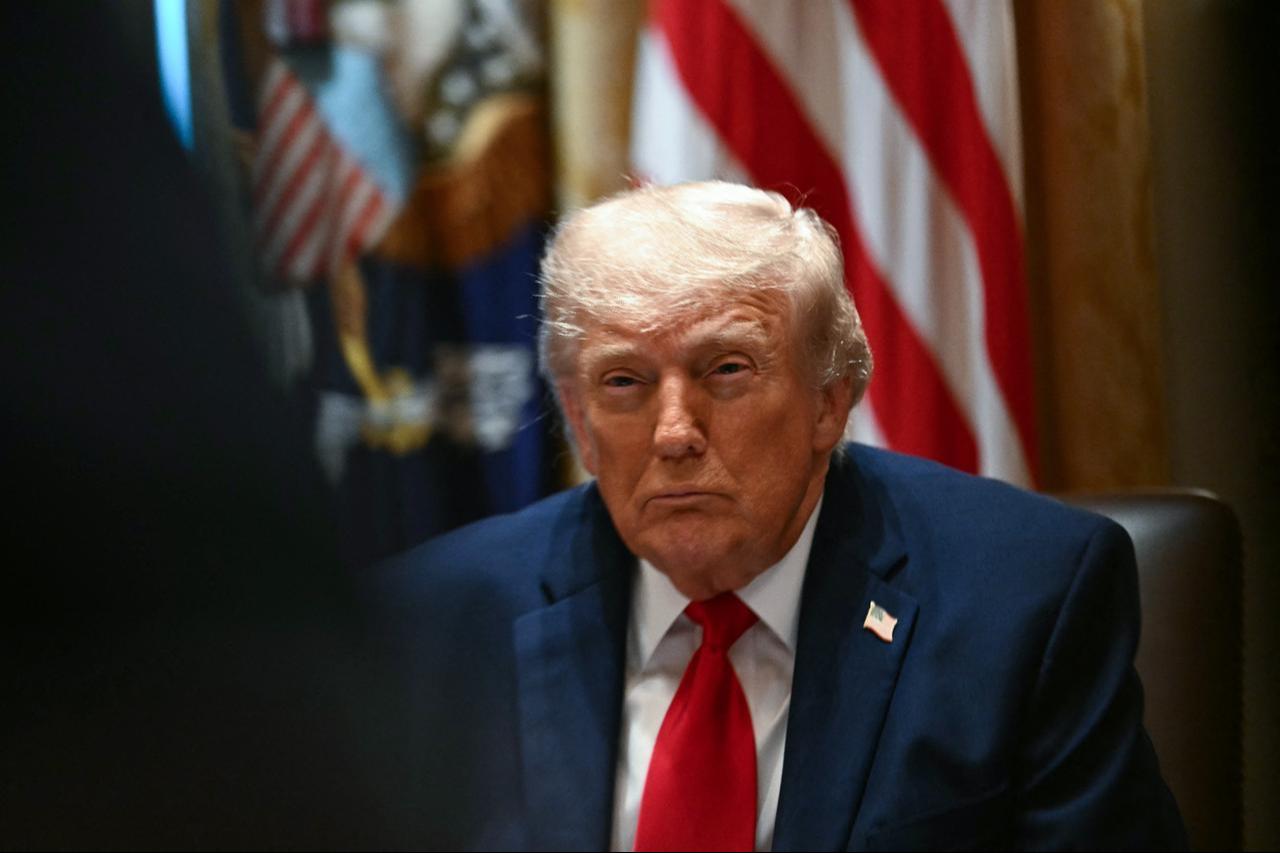

Trump said Iran must agree that it will never have a nuclear weapon or bomb.
“Iran must agree that they will never have a Nuclear Weapon or Bomb. The Hormuz Strait must be immediately open, no tolls, for unrestricted shipping traffic, in both directions,” Trump said.
He added that nuclear material would be “unearthed” by the U.S.
Trump also said mines would be removed from the Strait of Hormuz and ships trapped there because of the blockade could start returning home.
He said no money would be exchanged “until further notice,” a possible reference to Iran’s demands for toll payments in the strait, war damage reparations or the release of Iranian funds frozen abroad, according to Reuters.
Iran’s semi-official Fars news agency, citing sources, said Trump’s comments included a “mixture of truth and falsehood” and described them as an “attempt to portray a fabricated victory.”
Fars said that after the U.S. lifts its blockade on Iranian ships, the Strait of Hormuz would be reopened under Tehran’s arrangements.
The agency also said there was no provision in the memorandum of understanding requiring the destruction of nuclear materials.
However, Fars said there was an agreement to release $12 billion in frozen Iranian assets.
Kazakhstan has signaled it is willing to take Tehran’s stockpile of uranium enriched close to weapons-grade levels if the U.S. reaches a deal with Iran, U.N. nuclear watchdog chief Rafael Grossi told the Financial Times.
Kazakhstan hosts an internationally controlled bank of low-enriched uranium to ensure fuel supplies for power stations in International Atomic Energy Agency member states.
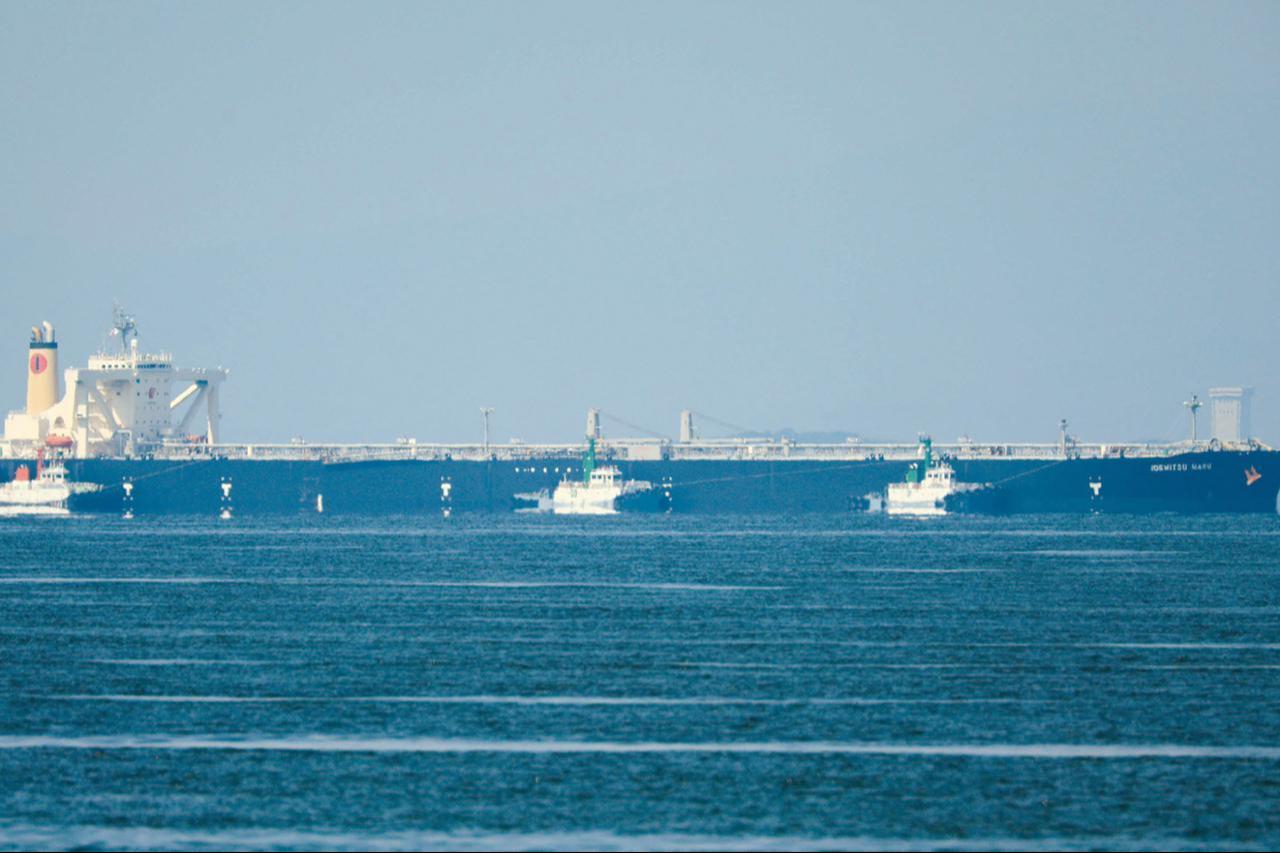
The war launched by the U.S. and Israel on Feb. 28 has killed thousands of people, mainly in Iran and Lebanon, and caused global economic pressure by pushing up energy prices after Iran’s effective closure of the Strait of Hormuz, Reuters reported.
Oil prices fell and stocks rose Friday over the potential deal.
In another diplomatic move, Pakistan’s Foreign Minister Ishaq Dar arrived in Washington on Friday for talks with U.S. Secretary of State Marco Rubio.
Iran also wants sanctions lifted, U.S. forces withdrawn from the region and any peace deal to end Israel’s offensive in Lebanon.
Israel has displaced hundreds of thousands of people with a push deep into Lebanon targeting Hezbollah, Iran’s main ally.
Israeli strikes have hit southern and eastern Lebanon as well as Beirut, killing more than 3,200 people, according to Lebanon’s Health Ministry.
Israel says 23 soldiers and four civilians have been killed over the same period.


 Set as preferred source
 Set as preferred source


 1 min read
 1 min read