Newsletters


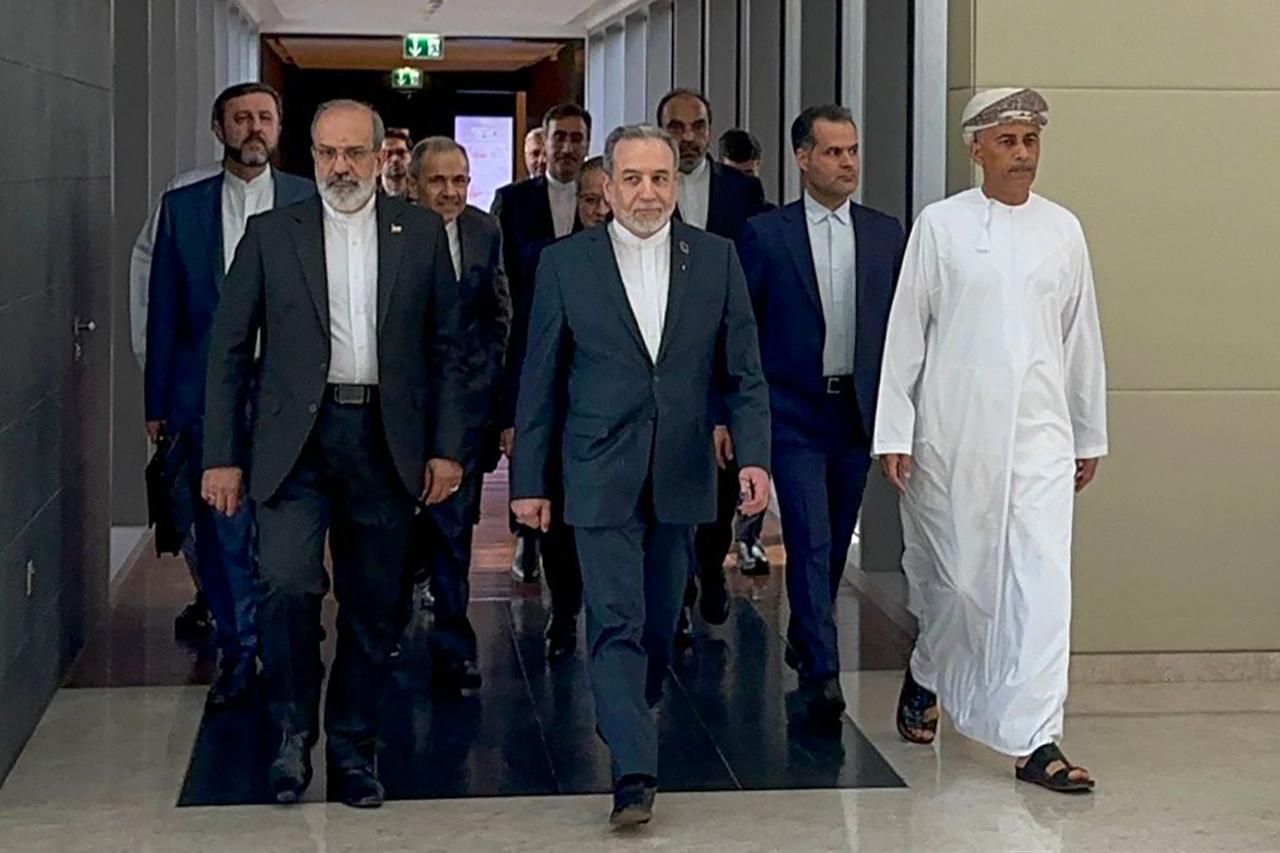


Iranian-American academic Vali Nasr said Iran and the United States do not want war but are using the threat of military conflict to shape diplomacy ahead of planned talks in Oman.
Speaking to Anadolu Agency before negotiations between Iranian and U.S. delegations in Muscat, Nasr said both sides were signaling restraint while keeping pressure high.
“I think both Iran and the U.S. are using the threat of war to shape diplomacy,” Nasr said. “The U.S. says it has a massive armada it could use if talks fail. Both sides are preparing for war, but they do not want to fight.”
Nasr is a professor at Johns Hopkins University in Maryland and a former senior adviser at the U.S. State Department.

Nasr said U.S. President Donald Trump initially moved too quickly to threaten Iran with war when protests broke out in Iran in January but has since shown signs of preferring not to enter a conflict.
“I think President Trump was very quick to threaten Iran with war when protesters took to the streets, but he is increasingly signaling that he prefers not to go to war,” Nasr said.
He said Trump’s deployment of naval forces to the region was intended more to increase pressure on Tehran to accept diplomacy than to launch a military strike.
Nasr noted that the January protests were among the largest and most intense in Iran’s history and created a brief window in which expectations of an attack rose, including when Iran closed its airspace. However, he said Trump chose not to act militarily.
 2 min read
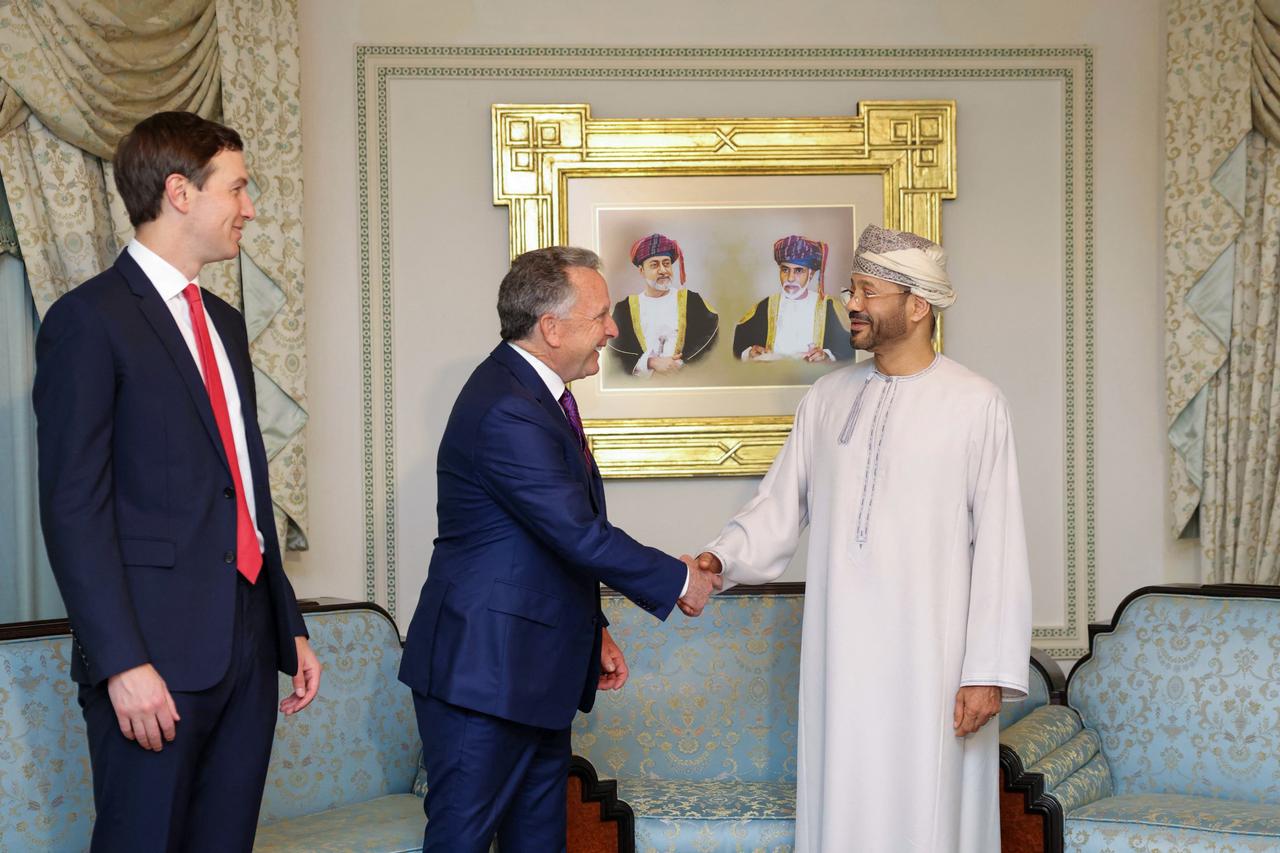
Nasr said Trump returned to the negotiating table rather than ordering a military operation, influenced by consultations with Türkiye, Saudi Arabia, Qatar, Oman and Egypt.
“This process was largely led by Türkiye, especially by Türkiye’s foreign minister and president,” Nasr said, adding that an initial meeting was announced for Istanbul before being moved to Muscat for various reasons.
He said the core framework of what Iran and the U.S. could discuss was shaped during the Istanbul process, made possible by Türkiye’s active involvement.
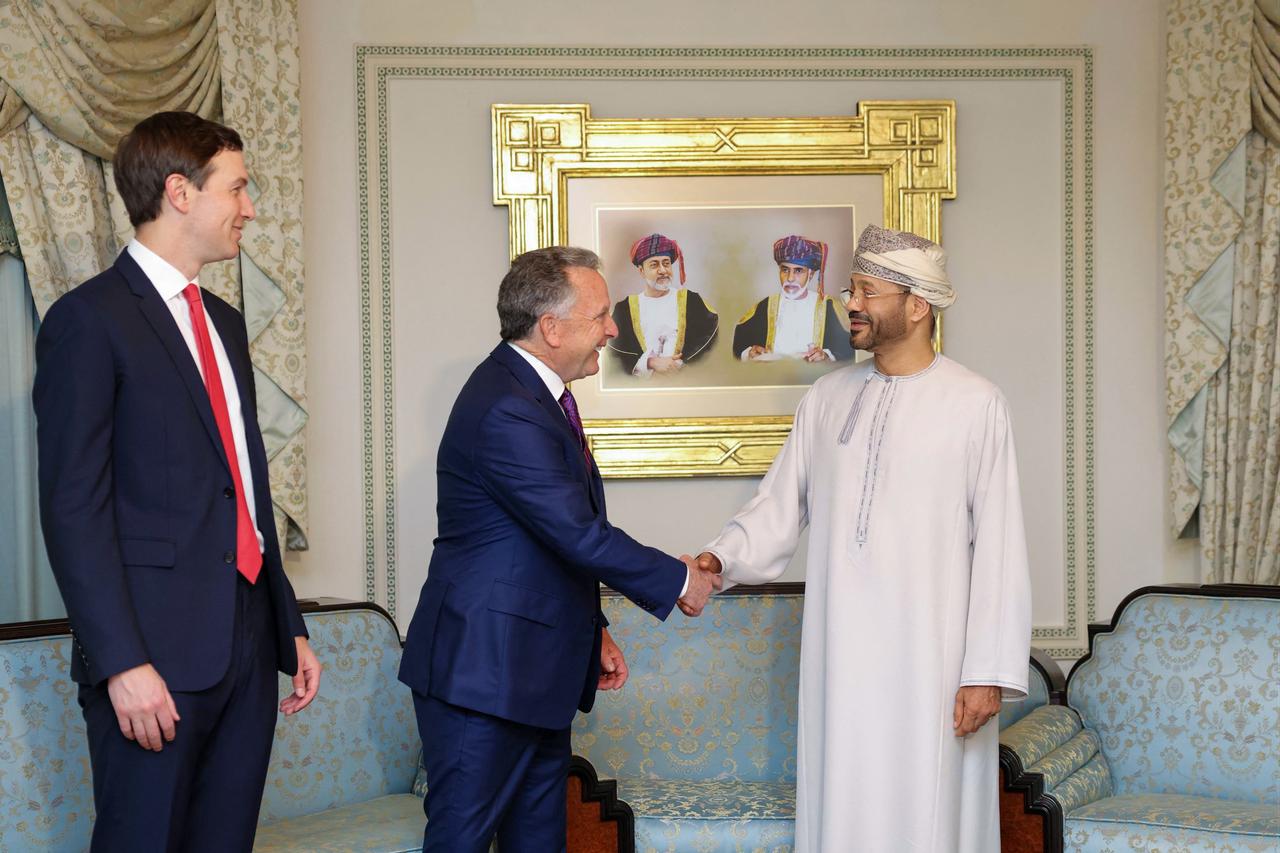
Nasr said Iran believes the U.S. ultimate goal is regime change rather than a genuine nuclear agreement, fueling deep mistrust.
“Iran thinks the U.S. is not really pursuing a genuine agreement,” he said.
He added that Tehran views a potential deal as a temporary ceasefire rather than a breakthrough like the 2015 nuclear agreement.
“At that time, Iran saw the deal as opening its economy to the world,” Nasr said. “Today in Muscat, they are only looking for an agreement that prevents war. Expectations are much lower.”
Nasr said the level of suspicion between the two sides is higher than in previous negotiations and that Iran is proceeding cautiously as talks begin.


 Set as preferred source
 Set as preferred source


 1 min read