Newsletters




Türkiye’s National Intelligence Academy, known as MIA, said the U.S./Israel-Iran war produced multidimensional consequences for modern warfare, regional security balances and Türkiye’s strategic priorities.
In its report titled “The U.S./Israel-Iran War and Türkiye from a Military and Geopolitical Perspective,” MIA said the conflict, which began on Feb. 28 and lasted nearly 40 days, marked a new period in artificial intelligence-supported systems, electronic warfare, critical infrastructure security, energy supply, cognitive warfare, social resilience and diplomacy.
In the report’s foreword, MIA President Professor Talha Kose said the academy’s earlier “12-Day War” report had largely anticipated that the conflict could continue and become regionalized.

The report said modern warfare is shifting from a platform-centered approach to a structure based on data, networks, production capacity and operational sustainability.
Artificial intelligence-supported systems accelerated intelligence, surveillance, reconnaissance, target detection and air defense processes, showing that decision superiority now depends on data processing, algorithmic analysis and real-time integration.
MIA said electromagnetic spectrum dominance has become central to modern air power, with radar systems, data links, satellite communication, electronic warfare and communication networks directly affecting battlefield outcomes.
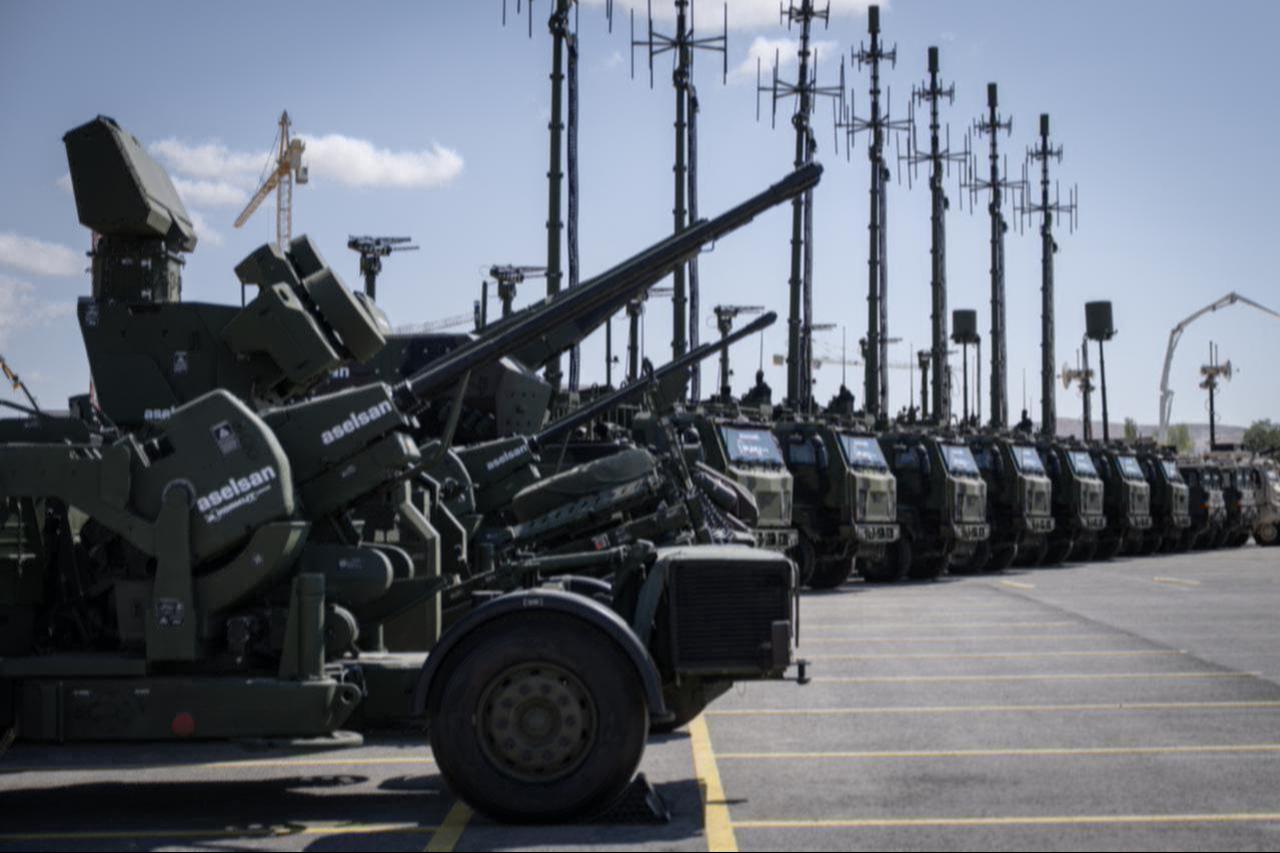
Iran’s use of low-cost kamikaze drones and multiple missile attacks showed that multilayered air defenses are not absolute and that modern air defense must include early warning, electronic warfare, cybersecurity and offensive capacity.
Also, high-cost platforms such as aircraft carriers, tanker aircraft and airborne early warning systems remain important but face greater vulnerability under intense missile threats.
For Türkiye, the report said the war underscored the need for a new-generation defense approach covering air and missile defense, electromagnetic spectrum control, ammunition sustainability, cognitive warfare and distributed command-control systems.
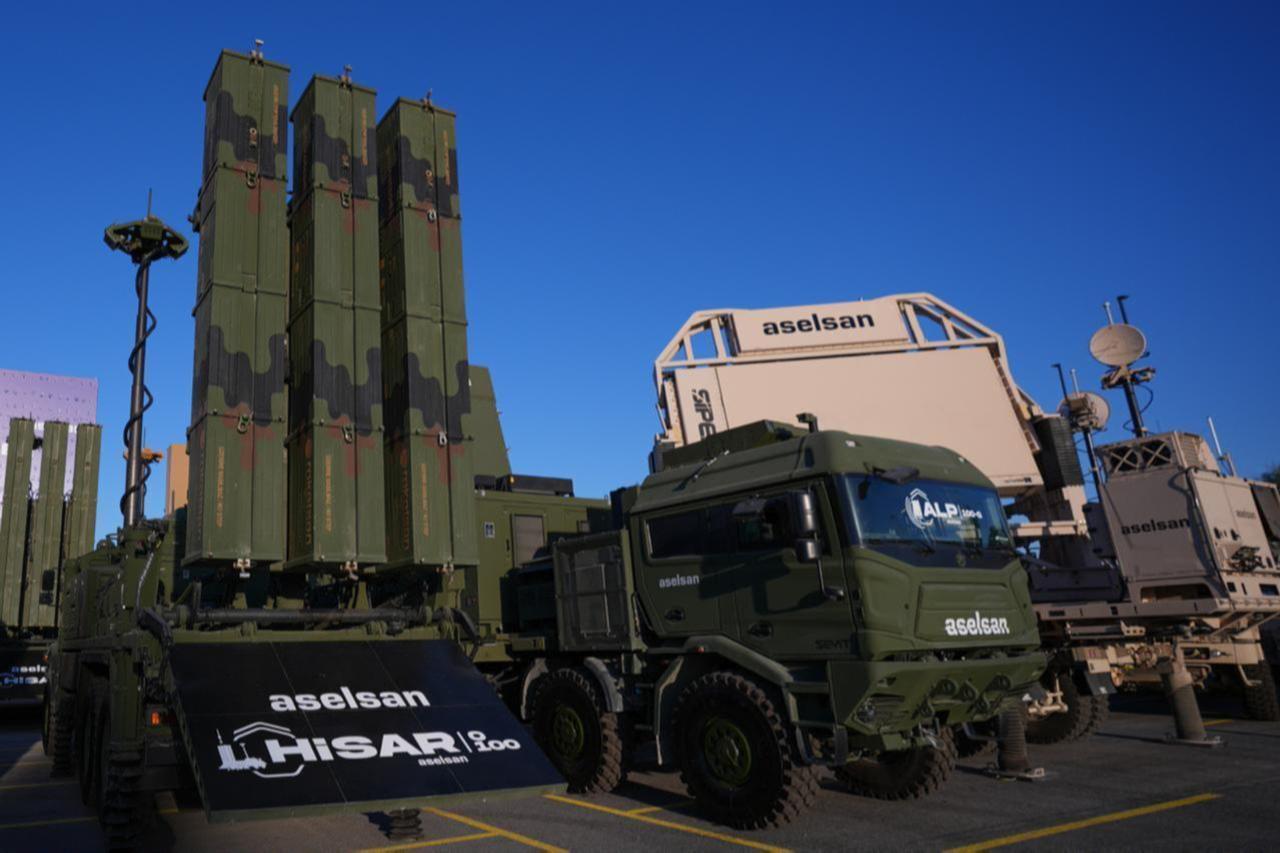
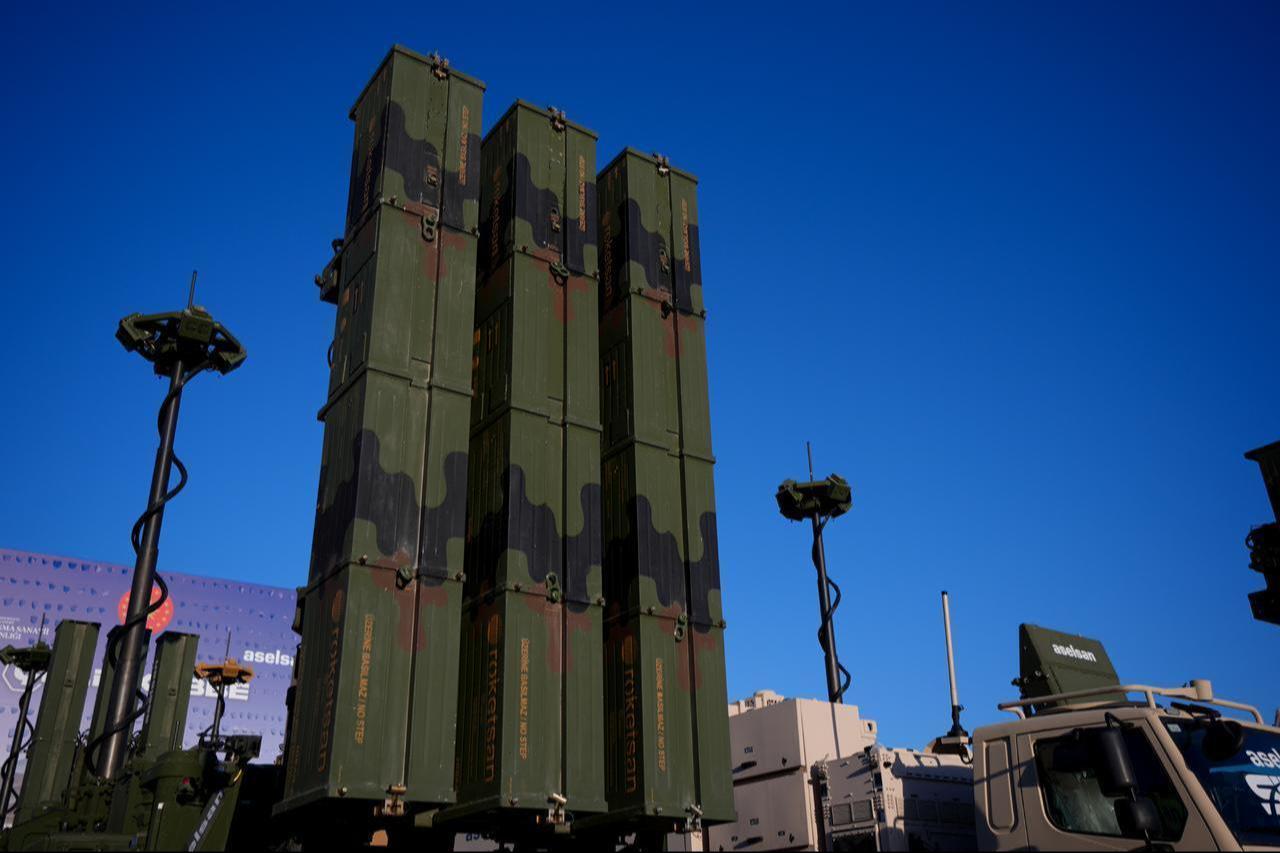
Türkiye’s Steel Dome project, which aims to bring together all air and missile defense systems, became more important after the war.
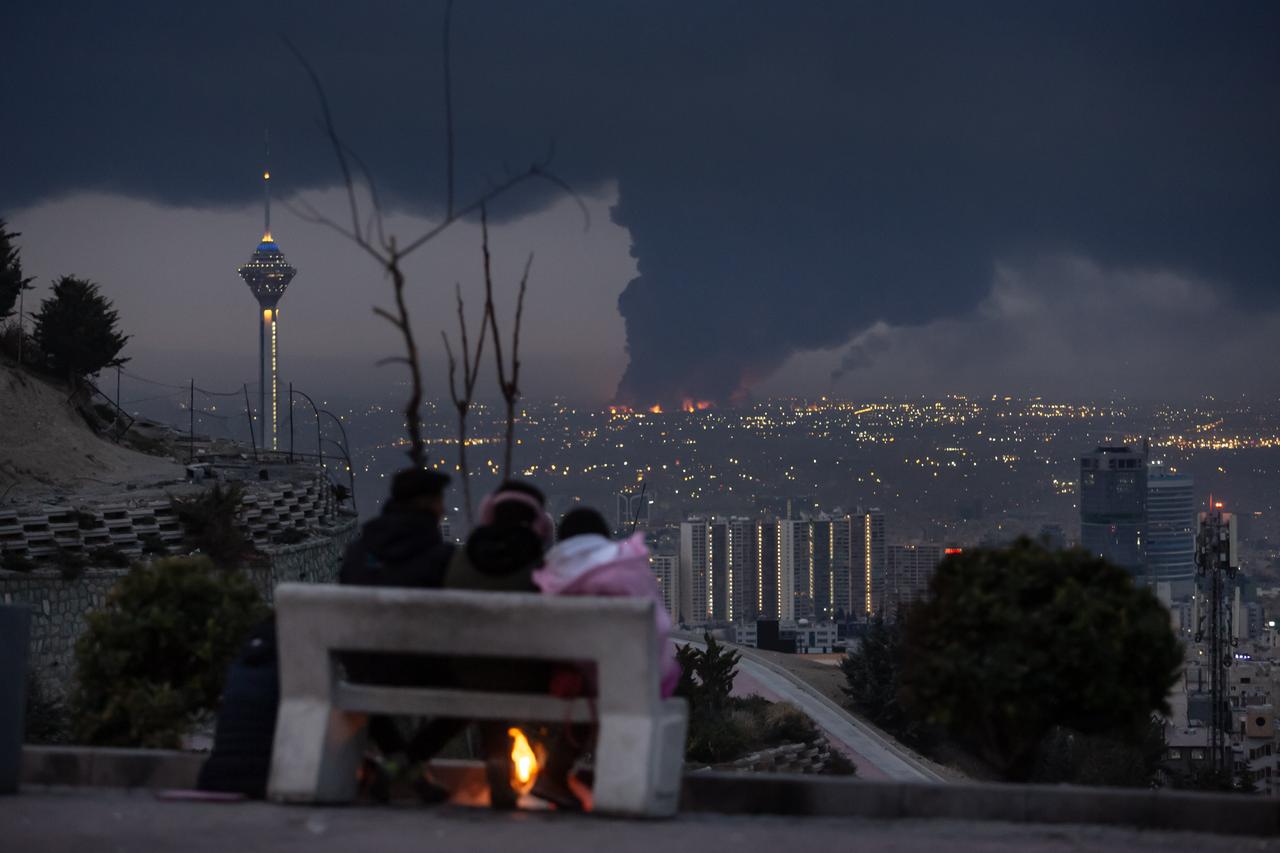
The report said energy facilities, radar networks, communication systems, logistics centers and other critical infrastructure became priority targets during the war.
This showed that modern war targets not only military assets but also the infrastructure that enables warfighting capacity.
Tensions around the Strait of Hormuz, the Red Sea and the Eastern Mediterranean turned energy supply security and trade routes into strategic competition areas.
It said protecting energy infrastructure and maritime trade routes have become a key part of regional security.
MIA also said the Development Road and Middle Corridor projects have become not only economic initiatives but also geopolitical and strategic security projects after the war.
The war eroded the existing Middle East security architecture based on proxy actors, fragile balances and external guarantees.
Iran’s regional capacity was weakened but not eliminated, while Israel saw Iran’s weakening as a strategic opportunity to expand its operational space in Syria, Lebanon and the Eastern Mediterranean, increasing the possibility of strategic competition with Türkiye.
MIA said Türkiye’s multidimensional diplomatic capacity gave Ankara a strategic advantage during the war.
Türkiye’s ability to keep communication channels open with Iran, Gulf countries, Pakistan, Europe and the U.S. showed its capacity to act as a balancing and facilitating actor in a new regional security architecture.
The report said Türkiye should continue supporting cease-fire and mediation efforts by regional actors, especially Pakistan, to keep communication channels open and limit regional tensions.
Türkiye should maintain a balanced approach toward Iran while also considering the Gulf countries’ security concerns.
MIA also said Türkiye’s military capacity, defense industry infrastructure, diplomatic flexibility and regional reach make it one of the strongest actors able to manage the power vacuum created by Iran’s weakened regional position.
Israel’s efforts to expand its operational space may create new tension areas with Türkiye, especially in Syria, the Eastern Mediterranean and the regional security architecture.
The report said Türkiye has become one of the actors capable of providing security and stability in the new period because of its geopolitical position, defense industry infrastructure, operational experience and diplomatic flexibility.


 Set as preferred source
 Set as preferred source


 1 min read
 1 min read