Newsletters


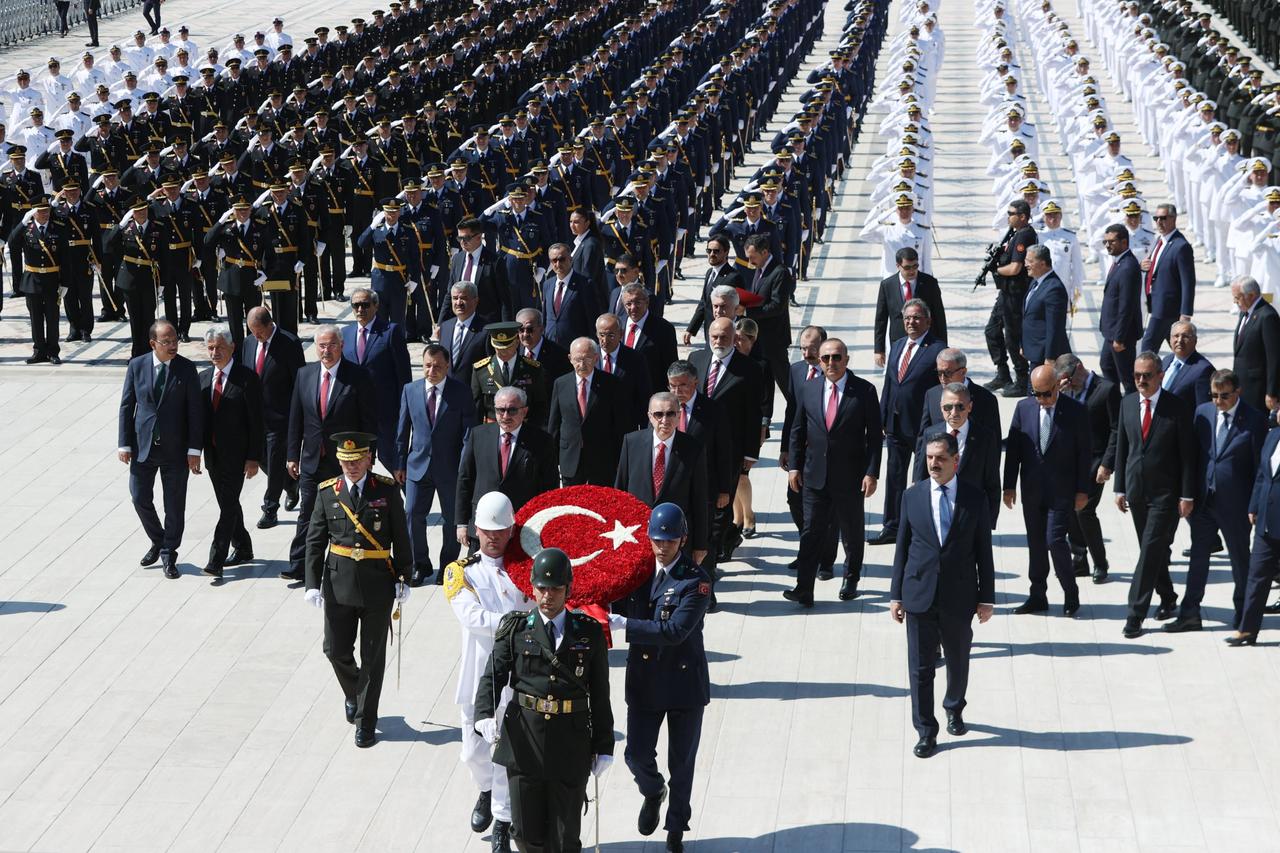


For over two decades before the last decade, security discourse in Türkiye was largely defined by the fight against terrorism. Political debates about national security focused on internal threats, militant groups, and the stability of the state within its own borders.
In the 1990s, when terrorism dominated the national agenda, the word “security” in Türkiye was almost synonymous with counterterrorism operations.
In earlier decades still, security had been associated with internal instability, political violence, and periods of social “anarchy.”
In other words, after the prospect of a Soviet invasion receded following Stalin’s death, security came to be understood primarily as a domestic issue.
Over time, however, the scale of Türkiye’s internal security problem was significantly reduced through military and intelligence operations. As the domestic dimension of the threat became more contained, the framework through which security was discussed began to change.
In the past decade, the meaning of security in Türkiye has increasingly shifted from internal threats to interstate tensions. Cross-border operations, regional rivalries, and geopolitical competition have gradually replaced internal insurgency as the dominant themes of security debates.
Pushing the perception of threat beyond the nation’s frontiers has effectively transformed the domestic political agenda. The military minimization of the PKK and Daesh within the borders has fundamentally shifted the internal focus.
Not long ago in Turkish politics, national security could actually recede in prominence, overtaken by immediate domestic concerns such as migration or the economy, especially before the collapse of the Iranian crescent across the region. Today, however, with sirens sounding and tensions rising, that gaze is fixed firmly outward.
The ongoing war environment around Türkiye, therefore, will accelerate and solidify the recalibration of political and security discourse by firmly anchoring security discussions in the context of interstate conflict.
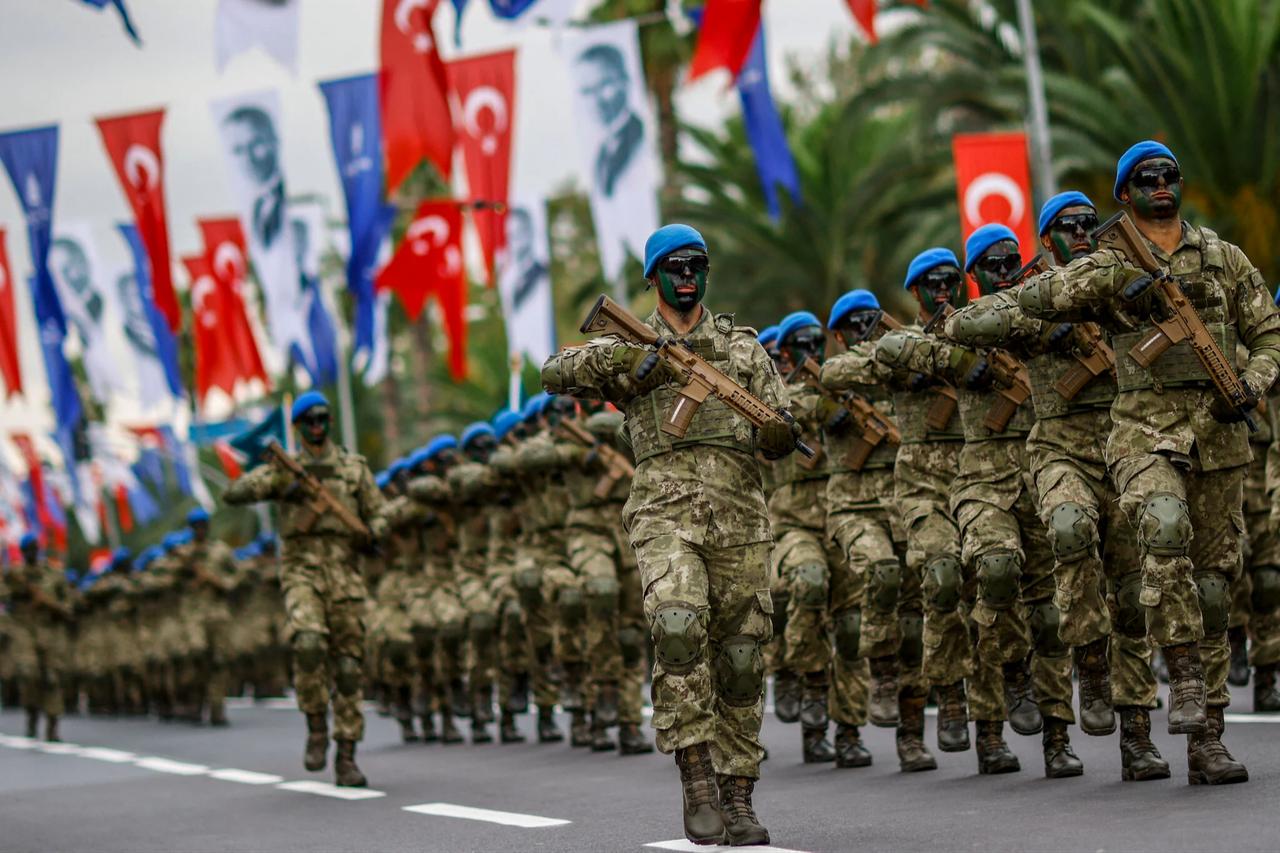

Security discourse tends to provide structural advantages to governments, particularly in countries with a strong central state tradition, such as Türkiye. In these political cultures, national security is often perceived by voters as directly connected to the survival and continuity of the state.
This perception allows governing authorities to position themselves as the primary guardians of the state. Because the government controls the central bureaucracy, intelligence services, and the military command structure, it can portray itself as the institutional actor most closely aligned with the state itself.
As a result, governments are able to frame security debates in ways that emphasize state responsibility and institutional authority. This framing strengthens the perception that national security decisions are matters of state leadership rather than ordinary political competition.
Another key advantage arises from the issue of asymmetric information. Security policies are, by nature, developed behind closed doors and rely heavily on classified intelligence, diplomatic channels, and operational military data.
The government is typically the only actor with direct access to operational information from the field. Intelligence reports, military assessments, and strategic planning are concentrated within the executive branch.
Opposition parties, on the other hand, lack access to these sources of information. This creates a structural dilemma for the opposition. In areas where they do not possess the same level of information, they may feel compelled either to support the government’s position unconditionally or to remain silent and risk being pushed out of the national debate.
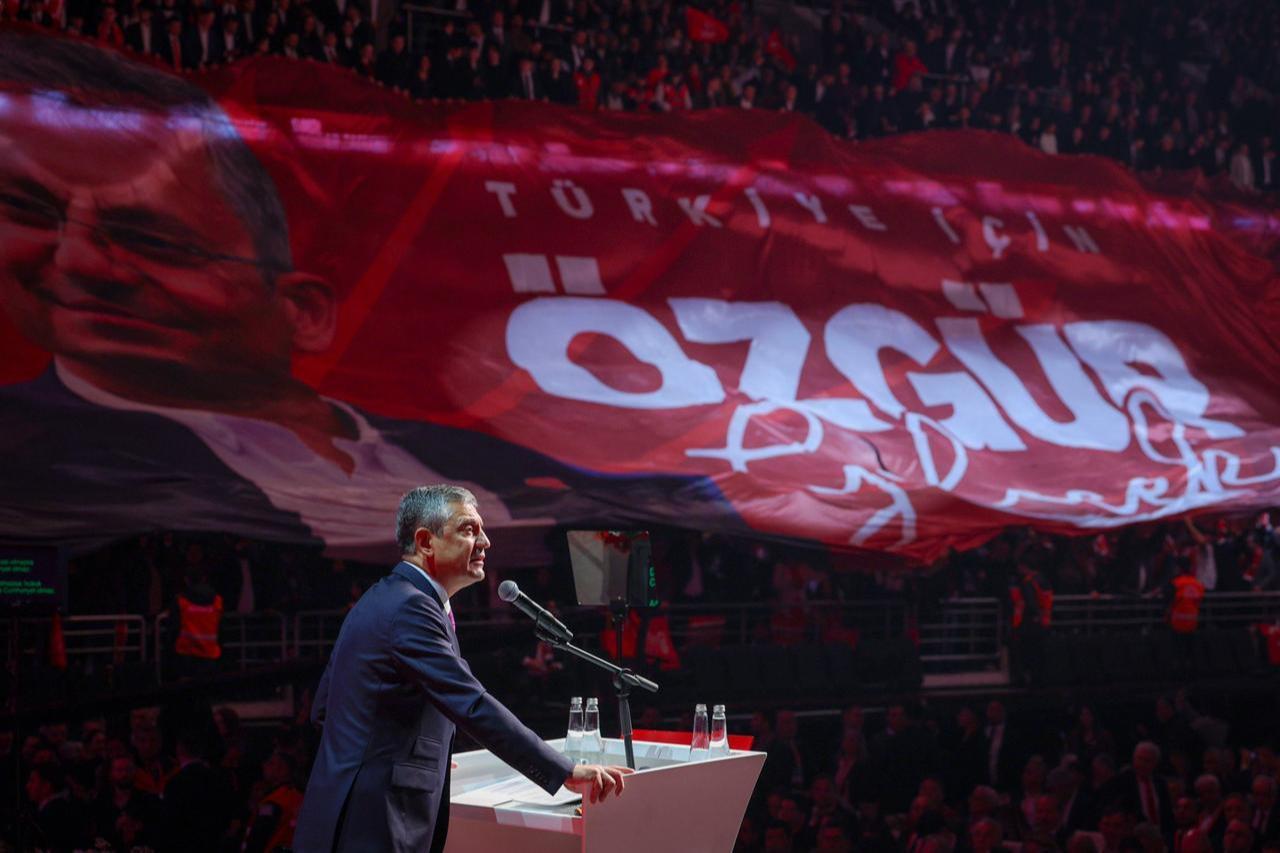
In recent years, much of the Turkish opposition’s political strategy has been built around what can be described as micro-level successes. Municipal governments under opposition control have focused heavily on social policies and local services aimed at improving everyday life.
Programs such as social assistance initiatives, public welfare projects, subsidized transportation, and community support mechanisms have been central to this approach. These policies are thought to resonate strongly with voters, as they directly affect the daily living conditions of the citizens.
At the local level, this strategy has produced visible political returns. Municipal governance allows opposition parties to demonstrate administrative competence and provide concrete services to residents.
However, the approach has also produced a structural contrast between micro and macro politics. While opposition parties emphasize local governance and social services, the government tends to move the political debate toward broader national issues.
The ruling leadership frequently shifts public discussion to macro-level themes such as diplomatic ground-gaining, cross-border military interventions, tensions in the Eastern Mediterranean, and strategic developments in the defense industry.
In this narrative, municipal policies are portrayed as small-scale administrative matters, while national leadership is associated with protecting the country’s sovereignty and strategic interests.
The government further strengthens this macro narrative by directing large public investments toward strategic sectors such as defense technologies and advanced manufacturing. Major technological projects help create an image of leadership that is building the country’s future capacity.
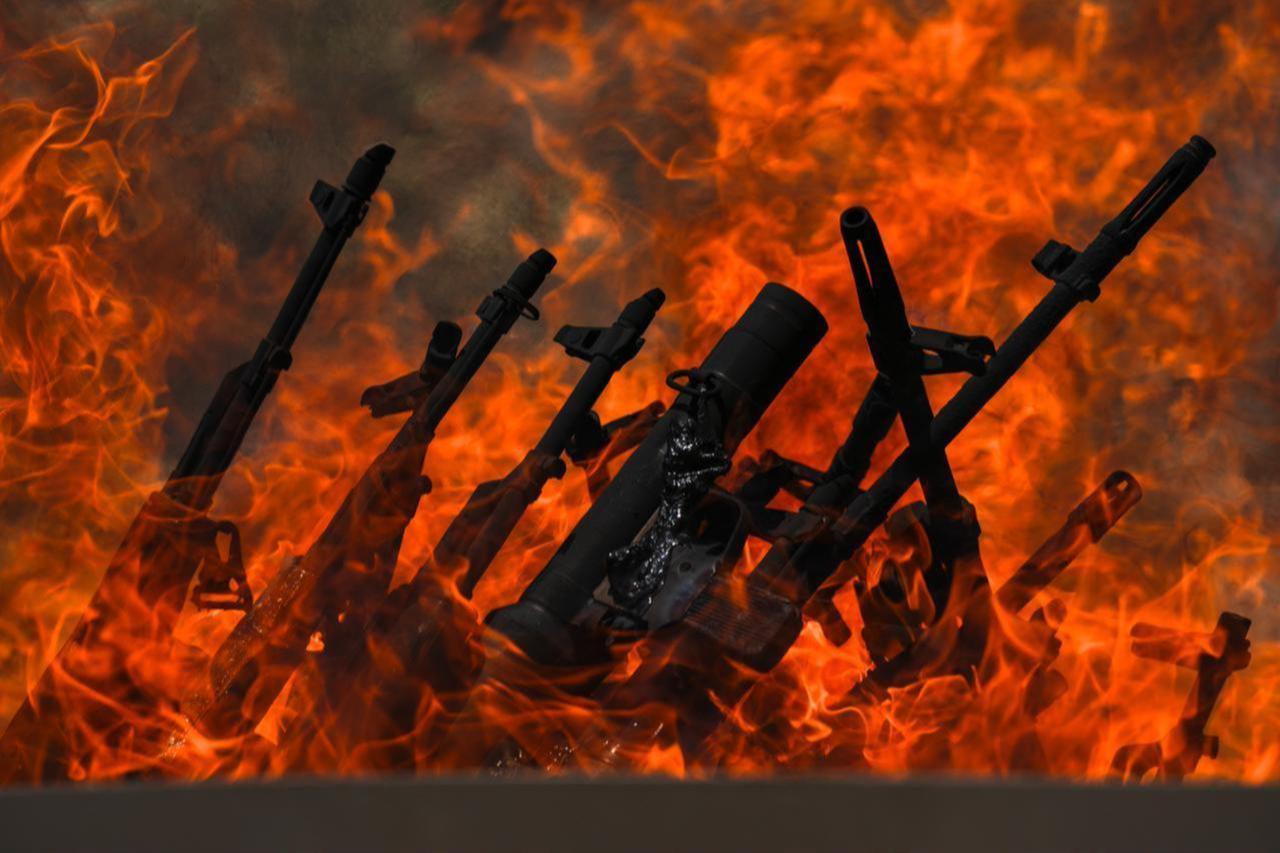
One of the clearest signs of the changing nature of Türkiye’s security discourse can be seen in the differences between past and present peace initiatives.
The first major peace process in Türkiye unfolded within a political environment shaped primarily by the internal fight against terrorism.
Shaped by the conditions of the time, back then, the public discussions around the process often included debates about democratic rights, civil society engagement, and political reforms. The issue was not treated solely as a security matter but also as a broader political and social challenge.
However, when a country operates in an environment dominated by regional conflicts with no immediate internal threat, the political framework changes significantly. In such a climate, even policies aimed at resolving internal conflicts can be incorporated into a broader security narrative.
This is where the current initiative of the terror-free Türkiye project differs from earlier peace processes. Increasingly framed within a wider geopolitical context rather than purely domestic political reforms, it is being presented within a security framework shaped by regional tensions and interstate rivalries.


 Set as preferred source
 Set as preferred source


 7 min read