Newsletters


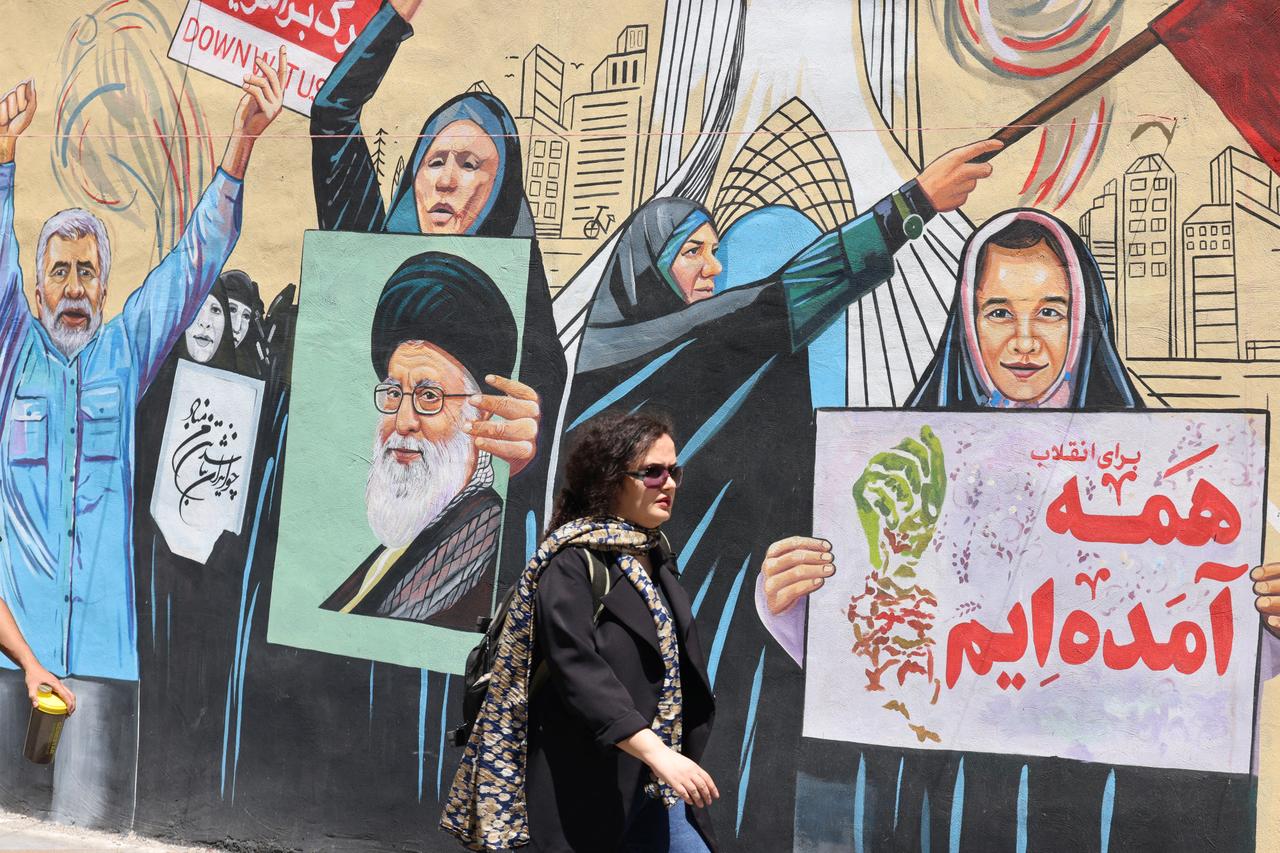


Iran warned the U.S. that Americans would face growing economic consequences from what Tehran called Washington’s “war of choice,” while also accusing the U.S. of seeking to manufacture international support for its actions through a draft U.N. Security Council resolution on the Strait of Hormuz.
Iranian Foreign Minister Abbas Araghchi said Saturday on the social media platform X that Americans would be forced to bear the rising costs of conflict with Tehran.
“Put aside gas price hike and stock market bubble. Real pain begins when U.S. debt and mortgage rates start to jump,” Araghchi wrote in English.
Araghchi pointed to growing economic pressure inside the U.S., saying auto loan delinquencies had already reached a more than 30-year high.
“This was all avoidable,” he added.
His comments came as regional tensions remained high after the U.S. and Israel launched strikes against Iran on Feb. 28. The attacks triggered retaliation from Tehran against Israel and U.S. allies in the Gulf, along with the closure of the Strait of Hormuz.
A ceasefire took effect on April 8 through Pakistani mediation, but talks in Islamabad failed to produce a lasting agreement. U.S. President Donald Trump later extended the truce indefinitely.
Iran’s permanent mission to the U.N. also accused Washington of using a draft U.N. Security Council resolution on the Strait of Hormuz to create the appearance of broad international backing.
The U.S., along with Bahrain and Gulf countries Saudi Arabia, the United Arab Emirates, Kuwait and Qatar, announced a draft resolution they said was aimed at defending freedom of navigation in the Strait of Hormuz.
“It is now crystal clear that the U.S. is seeking to exploit the number of the so-called co-sponsors of its politically motivated and one-sided draft resolution to manufacture a false image of ‘broad international support’ for its ongoing unlawful actions and to pave the way for further military adventurism in the region,” Iran’s U.N. mission said on X.
Tehran warned that countries supporting the U.S.-led initiative could share responsibility if tensions escalate.
“Should the U.S. trigger any new escalation, all co-sponsoring States will share international responsibility alongside Washington for the consequences,” the mission said.
“No political excuse or diplomatic cover can absolve them of responsibility for facilitating, enabling, and legitimizing U.S. aggression,” it added.
Trump later extended the truce indefinitely while maintaining a blockade on vessels traveling to or from Iranian ports through the strategic waterway.


 Set as preferred source
 Set as preferred source


 2 min read
 1 min read