Newsletters


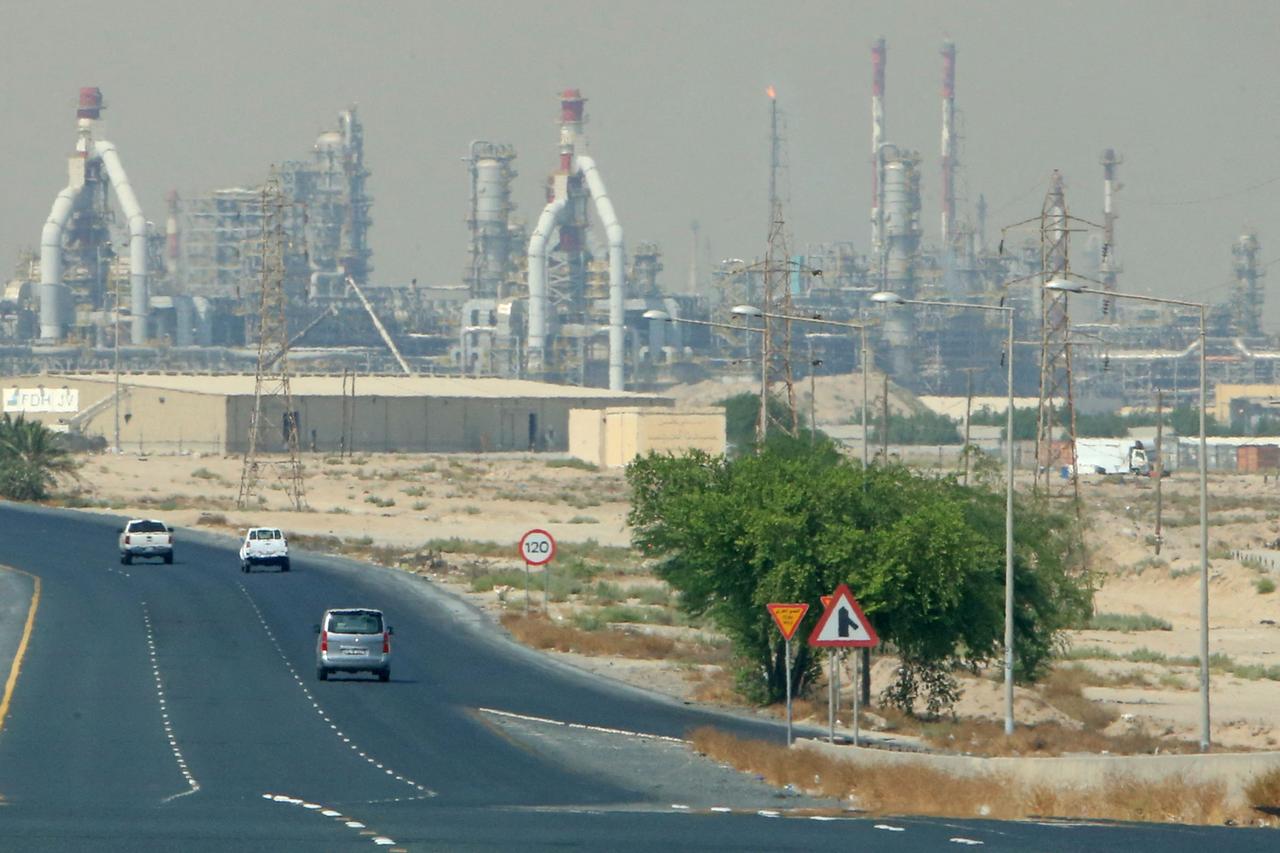


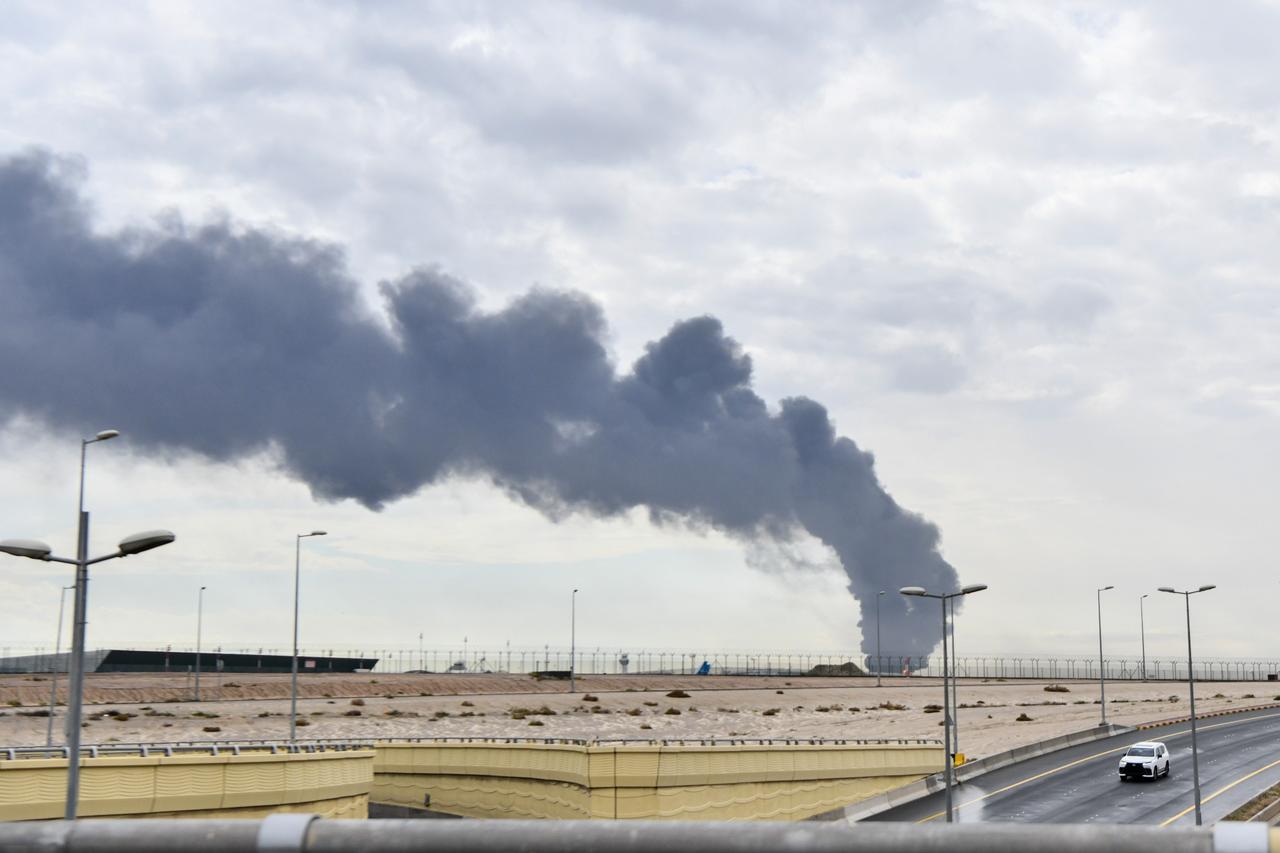
A drone attack on Kuwait's Mina Al-Ahmadi oil refinery early Friday sparked fires in several operational units, the Kuwait Petroleum Corporation (KPC) confirmed.
The attack marked the second major strike on Kuwaiti energy infrastructure in days as Iran's retaliatory campaign continues to target Gulf facilities.
"KPC confirms that Mina Al-Ahmadi Refinery, operated by KNPC, was targeted by a malicious drone attack early Friday, resulting in fires in several operational units," the corporation said in a statement.
Emergency response teams acted immediately to contain the situation, with no injuries reported, KPC said. The corporation said it had taken precautionary measures to ensure the safety of workers and protect the facilities.
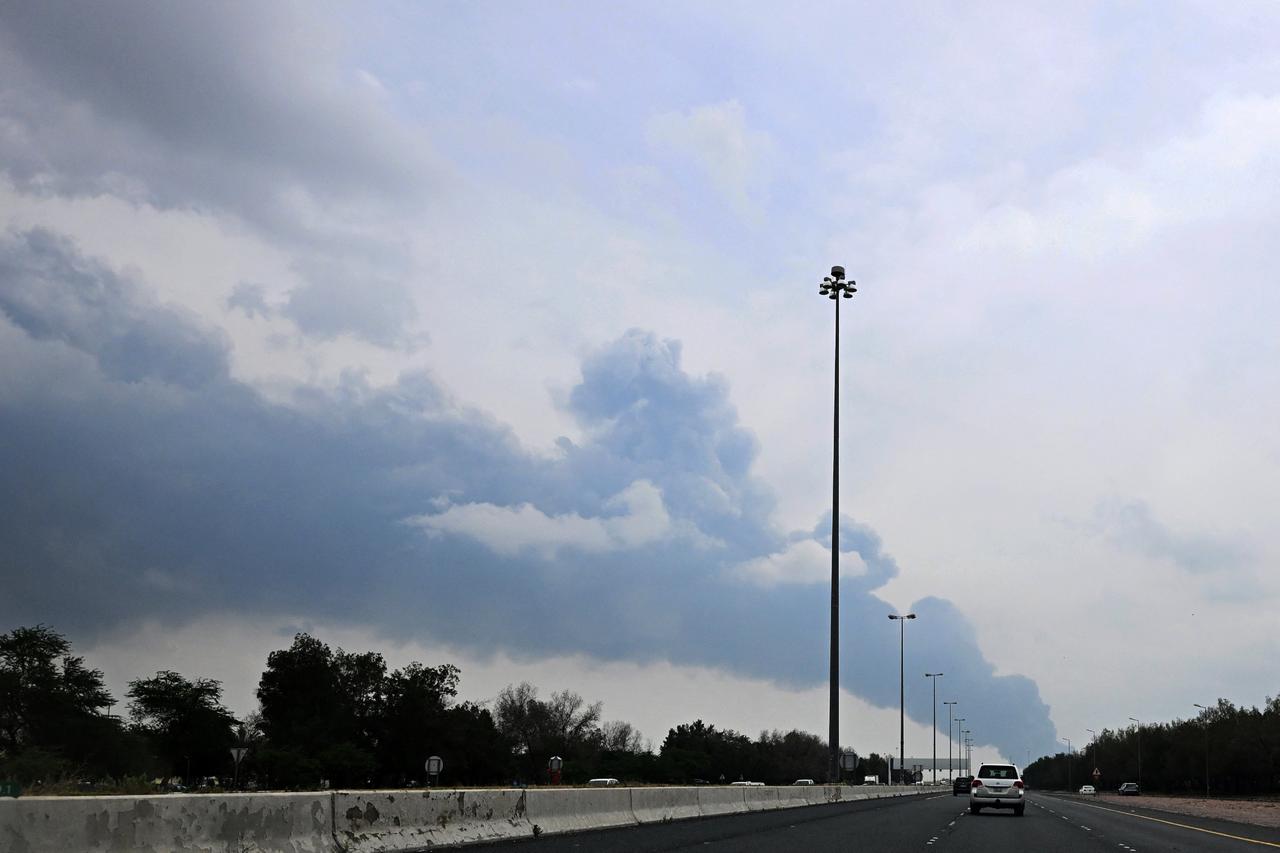
Air quality is being closely monitored in coordination with the Kuwait Environment Public Authority (KEPA), "with no negative impact recorded to date," the statement said.
"KPC remains fully committed to the highest standards of safety, ensuring operational continuity and the protection of people and assets," the corporation added.
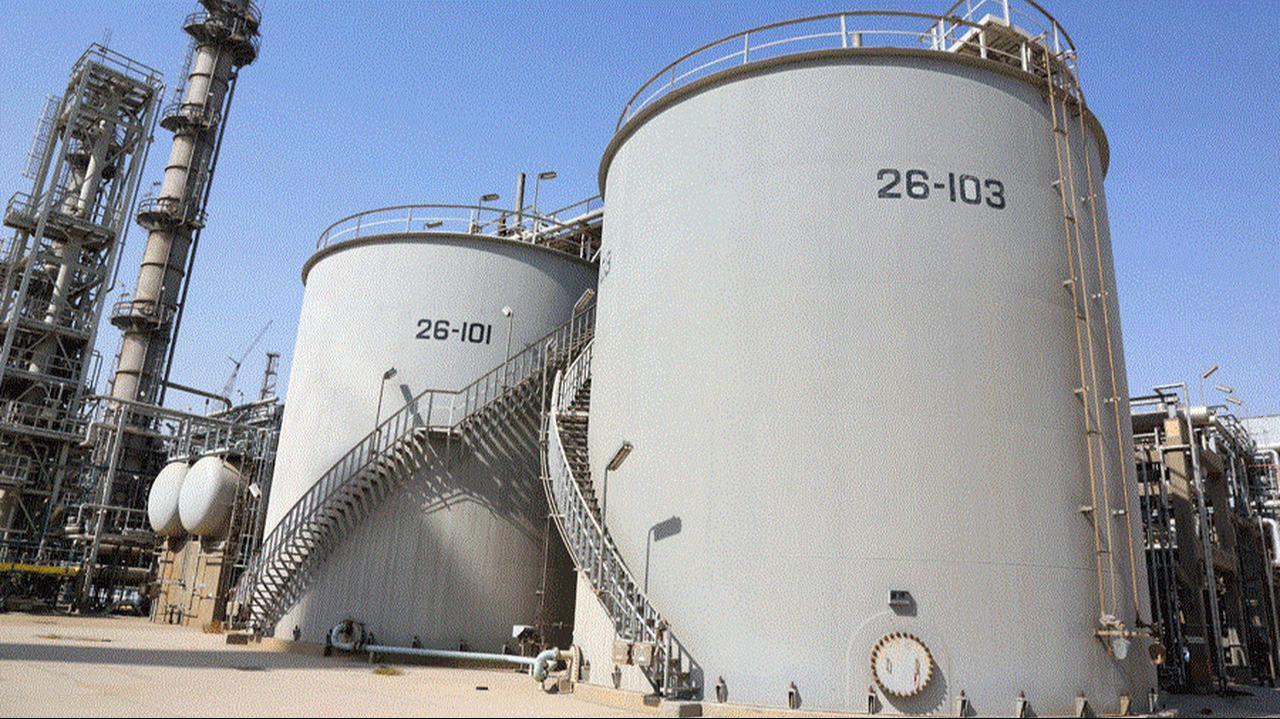

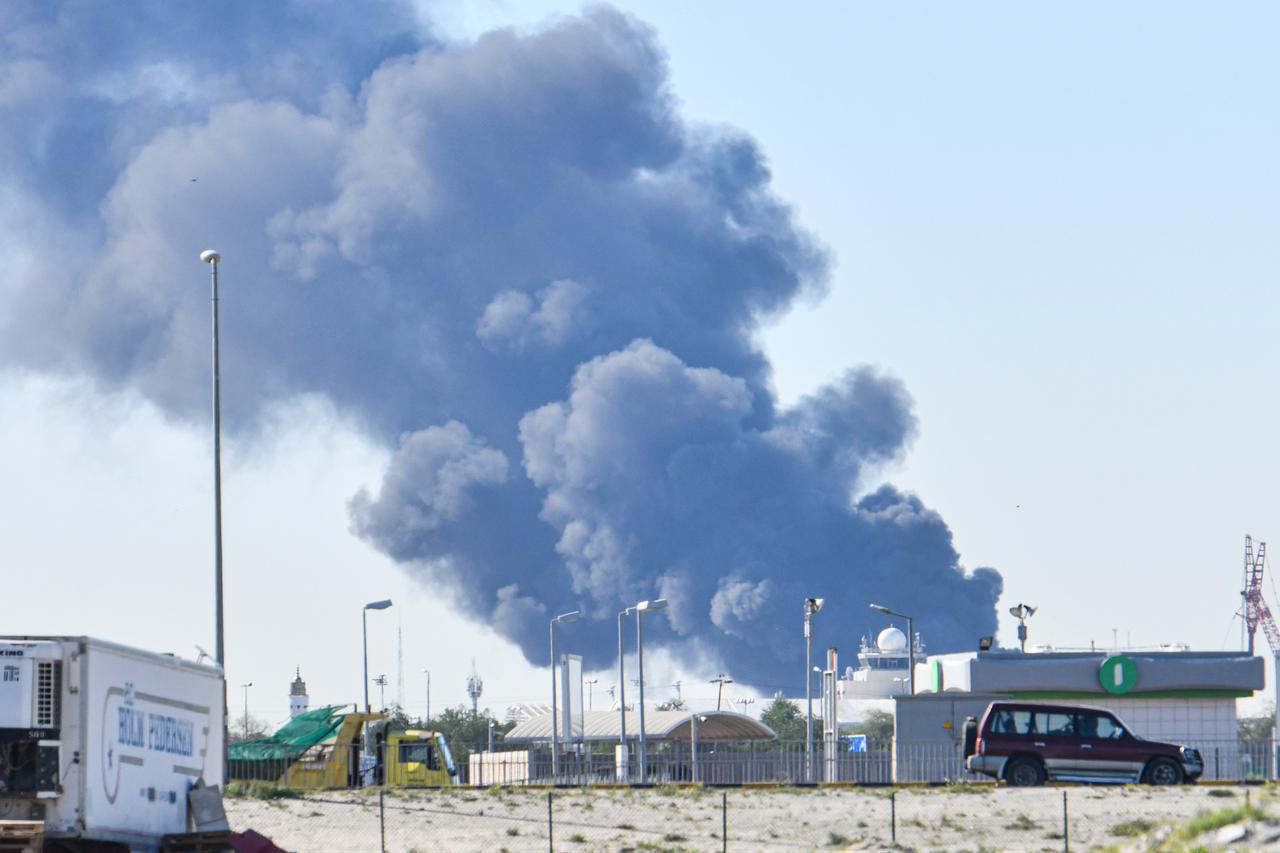
The strike follows a drone attack on fuel tanks at Kuwait International Airport on Wednesday that triggered a massive fire. Kuwait's civil aviation authority called that attack "brazen" and attributed it to "Iran and the armed factions it supports."
Kuwait has intercepted 312 ballistic missiles, five cruise missiles and 651 drones since Iran's retaliatory campaign began on Feb. 28, according to data compiled from Kuwait's government information center and military.
Iran has said it is targeting U.S. forces and assets stationed in Gulf countries, not the countries themselves. Foreign Minister Abbas Araghchi said in an Al Jazeera interview on Wednesday that "perhaps sometimes collateral damage occurs, but our target is American targets."
The U.S. and Israel have maintained an air offensive on Iran since Feb. 28, killing more than 1,340 people. Iran has retaliated with drone and missile strikes targeting Israel, Jordan, Iraq and Gulf countries hosting U.S. military assets.
The conflict has disrupted shipping through the Strait of Hormuz and driven up global oil prices.


 Set as preferred source
 Set as preferred source


 1 min read
 1 min read