Newsletters


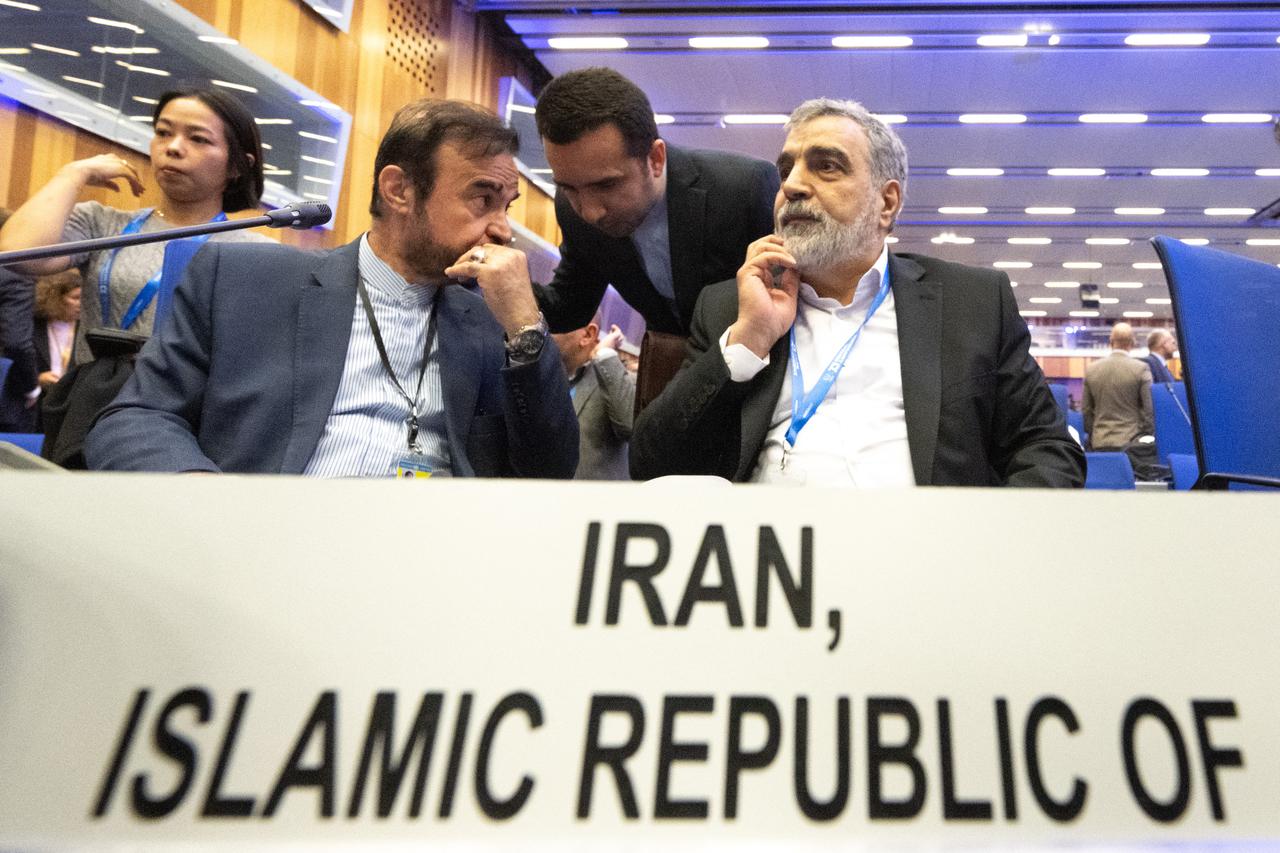


Iranian lawmakers have submitted a bill with triple urgency to parliament's Presiding Board seeking the country's withdrawal from the Nuclear Non-Proliferation Treaty (NPT), state broadcaster Press TV reported.
Addressing an open parliamentary session Sunday, lawmaker Hossein-Ali Haji Deligani said the bill had already been submitted to the Presiding Board and is ready to be presented to an open session, requiring approval from parliament Speaker Mohammad Bagher Ghalibaf to proceed to debate.
The NPT, in force since 1970, has been signed by nearly all countries except Israel, India and Pakistan, and aims to prevent the spread of nuclear weapons while promoting peaceful nuclear energy use and eventual disarmament.
As a non-nuclear-weapon state party to the treaty, Iran is subject to IAEA safeguards on its nuclear activities.
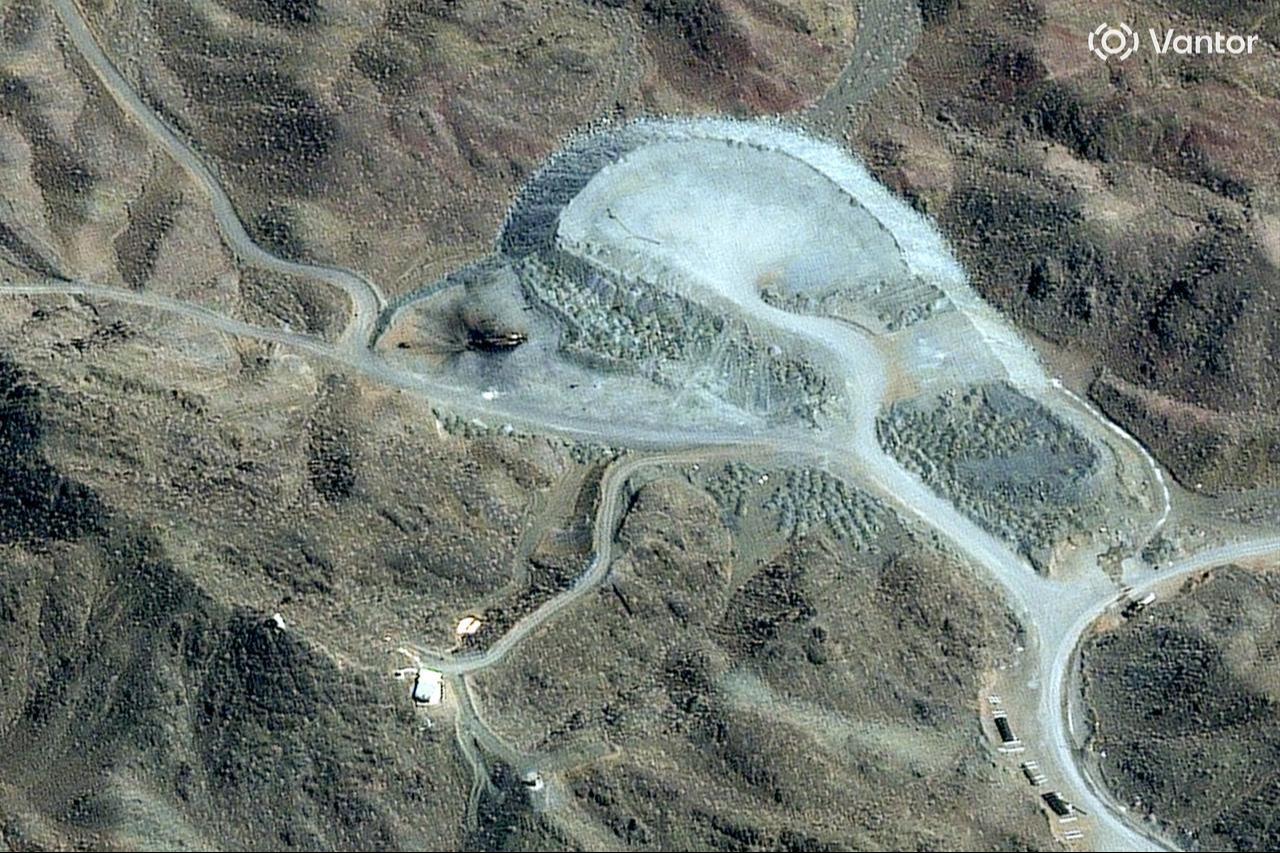
Before the June 2025 strikes on Iran's nuclear facilities, the IAEA calculated that Iran possessed roughly 440 kilograms of uranium enriched to 60%, near weapons-grade and far above the 3.67% cap set under the now-defunct 2015 nuclear deal.
The fate of that stockpile has remained uncertain since the strikes.
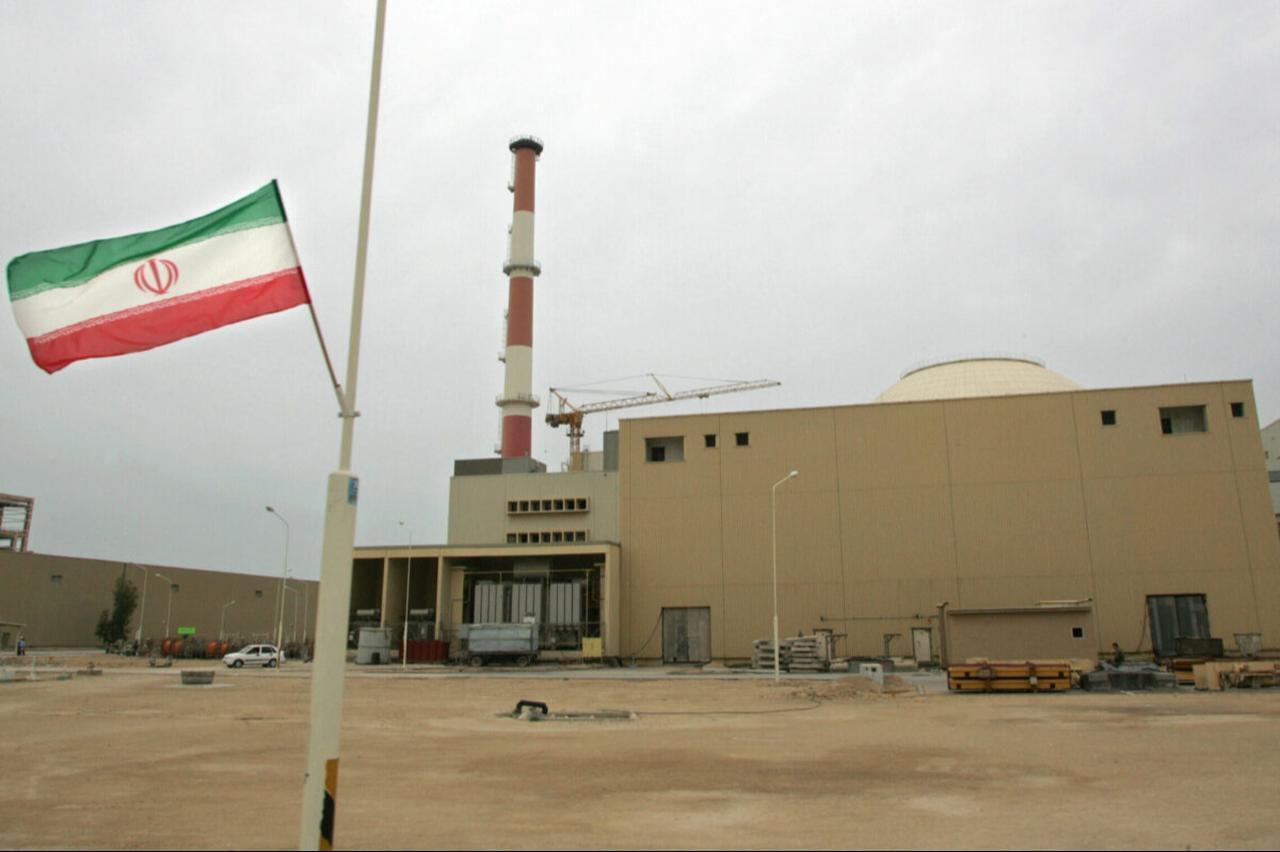

"Given the circumstances facing the country and the aggression that the enemy has launched against us on two occasions, remaining in the NPT brings us nothing but losses," Haji Deligani said.
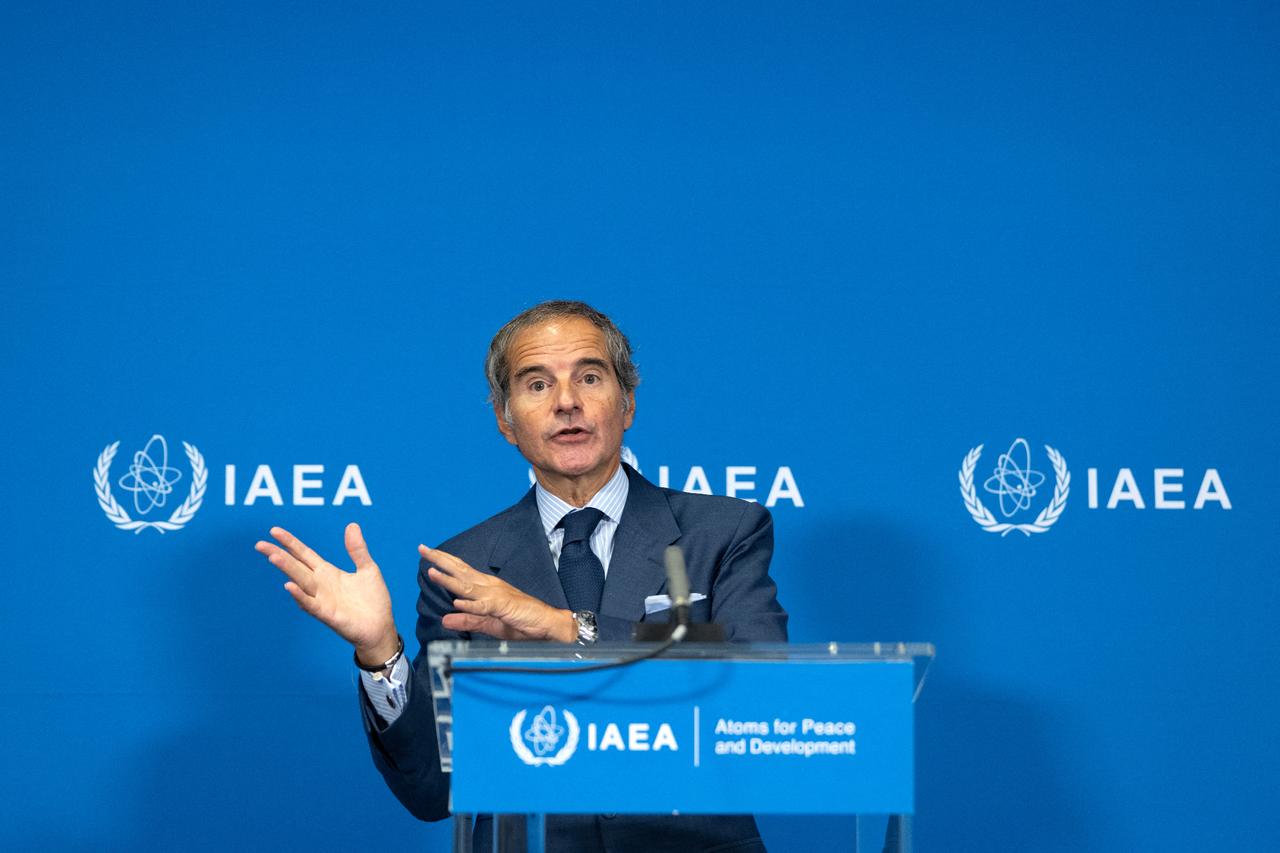
He pointed to the recent referral of Iran's case by the International Atomic Energy Agency's (IAEA) Board of Governors to the U.N. Security Council over alleged non-compliance with the agency's inspection regime, stressing the need for Tehran to avoid incurring further costs.
"It seems that we may need to withdraw from the NPT so that we can manage our own affairs ourselves," he said.
The remarks came after the U.S. and allied European countries pushed through a resolution by the 35-member IAEA Board of Governors referring Iran's case to the UN Security Council.
Russia and China have opposed action against Iran over the IAEA's claims, arguing that U.S.-Israeli aggression against the country has made it impossible for the IAEA to continue its routine inspections of Iran's nuclear sites.
Mohsen Rezaei, secretary of Iran's Supreme National Security Council, told Al Jazeera Saturday that Iran's nuclear doctrine, under which Tehran maintains it is not pursuing nuclear weapons, has not changed, but confirmed the country is considering withdrawal from the NPT.
"This depends on America's conduct," he said, warning that withdrawal remains possible in response to military and political threats from the U.S. and Israel.
Iran, as an NPT signatory, is prohibited from producing nuclear weapons and has repeatedly said it is not manufacturing them.
The push comes against the backdrop of a broader crisis in the global nonproliferation framework.
Talks at the United Nations aimed at reaffirming nuclear nonproliferation and disarmament goals failed in May, marking the third consecutive failed NPT review conference, following unsuccessful reviews in 2015 and 2022.
Conference president Do Hung Viet of Vietnam said at the time that "despite our best efforts... it is my understanding that the conference is not in a position to achieve agreement on its substantive work," declining to put the negotiated text forward for adoption.
Analysts said the failure reflected a text increasingly disconnected from current proliferation risks.
"The text keeps on becoming less and less anchored in the realities of current conflicts and proliferation risks," including North Korea and Iran, Richard Gowan of the International Crisis Group said before the May talks concluded.
The final draft merely stated that Iran must "never" develop nuclear weapons, with the paragraph left in brackets, signaling unresolved disagreement, after an earlier reference to Iran's "non-compliance" with its obligations was removed.
Also dropped from the text were expressions of concern about North Korea's nuclear program and any mention of Korean Peninsula "denuclearization," as well as a direct call for the U.S. and Russia to negotiate a successor to the New START treaty, which expired in February.
Seth Shelden of the International Campaign to Abolish Nuclear Weapons said most countries continue negotiating in good faith.
"But the small handful of nuclear-armed states, and certain of their allies, are undermining the NPT, frustrating disarmament efforts, expanding arsenals and provoking proliferation, and pointing the world toward catastrophe," he said.
According to the Stockholm International Peace Research Institute, the nine nuclear-armed states, Russia, the U.S., France, the U.K., China, India, Pakistan, Israel and North Korea, possessed 12,241 nuclear warheads as of January 2025, with 90% held by the U.S. and Russia.


 Set as preferred source
 Set as preferred source


 1 min read

 1 min read