Newsletters


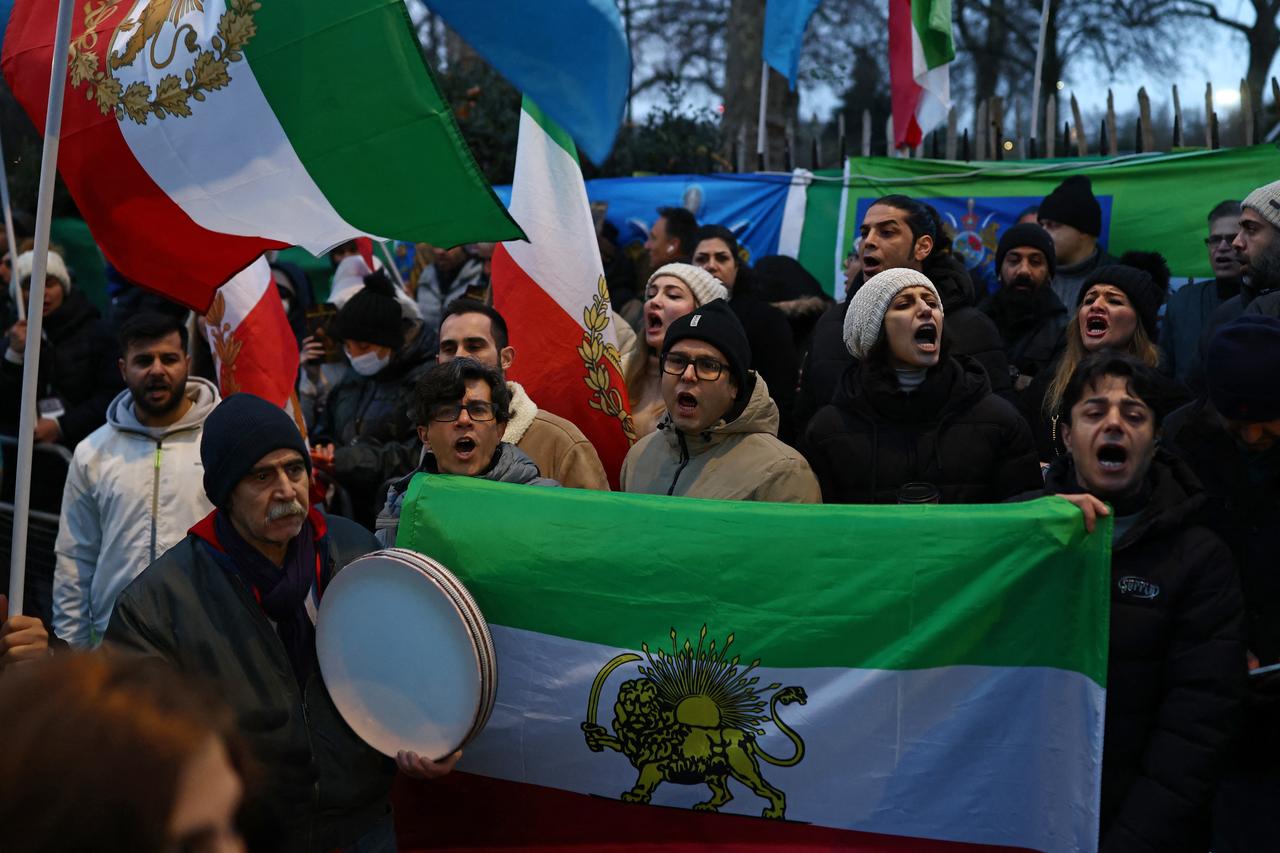
Iranian medical professionals reported hundreds of deaths as widespread protests continued across multiple cities on their 14th consecutive day, while U.S. officials discussed potential military options against Iran amid escalating violence.
A Tehran doctor told Time magazine on condition of anonymity that six hospitals in the capital recorded "at least 217 protester deaths, most by live ammunition."
The BBC's Persian service reported that a hospital worker in Tehran said "around 38 people" had died, many with "direct shots to the heads of the young people, to their hearts as well."
A doctor in the northeastern city of Neyshabur reported more casualties from the government crackdown. The physician told CNN that authorities killed "at least 30 people" there Friday, using "military rifles."
"Among them were children. A 5-year-old child was shot while in his mother's arms," the female doctor told CNN.
The doctor claimed that authorities attacked bystanders and pedestrians as well, not just protesters.
"The attacks injured many people, and authorities also fired on bystanders and pedestrians," she stated.
Hospital conditions have deteriorated significantly due to the overwhelming casualty load. The doctor reported that hospitals are overwhelmed and patients were "terrified" to be admitted or identified, prompting efforts to treat people privately in clinics.
"Hospitals are overwhelmed and patients are terrified to be admitted or identified, prompting efforts to treat people privately in clinics," the doctor said.
It was not immediately possible to independently verify the casualty figures cited by the medical professionals.
The non-governmental organization HRANA reported substantially lower figures than the medical professionals. According to HRANA, 116 people had been killed in the protests, with more than 2,600 detained.
HRANA reported that among the 116 dead, 37 were security personnel and 4 were healthcare workers. A prosecutor was also reported killed during the unrest.
The organization stated that over 2,600 people had been wounded in the clashes, and 2,638 people had been arrested so far.
No official Iranian government estimates on casualties have been released.
Iran has been roiled by protests since Dec. 28 at Tehran's Grand Bazaar, triggered by the sharp depreciation of the Iranian rial and worsening economic conditions. Demonstrations subsequently spread to several cities across the country.
The semi-official Tasnim News Agency reported on January 7 that the number of police injured had risen to 568, with 66 members of Basij, the volunteer militia forces, also wounded. The agency did not provide information on total casualties.
On Jan. 8, violence escalated in Tehran with multiple incidents of property destruction.
According to reports, demonstrators engaged in arson and destruction of numerous public and private facilities, including 24 buses, 24 ambulances, 24 houses, 25 mosques, two hospitals, and 26 banks.
Following the escalation, the Iranian government blocked internet access nationwide.
 1 min read
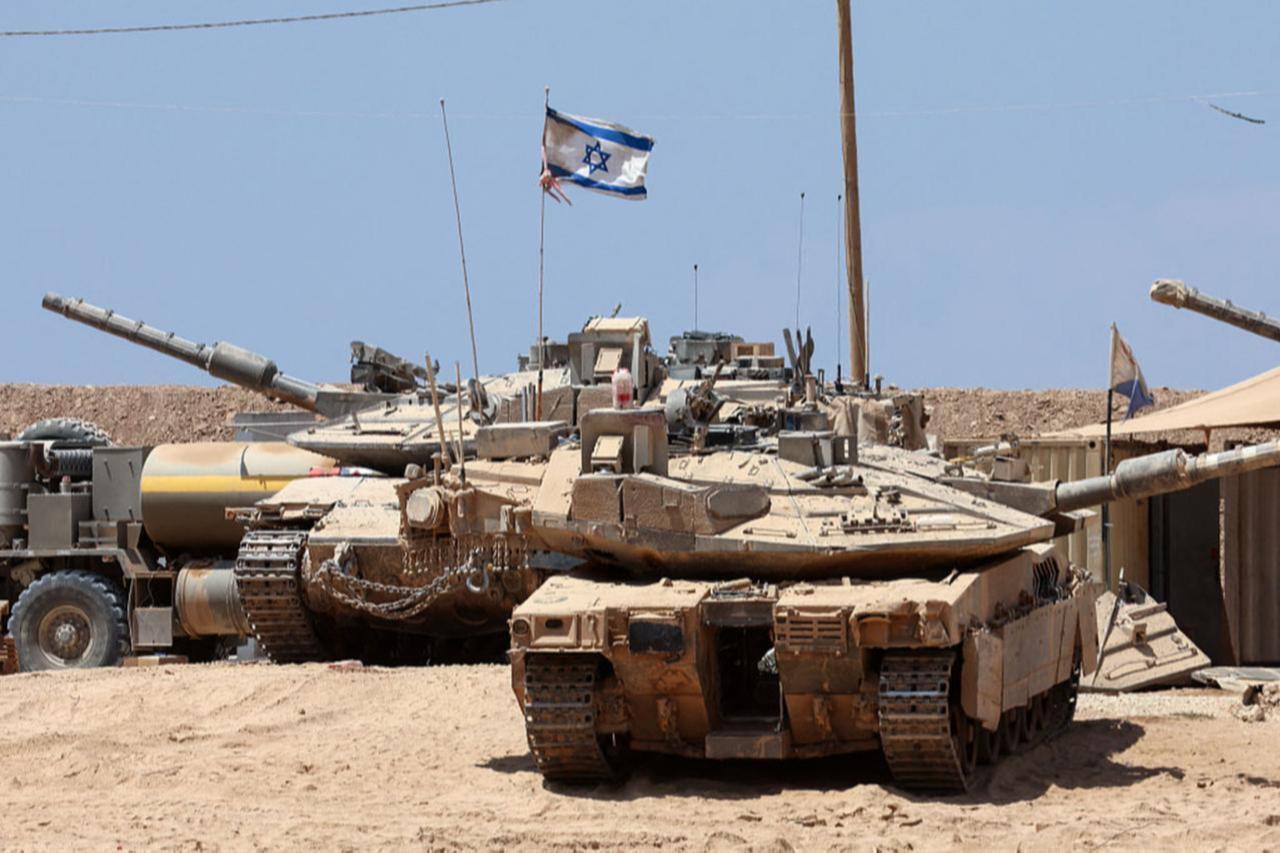
Iran has accused the United States and Israel of fomenting the unrest. Iranian officials warned that security forces and the judiciary "will show no tolerance whatsoever toward saboteurs."
"Security forces and the judiciary will show no tolerance whatsoever toward saboteurs," Iranian officials stated.
The government's response to the demonstrations has included both military action and information control measures, with internet access blocked nationwide following the escalation of violence in Tehran.


 Set as preferred source
 Set as preferred source


 1 min read