Newsletters


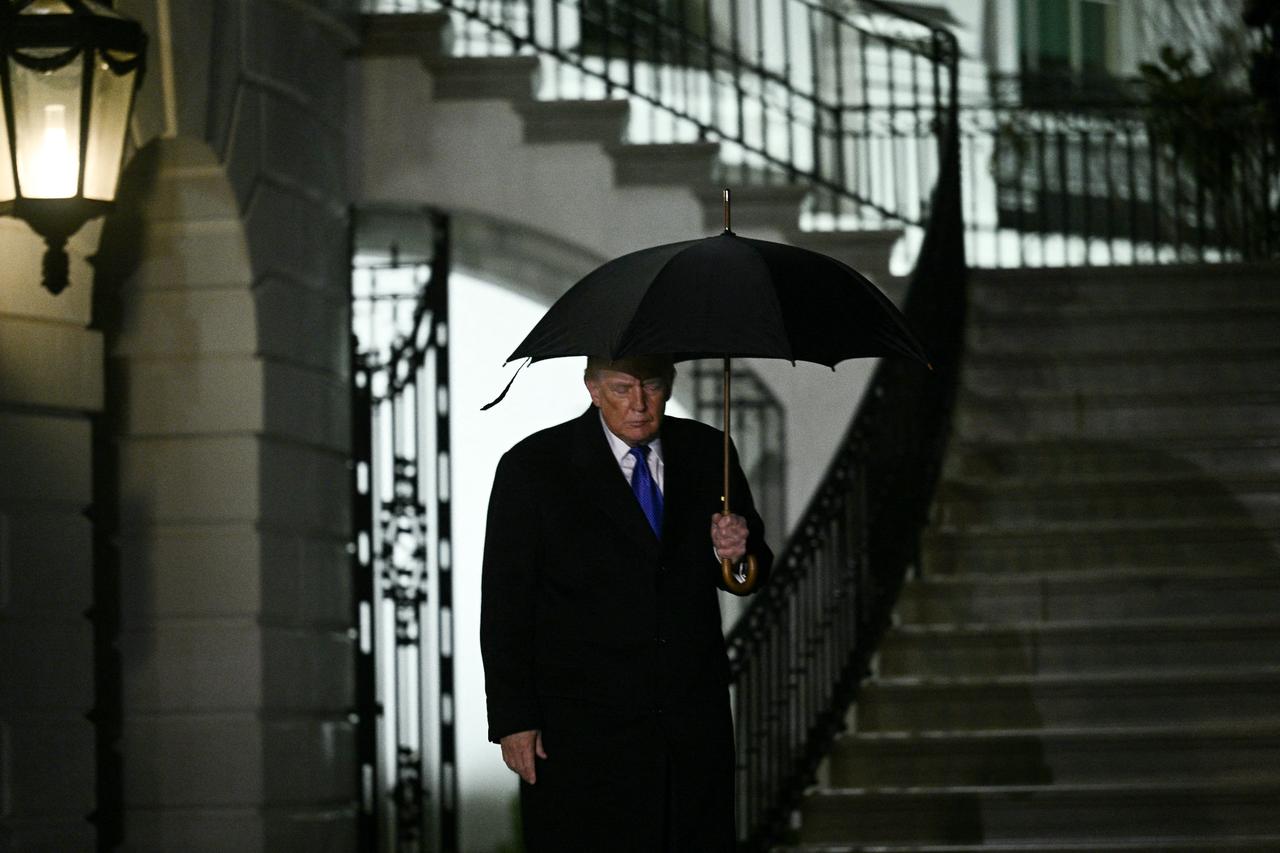


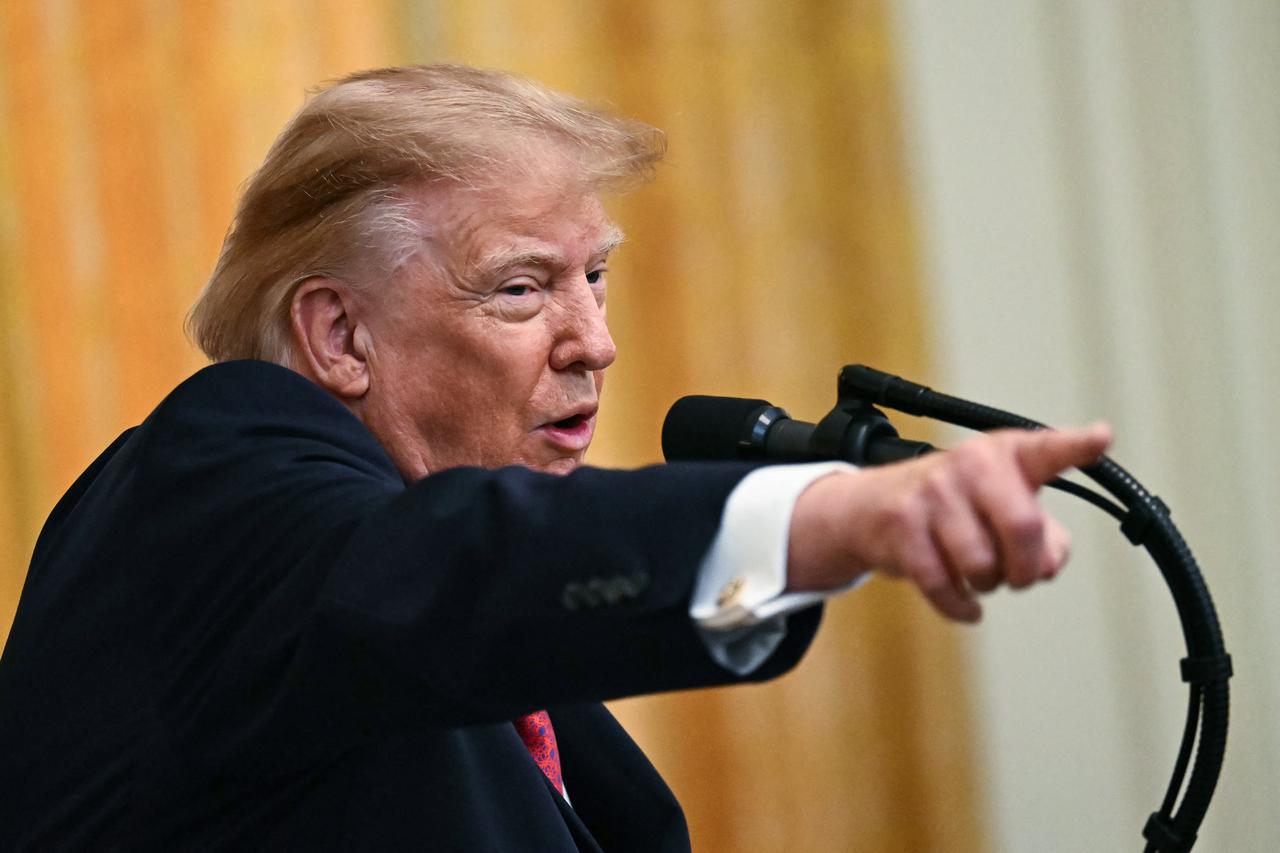
United States President Donald Trump said Saturday that America stands "ready to help" Iranian protesters facing an escalating crackdown by authorities, as demonstrations entered their third week in what observers are calling one of the most significant challenges to Iran's theocratic government since the 1979 Islamic revolution.
"Iran is looking at FREEDOM, perhaps like never before. The USA stands ready to help!!!" Trump wrote on Truth Social, without providing specifics on what form American assistance might take.
The statement came one day after Trump declared Iran was in "big trouble" and declined to rule out potential military strikes against the Islamic republic. His administration previously supported Israel during a 12-day conflict with Iran in June.
US Senator Lindsey Graham voiced support for the Iranian protesters on social media, addressing them directly with a message of encouragement.
"TO THE IRANIAN PEOPLE: your long nightmare is soon coming to a close. Your bravery and determination to end your oppression has been noticed by @POTUS and all who love freedom," Graham wrote.
The South Carolina senator interpreted Trump's "Make Iran Great Again" rhetoric as a signal that protesters must prevail over the country's supreme leader. "That is the clearest signal yet that he, President Trump understands Iran will never be great with the ayatollah and his henchmen in charge," Graham stated.
He concluded his message with: "To all who are sacrificing in Iran, God bless. Help is on the way."
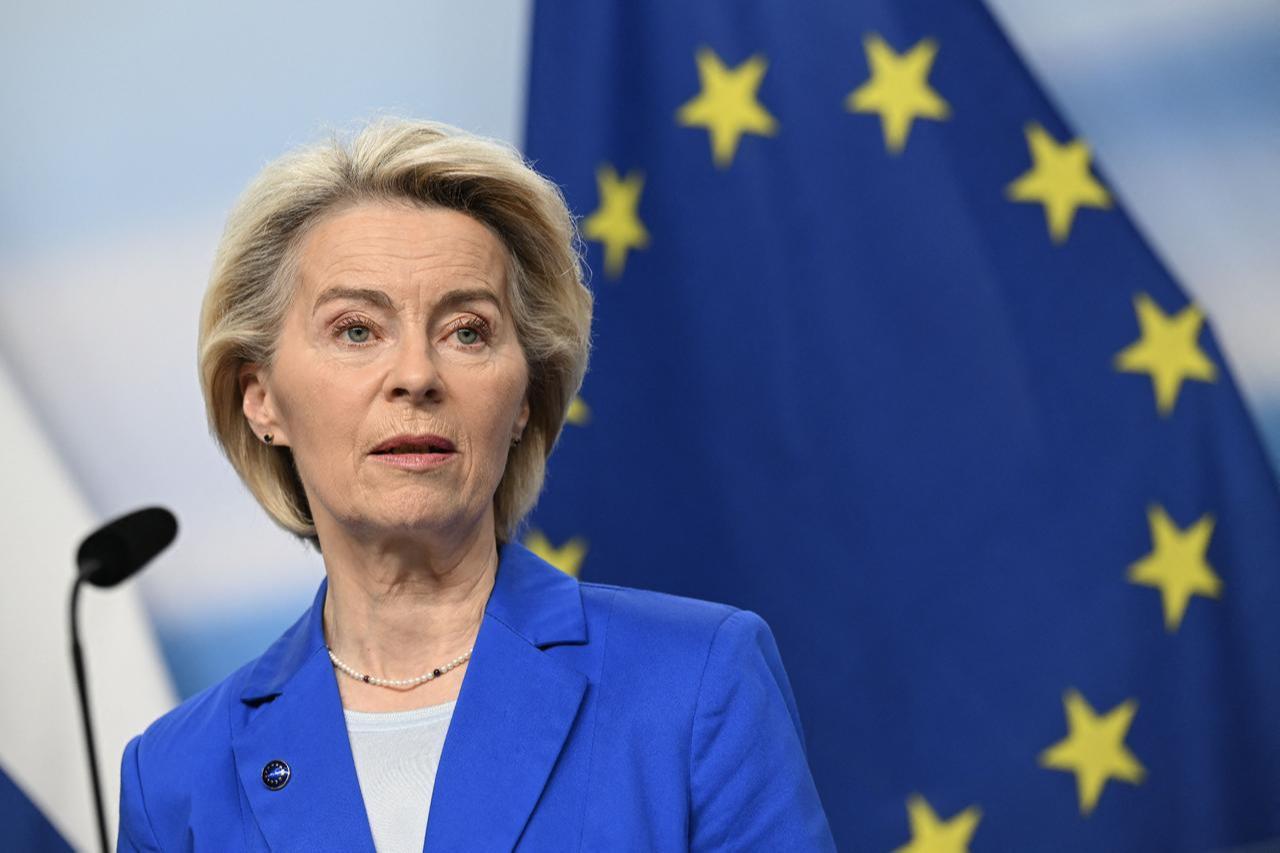

European Commission President Ursula von der Leyen joined Trump in backing the protesters Saturday, condemning what she described as "violent repression" of demonstrators.
"Tehran's streets, and cities around the world, echo with the footsteps of Iranian women and men demanding freedom," von der Leyen wrote online. "We unequivocally condemn the violent repression of these legitimate demonstrations. Those responsible will be remembered on the wrong side of history."
Rights organizations expressed alarm that Iranian authorities were intensifying their response under cover of a nationwide internet blackout now in its third day. Internet monitor Netblocks reported Saturday evening that "Iran has now been offline for 48 hours," severely limiting the flow of information from inside the country.
Amnesty International said it was examining "distressing reports that security forces have intensified their unlawful use of lethal force against protesters" since Thursday, leading to additional deaths and injuries.
Norway-based Iran Human Rights group reported at least 51 people killed in the crackdown, cautioning the actual number could be higher. The organization released images purportedly showing bodies of people shot during protests on the floor of Alghadir hospital in eastern Tehran.
"These images provide further evidence of the excessive and lethal use of force against protesters," the group stated.
The Norway-based Hengaw rights organization confirmed five Kurdish men were shot dead by security forces in the western city of Kermanshah on Thursday, with another man—a former bodybuilding champion—killed in the northern city of Rasht on Friday.
Despite the communications blackout, large-scale protests took place late Friday across multiple Iranian cities, according to images verified by AFP and videos circulating on social media.
In Tehran's Saadatabad district, residents banged pots and chanted anti-government slogans including "death to Khamenei" as drivers honked in support, verified footage showed. Similar demonstrations erupted in the eastern city of Mashhad, Tabriz in the north, and the holy city of Qom.
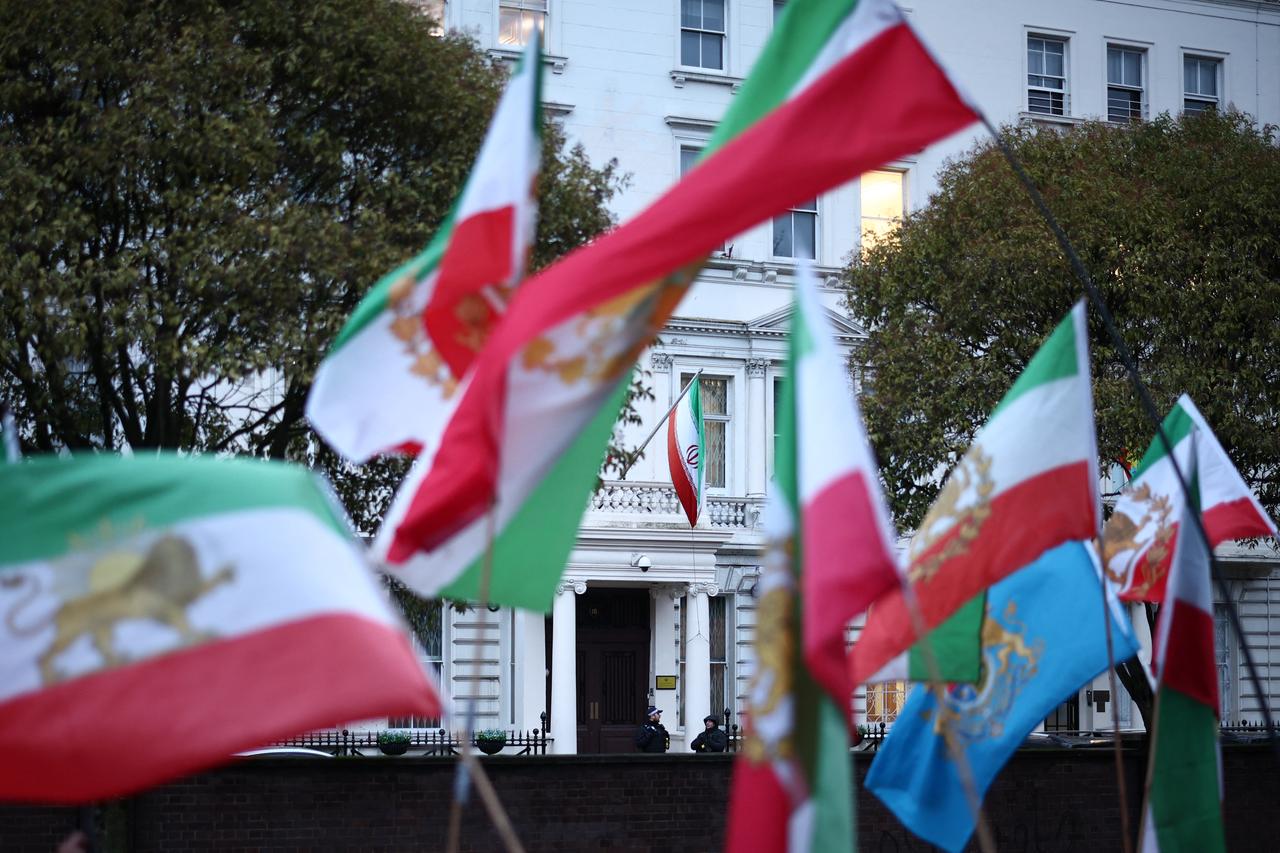
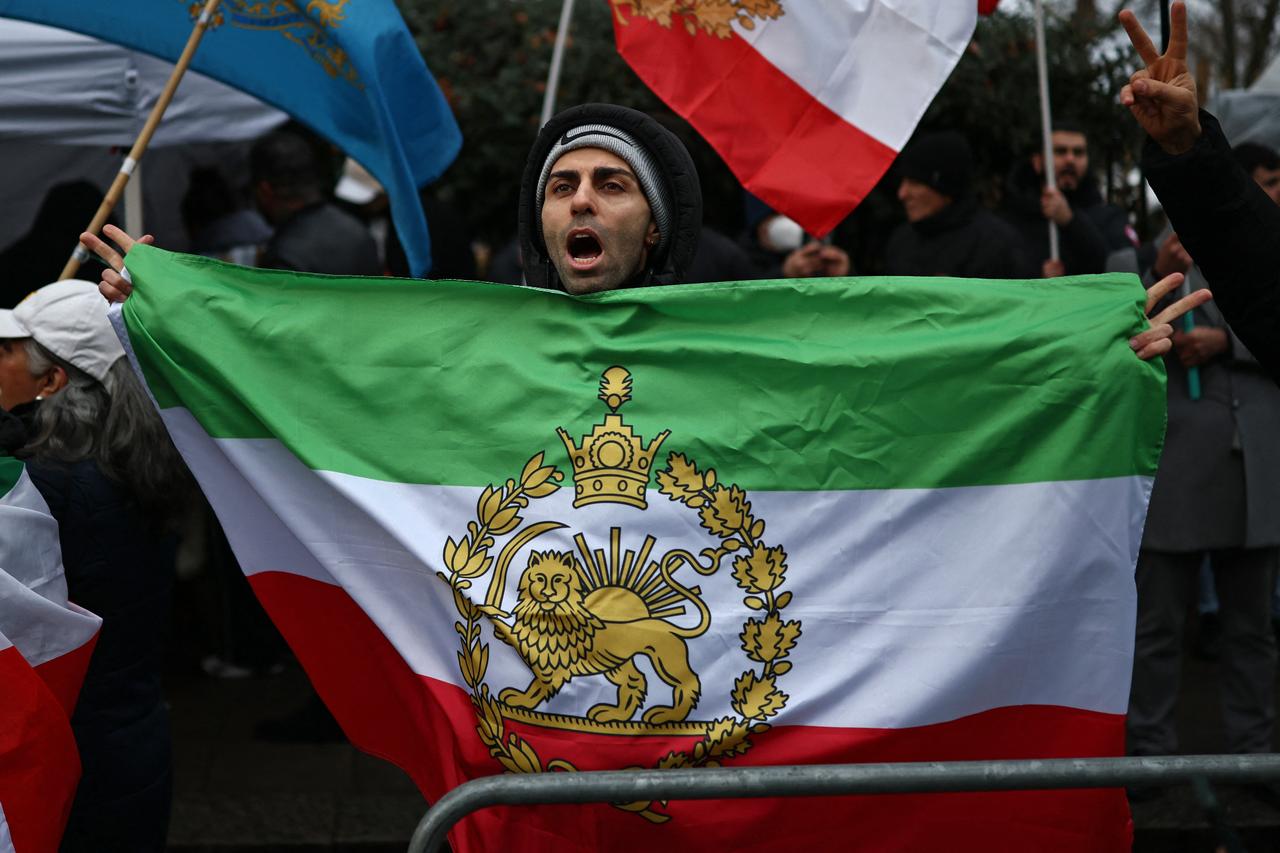
In the western city of Hamedan, protesters waved a shah-era Iranian flag featuring a lion and sun amid fires and dancing crowds. The same pre-revolution flag briefly replaced Iran's current flag over the country's London embassy when demonstrators reached the building's balcony, witnesses reported.
Reza Pahlavi, the US-based son of Iran's last shah, called the Friday turnout "magnificent" and urged Iranians to stage more targeted protests through the weekend. "Our goal is no longer just to take to the streets. The goal is to prepare to seize and hold city centres," Pahlavi said in a video message, adding he was "preparing to return to my homeland" at a time he believed was "very near."
Mohammad Reza Pahlavi, Reza's father, was overthrown in the 1979 revolution and died in exile in 1980.
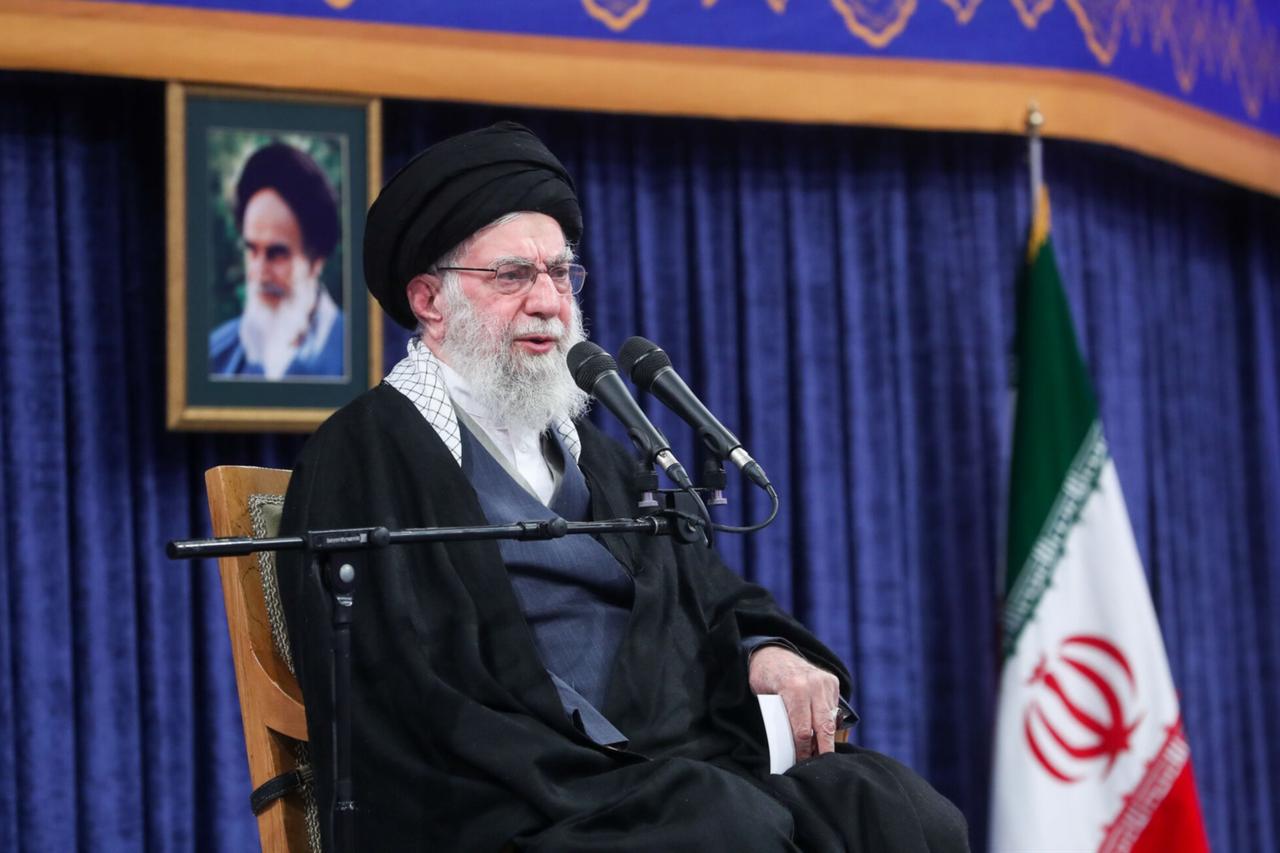
Supreme Leader Ali Khamenei struck a defiant tone Friday, lashing out at "vandals" and accusing the United States of fueling the unrest. The demonstrations represent one of the most serious challenges to the theocratic system established after the 1979 Islamic revolution.
Iran's army pledged in a statement to "vigorously protect and safeguard national interests" against an "enemy seeking to disrupt order and peace." National security council chief Ali Larijani declared late Friday that "we are in the middle of a war," claiming "these incidents being directed from outside."
State television Saturday broadcast funerals for several security force members killed during the protests, including a large gathering in the southern city of Shiraz. The network also aired images of buildings, including a mosque, on fire.
Authorities say multiple members of security forces have been killed in the unrest.


 Set as preferred source
 Set as preferred source


 3 min read
 1 min read