Newsletters


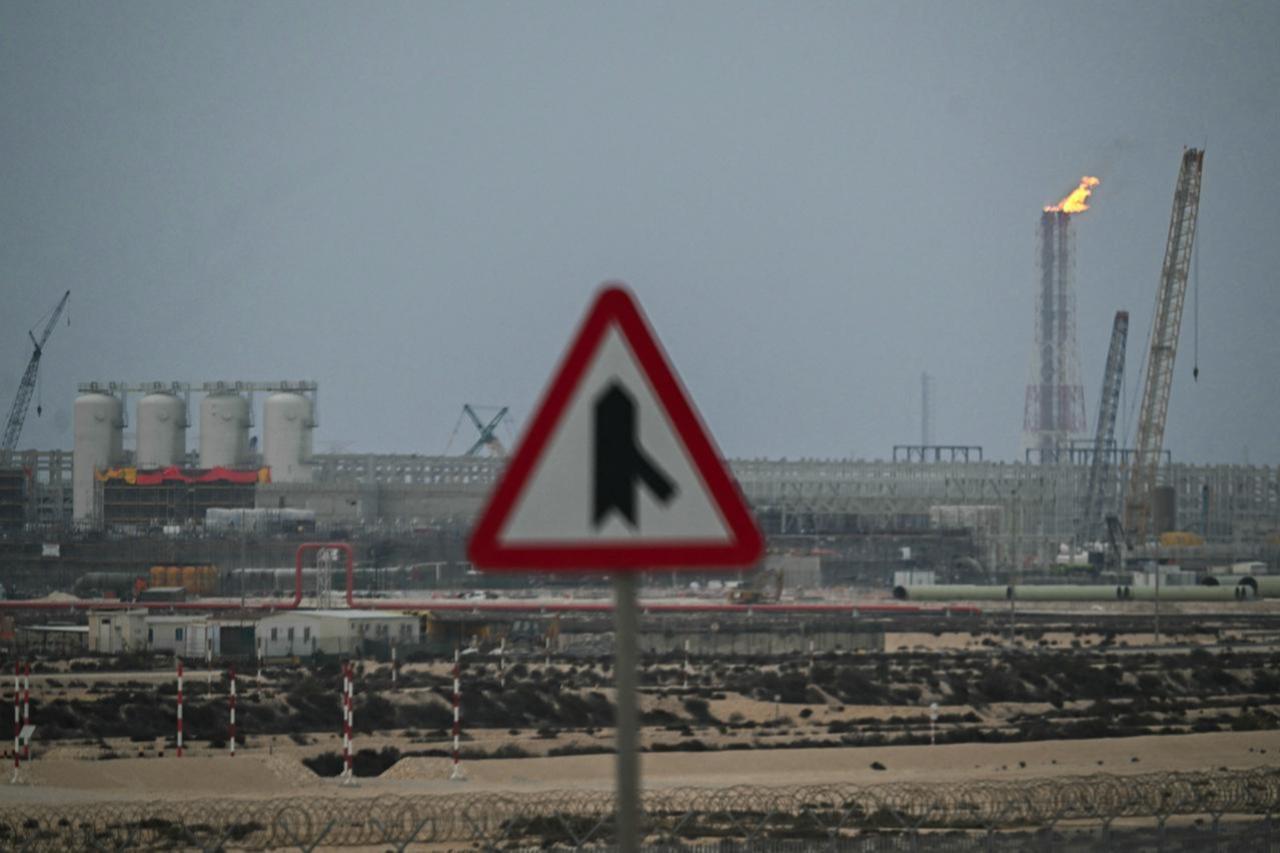


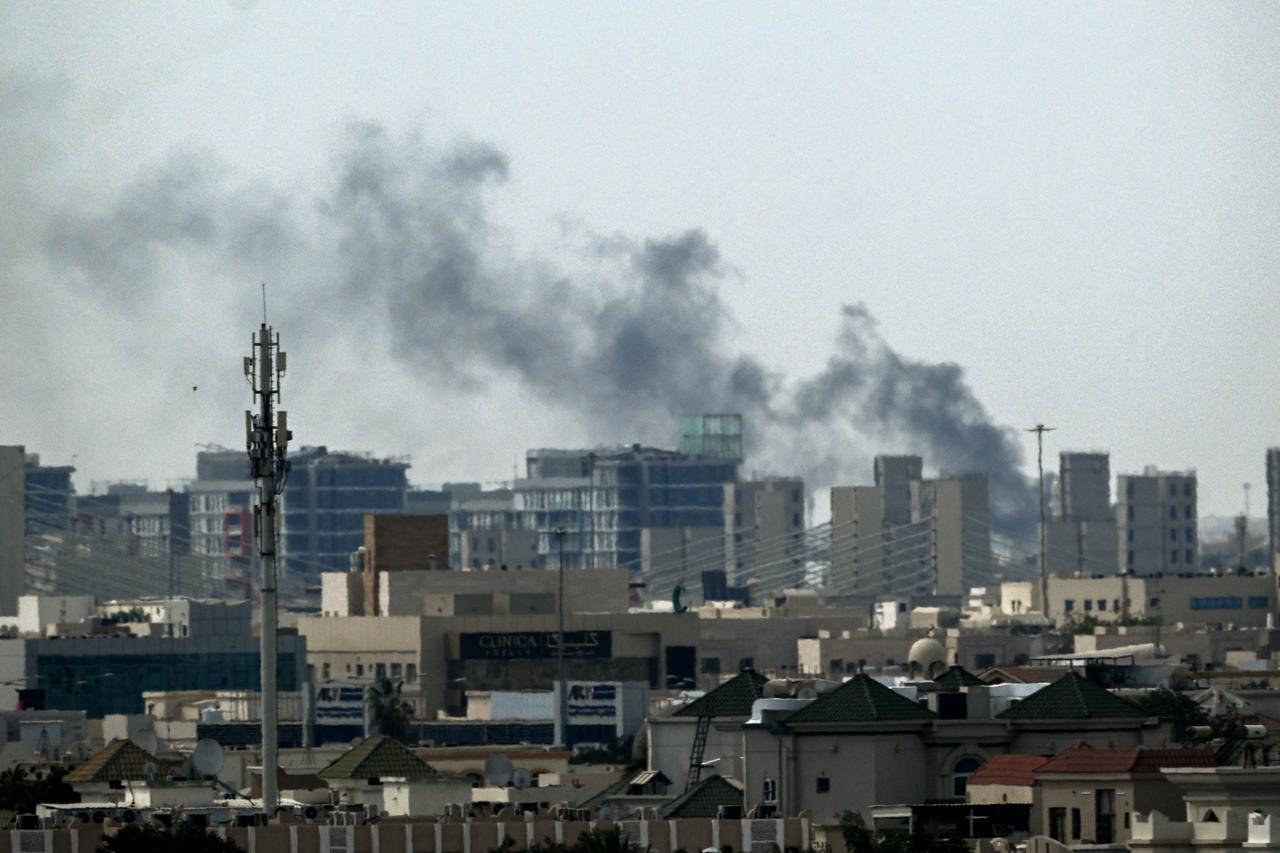
Iran struck Qatar's Ras Laffan Industrial City with a ballistic missile on Wednesday evening, sparking a massive fire at the world's most important liquefied natural gas facility and drawing a furious response from Doha, which called the attack a direct threat to national security and regional stability.
Qatar's Defence Ministry said the country was targeted by five ballistic missiles from Iran, four of which were intercepted by air defences. The fifth struck Ras Laffan Industrial City, the sprawling energy complex that handles roughly a fifth of global LNG supply. QatarEnergy confirmed that emergency teams had been deployed to contain the blaze, reporting extensive damage but no fatalities.
Qatar's Foreign Ministry condemned Iran's "brutal targeting" of the industrial site, in the sharpest language Doha has used since the conflict began nearly three weeks ago.
The strike marks a significant escalation in Iran's retaliatory campaign against Gulf energy infrastructure and came hours after Israel attacked Iran's South Pars gas field, the world's largest natural gas reserve, which Iran shares with Qatar.
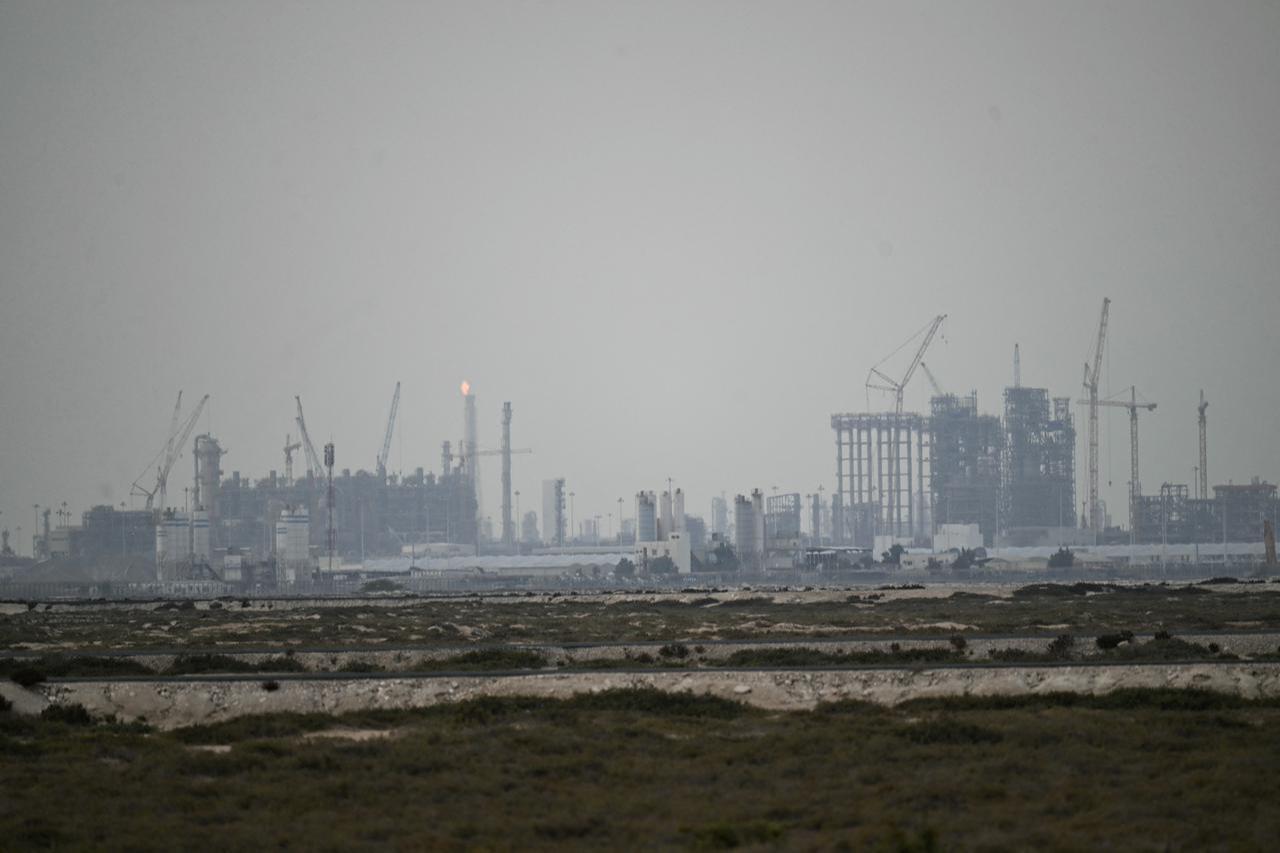

The missile attack on Wednesday evening represented a direct assault on the heart of Qatar's economy. Four of the five incoming ballistic missiles were brought down by Qatari air defences, but the single missile that penetrated struck the industrial city and ignited a major fire.
QatarEnergy said response operations were ongoing and that the damage was extensive, though no deaths had been reported.
The strike came as Iran issued broader threats against energy facilities across the Gulf. The semi-official Tasnim news agency, affiliated with the Islamic Revolutionary Guard Corps, listed five installations across three countries as targets, including Saudi Arabia's Samref Refinery and Jubail Petrochemical Complex, the UAE's Al Hosn Gas Field, and Qatar's Mesaieed Petrochemical Complex and Ras Laffan Refinery.
The agency described them as "direct and legitimate targets" and ordered all civilians and workers to evacuate immediately.
IRGC Navy chief Alireza Tangsiri warned that oil facilities linked to the United States were now equivalent to American military bases and would be struck with full force.
Major energy companies across the Gulf responded by urgently evacuating non-essential staff and their families, including Japan's top LNG buyer Jera, Saudi Aramco, ExxonMobil, and ADNOC in the UAE. QatarEnergy had already begun scaling back operations and personnel at Ras Laffan before the missile struck.
Wednesday's ballistic missile strike was not the first time Ras Laffan has come under fire. On March 2, Qatar's Ministry of Defence confirmed that two Iranian drones struck the country, one targeting a water tank at a power plant in Mesaieed and another hitting an energy facility in Ras Laffan belonging to QatarEnergy, without causing human casualties. Following that attack, QatarEnergy suspended all LNG production and declared force majeure on its contracts with international buyers.
Ras Laffan Industrial City, located roughly 80 kilometres north of Doha, has production capacity of 77 million tonnes of LNG. It processes gas drawn from Qatar's North Field, which together with Iran's South Pars forms the world's largest natural gas reservoir, holding an estimated 1,800 trillion cubic feet of gas.
Foreign ministry spokesperson Majed al-Ansari has repeatedly outlined the breadth of Iran's campaign. "These attacks have targeted our LNG facilities in Ras Laffan, they have targeted the industrial complex in Mesaieed, they have targeted the airport, Hamad International Airport, and they have targeted residential areas," he said during a March 16 briefing. Qatar's air defences have intercepted over 90 percent of the incoming attacks since the war began, he added.


 Set as preferred source
 Set as preferred source


 1 min read
 1 min read