Newsletters


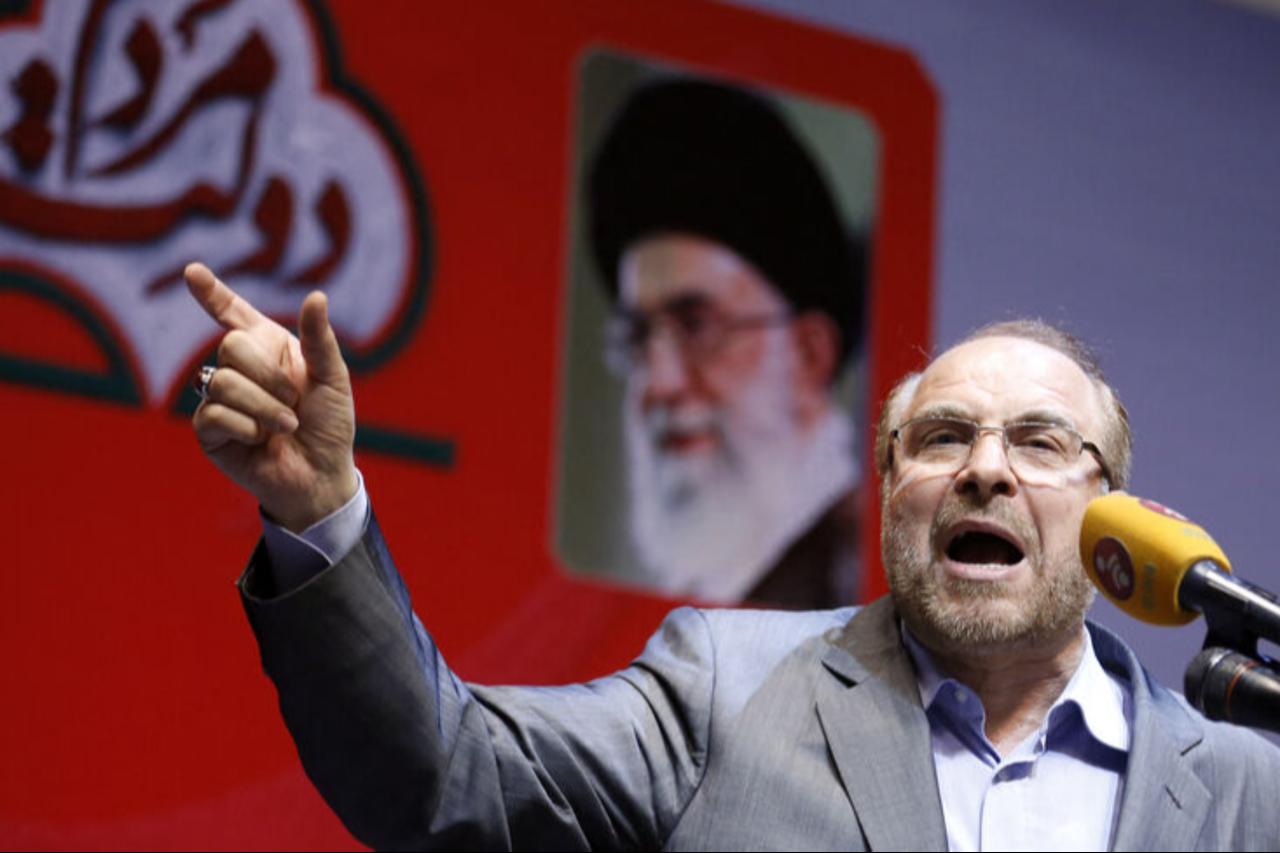


The Trump administration is quietly weighing Iran's Parliament Speaker Mohammad Bagher Ghalibaf as a potential partner and even a future leader of Iran, Politico reported, citing two administration officials.
Israeli media separately claimed that it believes the U.S. is likely holding indirect negotiations with Ghalibaf toward ending the war on Iran.
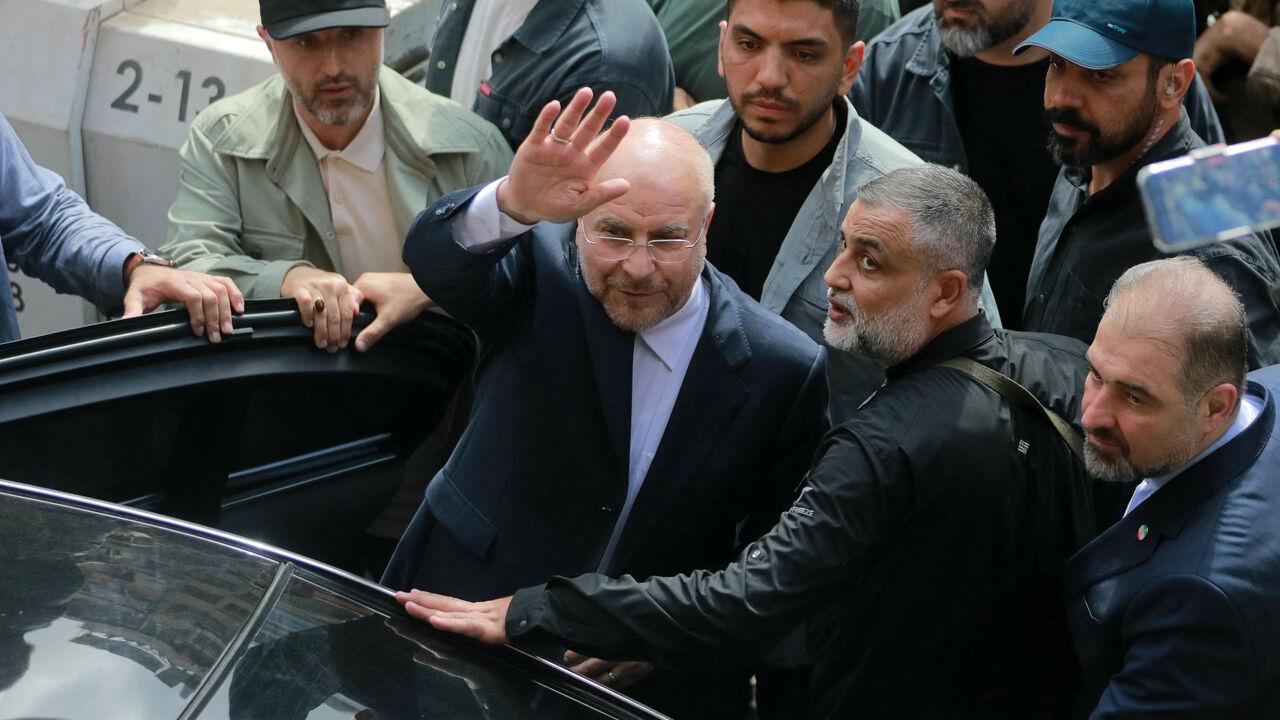

Two Trump administration officials told Politico that Ghalibaf, 64, is seen by at least some in the White House as a workable partner who could lead Iran and negotiate with the administration in the war's next phase.
However, no decisions have been made and the White House is stress-testing multiple candidates.
"He's a hot option. He's one of the highest ... But we got to test them, and we can't rush into it," one administration official said.
"We're in the testing phase of really trying to figure out who can rise, who wants to rise, who tries to rise. And then as people rise, we'll do a quick test, and if they're radical, we'll take them out," the official added.
White House press secretary Karoline Leavitt said, "These are sensitive diplomatic discussions and the United States will not negotiate through the news media."
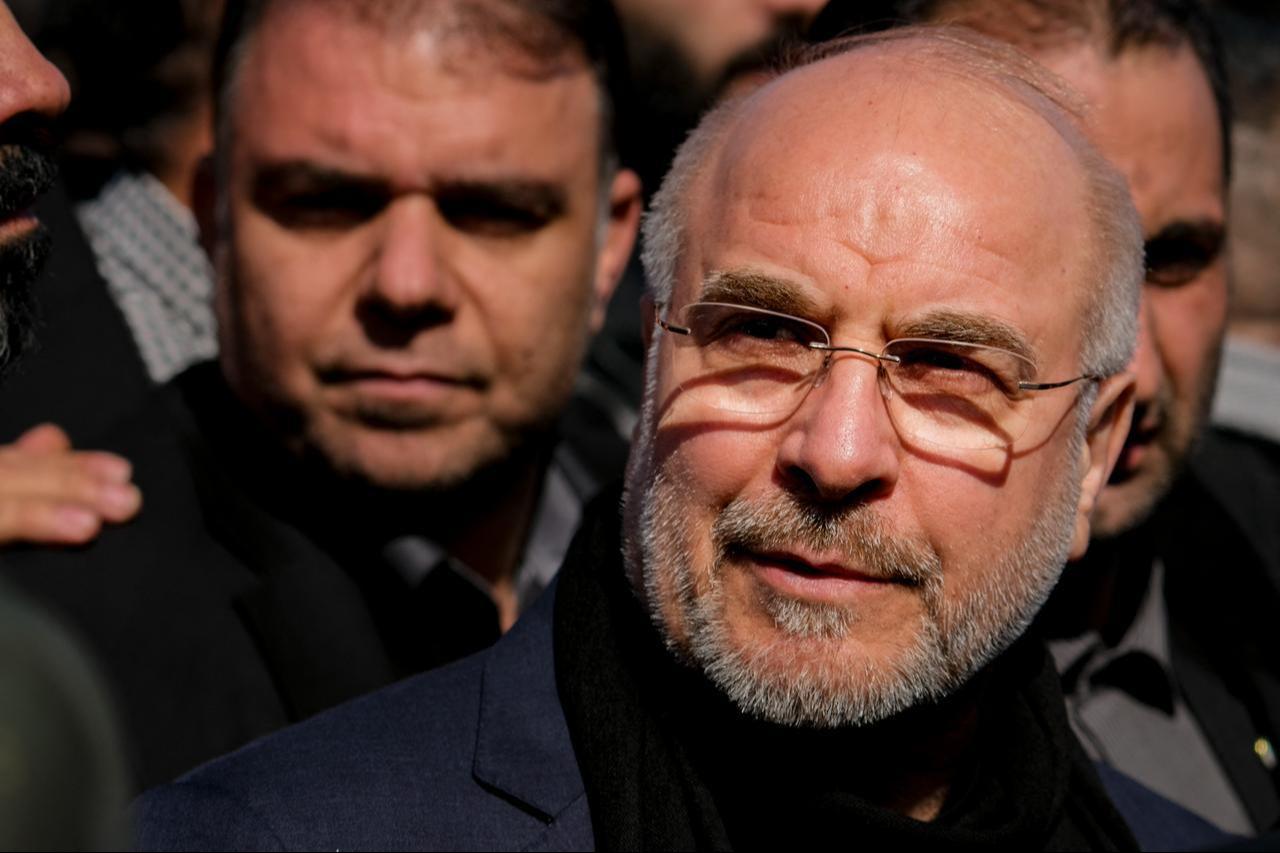
The administration's interest in Ghalibaf reflects a broader strategic framework modeled on Venezuela, where Delcy Rodriguez took over after Nicolas Maduro was captured and subsequently cooperated with Washington.
According to one official, Trump does not want to seize Kharg Island because he hopes the next Iranian leader will make a similar deal.
"It's all about installing someone like a Delcy Rodriguez in Venezuela that we say, 'We're going to keep you there. We're going to not take you out. You're going to work with us. You're going to give us a good deal, a first deal on the oil,'" the official said.
The same officials confirmed that exiled opposition figure Reza Pahlavi is not under consideration.
"Now do you put in Reza Pahlavi? God, no. He grew up outside. That is the last thing you want to install there. That'll mean chaos," the first official said.
Instead, the focus is on figures who already hold power inside the system, "looking for the equivalents of the Chavistas," the official said.
 1 min read
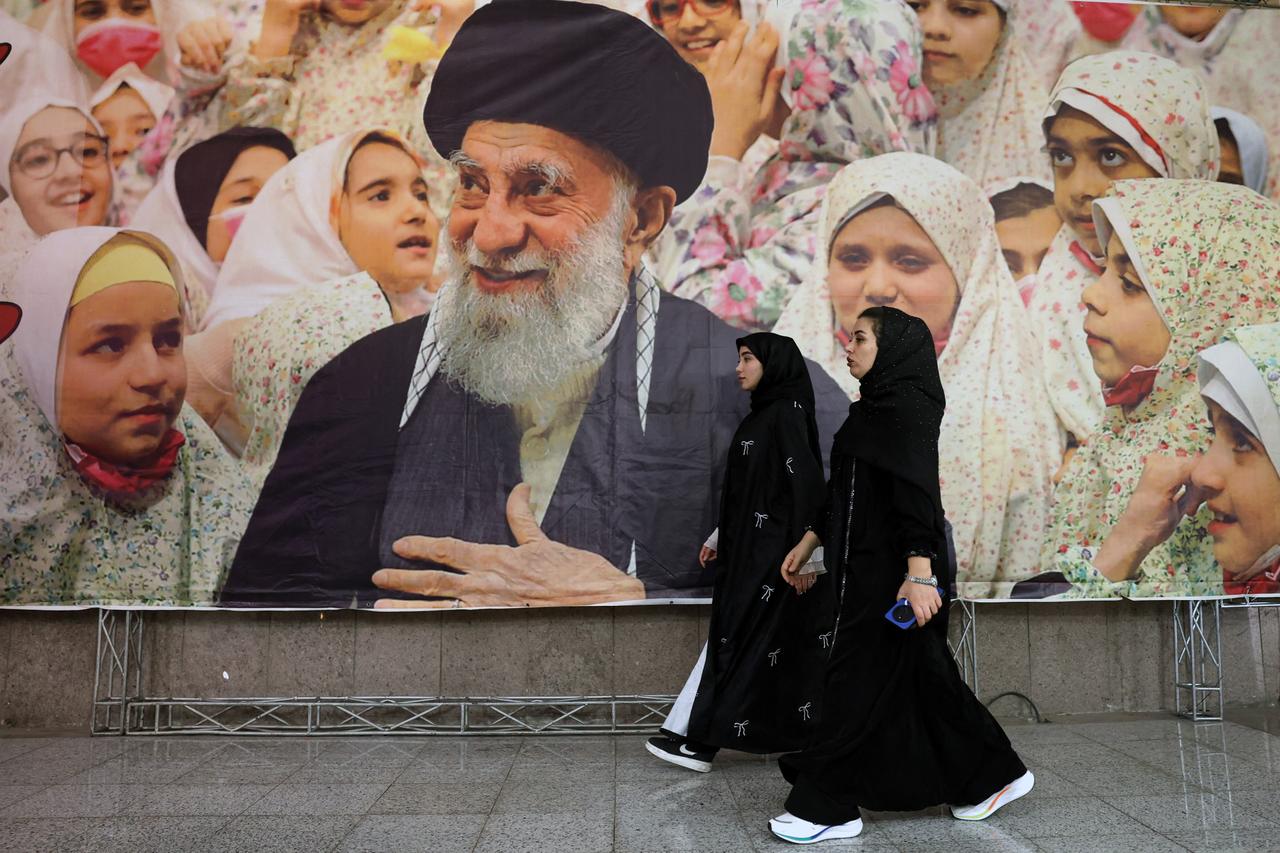
Not all in Trump's orbit share the optimism, with one person close to the U.S. president's national security team said: "It seems like posturing, like he's trying to speak something into existence. It's good if talks are happening through an intermediary and good that they're starting to think about a way out of this."
"Iran has proven they can take a hit and still make things difficult for us. They're not about to roll over and give Trump their oil," the person added.
A Gulf official who spoke to Politico suggested that Trump was overstating progress to create a pretext for walking back his 48-hour ultimatum.
"He's definitely buying time and trying to stabilize markets. What's harder to know is if he's serious about finding an off-ramp or if he's putting unrealistic demands out there so that Iran will say no," the official said.
Ghalibaf denied any negotiations with the U.S. on Monday. Administration officials dismissed his comments as "internal posturing."
A senior White House official stated that U.S. President Trump is interested in pursuing a peace deal this week because he is looking for "progress" in the Strait of Hormuz and a ceasefire.
"POTUS, like anyone, would rather have peace than war," the official added.
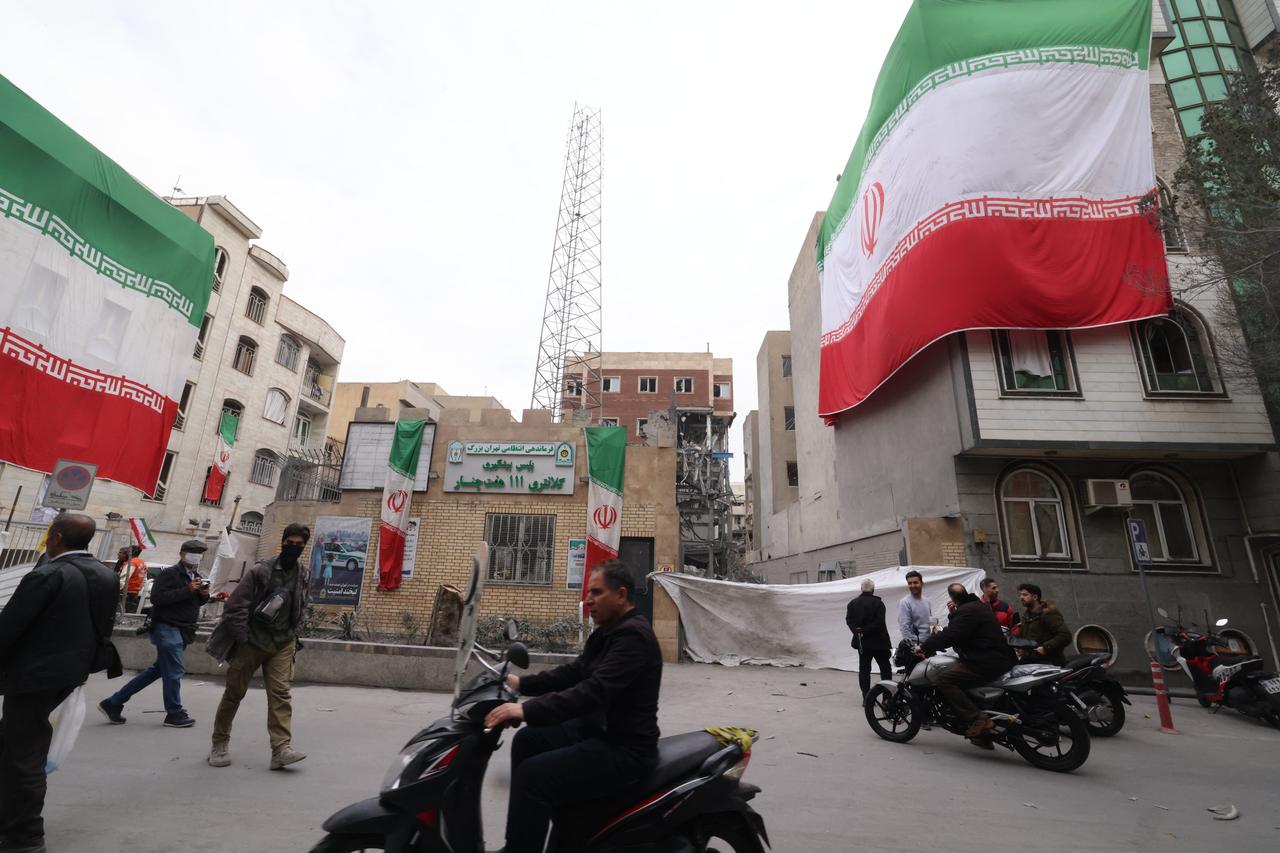
Born in 1961 in Torqabeh, near Mashhad in northeastern Iran, Ghalibaf holds a bachelor's degree in human geography from the University of Tehran, a master's degree in human geography from Islamic Azad University and a PhD in political geography from Tarbiat Modares University.
Ghalibaf joined the Basij paramilitary group after the 1979 revolution, serving in counterinsurgency operations against Kurdish armed groups in western Iran.
When the Iran-Iraq War broke out in 1980, he joined the Islamic Revolutionary Guard Corps (IRGC) and reportedly rose quickly to become one of its youngest commanders.
In 1999, he became chief of the country's Law Enforcement Command and co-signed a warning letter to then-President Mohammad Khatami, stating that the IRGC would act unilaterally unless student demonstrations were suppressed.
Human rights groups have accused him of suppressing dissent during the 2009 Green Movement and other nationwide protests, including through arrests and violent crackdowns.
In 2013, leaked audio footage reportedly showed Ghalibaf saying he ordered police to use gunfire against protesters.
During the most recent wave of protests in January, Ghalibaf said "protesting is the people's legitimate right" and promised to address economic grievances, while also accusing protesters of "seeking violence."
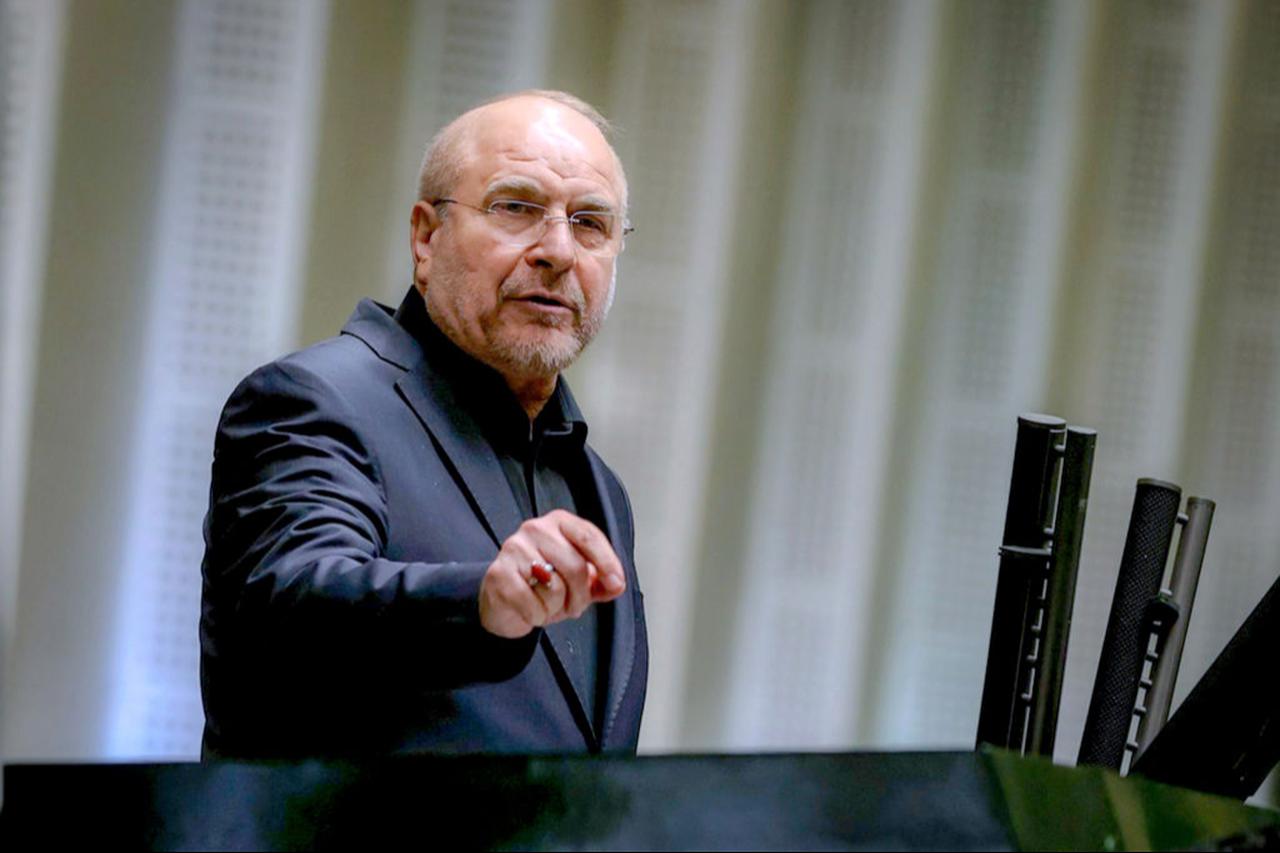
Ghalibaf ran for president in 2005, 2013, 2017 and 2024.
After his 2005 loss, he was elected mayor of Tehran, serving until 2017. His tenure was criticized for neglecting the city's poorer southern districts and marred by allegations of corruption, particularly involving property sales in northern Tehran to government insiders. As mayor, he represented Iran at the World Economic Forum in Davos in 2008 and has since represented Iran at multiple BRICS summits.
Since his election as parliament speaker in 2020, Ghalibaf has at times pushed for economic reforms and stronger parliamentary oversight while remaining firmly aligned with the IRGC and the supreme leader's office.
Ghalibaf has been sharply critical of Reformist President Masoud Pezeshkian, to whom he lost the 2024 presidential race, publicly raising the possibility of impeachment.
In December, he warned that if the executive branch failed to address rising prices of basic goods, parliament would have a "duty" to take action.
In late January, after the EU designated the IRGC as a terrorist organization, Ghalibaf wrote on X that the body "is one of the strongest and most effective anti-terrorism forces in the world."
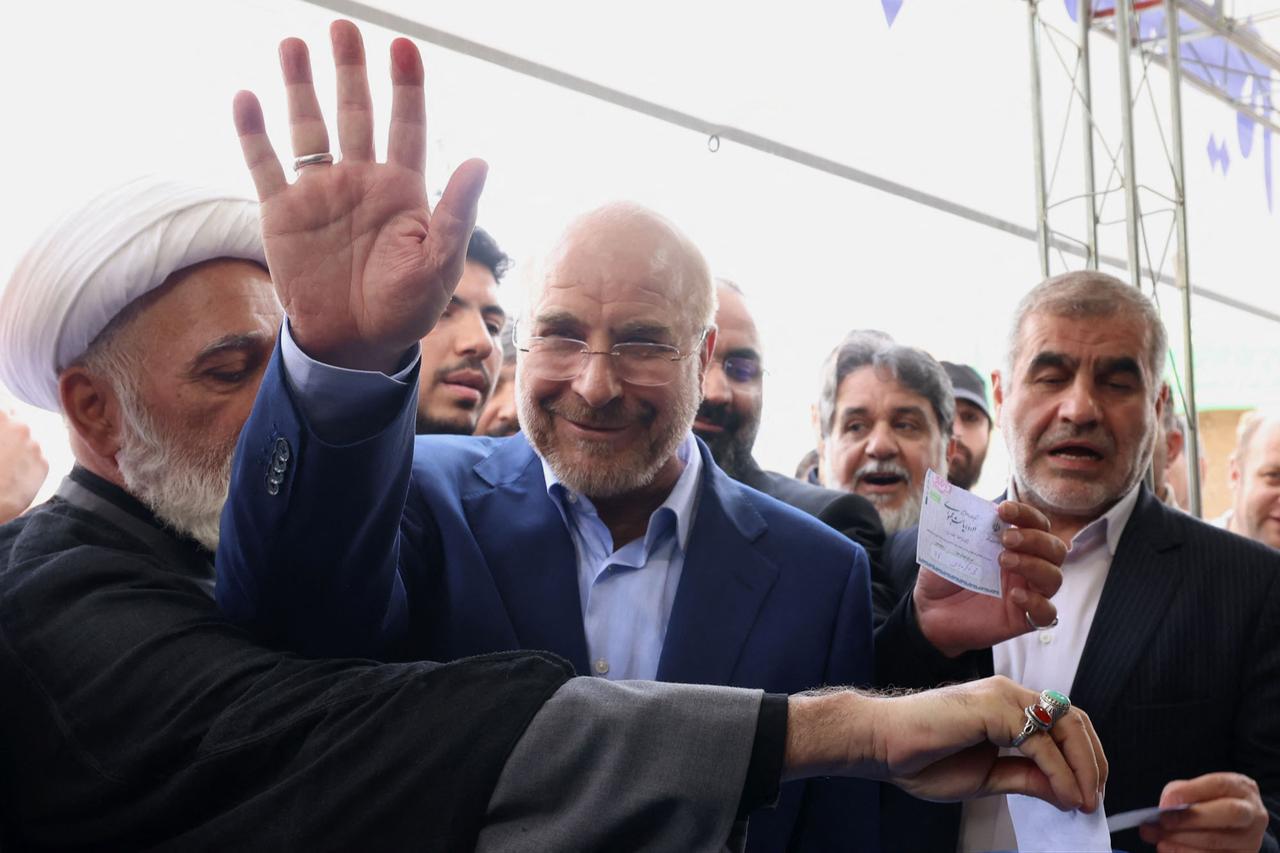
Israel believes the U.S. is likely holding talks with Ghalibaf toward ending the war, Israel's Yedioth Ahronoth reported.
"In Israel, it is estimated that the United States is holding talks with Iranian Parliament Speaker Mohammad Bagher Qalibaf. The negotiations are mostly conducted indirectly, and it is unclear whether the Americans are in direct contact with Qalibaf," the newspaper said.
Israeli public broadcaster KAN, citing an informed Israeli source, said Trump's optimistic statement about talks was "surprising," stressing that "it is too early to know whether these talks will lead to ending the war."
Regional escalation has continued since the U.S. and Israel launched a joint offensive on Iran on Feb. 28, killing over 1,340 people, including then-Supreme Leader Ali Khamenei.
Iran has retaliated with drone and missile strikes targeting Israel, Jordan, Iraq and Gulf countries hosting U.S. military assets.


 Set as preferred source
 Set as preferred source


 1 min read