Newsletters


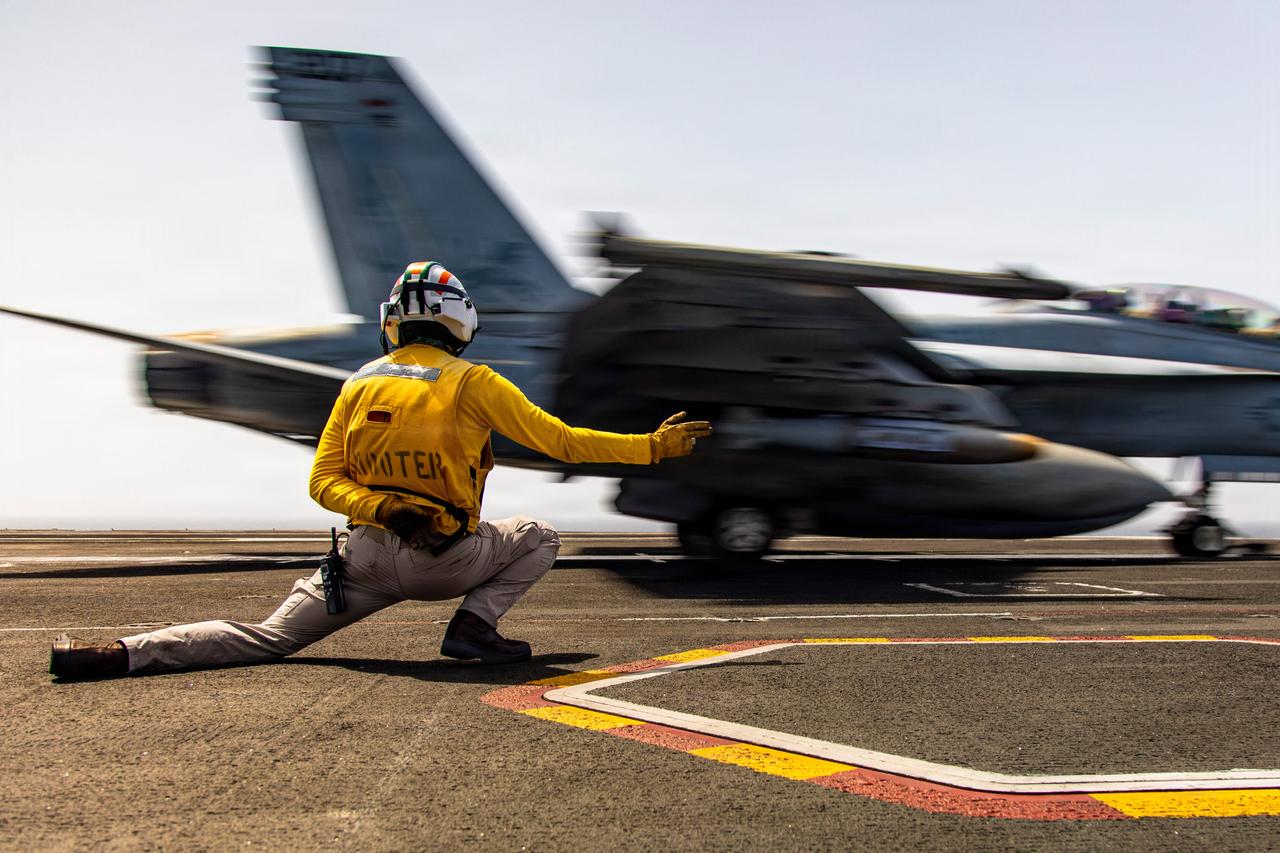


A senior Iranian military advisor threatened Sunday to turn the Strait of Hormuz into a graveyard for U.S. aircraft carriers after U.S. President Donald Trump boasted that American naval forces were operating "like pirates" in the Strait of Hormuz, deepening an exchange that has drawn sharp condemnation from Tehran and renewed questions about the legality of Washington's blockade.
Mohsen Rezaei, military advisor to Mojtaba Khamenei, posted directly to the piracy framing on X.
"The U.S. is the only pirate in the world that possesses aircraft carriers," Rezaei said.
"Our ability to confront pirates is no less than our ability to sink warships. Prepare to face a graveyard of your carriers and forces, just as the wreckage of your aircraft was left behind in Isfahan," he added.

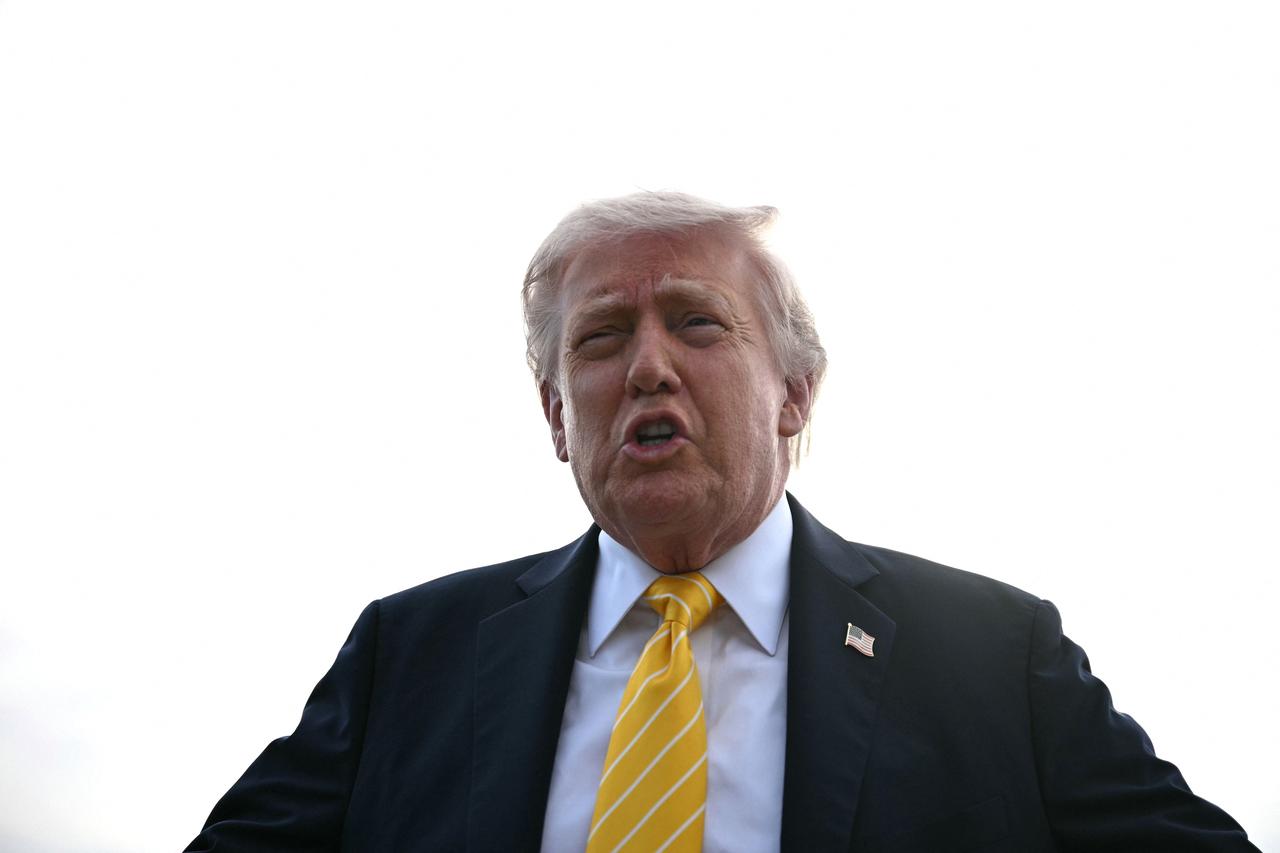
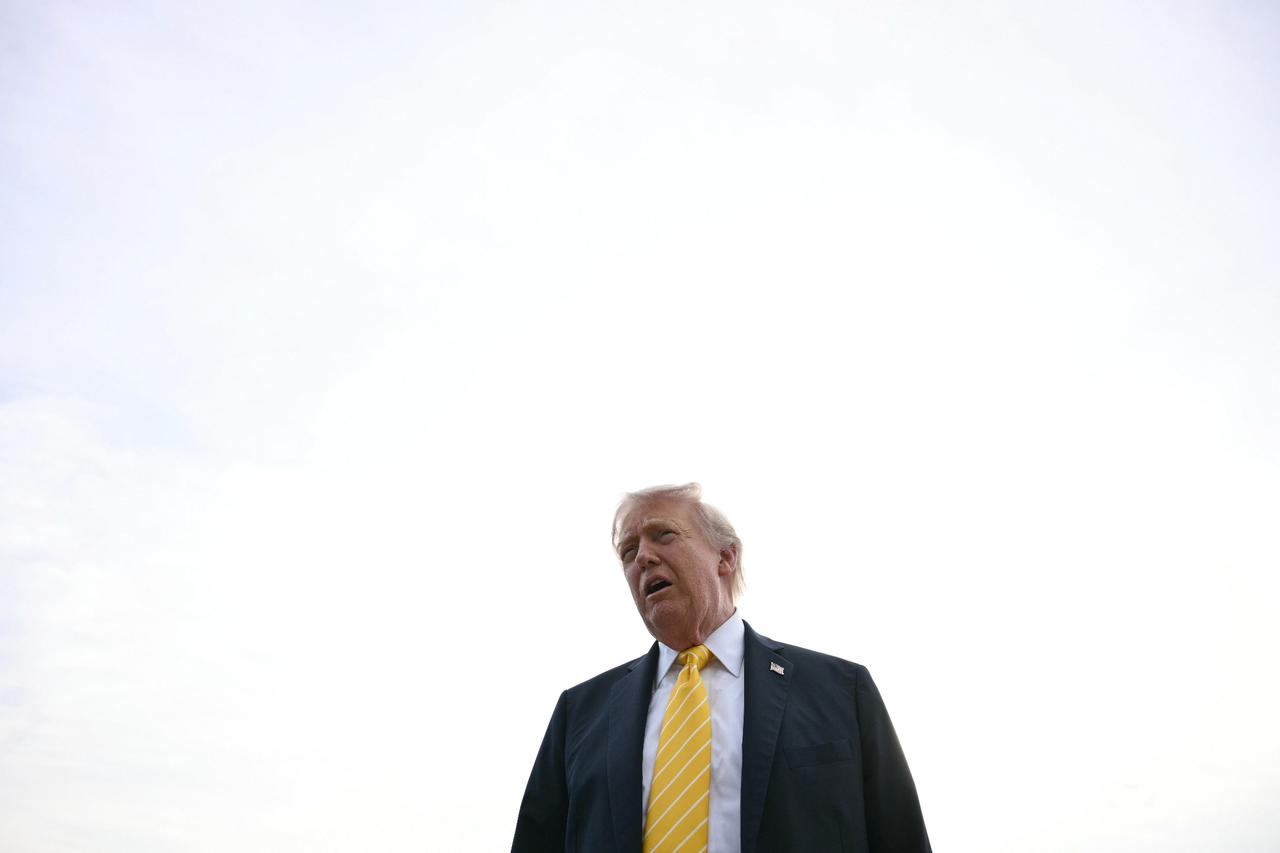
Speaking at an event in Florida, Trump described a recent naval seizure of an Iranian ship in vivid terms.
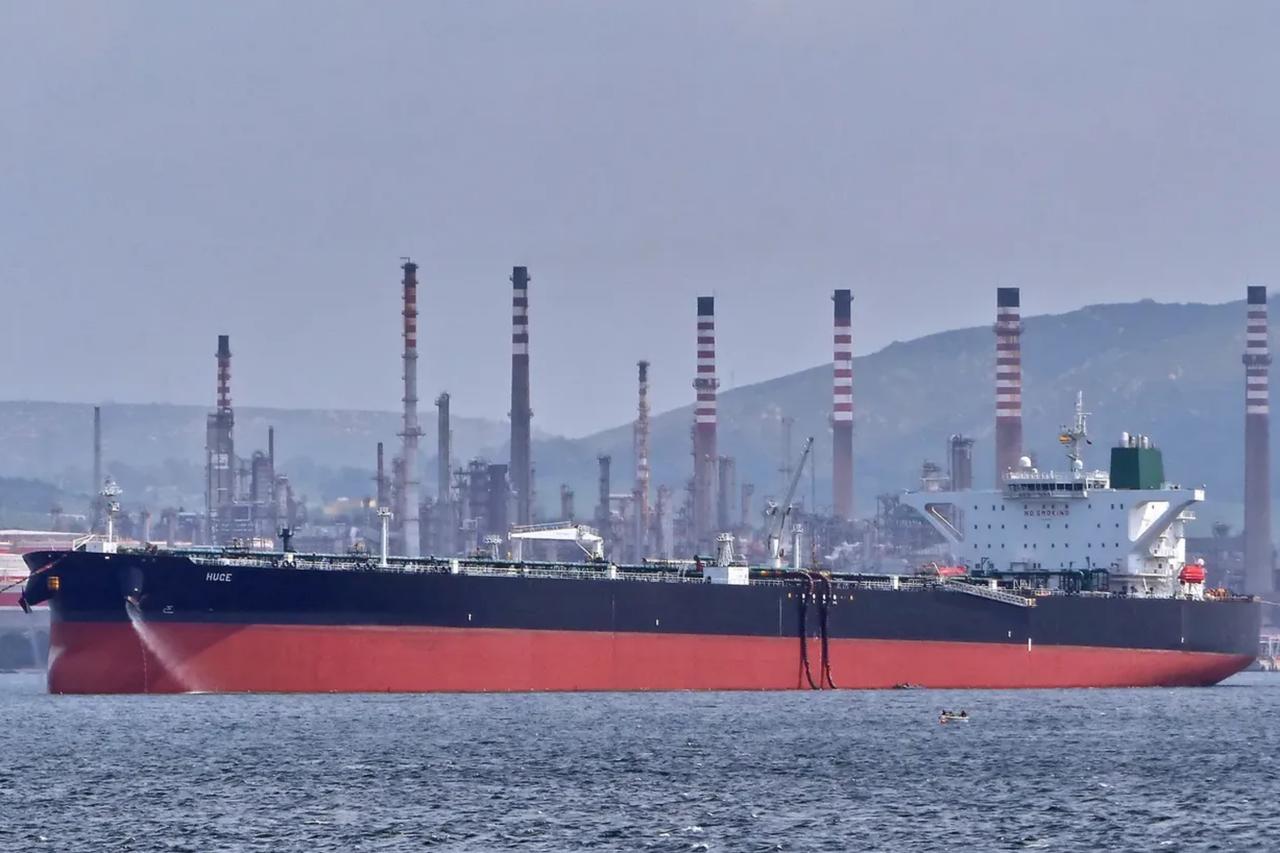
"We took over the ship, we took over the cargo, we took over the oil. It's a very profitable business," Trump said.
"We're sort of like pirates, but we are not playing games," he added.
Trump defended the blockade by arguing that Iran had long weaponized the Strait of Hormuz by saying, "Iran had used the Hormuz Strait as a weapon for many, many years; they said they'll close it. So, they closed it, then I closed it on them."
On nuclear talks, Trump cast doubt on their value. "Frankly, maybe we're better off not making a deal at all," he said, before adding that the situation could not continue indefinitely.
Iranian Foreign Ministry spokesperson Esmaeil Baqaei stated that Trump's words amounted to an open confession of unlawful conduct at sea.
"The President of the United States has openly described the unlawful seizure of Iranian vessels as 'piracy,' brazenly boasting that 'we act like pirates,'" Baqaei said on X.
"This was no verbal slip. It was a direct and damning admission of the criminal nature of their actions against international maritime navigation," he added.
Baqaei called on the international community, U.N. member states, and the U.N. secretary-general to "firmly reject any normalization of such blatant violations of international law."
The U.S. and Israel launched strikes against Iran on Feb. 28, prompting Iranian retaliation against U.S. allies in the Gulf and the closure of the Strait of Hormuz, a waterway through which one-fifth of the world's oil and liquefied natural gas transited before the conflict began.
Since April 13, the U.S. has enforced a naval blockade targeting Iranian maritime traffic in the waterway. U.S. Central Command (CENTCOM) recently said it had redirected 48 vessels to ensure compliance with the blockade as of Saturday.
A ceasefire was announced on April 8 through Pakistani mediation, followed by talks in Islamabad on April 11-12, but no agreement was reached. Trump later extended the truce unilaterally, without setting a new deadline, at Pakistan's request.
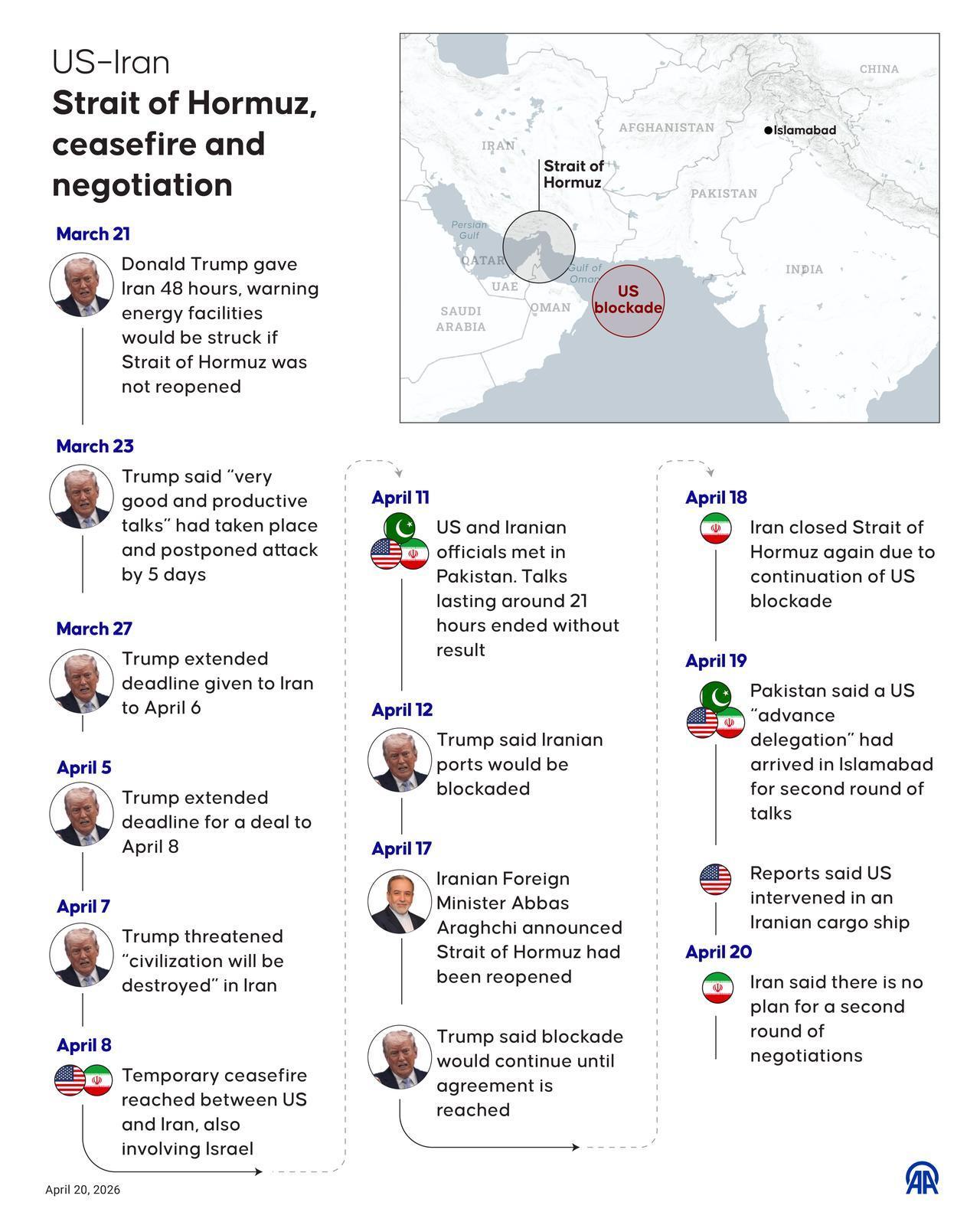
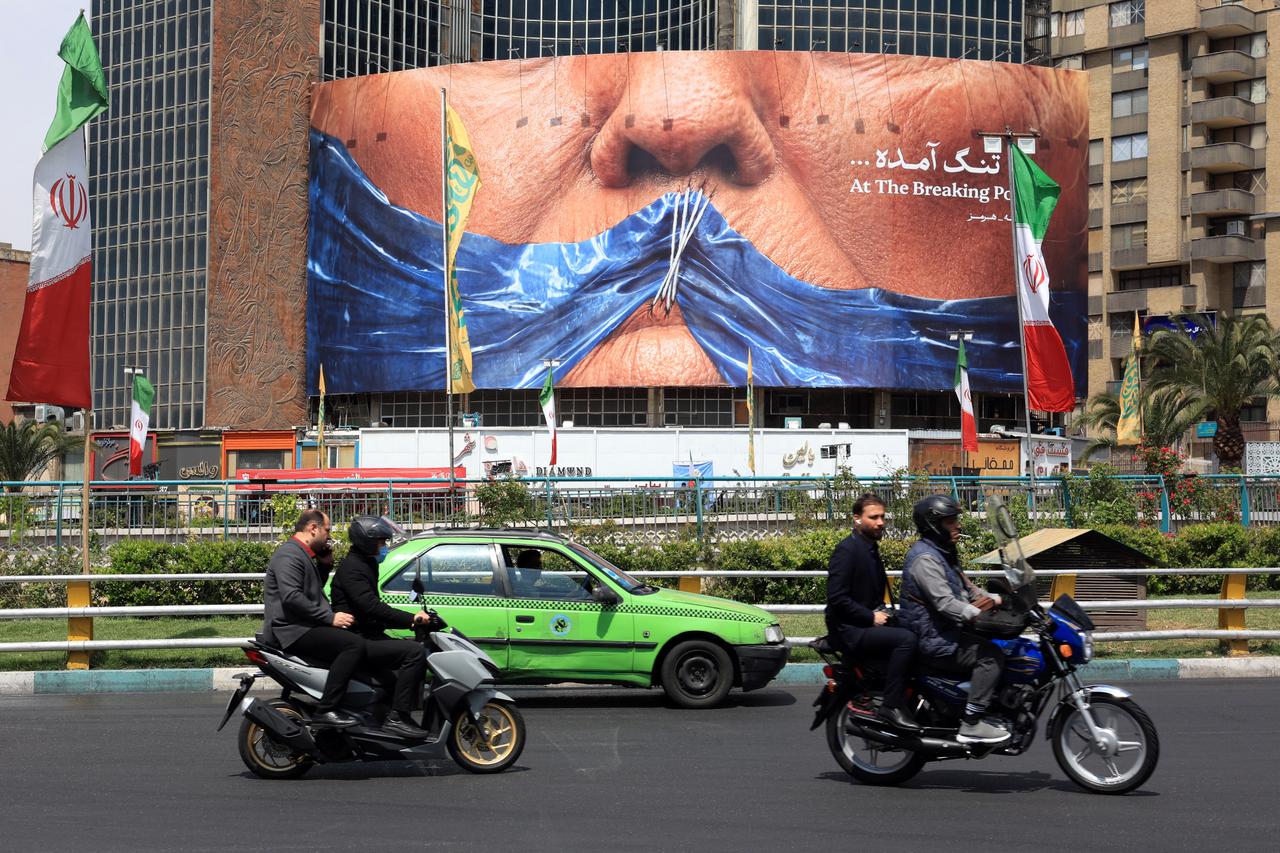
Iran subsequently loosened its own blockade, allowing allies and non-combatant nations to transit the strait after paying a toll. The U.S. blockade applies to Iranian vessels and any others that have paid that toll, according to Trump. Iran has vowed to maintain its grip on the strait as long as Washington continues to blockade its ports.
Some reports indicate the Trump administration is seeking to form an international coalition to restore maritime traffic through the waterway.


 Set as preferred source
 Set as preferred source


 1 min read
 1 min read