Newsletters




Iran is preparing a new regulatory framework for the Strait of Hormuz that would tighten its control over the waterway and block Israeli vessels.
It would also restrict passage for countries deemed hostile, a senior parliamentary official revealed.
Speaking during a visit to the southern port city of Bandar Abbas on Saturday, Deputy Speaker Ali Nikzad laid out details of a 12-point management plan now under review in parliament.
"The new management model for the Strait of Hormuz is as important as the nationalization of oil," he said.
Under the draft, Israeli ships would be fully barred from transiting the strait.
Vessels linked to countries accused of hostile actions against Iran would also face restrictions unless they pay war compensation, Nikzad noted during remarks broadcast on state television.
Other ships would still be allowed through, but only under rules defined by Iranian legislation and subject to official approval.
Nikzad stressed that Iran would not step back from its rights in the strait, adding that shipping through the waterway would never return to pre-conflict conditions.
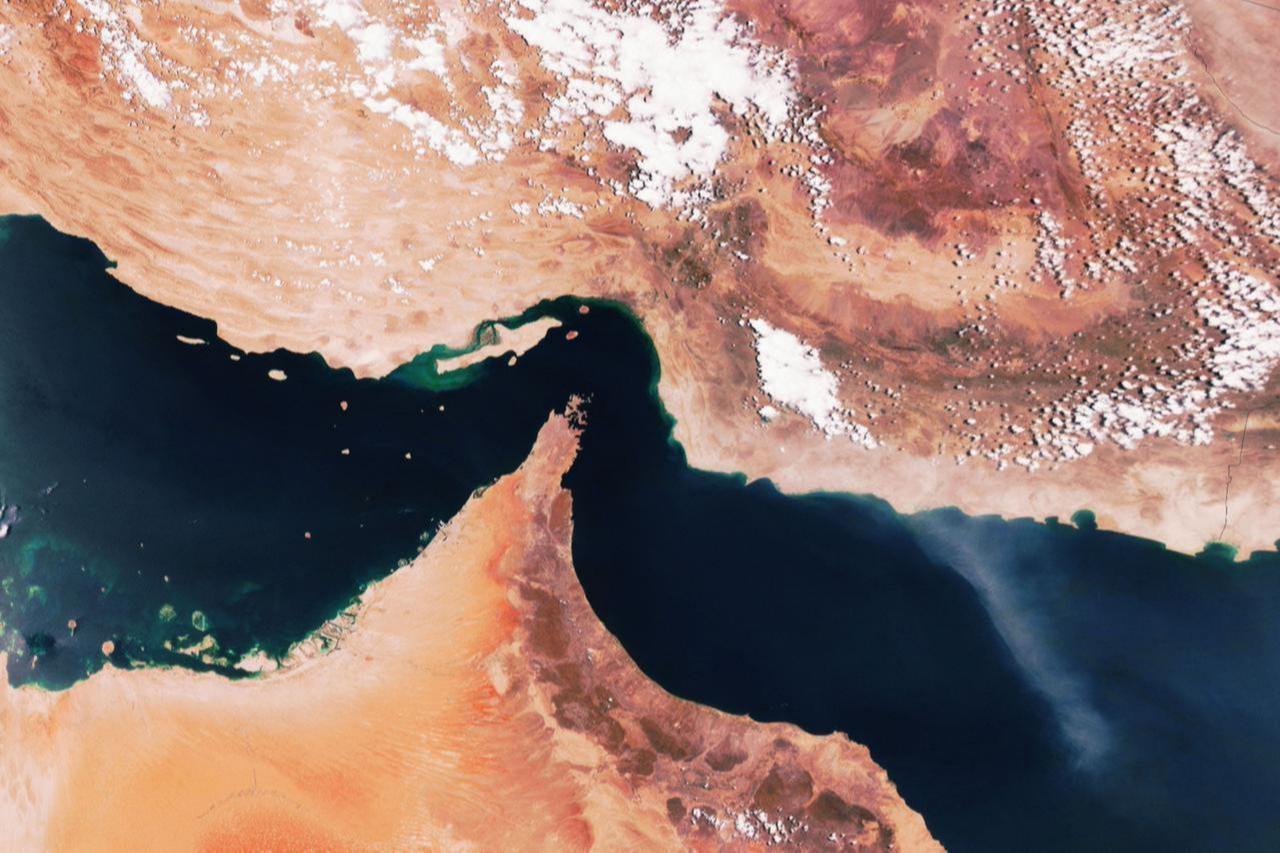

Accompanying the visit, parliamentary commission head Mohammad Reza Rezaei pointed to the economic dimension of the proposal, arguing that control over the strait outweighs even nuclear capabilities in importance.
He explained that revenues from transit fees would be split, with 30% allocated to strengthening the armed forces and 70% directed to improving living conditions and funding development projects.
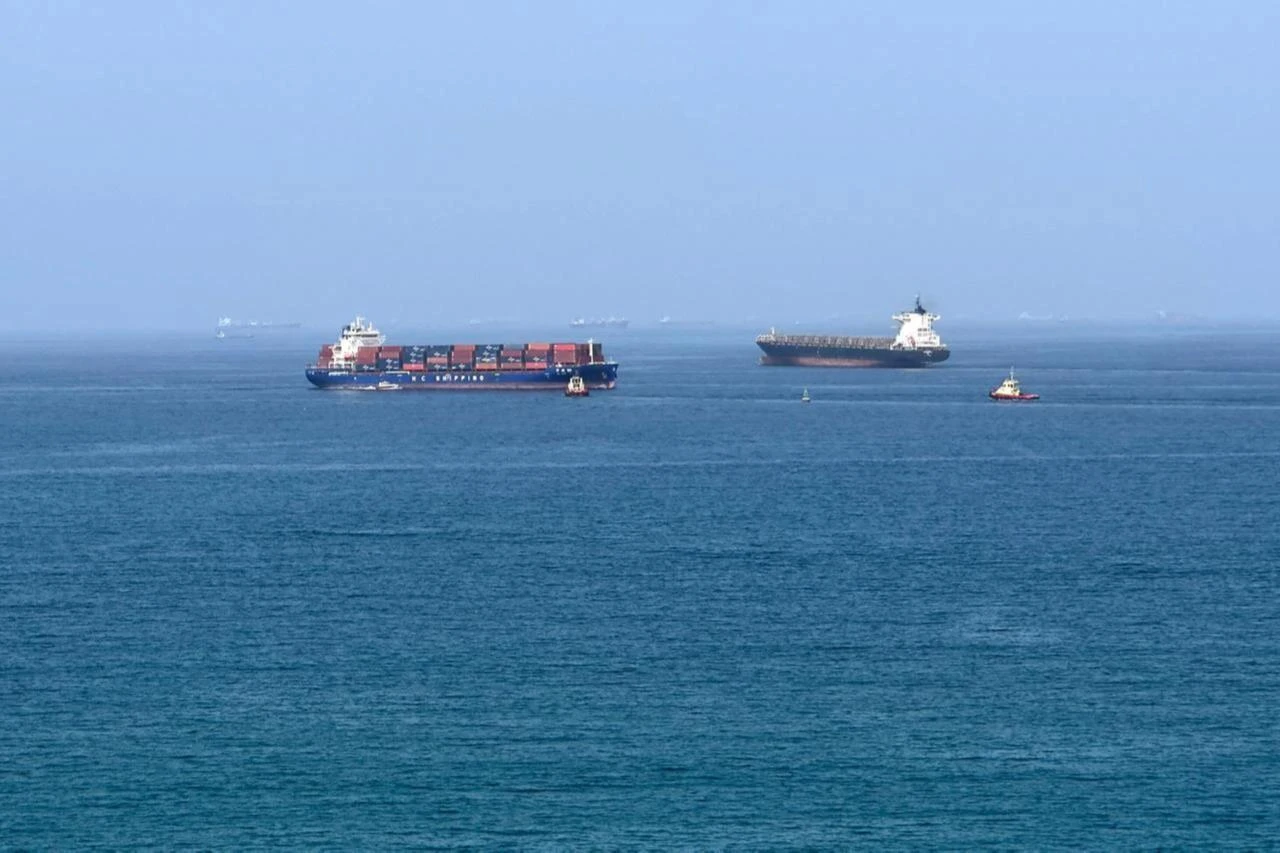
Since the war began on Feb. 28, shipping traffic in the Strait of Hormuz has come to a near halt, particularly after Iran’s Revolutionary Guards Corps prohibited unauthorized access.
Tehran has already formalized legislation on control of the strait, and the central bank began collecting initial transit fees in mid-April, according to the statements.
The U.S. Office of Foreign Assets Control (OFAC) warned that companies making transit payments to Iran face significant penalties, regardless of whether payments are made in cash, digital assets or informal swaps.


 Set as preferred source
 Set as preferred source


 1 min read
 1 min read