

 Newsletters


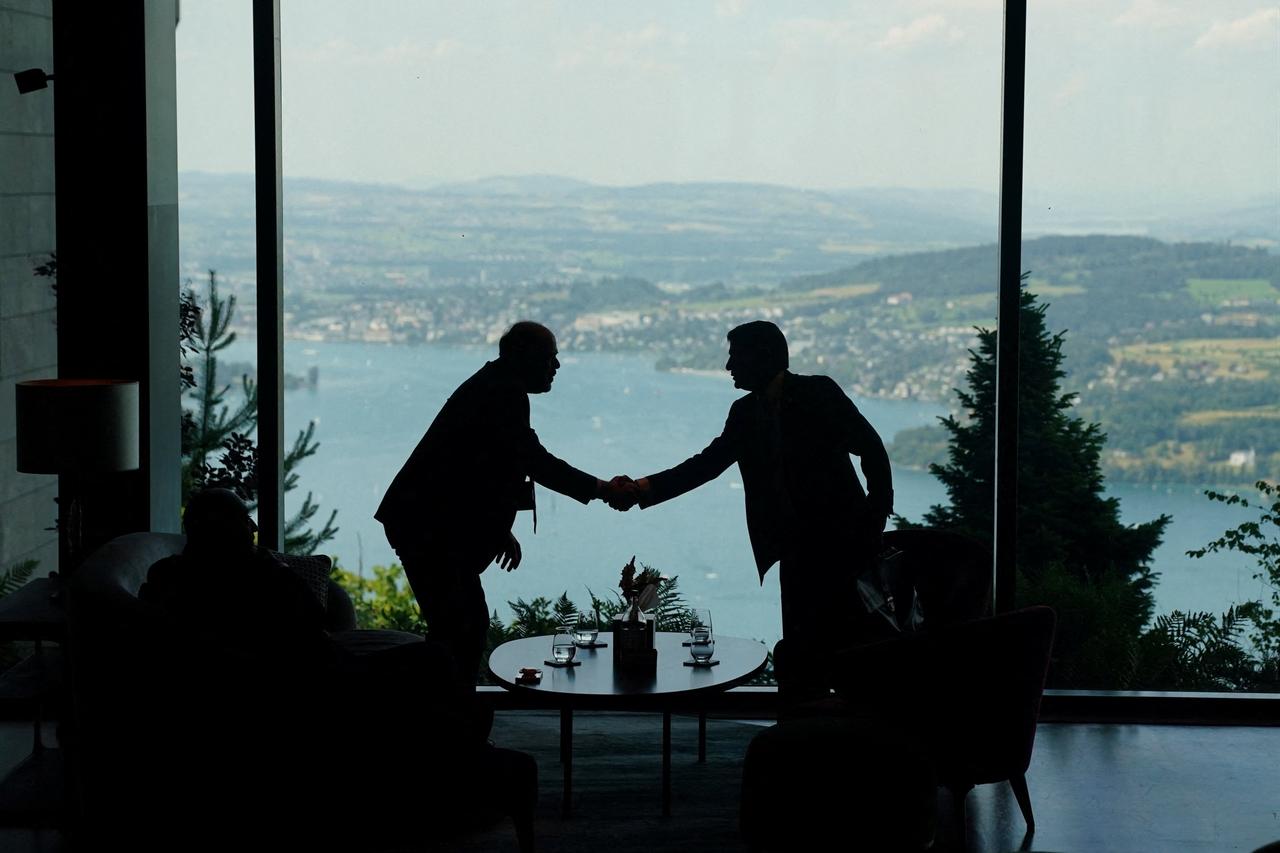


Iranian negotiators have left talks with Qatari mediators in Doha, and a draft proposal for a U.S.-Iran deal is being circulated, with a follow-up meeting possible, an official briefed on the talks told Reuters on Monday.
The negotiators departed Sunday, though not because of difficulties in the negotiations, the official said.
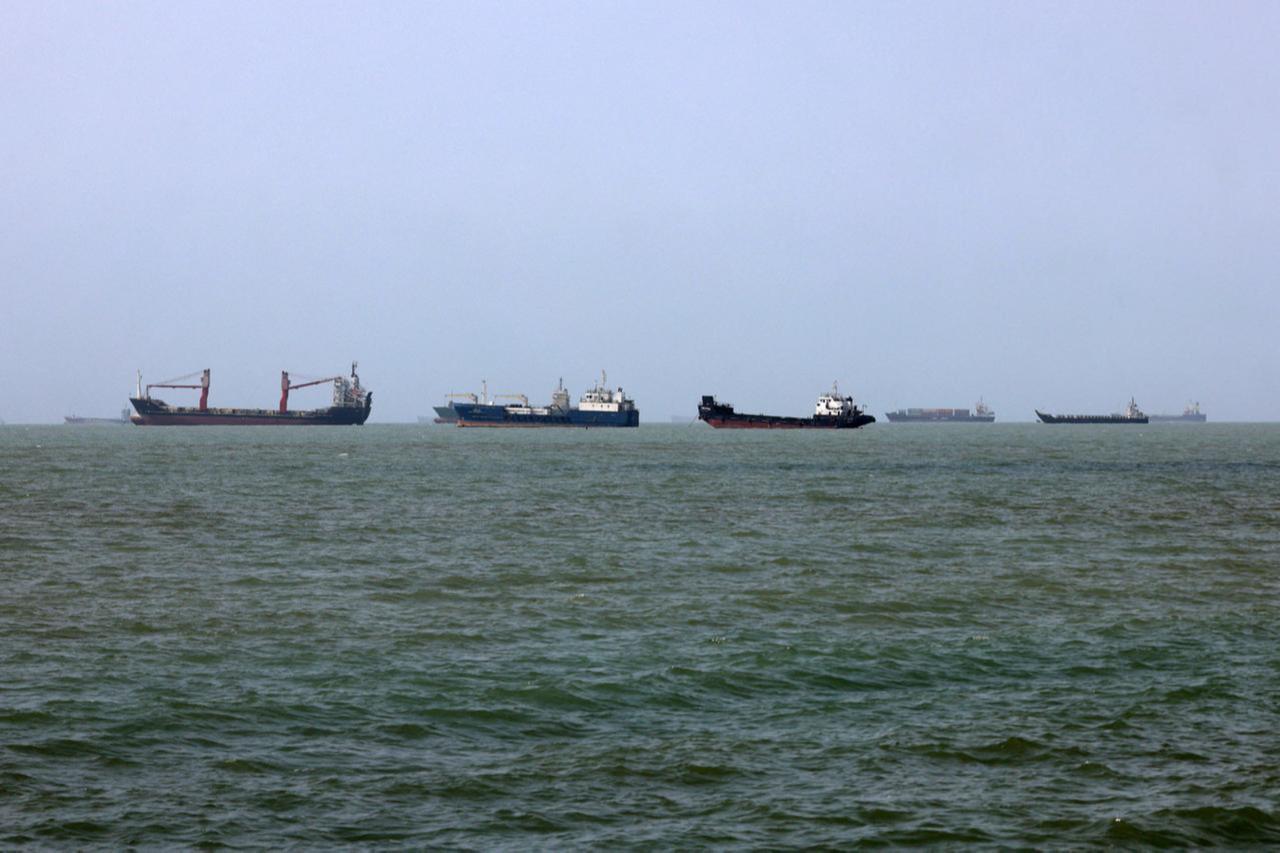
Iran’s Foreign Ministry said its plan to reopen the Strait of Hormuz has been condensed so it could be carried out within two days, and that "the ball is now in the US court."
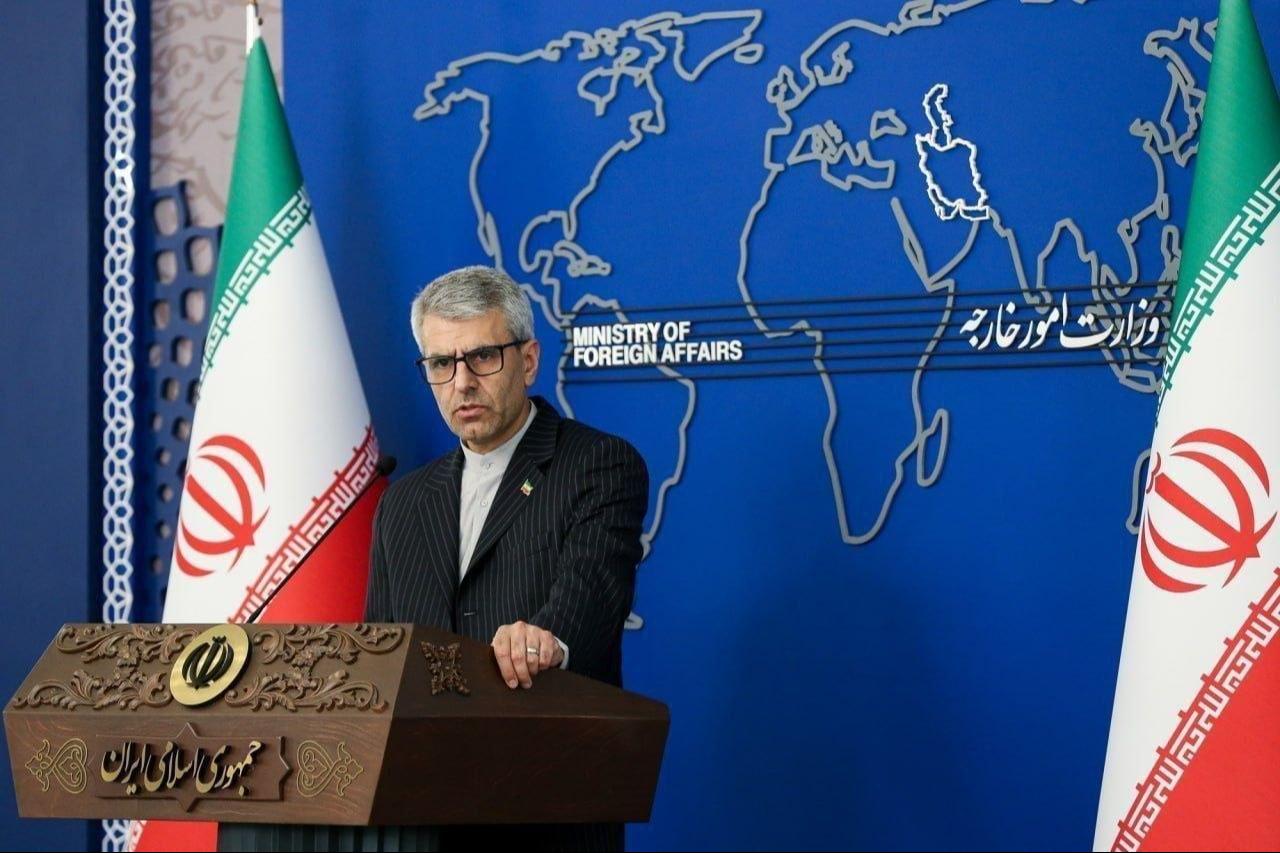
"Our demands have been articulated very clearly and transparently. These demands are reasonable and logical," spokesman Esmaeil Baghaei told his weekly news conference.
"No final agreement can be initiated, nor can the Strait of Hormuz be reopened or secured, unless the US naval blockade is brought to an end, Iran’s demands are respected, and Iran’s legitimate requirements are addressed," he added.
Deputy Foreign Minister Kazem Gharibabadi was in Doha to facilitate the exchange of messages with Washington via Qatar, Baghaei said. Parliament Speaker Mohammad Bagher Ghalibaf is leading the negotiations, while the Supreme National Security Council oversees the process.
"The issues are very complex, and the passage of time, given America’s conduct, has added to the complexities," Baghaei said, adding, "From our point of view, this exchange of messages continues. America must decide."
He said the basis of indirect talks remains Iran's seven-stage plan, now condensed to two days, which he called a sign of Iran's goodwill.
"You cannot talk about the Strait of Hormuz and be worried about insecurity there, but continue the economic blockade of Iran, set aside everything you accepted in the Islamabad understanding and expect Iran to unilaterally accept commitments," he said.
Iran's demands are what the U.S. accepted in the Islamabad memorandum and later violated, including lifting sanctions imposed under "Operation Economic Outcast" and releasing frozen assets, Baghaei said. "These are not preconditions," he added, calling them necessary to restore security in Hormuz.
Asked whether Iran would agree to transfer its 60% enriched uranium to a third country, Baghaei said: "No."

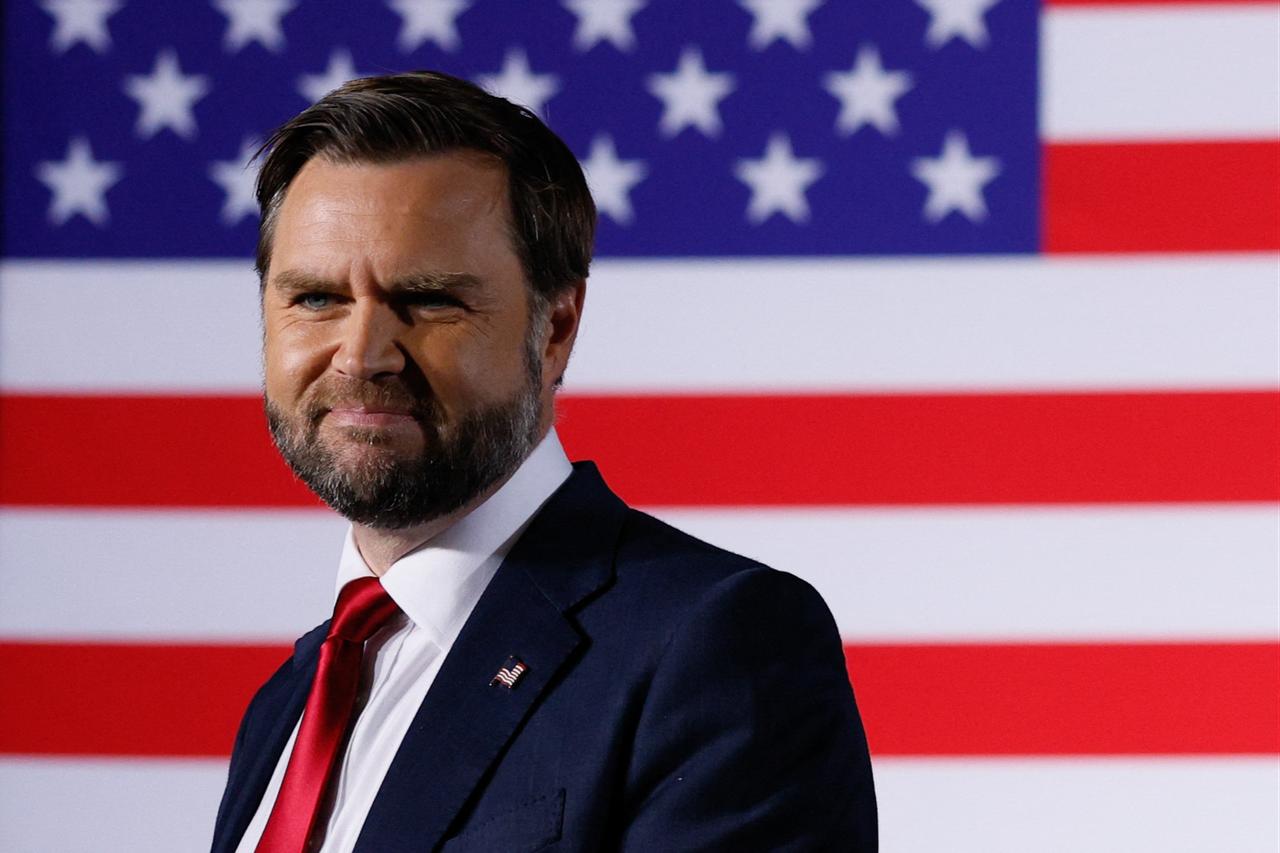
On a letter from U.S. Vice President JD Vance to Supreme National Security Council Secretary Mohsen Rezaei, Baghaei said Rezaei would decide how to respond.
"What matters to us is the conduct of the US government," he said, noting that the Islamabad memorandum collapsed within weeks. "The chief negotiator in the Islamabad process was this very letter writer, and we saw that the US president recently said that process was a waste of time... any diplomatic process must certainly be viewed with great caution."
"Every operation, assuming it is deception, has two sides: a deceiver and the deceived. So we will not be deceived," he said, recalling that U.S. President Donald Trump said talks were continuing half an hour before the June 2025 attack on Iran.
"There is absolutely no trust between Iran and America," Baghaei said.
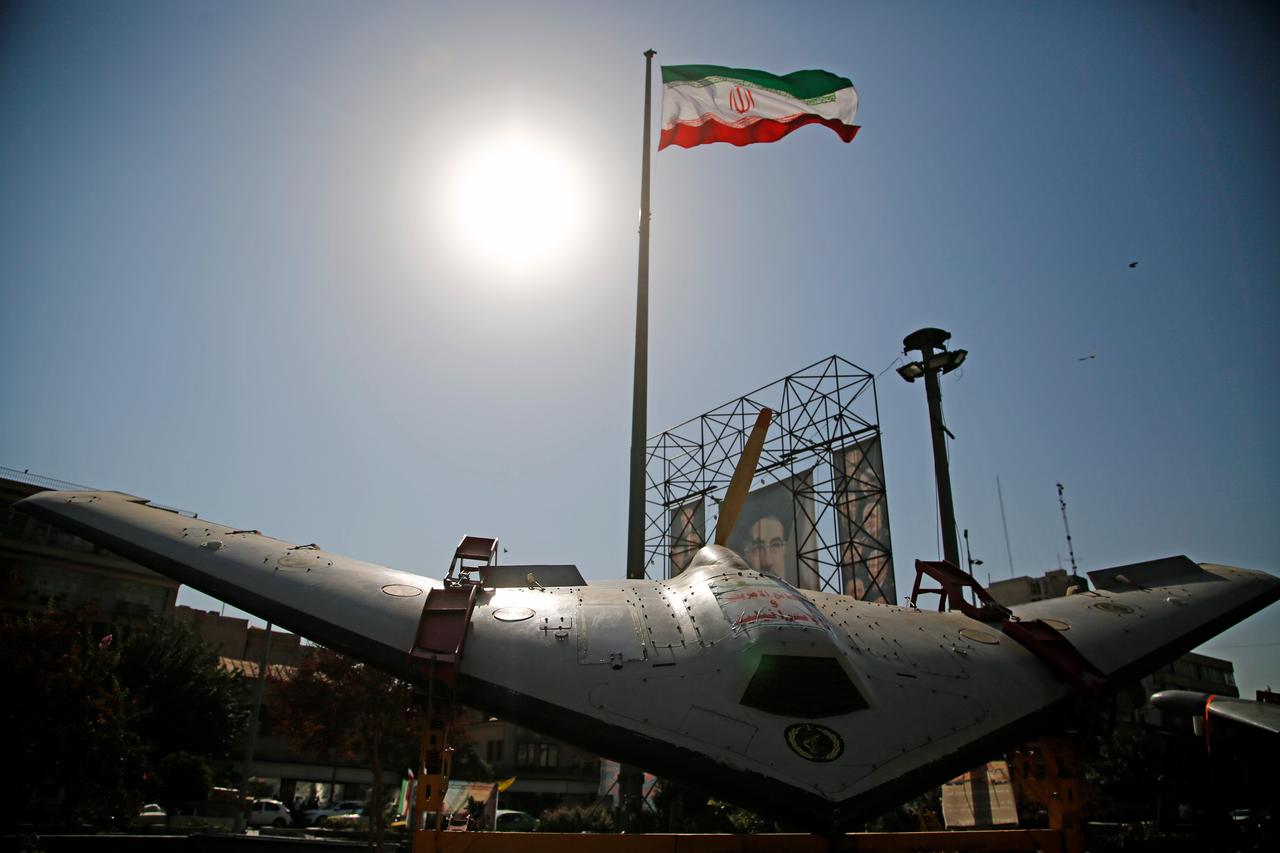
Asked about reported U.S. plans to strike the Pickaxe Mountain site, Baghaei said: “Any aggression against Iran, with whatever tool, will face our powerful, immediate and comprehensive response.”
“The war is under way right now as we speak. The economic blockade of Iran and the threats against Iran are part of the war,” he said.
Any party that joins the U.S. and Israel in an attack “should not consider itself safe from Iran’s powerful response,” he added.
Iran is still a member of the Nuclear Non-Proliferation Treaty and considers itself bound by it as long as it remains a member, Baghaei said, while describing the U.S. as "the biggest threat to the nuclear non-proliferation regime."
Baghaei said Iran's strikes on Gulf states hosting U.S. bases were defensive under Article 51 of the U.N. Charter.
"It is not at all desirable for us to direct our defensive strikes at regional countries," he said, but if attackers use their territory again, "Iran is entitled to defend itself."
Responding to a UAE official’s remarks, he said "Iran did not destroy trust," adding that Iran has "no enmity with any country in the region." He rejected Kuwait’s sentencing of nationals over alleged intelligence links to Iran as "absolutely" unfounded.
On the U.S. midterms, Baghaei said Iran follows them "on television," adding that"a new America will not be born with an election." He said Iran does not tie decisions on its national security "to anything else anywhere in the world."
He said IAEA chief Rafael Grossi "has many debts to Iran" and that talks had "not yet reached that stage" of inspections. Asked about reported Saudi economic incentives, he said: "I have not heard of it anywhere."
A director-general from the ministry recently visited regional countries, including Türkiye and Pakistan, as part of efforts toward a quadrilateral regional meeting, Baghaei said. He rejected antisemitism accusations against Iran, calling it "a European phenomenon."
"Surrender? This word is not in our lexicon," he said in response to U.S. officials' remarks.
The draft proposal from the Doha talks has not been made public.


 Set as preferred source
 Set as preferred source


 1 min read
 1 min read


