Newsletters


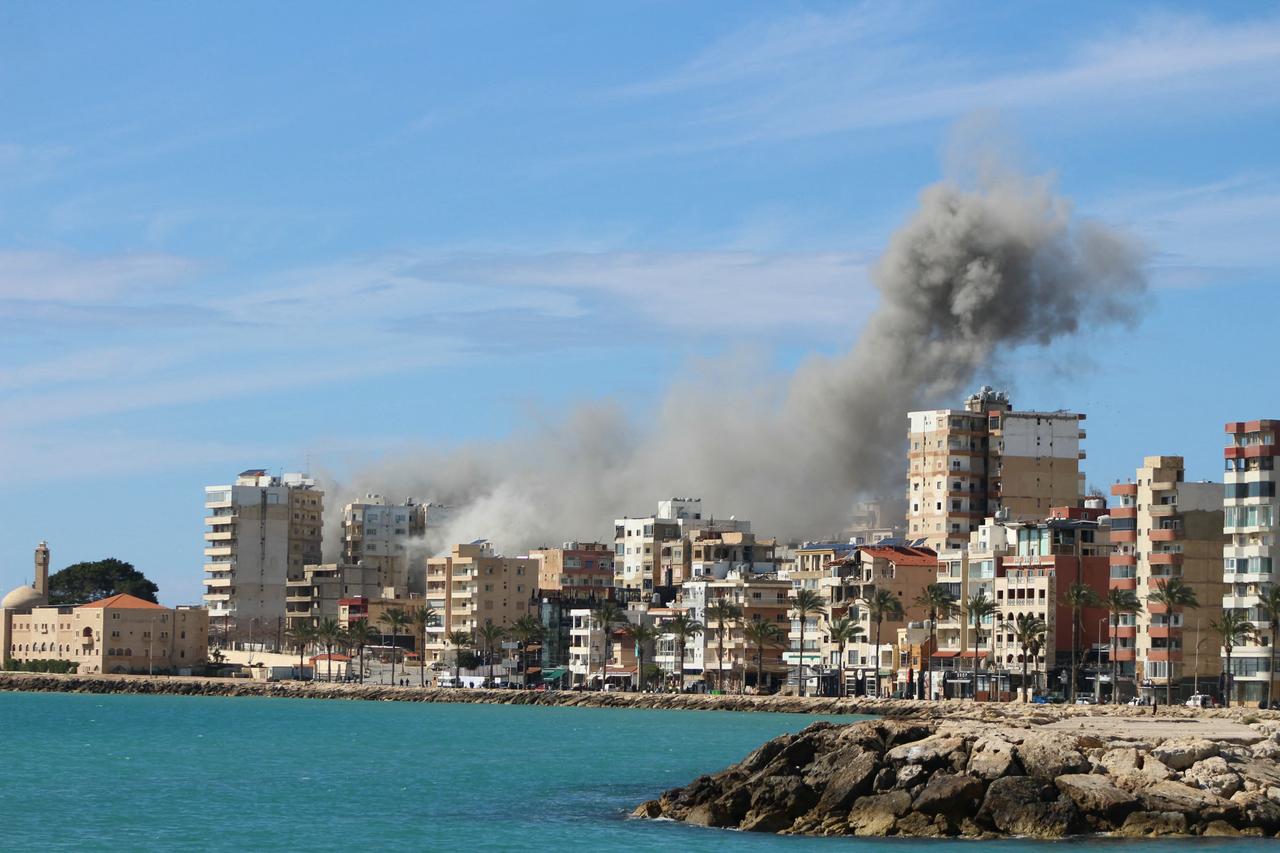


Iran’s ambassador to Pakistan said Wednesday there had been no negotiations between Tehran and Washington, after U.S. President Donald Trump signaled tentative progress in diplomatic efforts to end the war.
"We have also heard such details through the media, but according to my information, and contrary to Trump's claims, so far no negotiations, direct or indirect, have taken place between the two countries," Ambassador Reza Amiri Moghadam said.
He added that it was "natural that friendly countries are always engaged in consultations with both sides to end this illegitimate aggression."
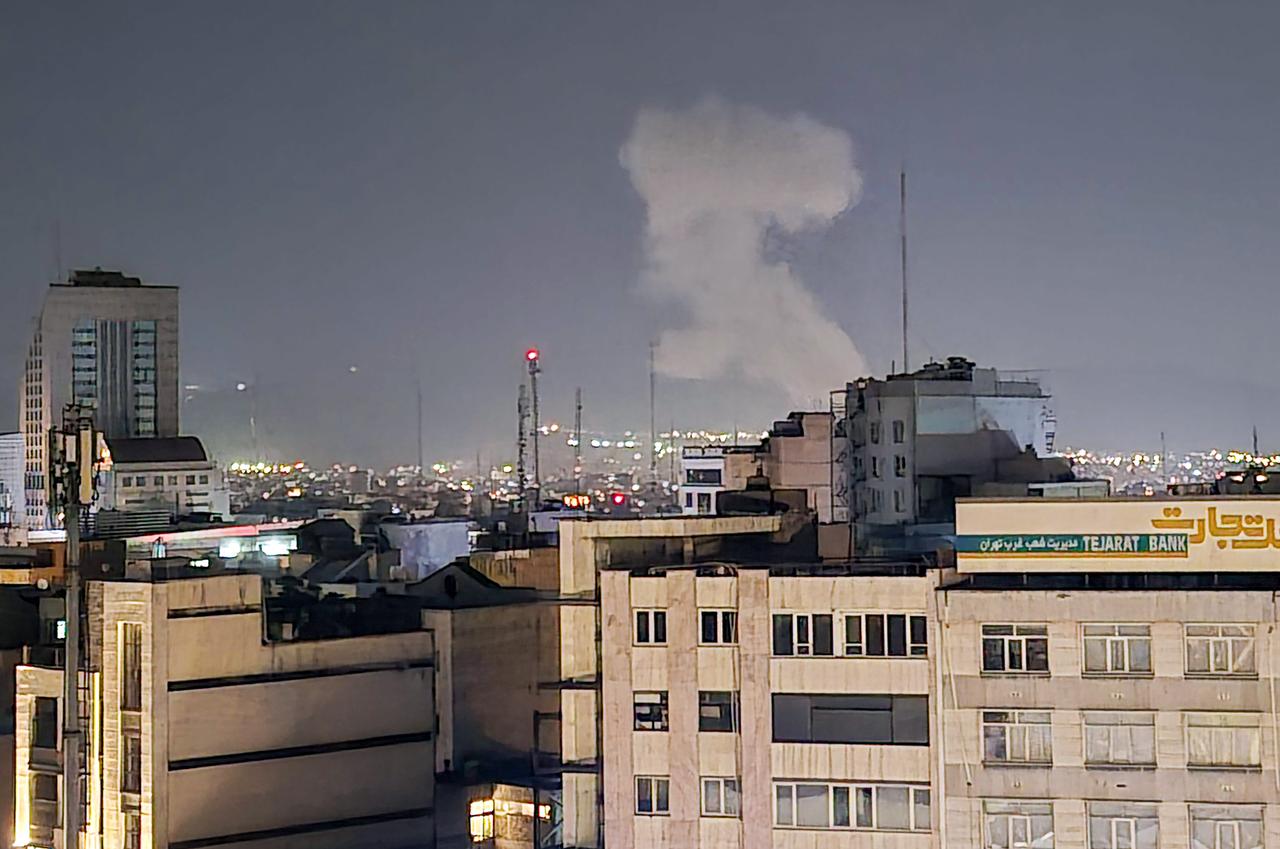

The comments came after a report said the United States had sent Iran a 15-point plan aimed at resolving the conflict in the Middle East.
The New York Times, citing two officials briefed on the diplomacy, said the proposal was delivered via Pakistan and outlines steps addressing Iran’s nuclear and ballistic missile programs as well as maritime security in the Strait of Hormuz.
The report said it remains unclear whether Iran will accept the proposal or whether Israel supports it, as the war—now in its fourth week—continues with U.S.-Israeli strikes and Iranian retaliation.
Pakistan’s army chief, Field Marshal Syed Asim Munir, has emerged as a key intermediary between Washington and Tehran, with Islamabad signaling its readiness to host talks if both sides agree, according to officials cited in the report.
On Monday, Trump announced a five-day pause on strikes targeting Iranian power plants and energy infrastructure, citing “very good and productive” talks with Tehran over the past two days.
Iranian officials said they had received messages from some “friendly countries” relaying a U.S. request for negotiations to end the war, while continuing to deny any direct talks with Washington.
The United States and Israel have been carrying out airstrikes on Iran since Feb. 28, killing more than 1,340 people so far, including then-Supreme Leader Ayatollah Ali Khamenei.
Iran has retaliated with drone and missile strikes targeting Israel as well as Jordan, Iraq and Gulf countries hosting U.S. military assets, causing casualties and damage to infrastructure while disrupting global markets and aviation.


 Set as preferred source
 Set as preferred source


 1 min read
 1 min read