

 Newsletters


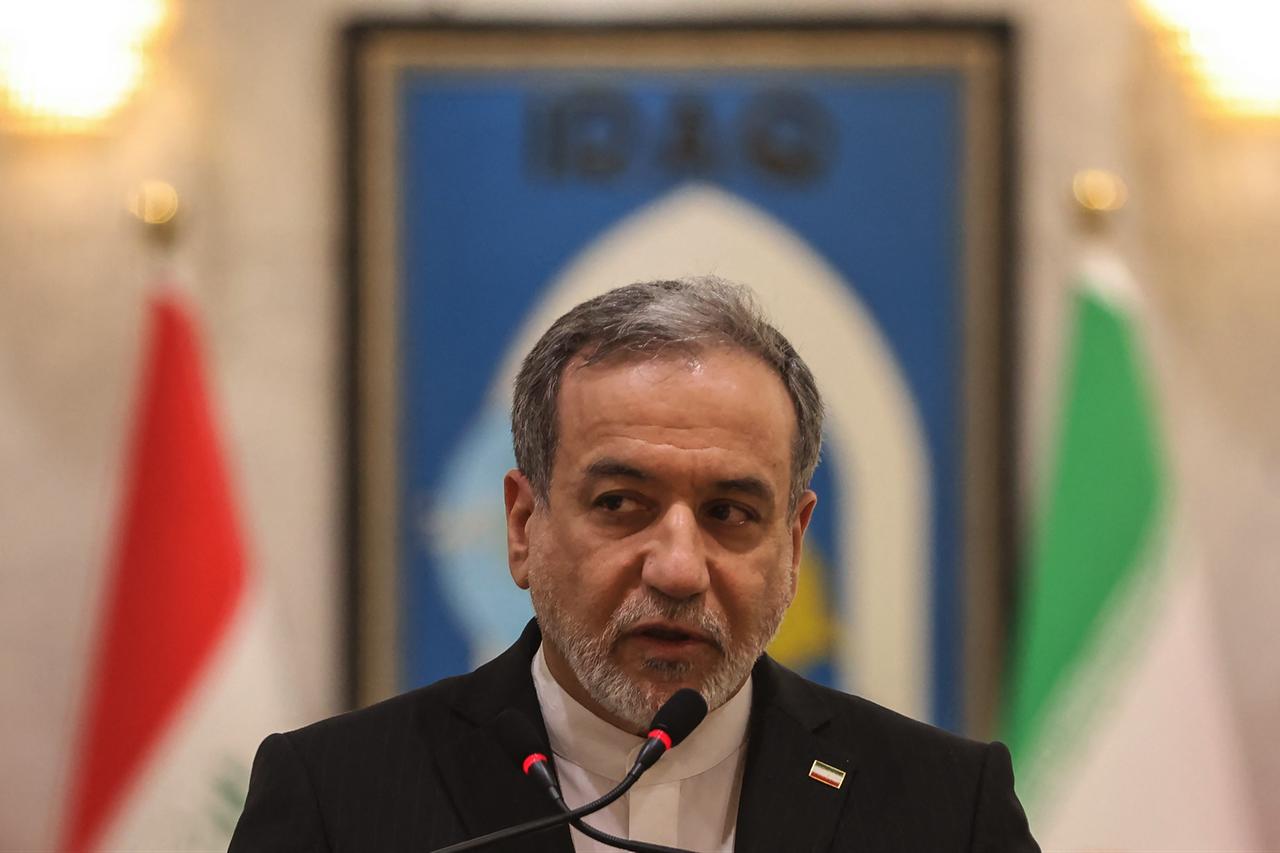


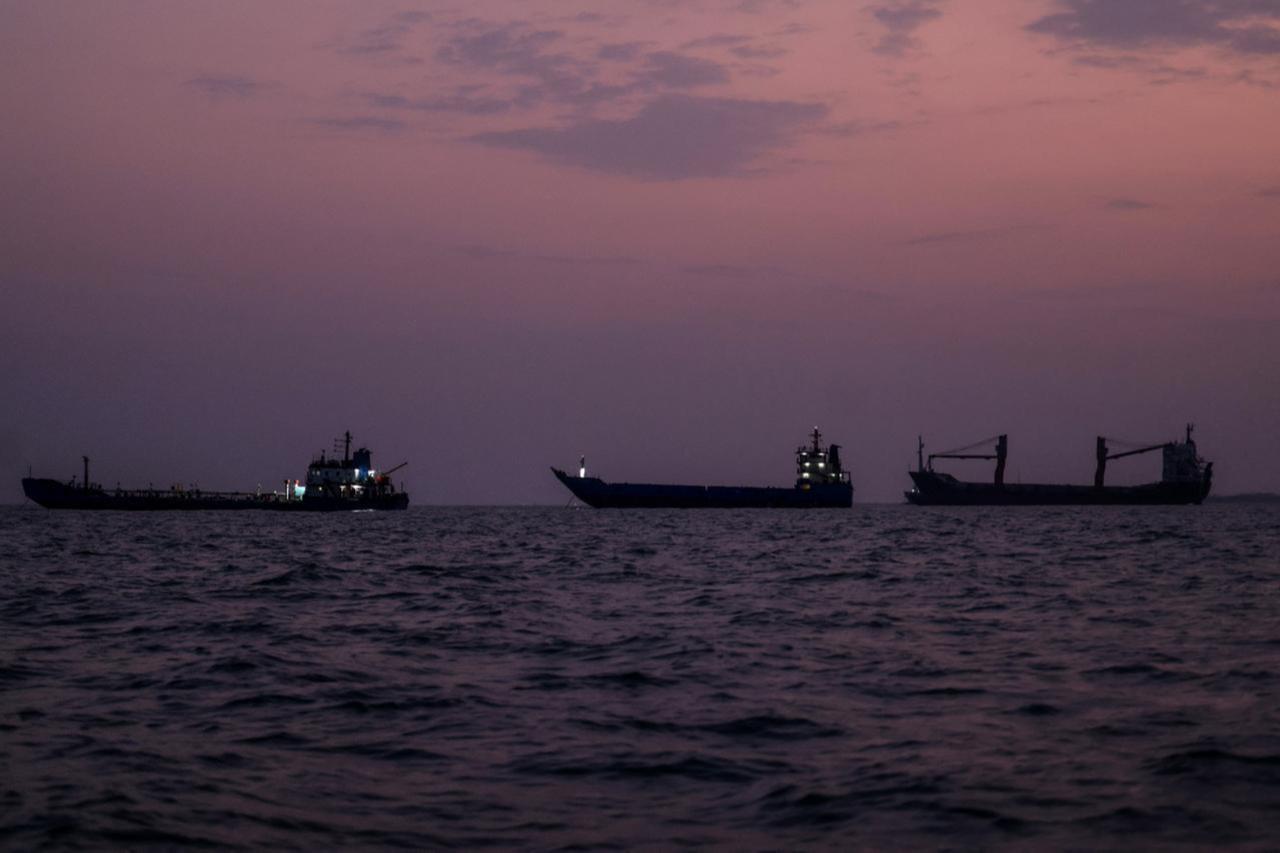
Iranian Foreign Minister Abbas Araghchi said he hopes Monday's, Sept. 14, meeting between Iran and Gulf states in Oman over the Strait of Hormuz could become the first of several rounds of dialogue on broader regional issues, even as he stressed the gathering's current agenda remains strictly limited to a new maritime route through the strait.
"It can be hoped that this same dialogue, if there is political will, will provide a basis for subsequent consultations on other issues of interest to the countries of the region," Araghchi told the London-based Arabic outlet Al-Araby Al-Jadeed.
Araghchi said the meeting, to be held in the Omani city of Salalah, is originally envisaged as a gathering of eight Gulf-bordering countries, but Bahrain decided not to participate, citing recent attacks on the Gulf, leaving seven countries, Iran, Iraq and five Gulf states, at the table.
"The main, and indeed the only, agenda of this meeting is the new maritime route in the Strait of Hormuz," Araghchi said.
He said Iran and Oman had finalized an agreement establishing a new maritime route through the strait, along with accompanying maps and a joint statement, which would be presented to participating countries before being submitted to the International Maritime Organization for registration.
Araghchi stressed that the agreement with Oman "by no means" signifies the strait's reopening.
"The understanding between Iran and Oman actually defines the framework and arrangements under which maritime navigation would take place should conditions arise for reopening the strait," he said, describing the deal as setting out the details of new entry and exit routes to be used if and when the waterway reopens.
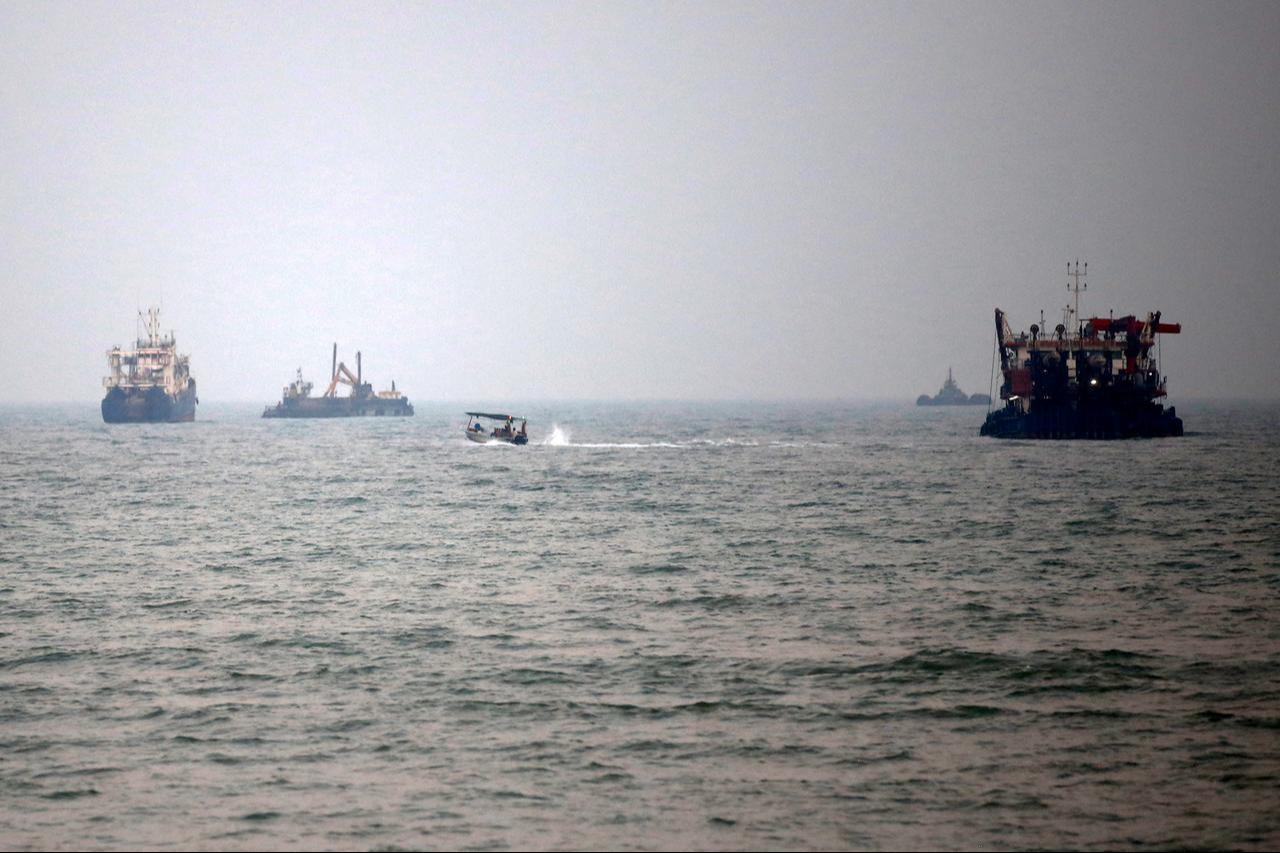

Araghchi said Iran's sole condition for reopening the Strait of Hormuz is for the United States to return to its commitments under the Islamabad Memorandum of Understanding (MoU).
"If the U.S. returns to the commitments it accepted and signed in the Islamabad understanding and acts accordingly, the conditions will be created for the situation in the Strait of Hormuz to return to normal," he said.
He accused Washington of undermining maritime security through what he called a naval blockade and economic warfare, saying the Iran-Oman arrangements could form the basis for a return to normal navigation once the U.S. fulfills its commitments.
Asked whether Iran is seeking to establish a regional security mechanism without U.S. involvement, Araghchi said that is not the meeting's purpose.
"The goal of this meeting is not to establish a new security mechanism for the region, and there is no such matter on the meeting's agenda," he said, describing the fact that regional countries were meeting at this level for the first time as significant in itself and "a step toward building trust."
He said Iran believes regional security issues should be managed solely by countries in the region.
"The more dialogue and cooperation increases among neighbors, the more the space for interventions and imposed arrangements from outside the region will naturally decrease," he said.
Asked how the talks might help ease tensions amid the Houthi takeover of Bab al-Mandeb and escalating confrontation with Saudi Arabia, Araghchi said the two issues should be kept separate.
"This meeting is not being held to discuss the Yemeni file or to resolve disputes between countries in the region," he said, though he added that the fact that the dialogue is occurring amid current regional tensions carries significance of its own.
"We face today a series of interconnected crises and tensions in the region, and the experience of recent years has shown that resolving these issues is not achieved through paths of confrontation, pressure and the involvement of parties from outside the region," Araghchi said.
"The more dialogue increases among regional countries, the more they mutually understand each other's concerns and interests, and this path can help reduce misunderstanding and manage tensions," he added.
On Yemen specifically, Araghchi said Iran believes the conflict has no military solution and that the country's future must be determined by Yemenis themselves through dialogue and a comprehensive political process.
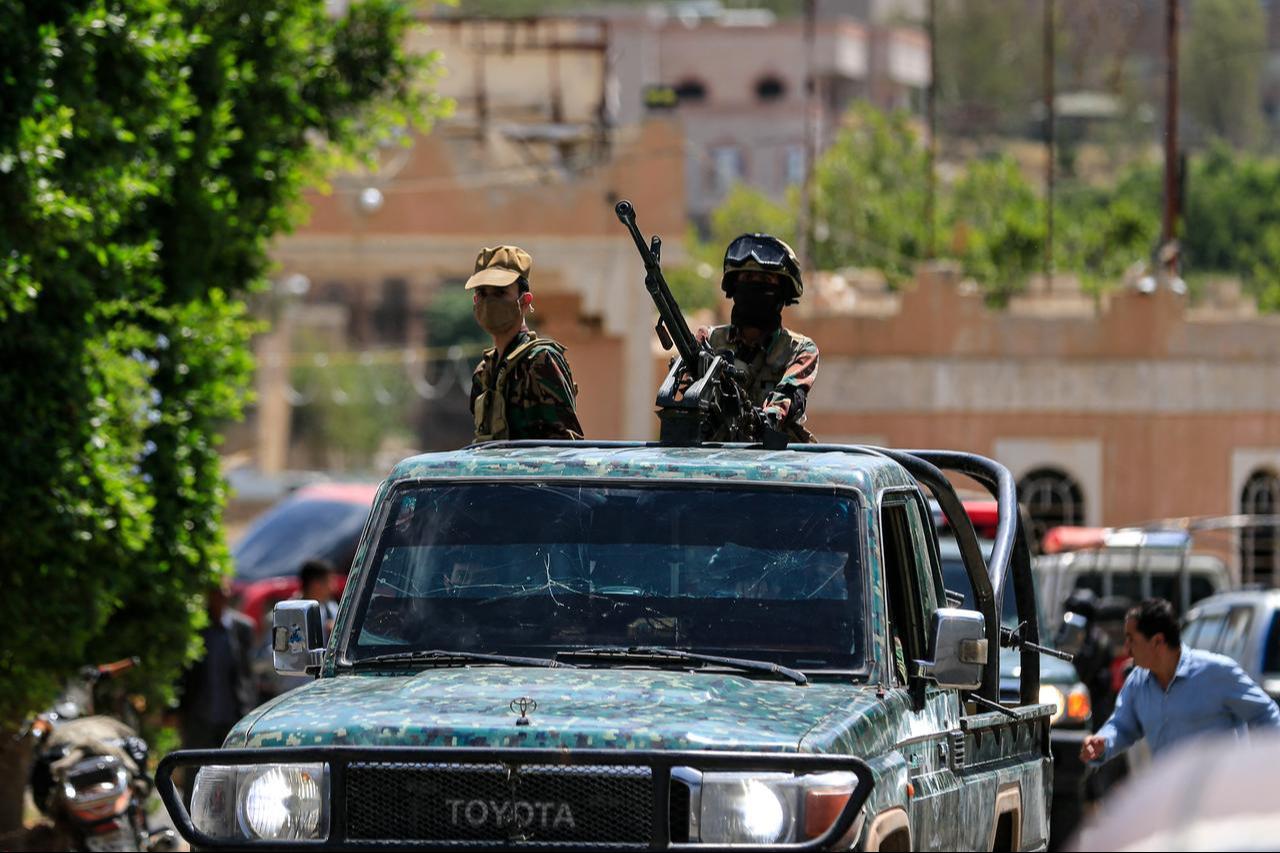
Iranian President Masoud Pezeshkian said Saturday that regional foreign ministers would meet in Oman on Monday over the joint Iran-Oman shipping route, with the agreement to be communicated to the International Maritime Organization (IMO), reiterating that Iran would reopen the strait once the U.S. ends its attacks and naval blockade.
The U.S. and Israel launched attacks on Iran in February, prompting Tehran to retaliate against Israeli and U.S. military targets across the region.
Washington and Tehran reached the Islamabad MoU in June with Pakistani and Qatari mediation, but implementation stalled amid disagreements over the Strait of Hormuz.
The US resumed military attacks on Iran in August, with Tehran responding by striking U.S. military assets in several Arab countries aligned with Washington.


 Set as preferred source
 Set as preferred source


 1 min read
 1 min read


