Newsletters


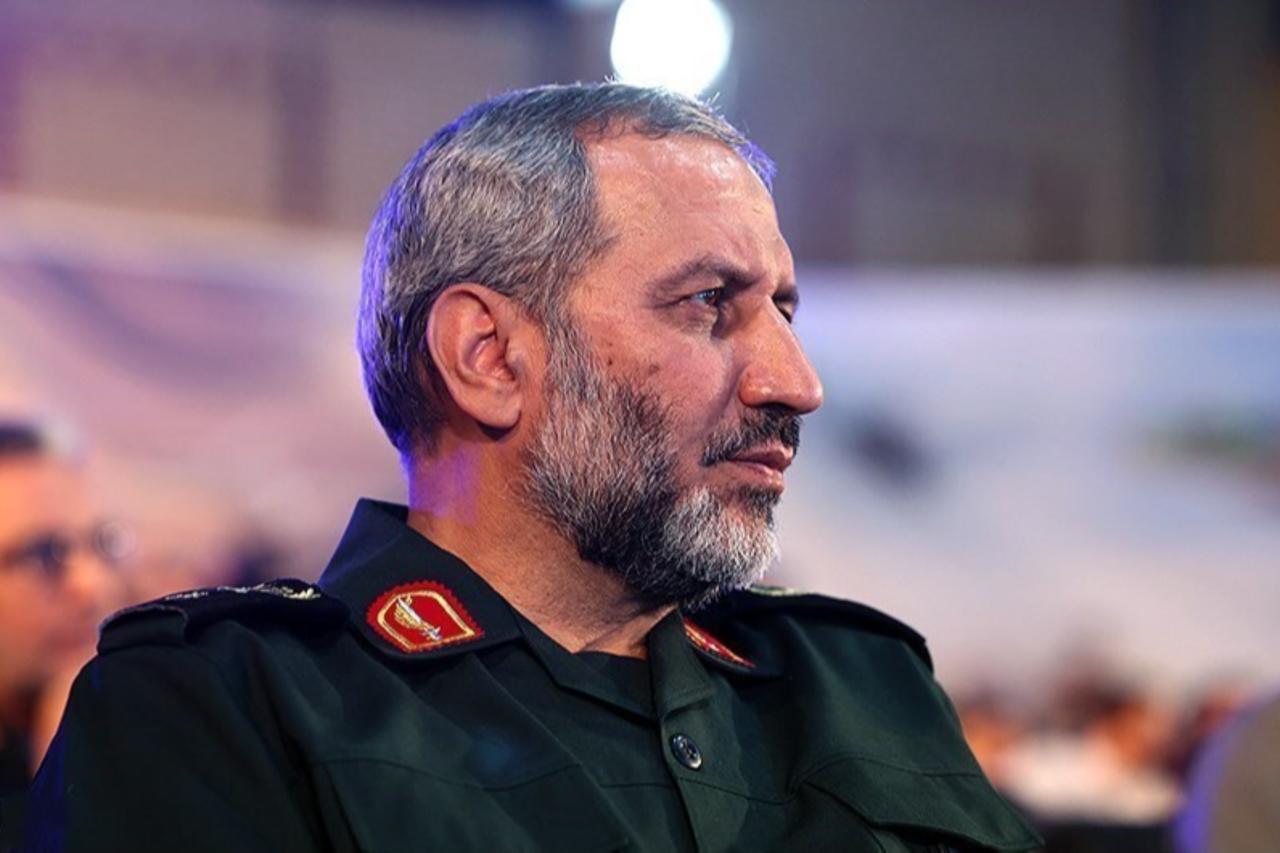


The commander of Iran's Revolutionary Guard Corps Aerospace Force, Seyed Majid Moosavi, posted a message on X directed at Israelis on Wednesday, writing in Hebrew: "Coming soon... Prepare your shelters." The post came as Iran's retaliatory missile campaign against Israel continues into its second month, with Israelis forced into bomb shelters dozens of times in recent days.
Moosavi had already signaled an intensifying posture days earlier. On March 27, he warned workers at industrial companies linked to the United States or Israel to immediately evacuate their workplaces, saying "this time, the equation will no longer be an eye for an eye." The IRGC has also sent mass text messages to Israeli phones in Hebrew, warning of "days of darkness."
Iran's missile offensive, which Tehran has designated Operation True Promise 4, has struck targets across Israel throughout March, with the Tel Aviv metropolitan area absorbing the heaviest volume of attacks, followed by the northern region, the south, and Jerusalem. Israeli news outlets reported that residents were forced to take shelter at least 18 times in a single overnight period during the last week of March. A missile hit a Tel Aviv apartment building, killing one person and injuring dozens.
Moosavi claimed on X that over a 48-hour period his force had doubled the strike rate against American and Israeli targets, saying the skies had "opened the way for these massive projectiles." On March 10, a senior IRGC commander stated that Iran was launching only missiles with payloads of 1,000 kilograms or more, a shift in approach that AFP described as a move from saturation tactics toward high-impact penetration strikes.
Roughly 70% of Iranian missiles aimed at Israel in late March carried cluster munition warheads, according to analysts at the Critical Threats Project, weapons that disperse dozens of explosive submunitions across wide areas. Iran is not a signatory to the Convention on Cluster Munitions, which bans their use. A Washington Post analysis found that four of Iran's key ballistic missile manufacturing sites and at least 29 launch positions have been damaged since the war began.
By the tenth day of fighting, Iran's daily missile volume had dropped by more than 90 percent from its opening pace, though strikes have continued. On March 27, the IDF struck Iranian nuclear infrastructure, including the Arak Heavy Water Production Facility and the Ardakan Yellowcake Production Plant.


 Set as preferred source
 Set as preferred source


 1 min read

 1 min read