Newsletters


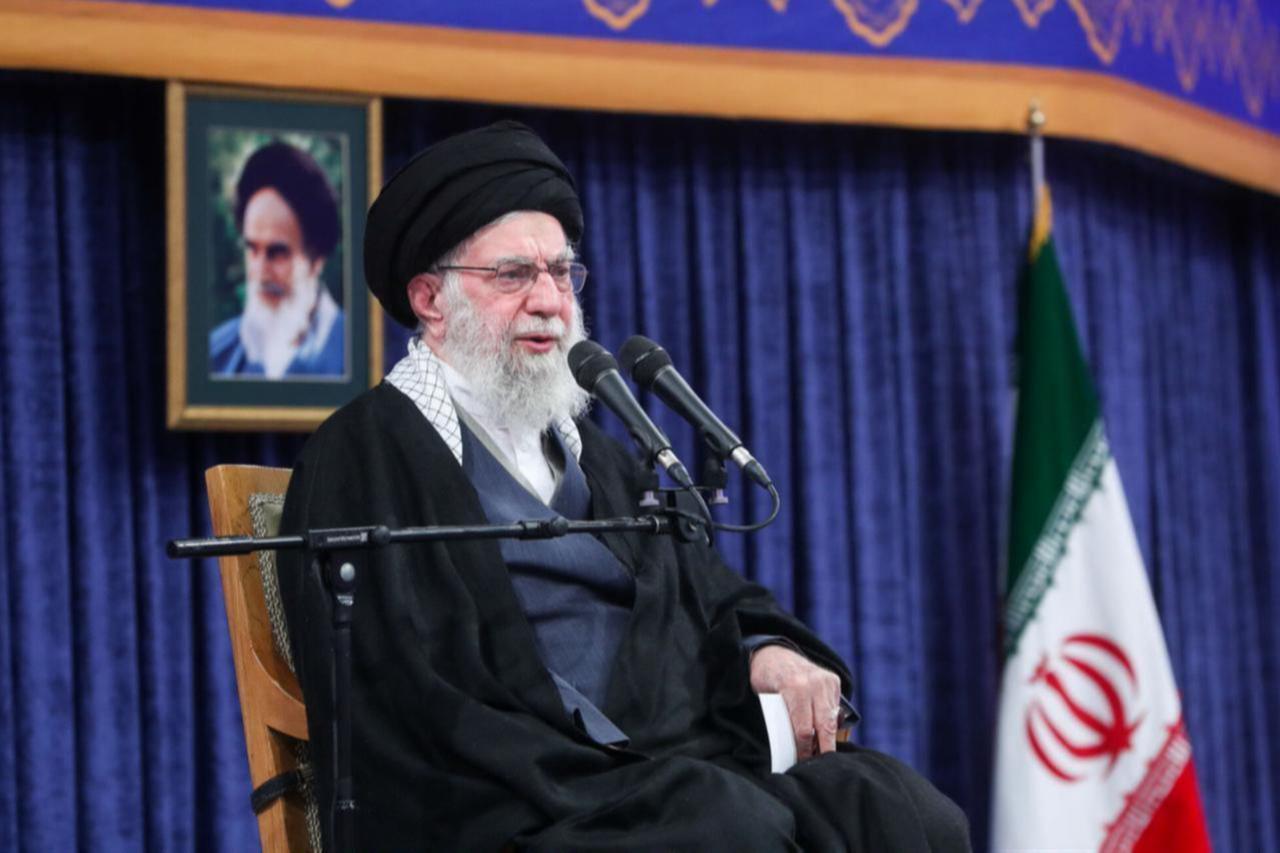


Iran’s Supreme Leader Ali Khamenei said Tuesday that United States President Donald Trump would not succeed in destroying Iran, as Tehran and Washington launched a new round of indirect talks in Geneva.
“In one of his recent speeches, the U.S. president said that for 47 years America has not succeeded in destroying the Islamic Republic… I tell you: you will not succeed either,” Khamenei said in a speech.
His remarks came as Iran and the United States began a second round of negotiations Tuesday in Geneva.
The first round was held earlier this month after talks collapsed during last year’s Iran-Israel war.
The latest discussions follow Washington’s deployment of an aircraft carrier group to the Persian Gulf after Iran’s deadly crackdown last month on anti-government protests sparked by economic hardship.
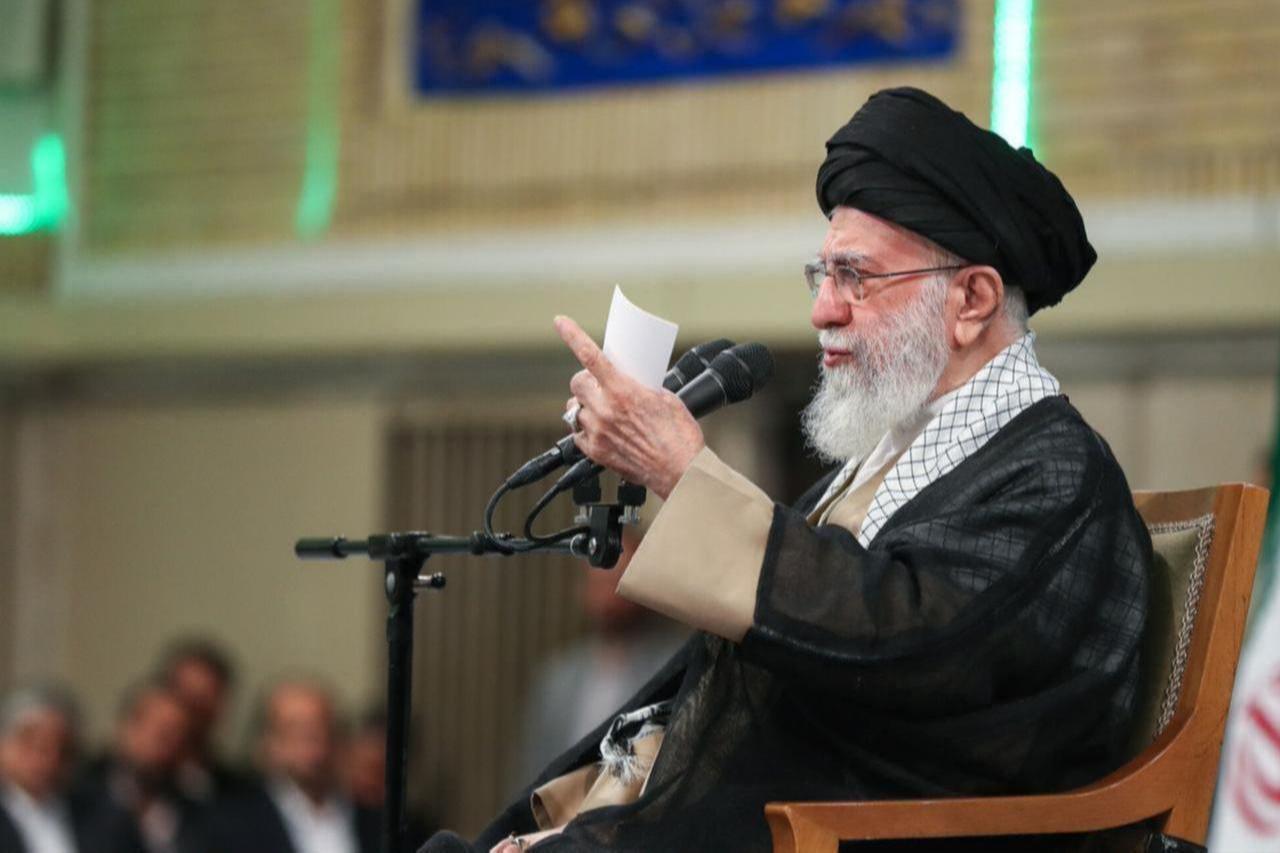

During his speech, Khamenei warned that U.S. naval deployments could face retaliation.
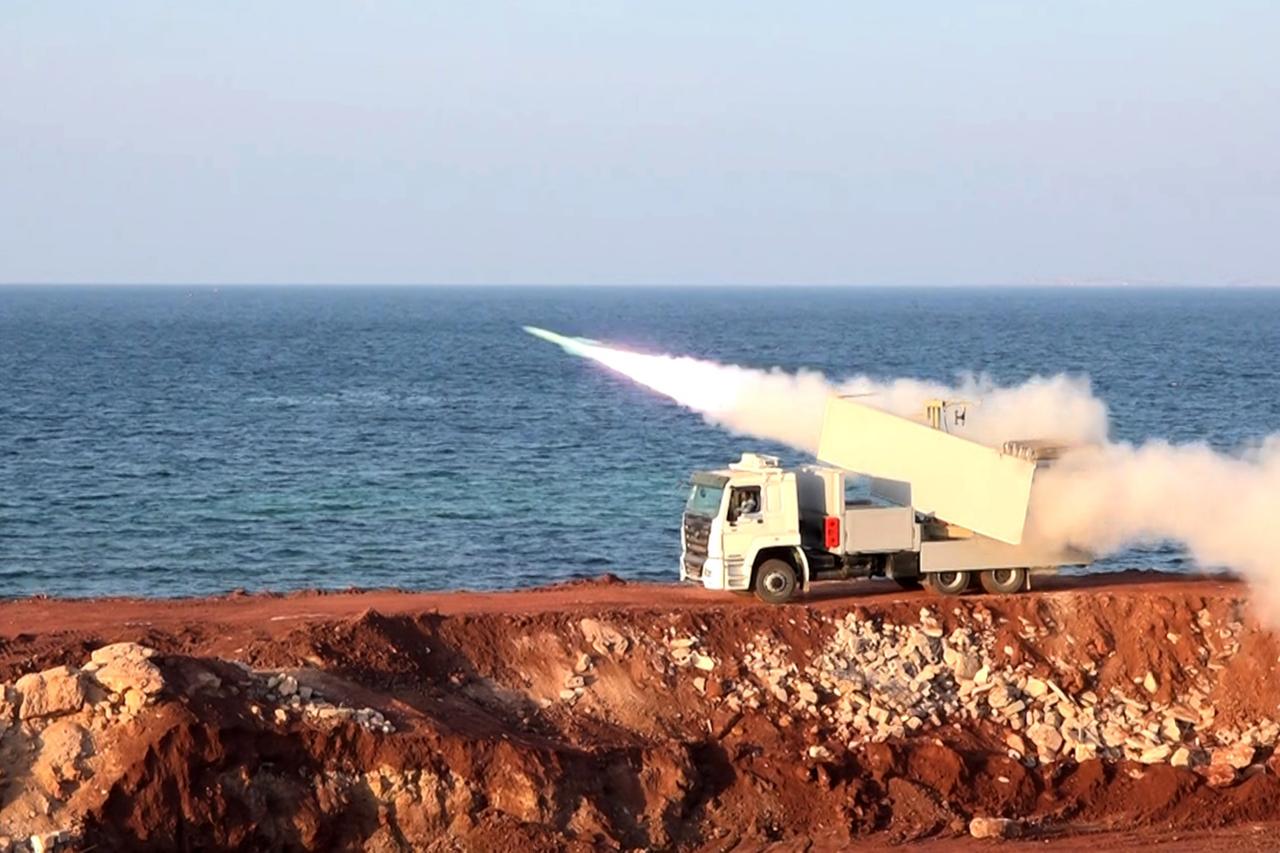
“We constantly hear that they (the United States) have sent a warship toward Iran. A warship is certainly a dangerous weapon, but even more dangerous is the weapon capable of sinking it,” he said.
Khamenei expressed skepticism about the prospects for negotiations with Washington.
“If there are to be negotiations, because there is no real room for negotiation, determining the outcome of the negotiations in advance is a mistake and madness,” he said, referring to U.S. demands that Iran abandon its nuclear program.

During Iran’s 12-day war with Israel in June, the United States briefly joined the conflict with strikes on key Iranian nuclear facilities.
Iran’s stockpile of enriched uranium, which had reached 60% purity before the war, remains among the key sticking points between Tehran and Washington.
The United States has repeatedly called for zero enrichment and has sought to expand the talks to include Iran’s ballistic missile program and its support for militant groups in the region—issues Israel has pushed to see addressed.
Iran has said its right to enrich uranium is non-negotiable and has insisted the talks focus solely on the nuclear issue.
“The statements of the American president, at times threatening and at times dictating what should and should not be done, reveal a desire to dominate the Iranian nation,” Khamenei said.
Iranian media reported Tuesday that the second round of indirect negotiations in Geneva has entered the “technical phase.”
A reporter for the state broadcaster accompanying the Iranian delegation said the talks, which began earlier Tuesday, are focused on technical aspects, including legal and economic issues.
The Iranian delegation, led by Foreign Minister Abbas Araghchi, is joined by nuclear, legal, and economic experts for this stage of the negotiations.
Writing on the US-based social media platform X, Araghchi said he was holding a “deep technical discussion” with International Atomic Energy Agency Director General Rafael Grossi, who is also in Geneva.
“I am in Geneva with real ideas to achieve a fair and equitable deal. What is not on the table: submission before threats,” Araghchi wrote.
The Geneva talks come nearly two weeks after the first round of indirect negotiations was held in Muscat under Omani mediation.
Both delegations held separate meetings with Omani Foreign Minister Badr Albusaidi at the Omani Embassy in Geneva before messages were exchanged between the Iranian and the U.S. sides.
While Araghchi leads the Iranian delegation, the US team is headed by Special Envoy Steve Witkoff and President Donald Trump’s adviser Jared Kushner.
Iran’s Foreign Ministry spokesperson Esmail Baghaei, who is also part of the delegation, told the state-run IRNA news agency that Iran is “fully prepared and equipped in both the technical-nuclear and economic (sanctions relief) fields,” demonstrating Tehran’s “seriousness for a result-oriented dialogue.”
Baghaei also confirmed to state television that the talks have entered the technical phase covering nuclear issues and sanctions relief.
He said the indirect negotiations were expected to continue for another two hours.


 Set as preferred source
 Set as preferred source


 1 min read
 1 min read