Newsletters


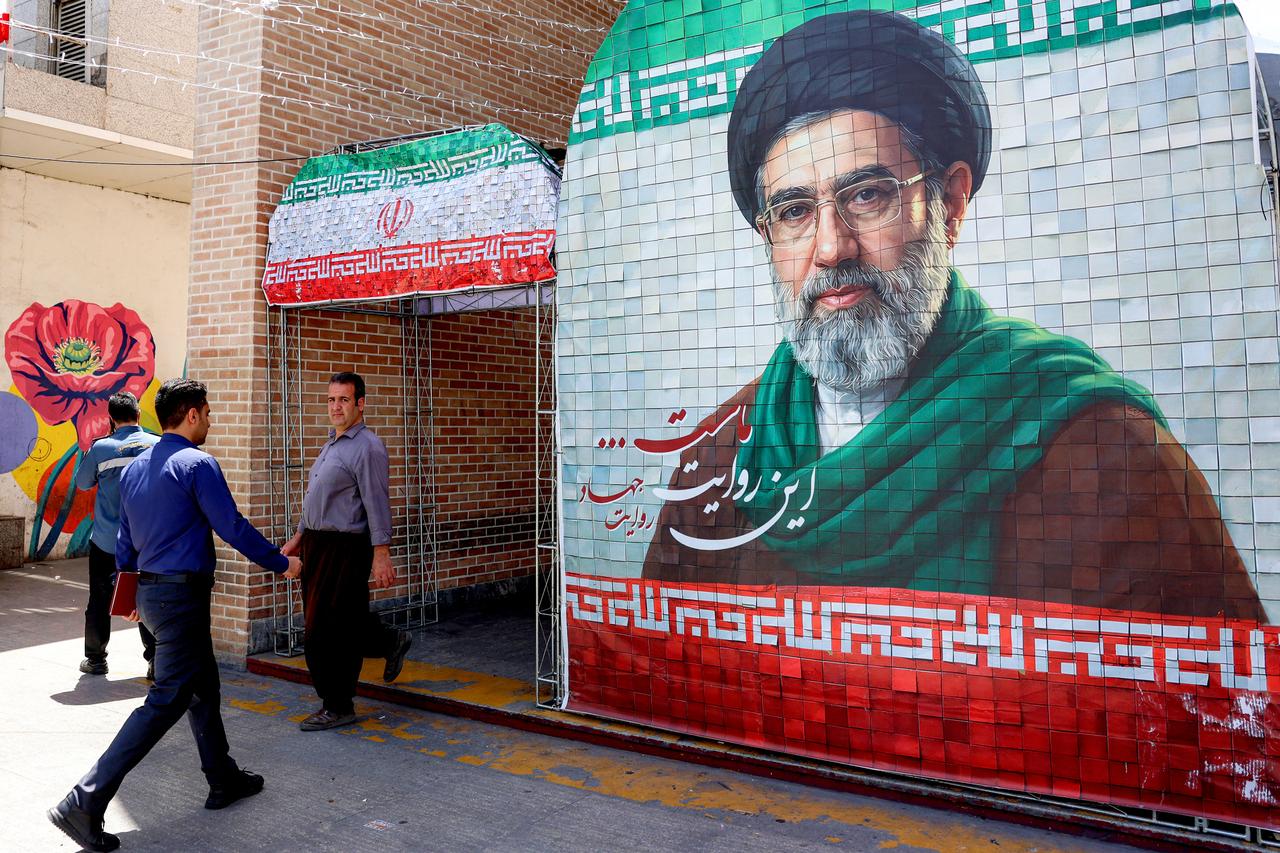


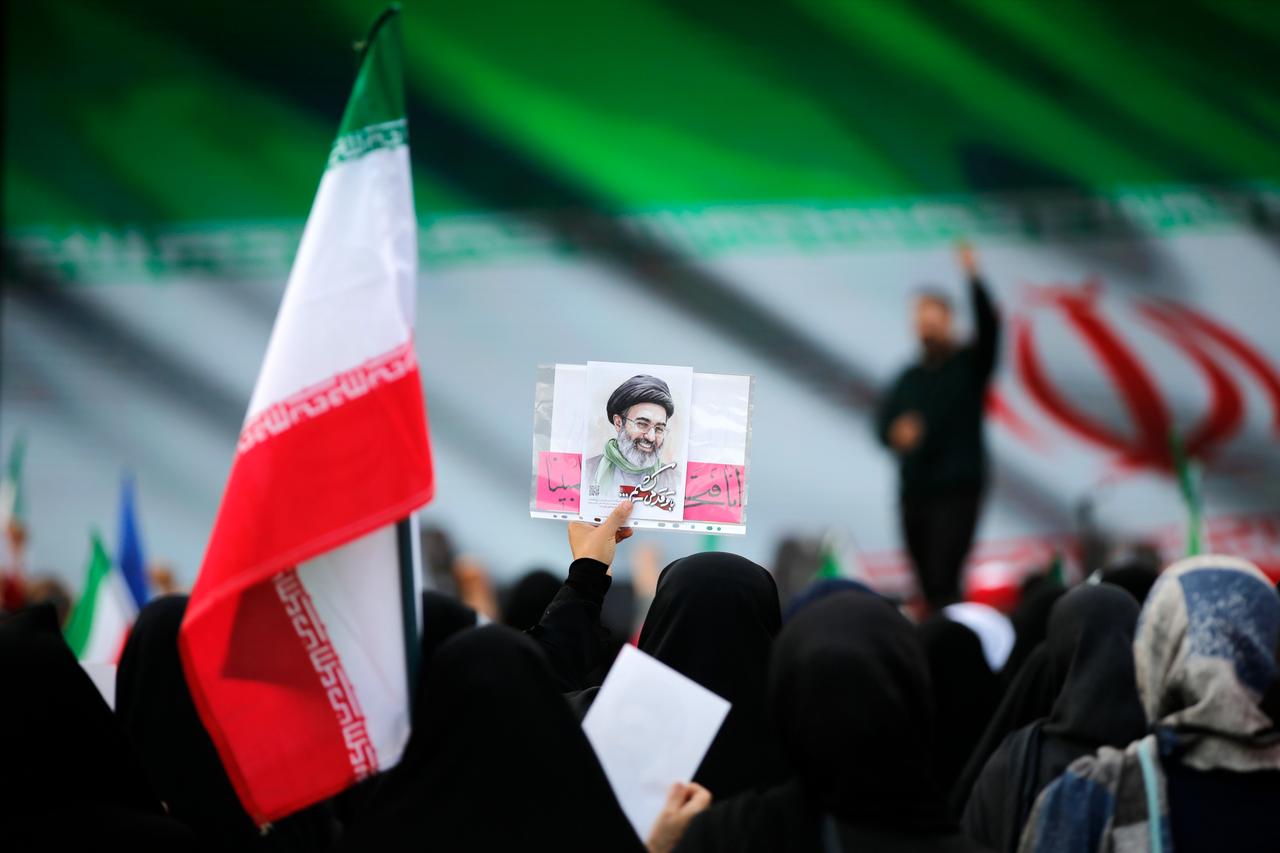
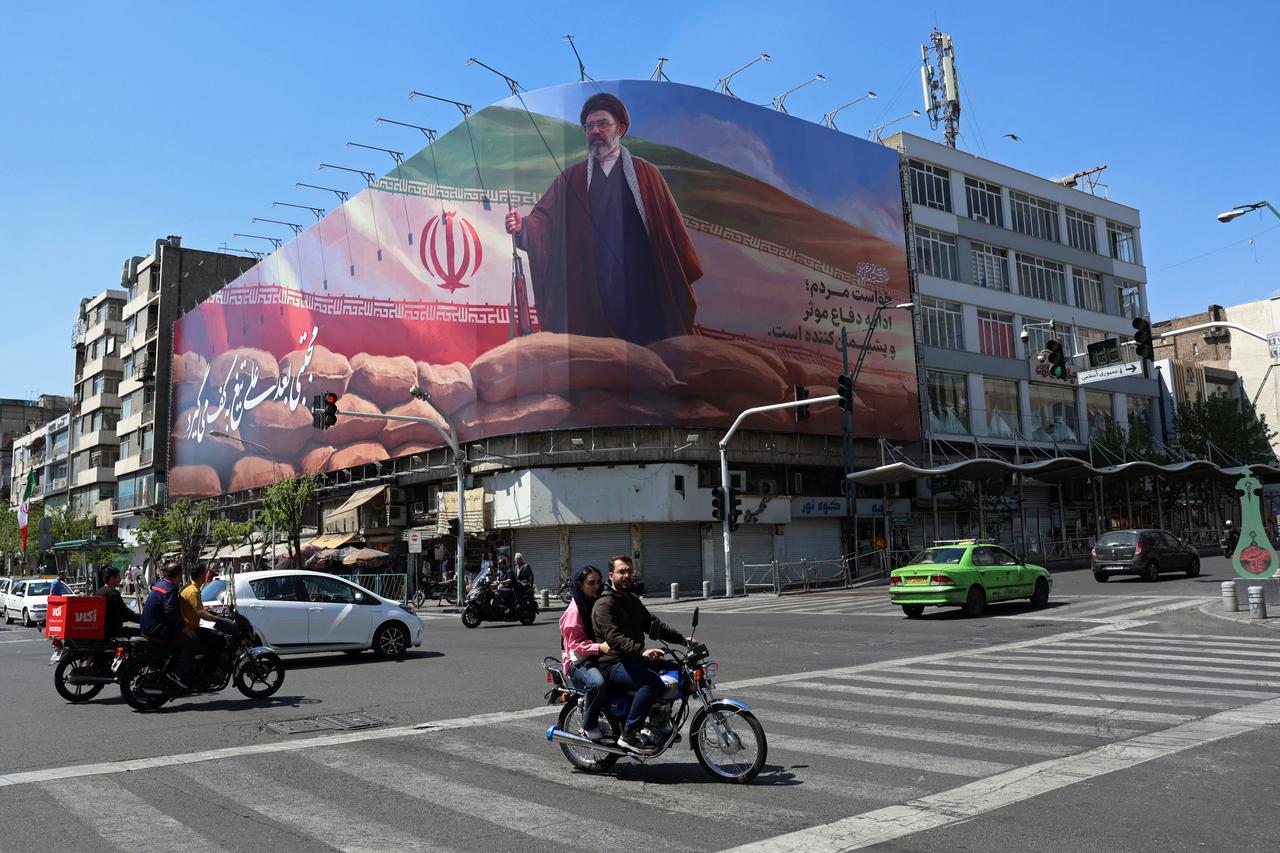
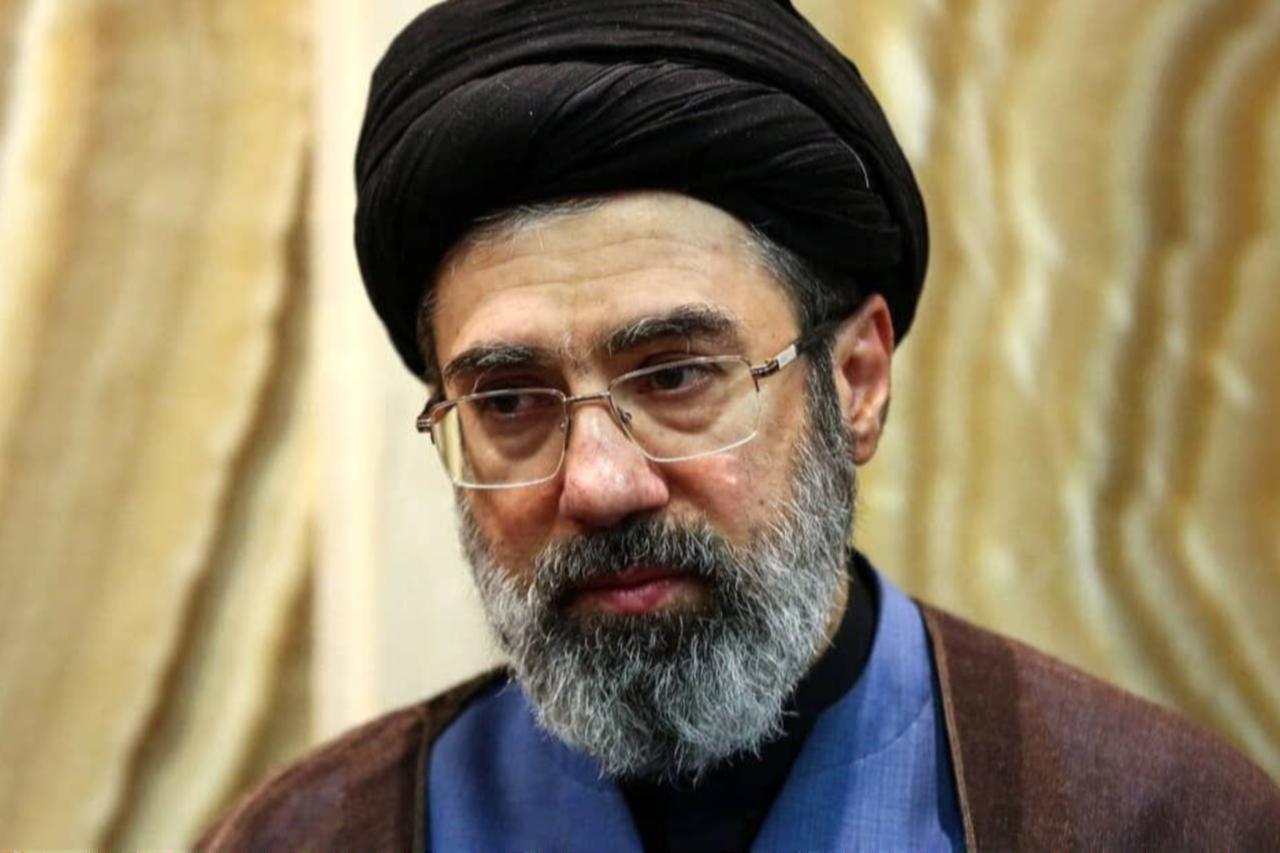
Iranian President Masoud Pezeshkian disclosed on Thursday that he had recently met with Supreme Leader Mojtaba Khamenei, who has not been seen in public since his appointment in early March.
Pezeshkian said that the meeting that lasted for more than two hours was conducted in an atmosphere of "candor and trust," in the first presidential account of direct contact with Iran's injured supreme leader.
"What struck me the most during this meeting was the vision and the humble and sincere approach of the supreme leader of the Islamic revolution," Pezeshkian said in remarks broadcast by state television and reported by Fars and Tasnim news agencies.
He described the meeting as taking place "in a warm atmosphere," with the conversation "completely direct, candid and accompanied by a feeling of closeness and trust."
Pezeshkian did not disclose when the meeting took place or where it was held.
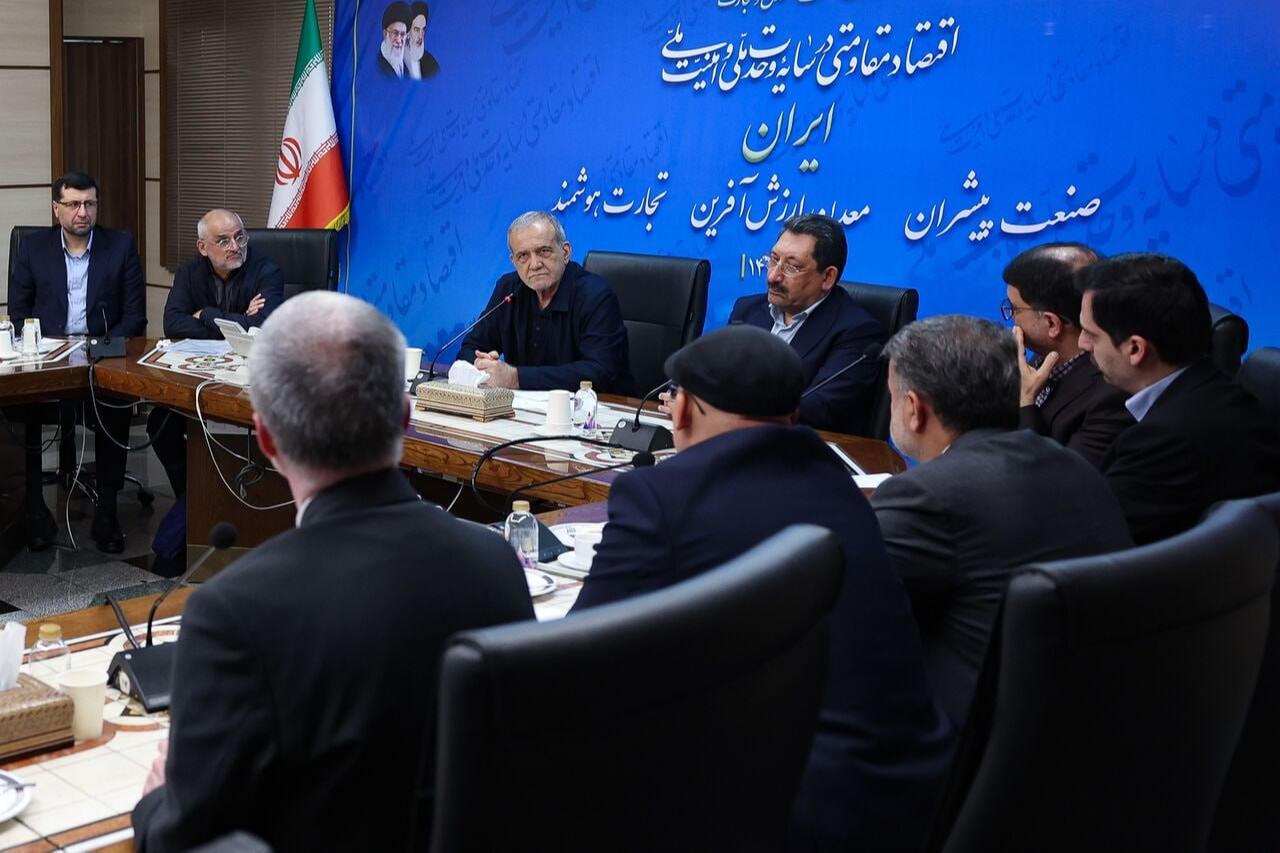

In his account, delivered during an unannounced visit to a gathering of tradespeople and market representatives, Pezeshkian described Khamenei's conduct as marked by "simplicity, humility, sincerity and mutual respect," saying it could serve as a management model for Iran's administrative system.
"When the highest official of the country approaches officials and individuals with such ethical conduct, humility and popular spirit, this behavior can naturally become a model for the country's management and administrative system," Pezeshkian said.
He added that the presence of such leadership "in the current sensitive conditions of the country and region can play an important role in strengthening social capital, managerial cohesion and increasing hope and solidarity in society."
Mojtaba Khamenei, 56, was wounded in the same strikes on Feb. 28 that killed his father, Ali Khamenei, after more than three decades as supreme leader.
According to senior Iranian officials cited by The New York Times (NYT) last month, Mojtaba Khamenei underwent three surgeries on his leg and will receive a prosthetic replacement.
He also had surgery on one hand, which is slowly regaining function. His face and lips were severely burned, and he still has difficulty speaking, which officials said explains why all statements attributed to him have been issued in writing, with none recorded in audio or video.
A statement attributed to Khamenei was read on state television.
Khamenei is described as mentally sharp and has delegated day-to-day decision-making to Iranian generals due to concerns about his safety and the complex logistics of reaching him.
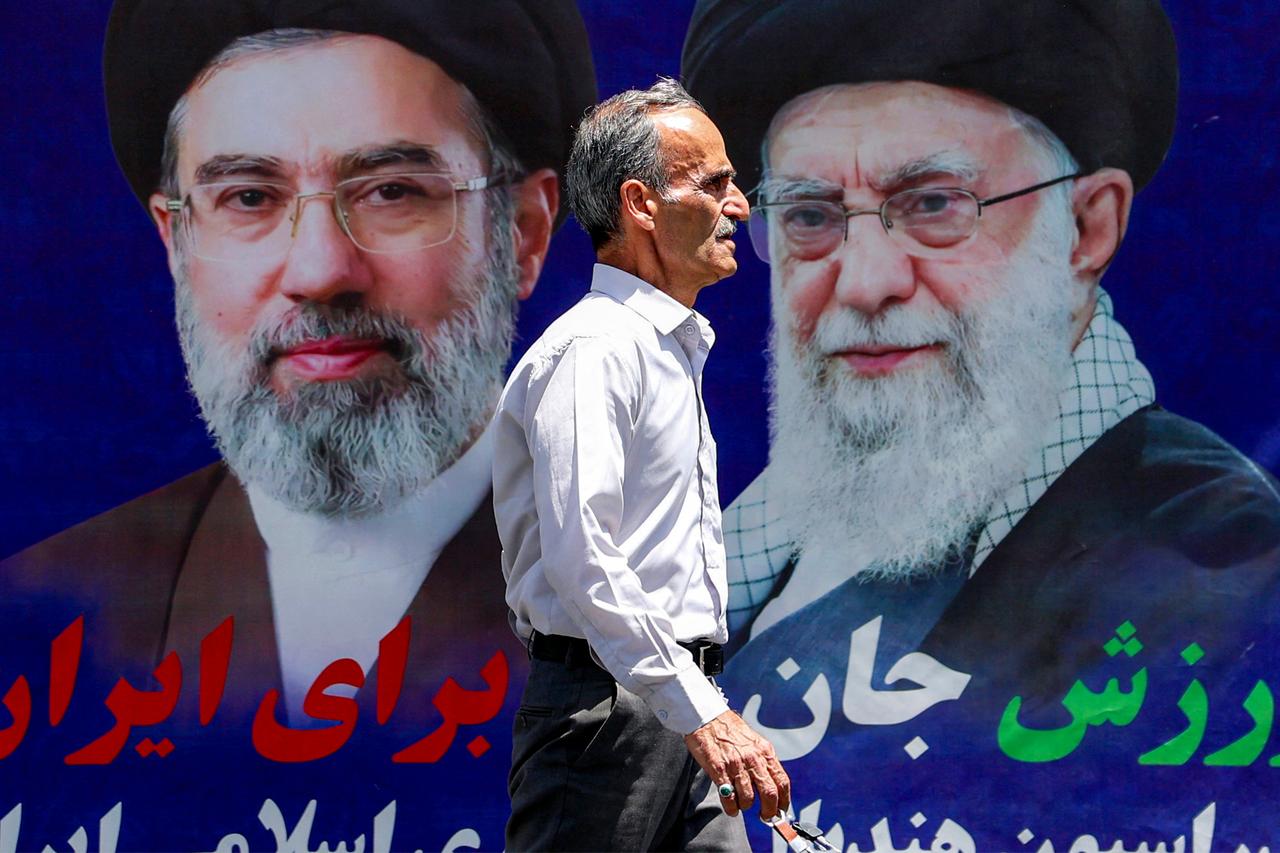
In the same address to tradespeople, Pezeshkian urged national unity and called on Iranians to prepare for economic hardship.
"We have one path: either we stand with the people and accept all people despite their different inclinations, so that we can resist the enemy, or we must submit to surrender and humiliation," he said.
He warned that energy consumption must be managed to prevent power cuts to the production sector and called on employers to retain workers rather than lay them off.
"As much as you can, do not settle accounts with workers and let them stay in their jobs," he said.
Pezeshkian said the enemy had calculated that wartime hardship would bring Iranians into the streets against the government, and that targeting security and military centers was part of that strategy.
He said unity had been the key to Iran's survival.
The disclosure came as Pakistan's Foreign Ministry said on Thursday it expects a U.S.-Iran agreement "soon," and a Pakistani source told Al Arabiya that Iran could transmit its response to Washington's latest peace proposal through Islamabad as early as Thursday, with discussions also ongoing on a possible Strait of Hormuz resolution.


 Set as preferred source
 Set as preferred source


 1 min read
 1 min read