Newsletters


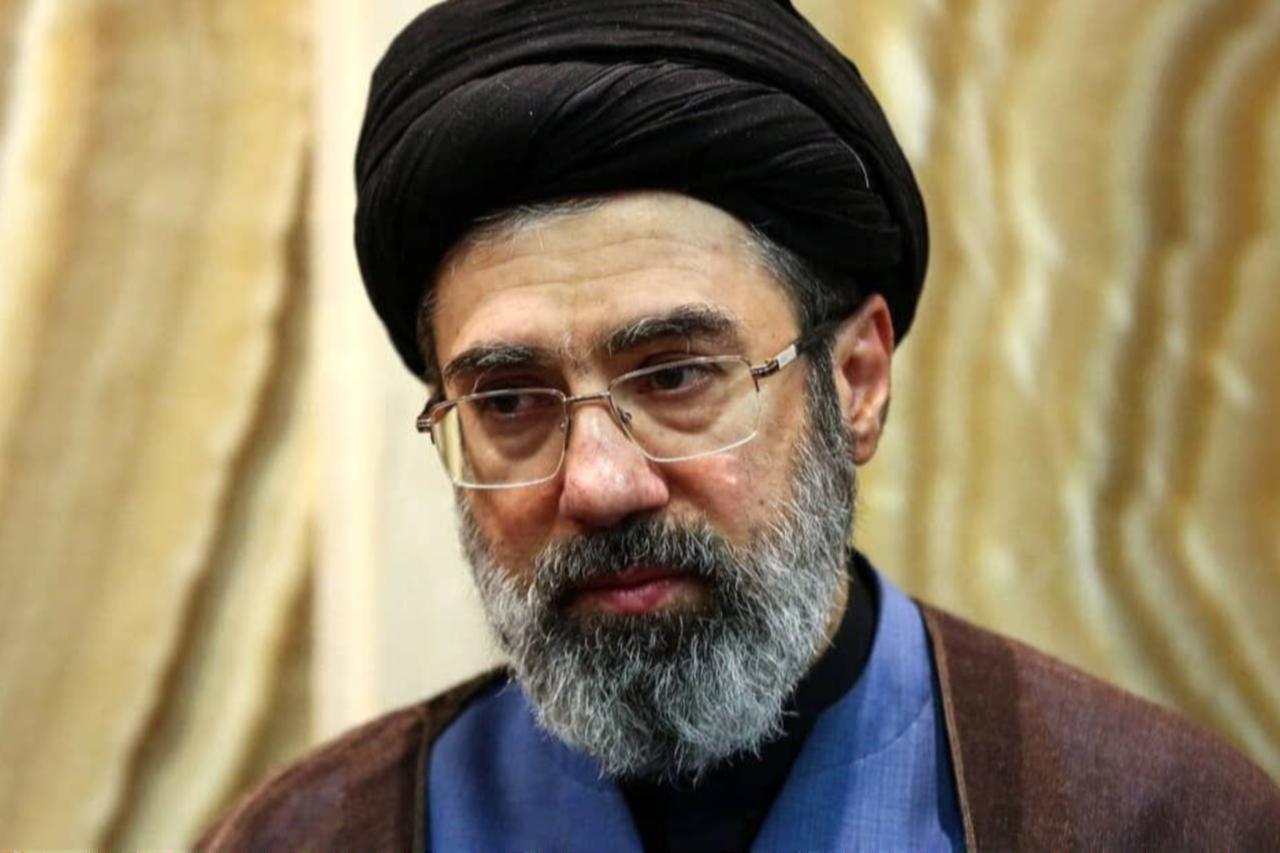


A newly reported intelligence assessment frames Iran’s Supreme Leader Mojtaba Khamenei, as critically ill and unable to govern, placing him under medical care in the religious city of Qom.
A diplomatic memo, based on U.S. and Israeli intelligence and shared with Gulf allies, indicates that Khamenei is unconscious and in a “severe” condition, leaving him excluded from decision-making at a time when the war continues to strain the country’s leadership structure, the U.K.-based The Times reported.
The memo reveals Khamenei’s location for the first time, identifying Qom—roughly 87 miles south of Tehran and a core center of Shia religious authority—as the site of his treatment. It states he is "unable to be involved in any decision making by the regime," reinforcing earlier claims that his role has effectively stalled.
Iranian authorities have acknowledged that Khamenei was wounded in the same airstrike that killed his father, former supreme leader Ali Khamenei, along with close family members on the opening day of the war. Since then, he has not appeared publicly.
Two statements attributed to the 56-year-old leader were broadcast on state television, yet no verified audio of his voice has surfaced. An AI-generated video showing him in a war room further fueled doubts over his condition.
U.S. President Donald Trump previously claimed that Khamenei was "either dead or in extremely bad shape," describing the situation as a regime change in Iran.
As Khamenei is reported to be unable to steer the country due to his condition, the report suggests that Iran’s Islamic Revolutionary Guard Corps (IRGC) holds de facto control, with Khamenei reduced to a symbolic figure.
The memo also sheds light on preparations following the death of Ali Khamenei, noting that groundwork is underway in Qom for a large mausoleum designed to hold multiple graves. This has fueled speculation that other family members, possibly including Mojtaba, could be buried there.
Mojtaba Khamenei, 56, is the son of former supreme leader Ali Khamenei, who died in a U.S.-Israeli strike on Feb. 28. After his father’s death, Iran’s leadership moved quickly to secure continuity at the top, elevating him to the position on March 8 after Iran’s Assembly of Experts—the clerical body responsible for appointing the supreme leader—formally selected him as successor amid wartime conditions.
Since the war began, more than 1,340 people have been reported killed in Iran in U.S.-Israeli strikes to date.


 Set as preferred source
 Set as preferred source


 2 min read
 1 min read